China's 15th Five-Year Plan for 2026-2030 charts a feasible path forward as the country seeks higher-quality growth over raw numbers, while also aiming to strengthen the Chinese economy amid external challenges, said Adhere Cavince, an expert on China-Africa relations.
His remarks followed the fourth plenary session of the 20th Central Committee of the Communist Party of China (CPC), held in Beijing from October 20 to 23, 2025.
During the plenary session, recommendations of the CPC Central Committee for Formulating the 15th Five-Year Plan for Economic and Social Development was adopted.
According to a communique of the plenary session, the Central Committee has set the major objectives for the 15th Five-Year Plan period (2026-2030), which include significant achievements in high-quality development, substantial improvements in scientific and technological self-reliance and strength, and fresh breakthroughs in further deepening reform.
"This plan that has since been unveiled by Chinese government is both ambitious but also very pragmatic. They have moved away from quantitative issues to qualitative aspects of the growth. You remember, for example, that they didn't give any indication of GDP growth. That means that they are focusing on quality rather than quantity. Of course, there are several aspects of it, including deepening reforms further, rural revitalization, ensuring that every aspect of China is guided by a single policy and everybody in China is able to get their reasonable quality of life. They also focused on green transition, developing more green technologies, more green capacity to offset carbon emissions," the international relations scholar said.
He believes the plan will be crucial for China in navigating external challenges, including the trade war waged by the United States.
"It is also sensitive to the needs of the turbulent international system. China is obviously focusing on how to regenerate its own economy, to strengthen its own economy (in a way) that can effectively respond to external pressure such as the U.S. tariffs, unilateralism and what we've seen lately that there are attempts to move value chains to other countries other than what has traditionally been known as the industrial center of the world," said Cavince.
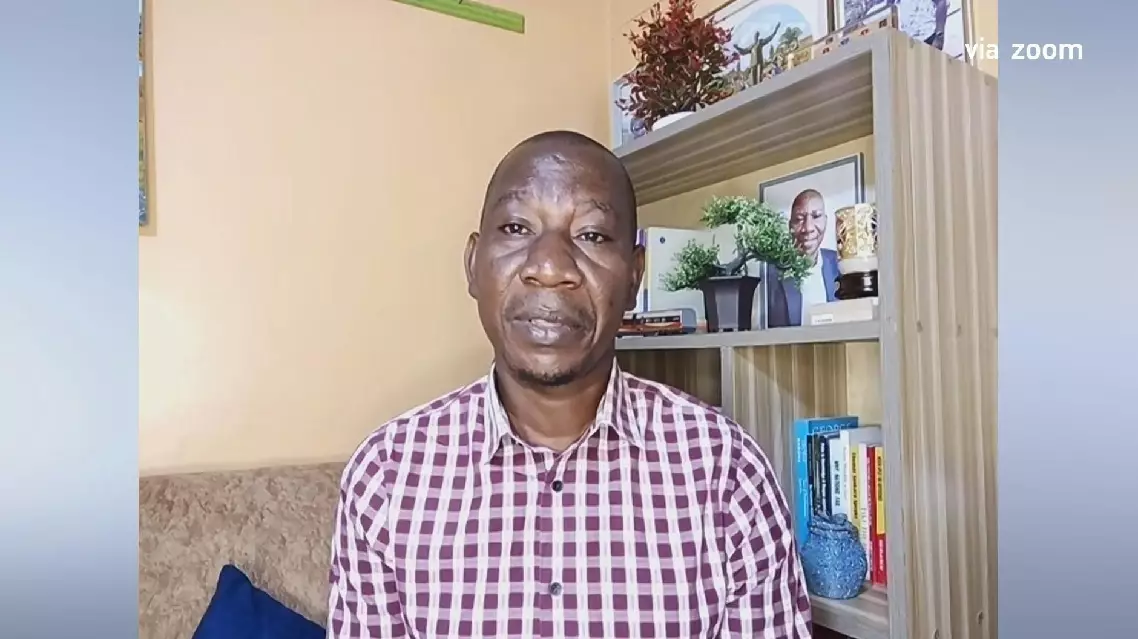
China's 15th Five-Year Plan ambitious yet pragmatic: expert
While its biomedical innovation has demonstrated vigorous momentum in recent years, China is providing better and more affordable therapeutic solutions to meet global needs, Eric Tse, CEO of Sino Biopharm, said in a recent interview with China Global Television Network (CGTN) on the sidelines of the ongoing annual meeting of the World Economic Forum (WEF) in Davos, Switzerland.
He emphasized that China is emerging as a key player in global biopharmaceutical innovation.
"I think China has definitely taken a much bigger part of the role in terms of global innovation development. We can see that China's data really rise from 5 percent of having innovative [products] into past 50 percent. Last year, I think the deals right now are rising from the top 10 out-licensing deals raised from in the past, maybe zero number right now, it's like half of them around Chinese companies. I think this really came out from how our talent dividends really drove our innovation going forward. And then, I think in the future, in the coming years, there will be more and more China-developed assets -- or not only fast-follower drugs but innovative drugs and products, that will be going forward. We're anticipating a very good 2026 or even 2027," said Eric Tse.
He further underscored that China's world-class biopharma clusters are driving medical innovations that benefit patients across the globe.
"China assets can really benefit the world. It's not only in the drug or the asset itself, but also on the infrastructure and ecosystem that it's building. Right now, it's like Shanghai, Beijing, Guangzhou, and let's say Jiangsu has a lot of cluster in terms of biotech pharmaceuticals. And, it is a, I think, given more and more attention in comparison in a decade ago -- a decade ago again, maybe you only have 5 percent of innovation globally. Right now, it's like that number went up by, let's say, at least four or five times. So, I think this is how we contribute to global med-needs and therapies, and having patients to access faster and better and more affordable therapies," he said.
Under the theme "A Spirit of Dialogue," the five-day 2026 WEF annual meeting is running in Davos through Friday. About 3,000 leaders and experts from around the world are gathering to discuss five pressing global challenges, including enhancing cooperation, unlocking new sources of growth and deploying innovation at scale and responsibly.
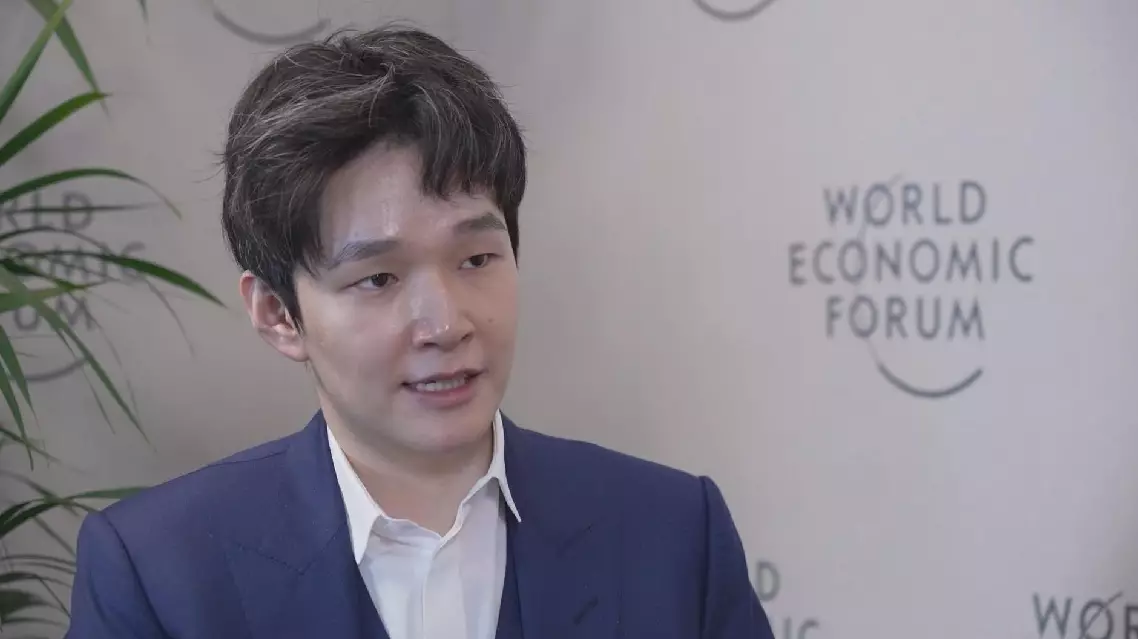
China's biotech clusters fuel better, affordable therapies for worldwide needs: insider
China's biotech clusters fuel better, affordable therapies for worldwide needs: insider