While its biomedical innovation has demonstrated vigorous momentum in recent years, China is providing better and more affordable therapeutic solutions to meet global needs, Eric Tse, CEO of Sino Biopharm, said in a recent interview with China Global Television Network (CGTN) on the sidelines of the ongoing annual meeting of the World Economic Forum (WEF) in Davos, Switzerland.
He emphasized that China is emerging as a key player in global biopharmaceutical innovation.
"I think China has definitely taken a much bigger part of the role in terms of global innovation development. We can see that China's data really rise from 5 percent of having innovative [products] into past 50 percent. Last year, I think the deals right now are rising from the top 10 out-licensing deals raised from in the past, maybe zero number right now, it's like half of them around Chinese companies. I think this really came out from how our talent dividends really drove our innovation going forward. And then, I think in the future, in the coming years, there will be more and more China-developed assets -- or not only fast-follower drugs but innovative drugs and products, that will be going forward. We're anticipating a very good 2026 or even 2027," said Eric Tse.
He further underscored that China's world-class biopharma clusters are driving medical innovations that benefit patients across the globe.
"China assets can really benefit the world. It's not only in the drug or the asset itself, but also on the infrastructure and ecosystem that it's building. Right now, it's like Shanghai, Beijing, Guangzhou, and let's say Jiangsu has a lot of cluster in terms of biotech pharmaceuticals. And, it is a, I think, given more and more attention in comparison in a decade ago -- a decade ago again, maybe you only have 5 percent of innovation globally. Right now, it's like that number went up by, let's say, at least four or five times. So, I think this is how we contribute to global med-needs and therapies, and having patients to access faster and better and more affordable therapies," he said.
Under the theme "A Spirit of Dialogue," the five-day 2026 WEF annual meeting is running in Davos through Friday. About 3,000 leaders and experts from around the world are gathering to discuss five pressing global challenges, including enhancing cooperation, unlocking new sources of growth and deploying innovation at scale and responsibly.
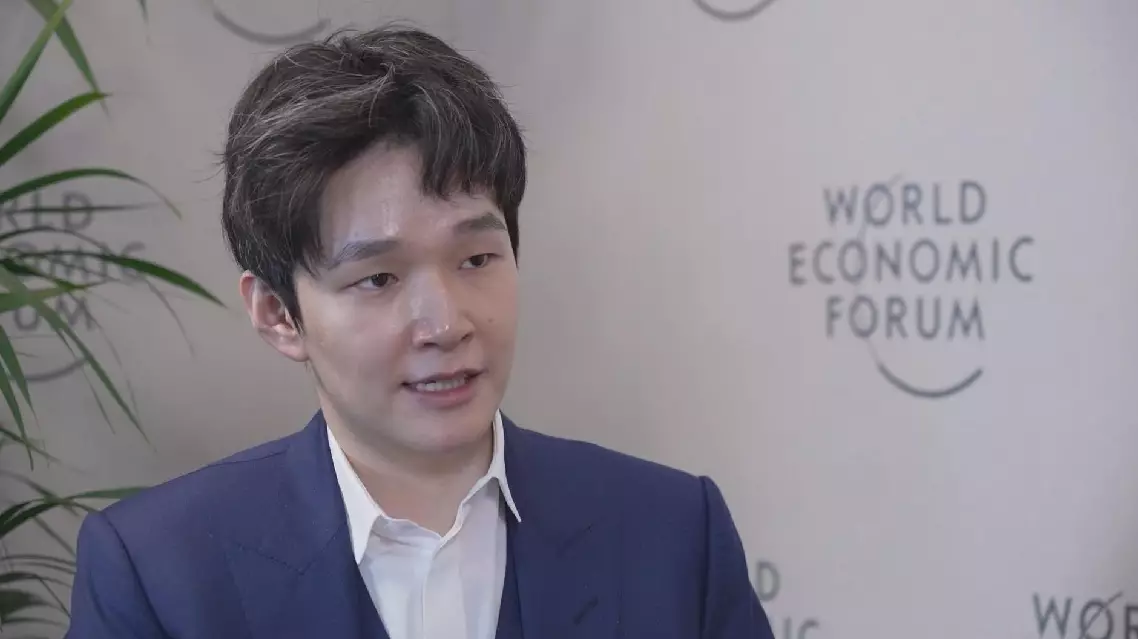
China's biotech clusters fuel better, affordable therapies for worldwide needs: insider
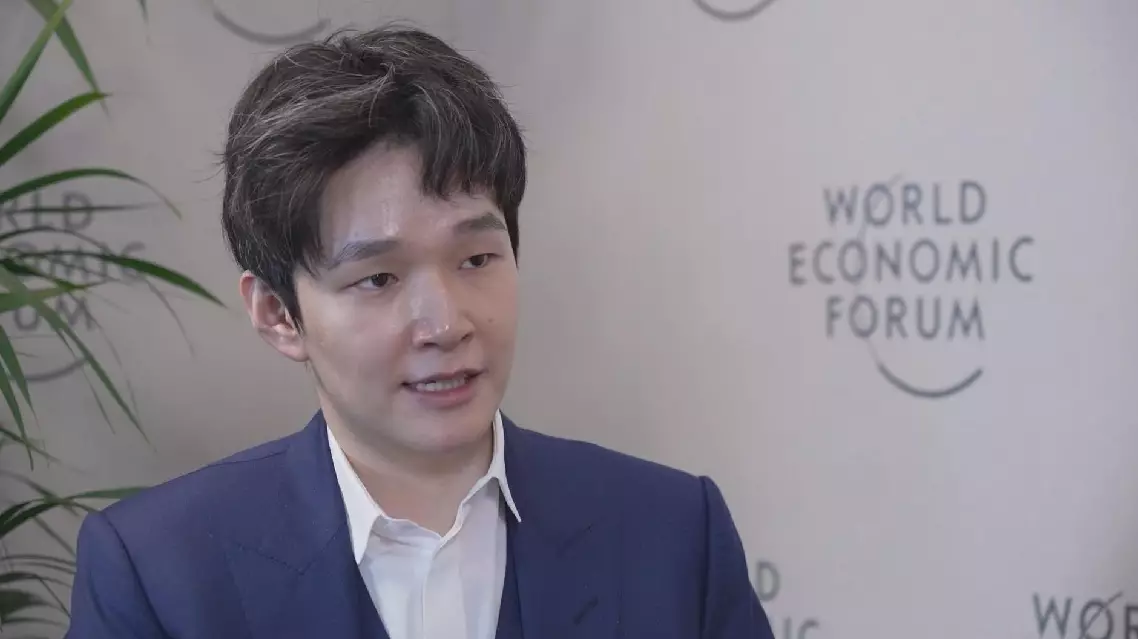
China's biotech clusters fuel better, affordable therapies for worldwide needs: insider
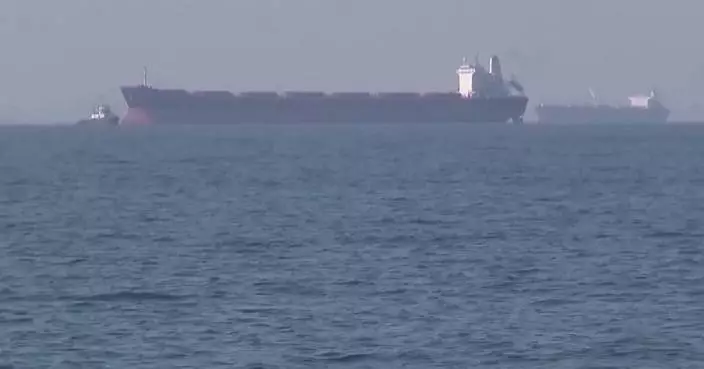
Gulf states remain deeply concerned about the outcome of the negotiations between the United States and Iran, particularly concerning the future of navigation in the Strait of Hormuz, said an observer of Gulf affairs.
The regional powers are now closely watching for any progress that could lead to the resumption of navigation in the strait, one of the world's most critical waterways.
On April 11, Pakistan hosted a round of direct negotiations between Iran and the United States, but no agreement was reached to end the war.
Since then, despite an indefinite extension of the ceasefire, the two sides have been unable to agree on holding a new round of negotiations. Instead, they have continued to exchange threats.
Iranian Foreign Minister Seyed Abbas Araghchi left Islamabad on Saturday, following "fruitful" talks with Pakistani officials. His departure came just before U.S. President Donald Trump announced the cancellation of his envoys' visit to Pakistan, prolonging the stalemate over a new round of negotiations between the two rival nations.
Against the backdrop, Fahd Al-Shalimi, a Kuwaiti strategic expert and political analyst, has underscored that regional concerns remain unaddressed.
"In the Islamabad negotiations, there is no Gulf representation at the table, but there are Gulf concerns at the table. We want our relations with Iran to be normal and stable. I believe that no one wants to threaten regional security and peace in the Gulf. The Gulf states were the first to assure Iran that no planes from our bases would strike Iran," he said.
Al-Shalimi pointed out that Kuwait and the other Gulf Cooperation Council (GCC) countries are committed to ensuring freedom of navigation in the Strait of Hormuz, stressing that they are working continuously to consolidate and maintain this principle.
"The statements of all the GCC countries, including Kuwait, call for freedom of navigation. China has requested freedom of open navigation in the Strait of Hormuz. International law protects the Strait of Hormuz as an international waterway. The Gulf countries have proven that they are influential and prominent countries through their geographical location and through the raw materials used by the world. One-fifth of the world's oil and 30 percent of international trade come out of this region. This is a very large percentage," he said.
Looking ahead, Al-Shalimi expressed his belief that Gulf-Iran relations may improve after the end of the war, especially given Iran's need for Gulf ports to support reconstruction efforts.
"In the near future, after the end of the conflict, whether the Iranian ideological idea changes or not, Iran will still need Gulf ports for reconstruction, such as the Port of Jebel Ali (in the UAE), Hamad Port in Qatar, and the Mubarak Al-Kabeer Port (in Kuwait), because Iranian ports are not deep and large enough to meet the requirements of reconstruction. There may be an economic exchange that could lead to political cooperation," the expert said.
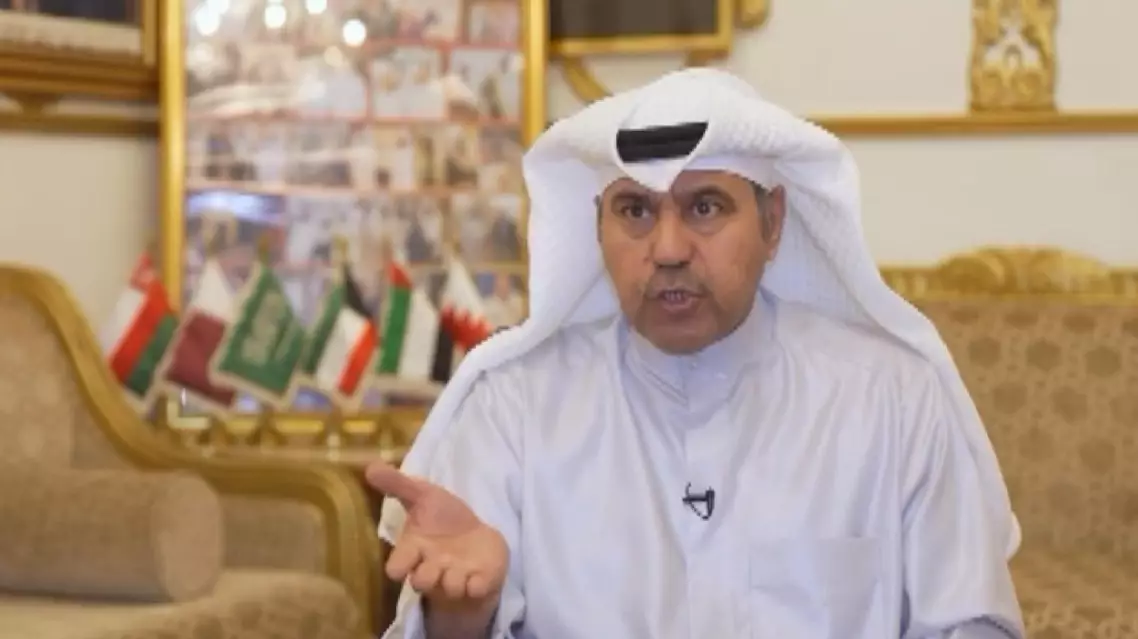
Gulf states have strong interest in outcomes of US-Iran talks: analyst