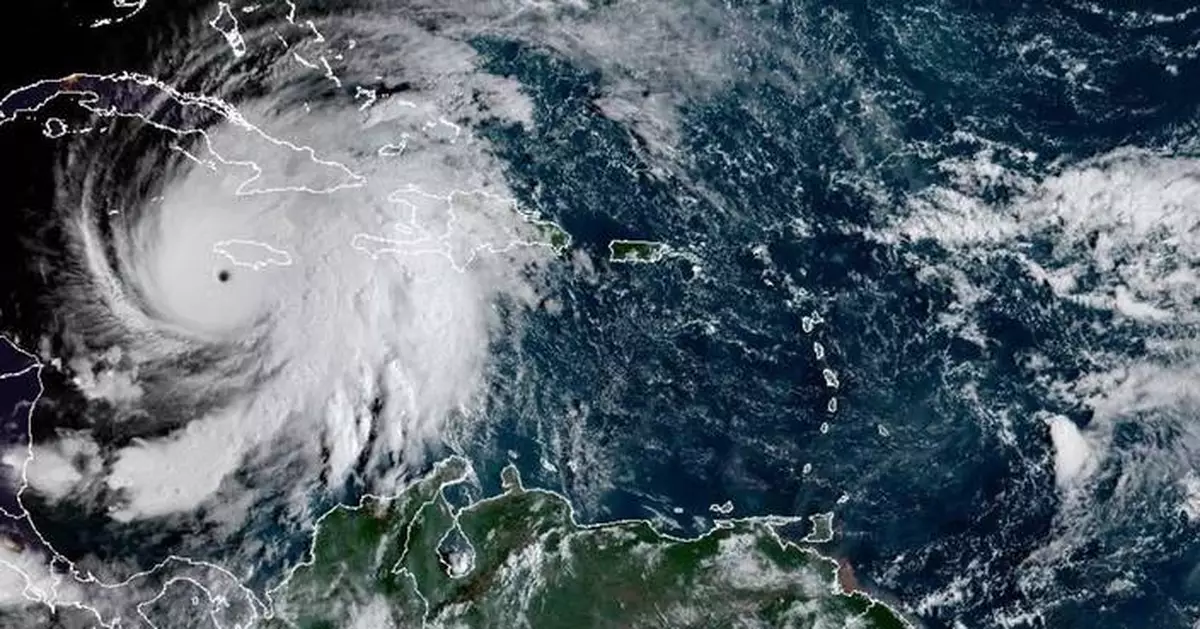
Hurricane Melissa made landfall in Jamaica on Tuesday as a devastating Category 5 storm, tied for the strongest landfalling Atlantic hurricane in history. The deadly storm has also caused devastation in Cuba, Haiti and the Dominican Republic.
The world is still learning the extent of the destruction, but relief organizations are already mobilizing to help across the northern Caribbean.
As is typical in disasters, nonprofit groups told The Associated Press that cash is the best way to help, since unsolicited goods donations can overwhelm already strained systems. Experts recommend using sites like Charity Navigator or the Better Business Bureau's Wise Giving Alliance to check out unfamiliar charities before donating.
Here is some of the work being done and ways to support people impacted by Hurricane Melissa in Jamaica, Cuba, Haiti and beyond.
The 40-year-old nonprofit has a history of supporting Jamaicans after disasters, especially the country's farmers.
Last year, United Way of Jamaica mobilized help for female farmers hit hard by Hurricane Beryl, helping them replace farm equipment, repair roofs, and pay tuition fees for their kids right as the school year began.
The Kingston-based group accepts cash donations.
AFJ has donated to Jamaican charitable organizations since 1982, supporting education, economic development and health care. Its disaster relief fund helped repair nearly 800 roofs after Hurricane Beryl, according to the group.
The New York-based organization is currently matching donations to its Disaster Relief Fund, up to $1 million.
GiveDirectly will deliver emergency cash directly to Jamaica households.
The nonprofit sent households impacted by Hurricanes Helene and Milton $1,000 last year, using AI to pinpoint the worst impacted areas and making fast electronic transfers.
The New York-based group is trying to raise $1 million and is accepting cash donations.
CORE 's local staff is already responding in Haiti and will arrive in Jamaica when airports reopen to deliver relief items like hygiene kits and tarps, conduct medical assessments an distribute cash assistance. The group will also help households remove debris and rebuild homes.
The Los Angeles-based nonprofit is accepting cash donations to its Emergency Response Fund. Its board of directors is matching up to $200,000.
There are a host of other humanitarian organizations deployed or in the process of reaching the northern Caribbean, including Convoy of Hope, Mercy Corps, World Vision, Catholic Relief Services, Project HOPE, CARE, Global Empowerment Mission, World Food Program USA and Americares.
The solar-energy nonprofit supplies communities and first responders with temporary power equipment to aid their response and restore communications.
Footprint Project is shipping 150 portable solar and battery power stations and deploying mobile microgrid equipment, working with local partners like Jamaica Renewable Energy Association to ensure the systems are deployed where they are most needed.
The New Orleans-based group is accepting cash donations. Equipment donations can be coordinated through give@footprintproject.org.
The humanitarian organization supports the Caribbean year round with medicines and other supplies, and has delivered more than $3 million in medical aid in the last month to areas now under threat.
Direct Relief will support health facilities, many of which it says are in coastal and low-lying areas vulnerable to flooding and power outages. The group also sent 100 field-medic packs for Jamaica’s National Health Fund, and is working with the Pan American Health Organization on supplies for Cuba.
The Santa Barbara, California-based group is accepting cash donations. All contributions specifically designated for “Hurricane Melissa” will go directly to those efforts.
Good360 connects corporate donors who have surplus, high-quality supplies with nonprofits that need those items. It will partner with local groups to deliver what's needed, anticipating demand for generators, tarps and hygiene kits.
Good360 is accepting cash donations to support delivery of these supplies.
Airlink works with major airlines like United and American, using extra cargo space to help humanitarian organizations move aid to disaster zones.
It's moving cargo to Haiti and Jamaica on behalf of 16 NGOs and finding solutions for moving supplies on the ground when many roads are blocked or washed out.
The Washington, D.C.-based group accepts cash and crypto donations and donations of frequent flyer miles.
While the immediate needs will be vast, CDP focuses on long-term recovery, an often underfunded aspect of disaster response.
The group will give grants to local organizations that are most in tune with the needs, focusing on the most at-risk residents and emphasizing solutions that leave communities better prepared for future climate events.
The Washington, D.C.-based organization is accepting cash donations to its Atlantic Hurricane Season Recovery Fund.
——
Associated Press coverage of philanthropy and nonprofits receives support through the AP’s collaboration with The Conversation US, with funding from Lilly Endowment Inc. The AP is solely responsible for this content. For all of AP’s philanthropy coverage, visit https://apnews.com/hub/philanthropy.
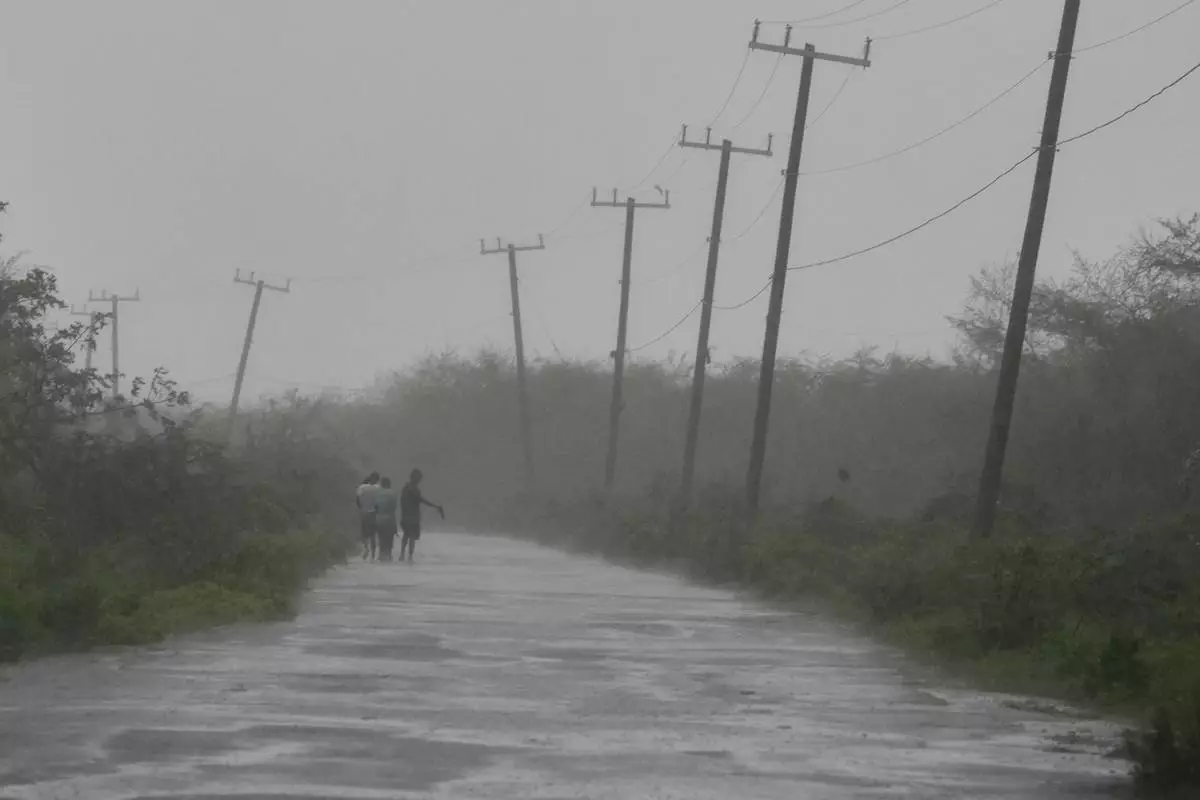
People walk along a road during the passing of Hurricane Melissa in Rocky Point, Jamaica, Tuesday, Oct. 28, 2025. (AP Photo/Matias Delacroix)
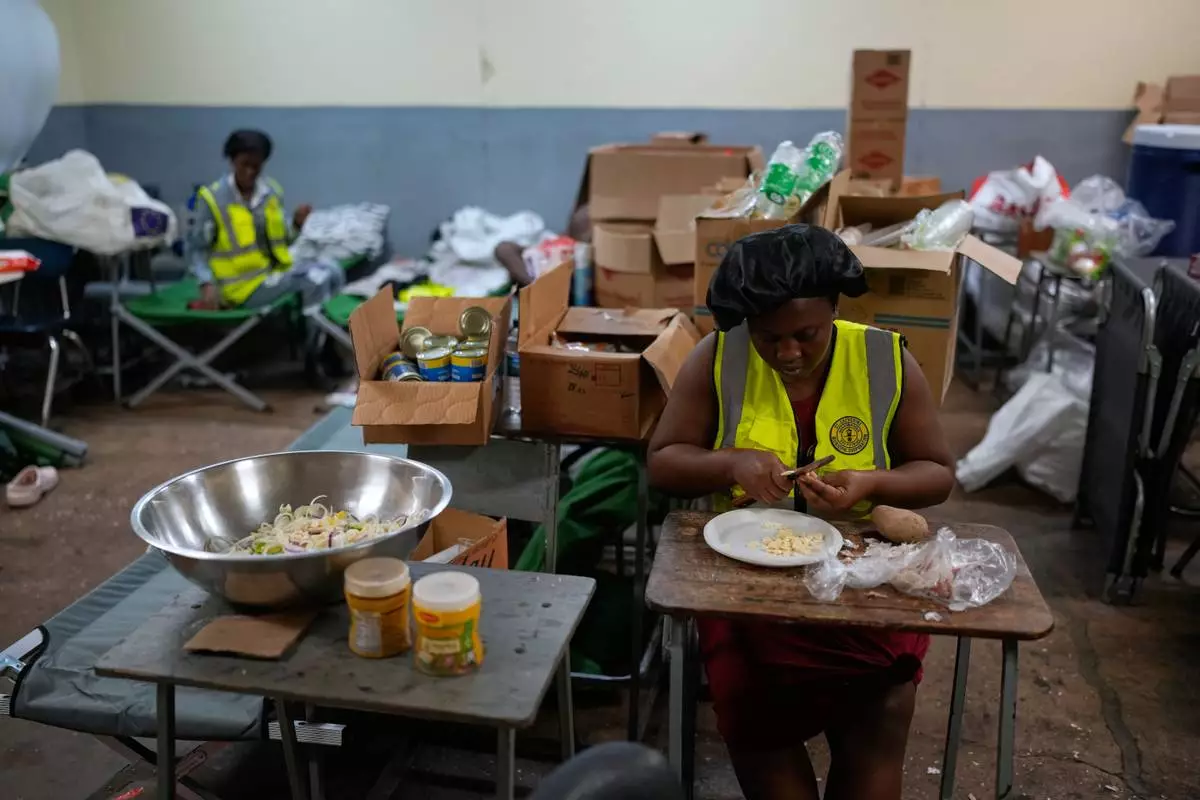
Cooks prepare meals at a shelter set up in a school ahead of Hurricane Melissa's forecast arrival in Old Harbour, Jamaica, Monday, Oct. 27, 2025. (AP Photo/Matias Delacroix)
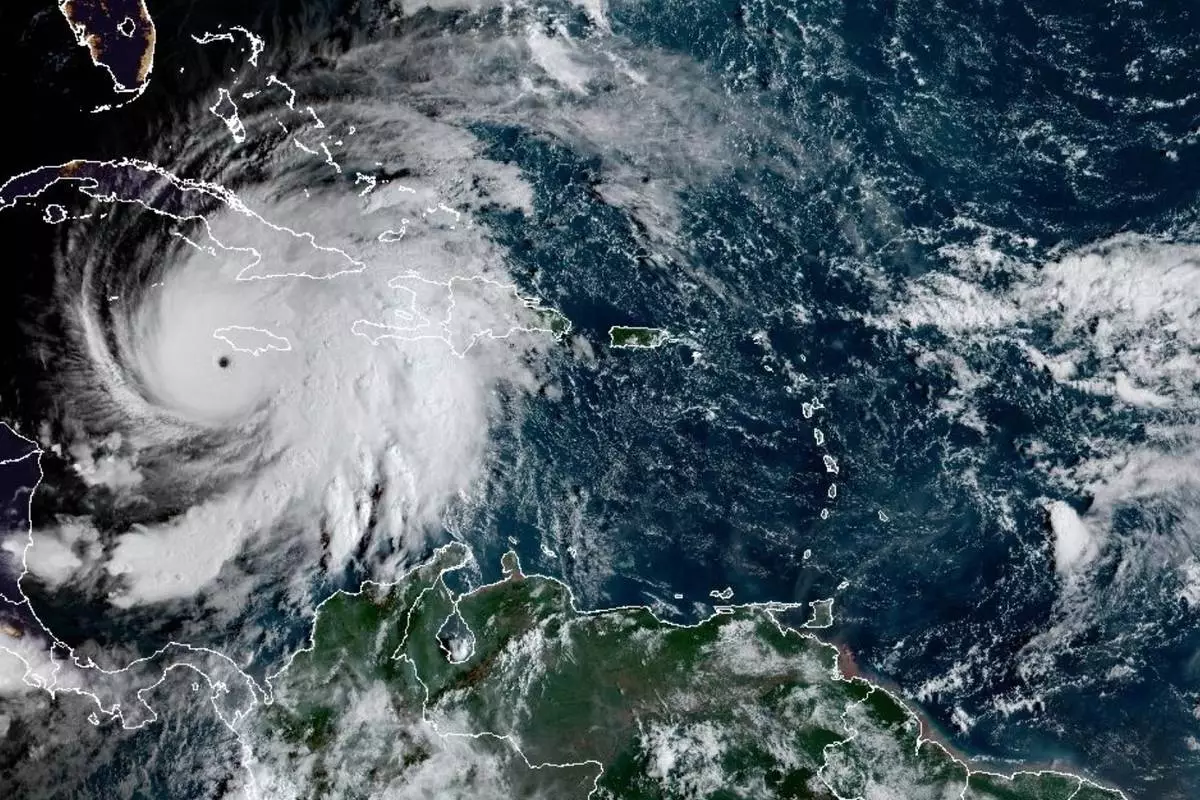
This satellite image provided by the National Oceanographic and Atmospheric Administration shows Hurricane Melissa, Tuesday, Oct. 28, 2025. (NOAA via AP)