ANDERSON, S.C. (AP) — A former South Carolina sheriff pleaded guilty Thursday to federal charges that he helped steal about $80,000 from his force's benevolence fund and took pain medication that was supposed to be destroyed as part of a pill take-back program.
Chuck Wright, the former Spartanburg County sheriff, admitted his guilt to conspiring to commit theft concerning programs receiving federal funds, conspiring to commit wire fraud and obtaining controlled substances through misrepresentation.
Click to Gallery
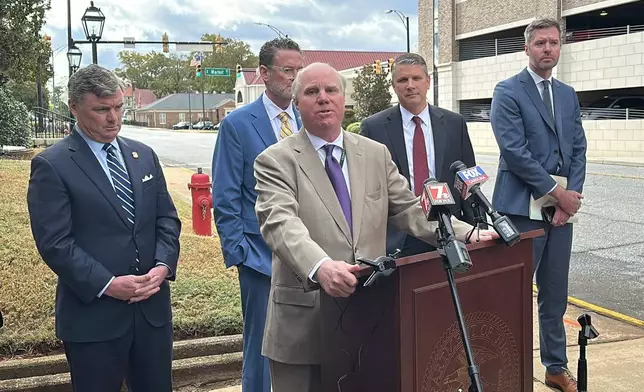
Assistant U.S. Attorney Lothrop Morris speaks about his role as lead prosecutor against former Spartanburg County Sheriff Chuck Wright after Wright pleaded guilty to theft and conspiracy charges on Thursday, Oct. 30, 2025, in Anderson, S.C. (AP Photo/Jeffrey Collins)
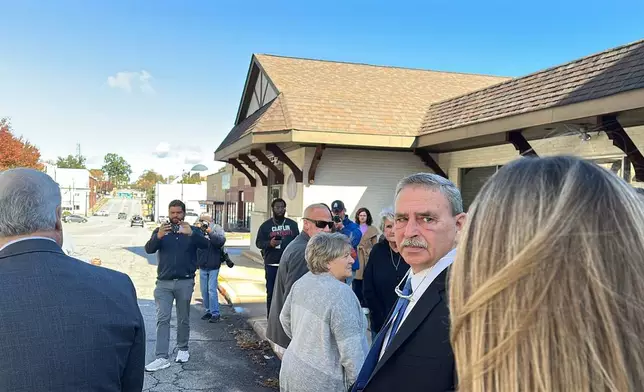
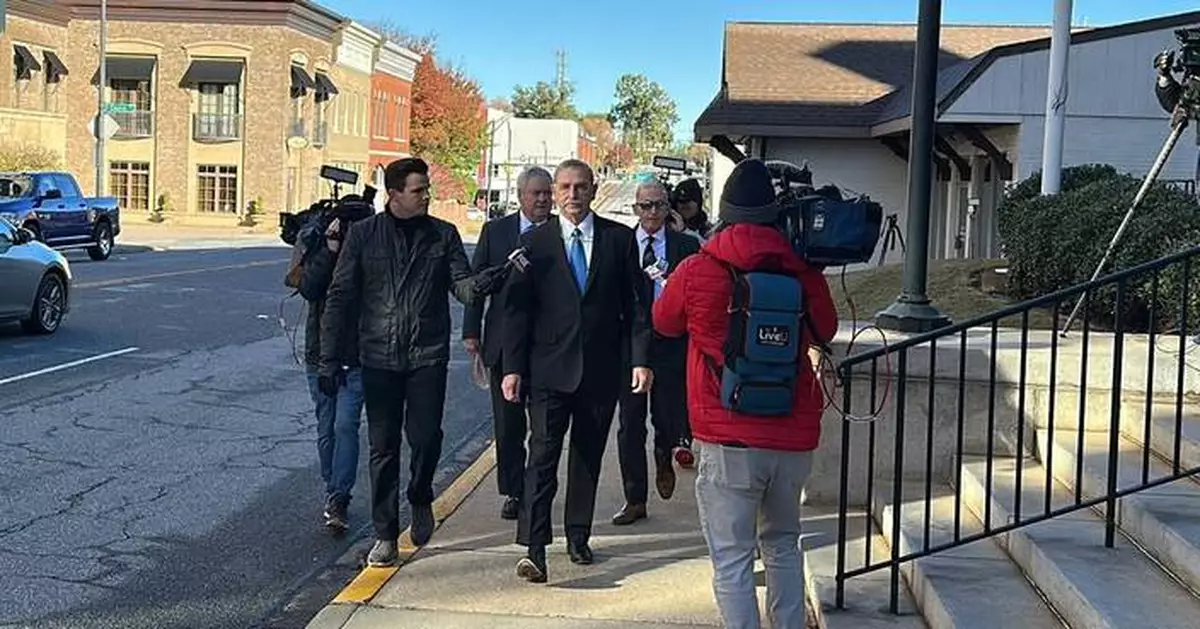
Former Spartanburg County Sheriff Chuck Wright walks out of court after pleading guilty to theft and conspiracy charges on Thursday, Oct. 30, 2025, in Anderson, S.C. (AP Photo/Jeffrey Collins)

Former Spartanburg County Sheriff Chuck Wright walks out of court after pleading guilty to theft and conspiracy charges on Thursday, Oct. 30, 2025, in Anderson, S.C. (AP Photo/Jeffrey Collins)
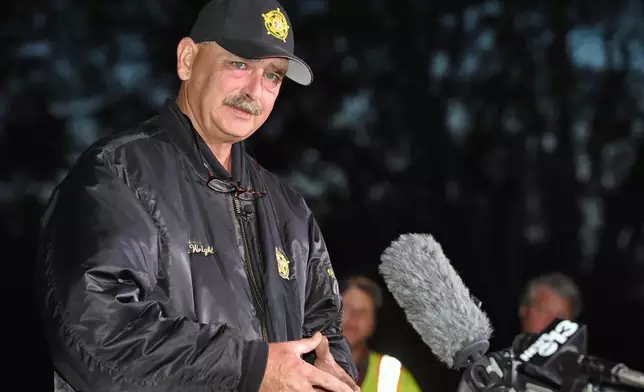
FILE - Spartanburg County Sheriff Chuck Wright speaks during a news conference in front of Todd Kohlhepp's property in Woodruff, S.C., Nov. 6, 2016. (AP Photo/Richard Shiro, File)
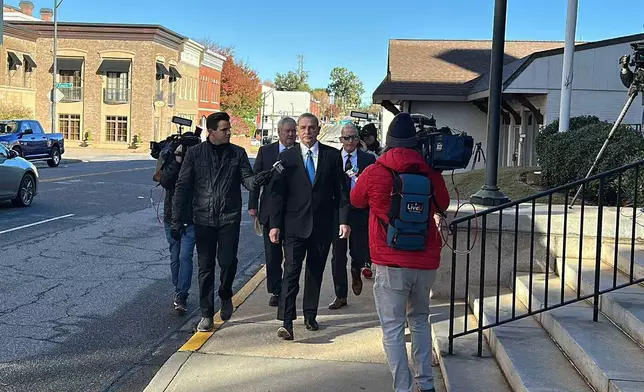
Former Spartanburg County Sheriff Chuck Wright is asked a question as he walks into a federal courthouse to plead guilty in Anderson, S.C., Thursday, Oct. 30, 2025. (AP Photo/Jeffrey Collins)
In a statement released by his lawyers, Wright, 60, said he lived the American dream after leaving his abusive home when he was 16 to work and live with the fire department, rising to be sheriff of the county where he was born.
“I squandered that dream job through my actions and for that I simply ask that the people of Spartanburg and my brothers and sisters in law enforcement forgive me,” Wright said, adding he takes full responsibility, will accept his sentence and will never work in law enforcement again.
The maximum penalty for the three counts combined is nearly 30 years, although Wright will likely receive a much lighter sentence. He also will have to pay at least $440,000 in restitution. A sentencing date has not been set.
Wright is at least the 12th sheriff in South Carolina to be convicted or to plead guilty to on-duty crimes in the past 15 years, for misconduct including extorting drug dealers, having inmates work at their homes, and hiring a woman and pressuring her to have sex.
Sheriffs run the law enforcement organizations in the state's 46 counties. South Carolina law gives the elected officials wide latitude over how their money is spent, what crimes their agencies concentrate on stopping and who gets hired and fired. They also provide little oversight beyond a vote by the people of each county every four years.
Beyond abusing power, there is little in common among the convicted sheriffs. They've been in small rural agencies and big, urban ones. There was a scheme to create false police reports to help clients of a friend's credit repair business. A sheriff took bribes to keep a restaurant owner's employees from being deported. One covered up an illegal arrest. And another punched a woman in the face and stole her cellphone.
State and federal agents investigated Wright and many of the other convicted sheriffs. U.S. Attorney Bryan Stirling said lawlessness, even among the powerful, isn't tolerated.
“Fighting corruption is what we should do in law enforcement,” Stirling said outside court. “Nothing make a law enforcement officer madder than seeing police cross the line.”
In Wright's case, the former sheriff, along with the agency's chaplain who also pleaded guilty Thursday, plundered the fund meant to help deputies who face financial difficulties. Wright once said he needed cash to send an officer to Washington to honor a deputy killed in the line of duty. Instead the money went in his own pocket, federal prosecutors said.
Most of Wright's crimes happened as he dealt with an addiction to painkillers. Wright offered to take and dispose of close to 150 unneeded pills from friends for deputies who died or recovered from illnesses and then kept them for himself, authorities said.
Wright also used a blank check from the benevolence fund to pay for oxycodone and hydrocodone pills, writing it out to his dealer, according to court records.
Wright additionally faces more than 60 charges of ethics violations for using his county-issued credit card for personal expenses. In all, there was more than $50,000 in disputed spending, including more than $1,300 he allegedly spent at Apple's app store and almost $1,600 he paid for Sirius/XM radio, according to county spending records first obtained by The Post and Courier.
State agents also investigated Wright, but local prosecutors decide not to charge him saying the federal penalties — possible prison time and restitution payments — were greater.
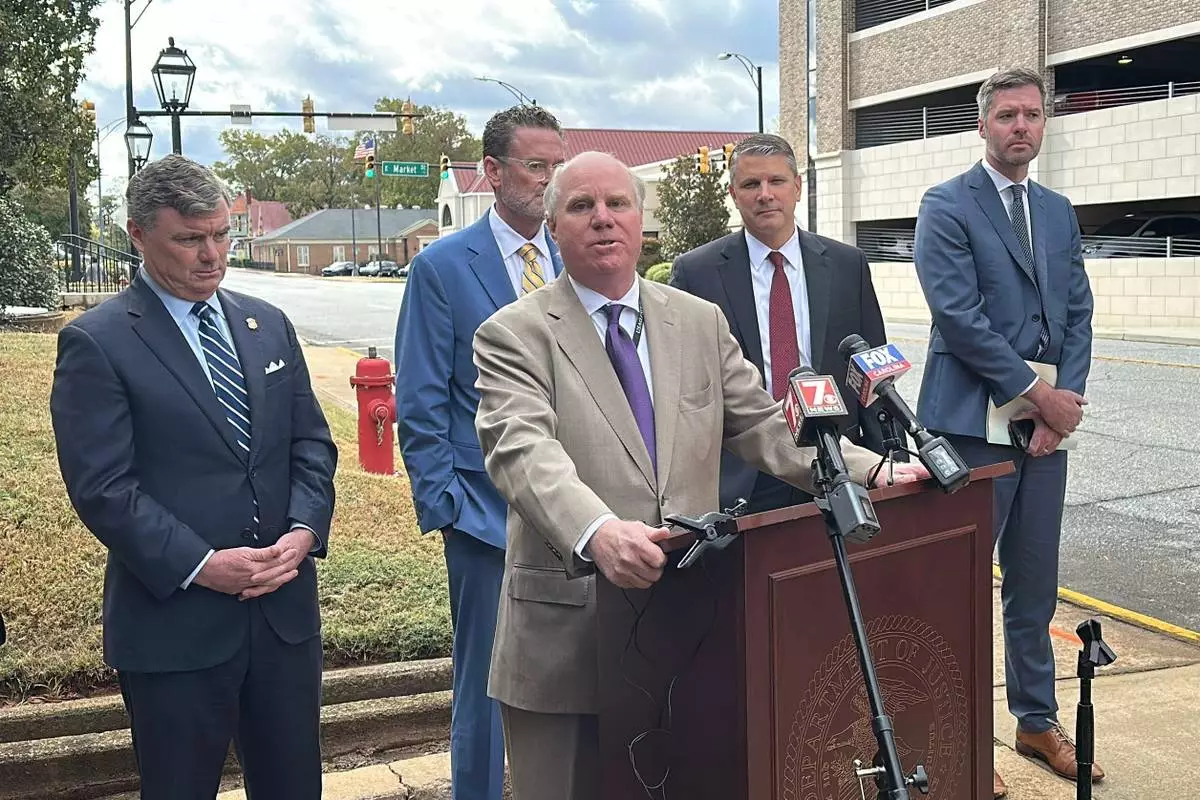
Assistant U.S. Attorney Lothrop Morris speaks about his role as lead prosecutor against former Spartanburg County Sheriff Chuck Wright after Wright pleaded guilty to theft and conspiracy charges on Thursday, Oct. 30, 2025, in Anderson, S.C. (AP Photo/Jeffrey Collins)
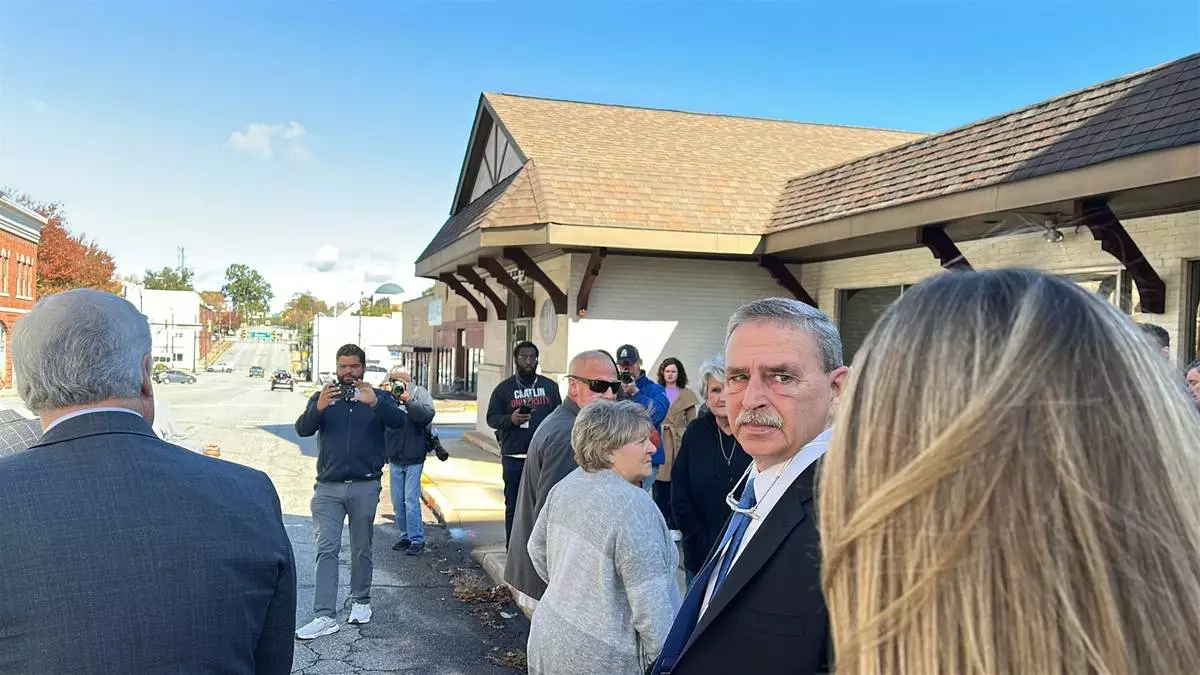
Former Spartanburg County Sheriff Chuck Wright walks out of court after pleading guilty to theft and conspiracy charges on Thursday, Oct. 30, 2025, in Anderson, S.C. (AP Photo/Jeffrey Collins)
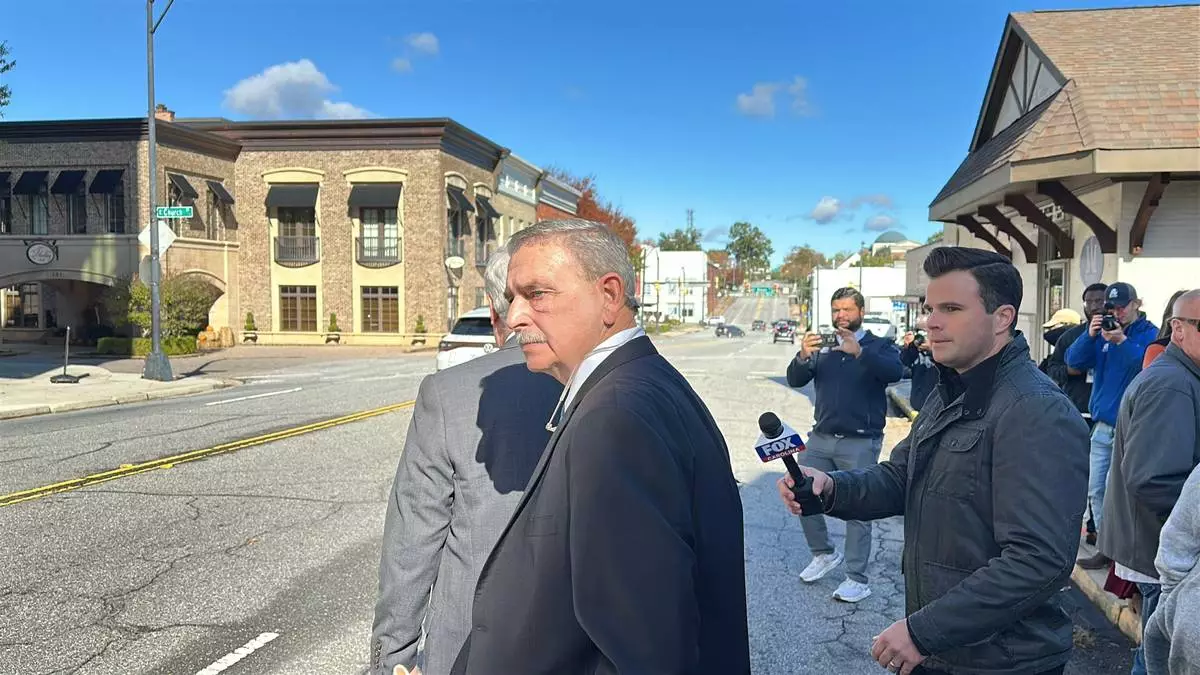
Former Spartanburg County Sheriff Chuck Wright walks out of court after pleading guilty to theft and conspiracy charges on Thursday, Oct. 30, 2025, in Anderson, S.C. (AP Photo/Jeffrey Collins)
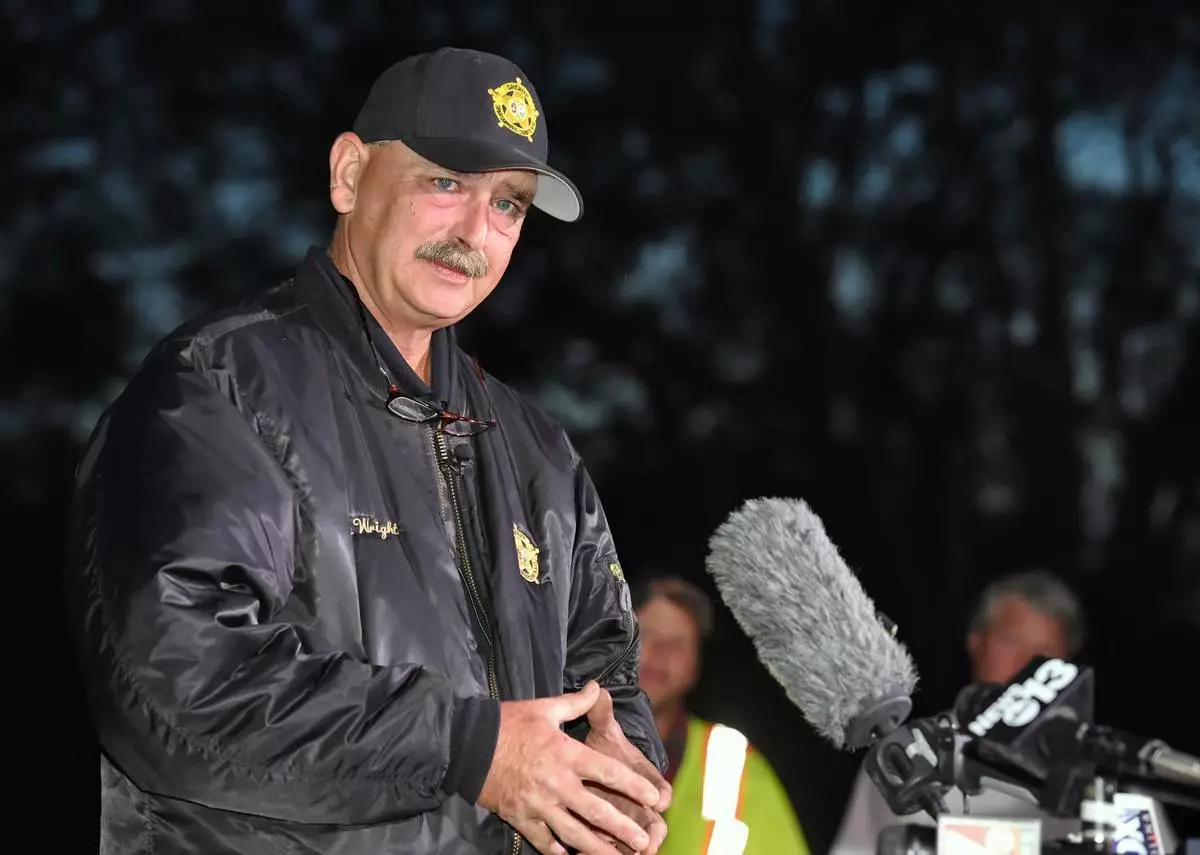
FILE - Spartanburg County Sheriff Chuck Wright speaks during a news conference in front of Todd Kohlhepp's property in Woodruff, S.C., Nov. 6, 2016. (AP Photo/Richard Shiro, File)
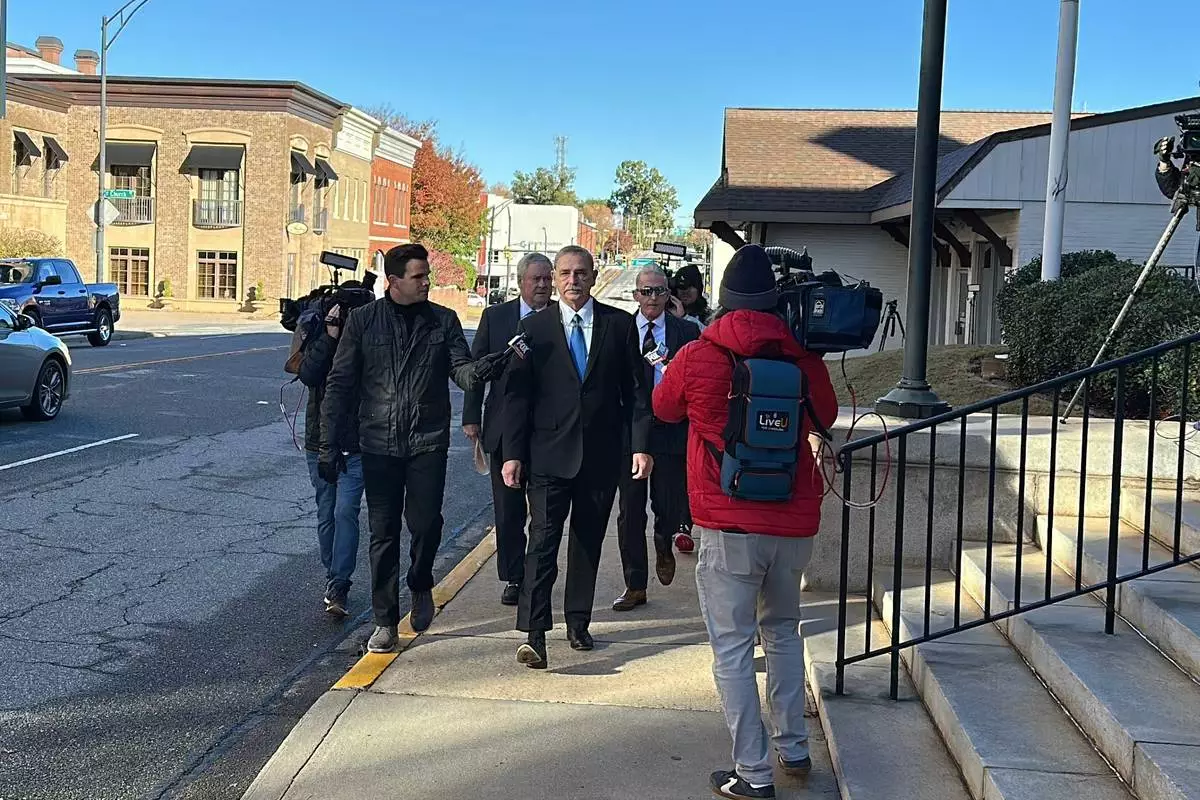
Former Spartanburg County Sheriff Chuck Wright is asked a question as he walks into a federal courthouse to plead guilty in Anderson, S.C., Thursday, Oct. 30, 2025. (AP Photo/Jeffrey Collins)