DAR ES SALAAM, Tanzania (AP) — Hundreds of demonstrators faced off with police in Tanzania's commercial capital Friday to demand the national electoral body stop announcing election results that have sparked protests, leading to the deployment of the military and an internet shutdown. The U.N said it had received credible reports that 10 people had died in the protests.
State television was broadcasting the mainland results of Wednesday's vote in which the Chama Cha Mapinduzi party that has governed Tanzania since independence in 1961 was seeking to extend its time in power.
Click to Gallery

Tanzanian President Samia Suluhu Hassan casts her vote during the general elections at Chamwino polling station in Dodoma, Tanzania, Wednesday, Oct. 29, 2025. (AP Photo)
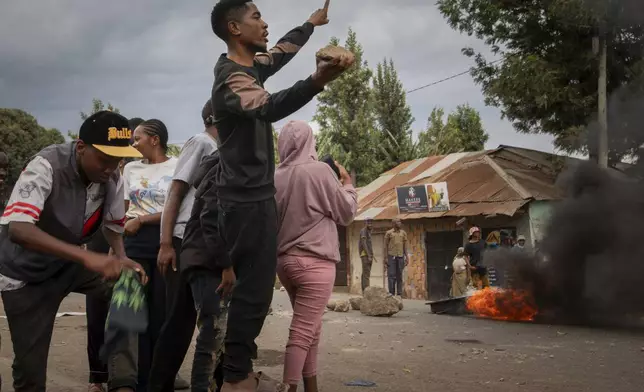
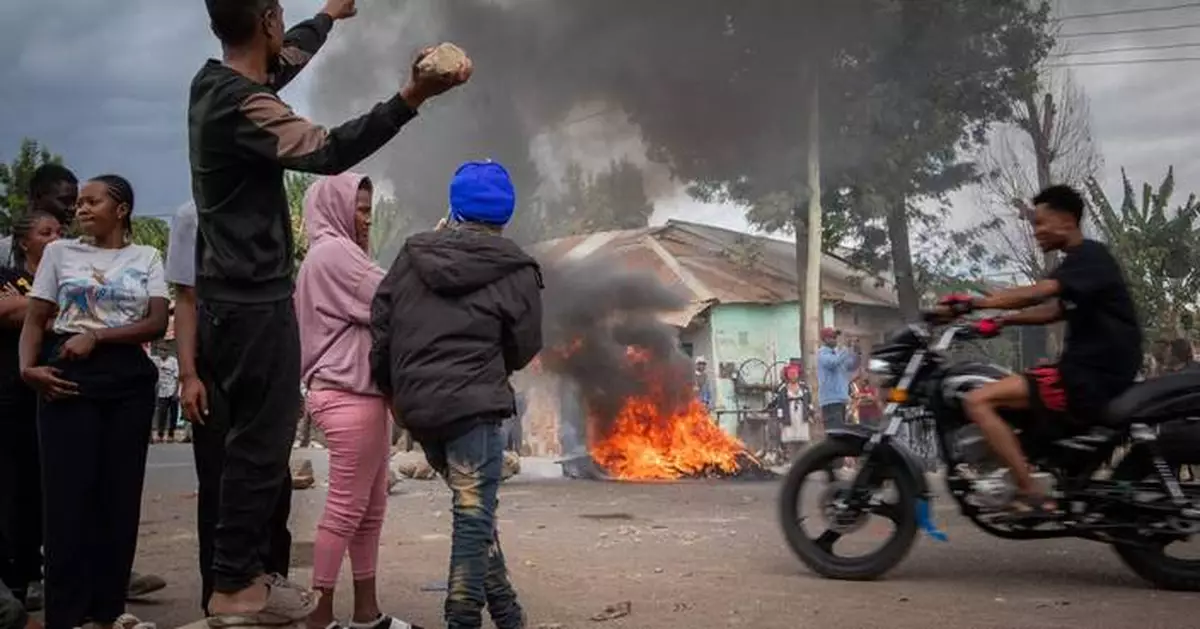
People protest in the streets of Arusha, Tanzania, on election day Wednesday, Oct. 29, 2025. (AP Photo/str)
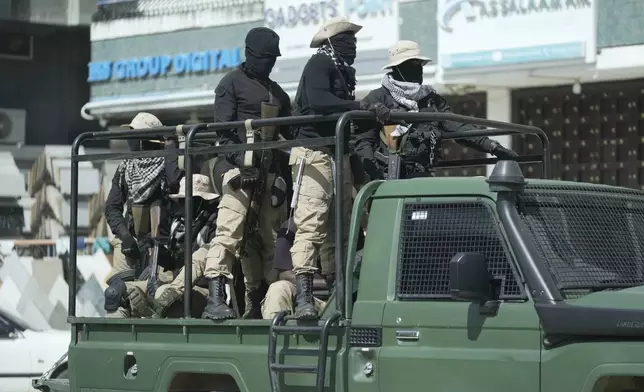
Police patrol the streets on election day in Zanzibar, Tanzania, Thursday, Oct. 30, 2025. (AP Photo)
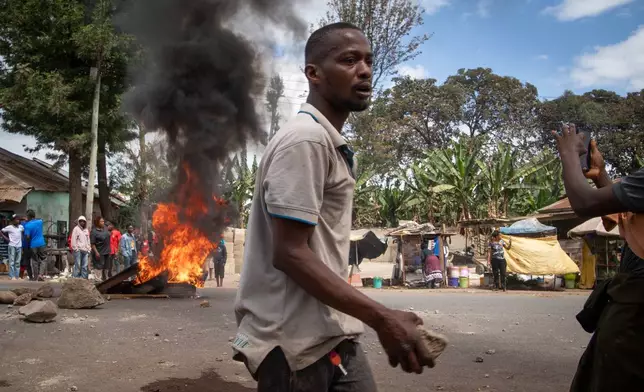
People protest in the streets of Arusha, Tanzania, on election day Wednesday, Oct. 29, 2025. (AP Photo/str)
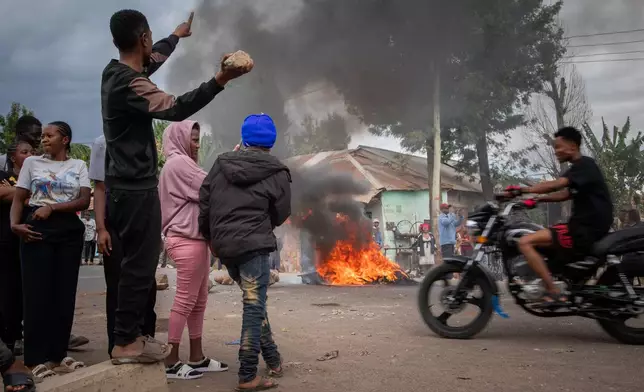
People protest in the streets of Arusha, Tanzania, on election day Wednesday, Oct. 29, 2025. (AP Photo/str)
Presidential candidates from the two main opposition parties were barred from running, and incumbent President Samia Suluhu Hassan faced 16 other candidates from smaller parties who hardly campaigned.
The political maneuvering by Tanzanian authorities is unprecedented even in a country where single-party rule has been the norm since the advent of multi-party politics in 1992. Government critics point out that previous leaders tolerated opposition while maintaining a firm grip on power, whereas Hassan is accused of leading with an authoritarian style that rejects calls for change that are upending politics elsewhere in the region.
The CCM retained the presidential seat in the semi-autonomous archipelago of Zanzibar, which remained calm Friday with a heavy military presence. The electoral commission said incumbent President Hussein Mwinyi won 78.8% of the votes there.
The opposition said there was “massive fraud” in Zanzibar's results and announced it would reveal its next steps.
Hundreds of protesters faced off with police in the nation's commercial capital, Dar es Salaam, on the third day of protests Friday.
A spokesman for the U.N. human rights office, Seif Magango, told a U.N. briefing in Geneva by video from Nairobi that credible reports of 10 deaths had been reported in the commercial capital of Dar es Salaam, alongside Shinyanga and Morogoro towns.
“We call on the security forces to refrain from using unnecessary or disproportionate force, including lethal weapons, against protesters, and to make every effort to deescalate tensions. Protesters should demonstrate peacefully," he said.
Magango called for the reinstatement of the internet saying "curtailment of communication will only further undermine public trust in the electoral process.”
Chaos erupted Wednesday afternoon as young people took to the streets to protest the harassment of opposition leaders and their limited election choices. Several vehicles, a gas station, and police stations were set ablaze by protesters.
The government has not commented on the extent of the damage or any casualties. Amnesty International reported that two people were killed during Wednesday’s protests.
The protests have spread across the country, and the government has postponed the reopening of colleges and universities, which had been set for next Monday.
The army chief, Gen. Jacob John Mkunda, condemned the violence and said Thursday the military would work with other security agencies to contain the situation.
Tanzanians in the diaspora have been hosting daily X Spaces to analyze the protests and discuss ways of financially supporting the demonstrators.

Tanzanian President Samia Suluhu Hassan casts her vote during the general elections at Chamwino polling station in Dodoma, Tanzania, Wednesday, Oct. 29, 2025. (AP Photo)
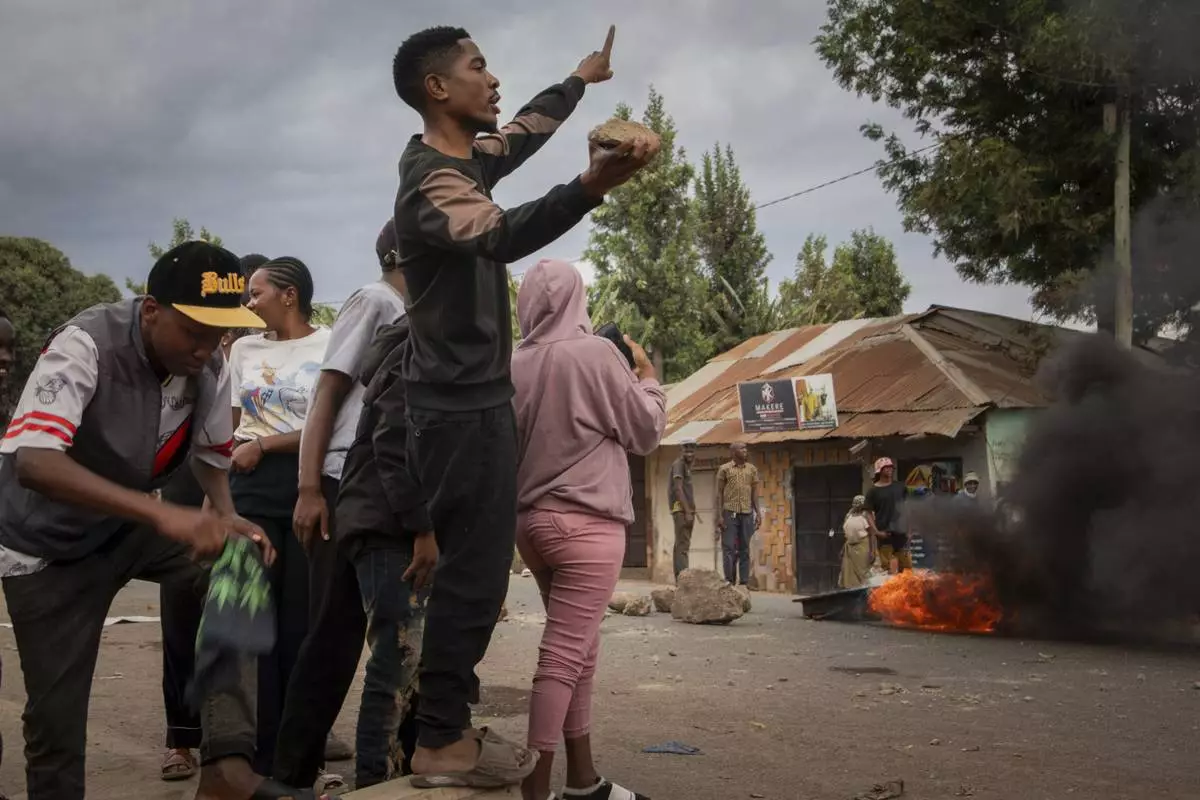
People protest in the streets of Arusha, Tanzania, on election day Wednesday, Oct. 29, 2025. (AP Photo/str)
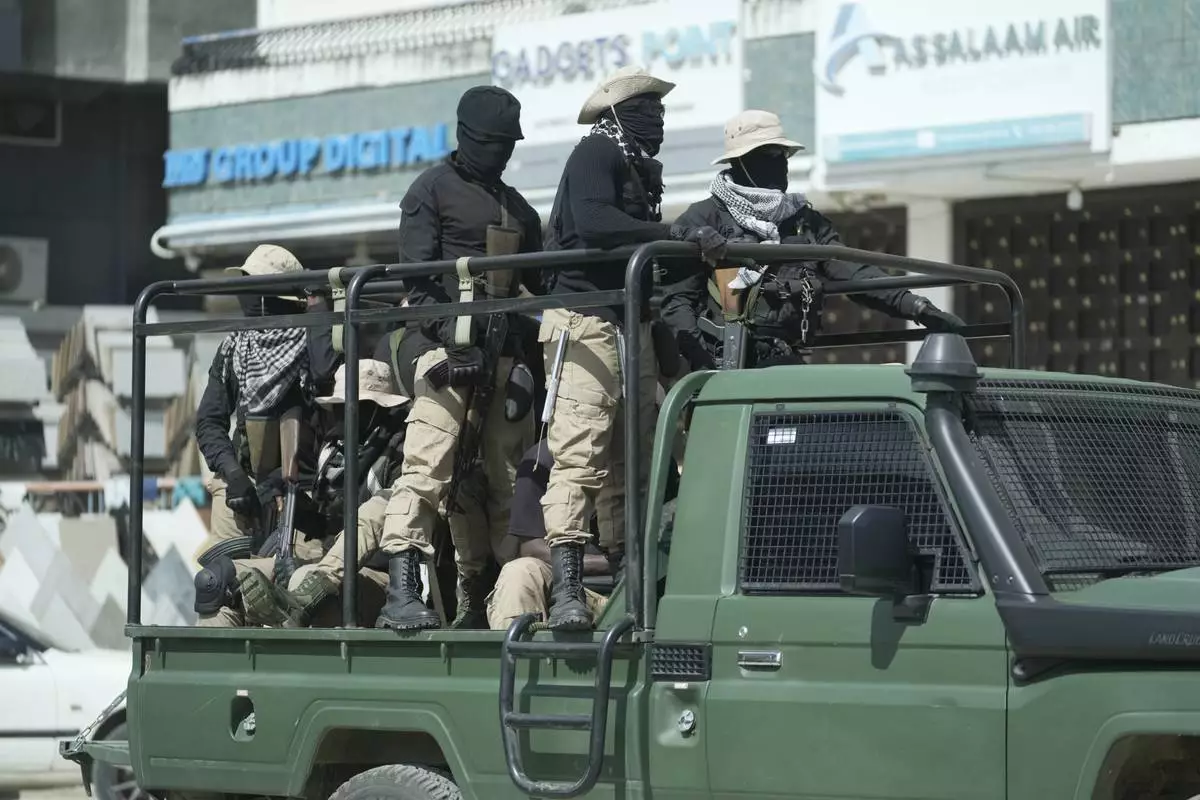
Police patrol the streets on election day in Zanzibar, Tanzania, Thursday, Oct. 30, 2025. (AP Photo)
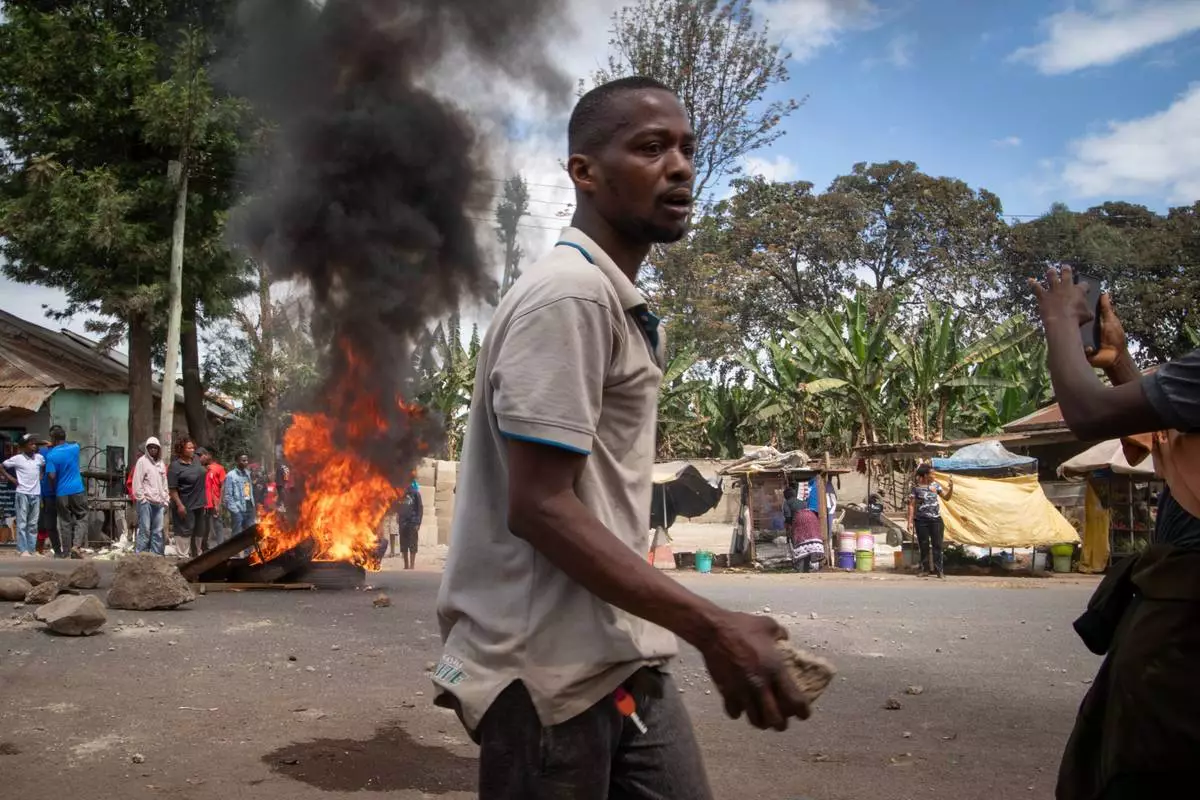
People protest in the streets of Arusha, Tanzania, on election day Wednesday, Oct. 29, 2025. (AP Photo/str)
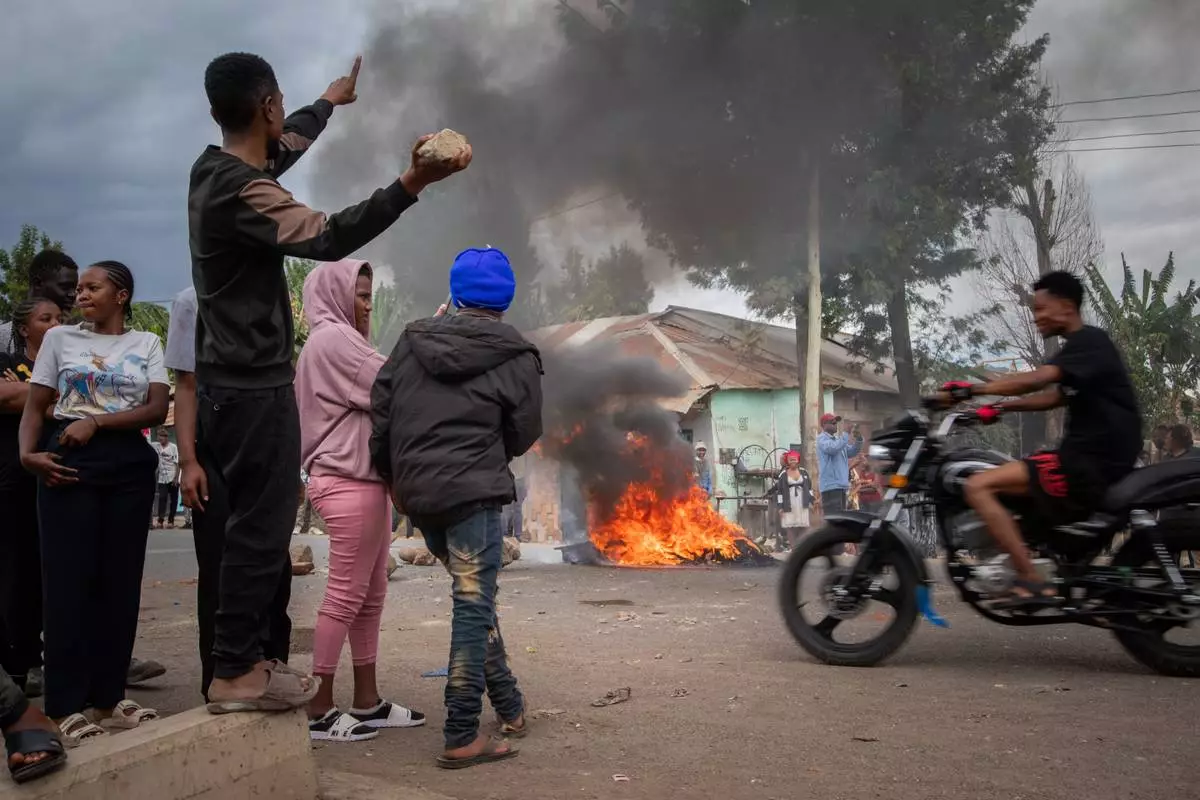
People protest in the streets of Arusha, Tanzania, on election day Wednesday, Oct. 29, 2025. (AP Photo/str)