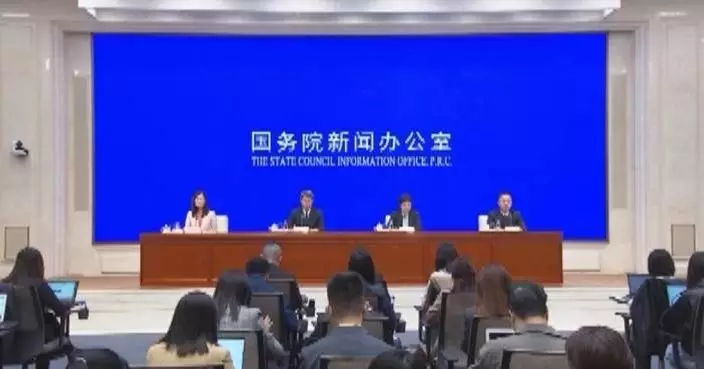
Chinese Vice Premier He Lifeng co-chaired the 29th session of the committee for regular meetings between the Chinese and Russian heads of government, together with Russian Deputy Prime Minister Dmitry Chernyshenko, on Sunday in Ningbo, Zhejiang Province
He said that since the beginning of this year, the heads of state of the two countries have reached a new, important consensus on deepening bilateral strategic coordination and practical cooperation in various fields.
Click to Gallery
China, Russia hold 29th session of committee for regular meetings between heads of gov't
China, Russia hold 29th session of committee for regular meetings between heads of gov't
China, Russia hold 29th session of committee for regular meetings between heads of gov't
China, Russia hold 29th session of committee for regular meetings between heads of gov't
China, Russia hold 29th session of committee for regular meetings between heads of gov't
Under the guidance of the two heads of state, the China-Russia cooperation mechanism has been improved continuously, exchanges have grown closer, bilateral economic and trade cooperation has maintained steady development, key projects have been advanced steadily, and cooperation in relevant fields has been carried out in an orderly manner and achieved fruitful results, he said.
He noted that China is willing to work with Russia to follow the important consensus reached between the two heads of state, continue giving play to the role of the committee for regular meetings between the Chinese and Russian heads of government, promote bilateral mutually beneficial cooperation further in various fields, oppose unilateralism and trade protectionism, and safeguard the multilateral trade system.
Noting that Russia-China relations are at their best level in history, with practical cooperation achieving fruitful results in various fields, Chernyshenko said Russia is willing to work with China to enhance their cooperation level, expand the areas and tap the potential of cooperation, and inject new impetus into the Russia-China comprehensive strategic partnership of coordination for a new era.
Relevant government departments on both sides have carried out in-depth communication and exchanges on cooperation in related fields, and produced a series of cooperation achievements and consensuses.
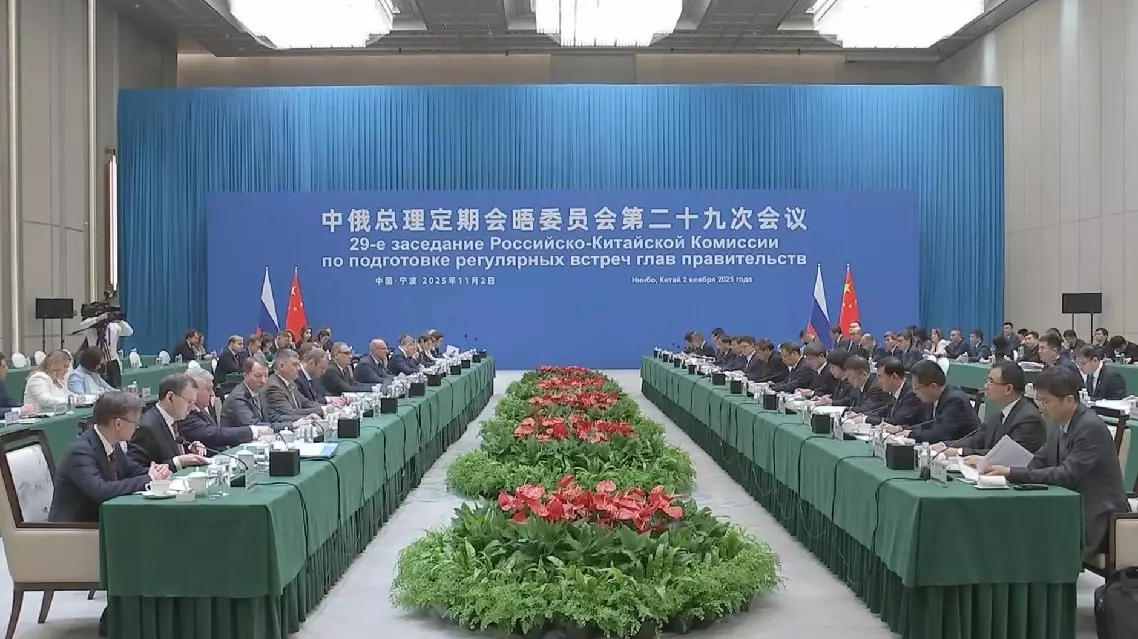
China, Russia hold 29th session of committee for regular meetings between heads of gov't
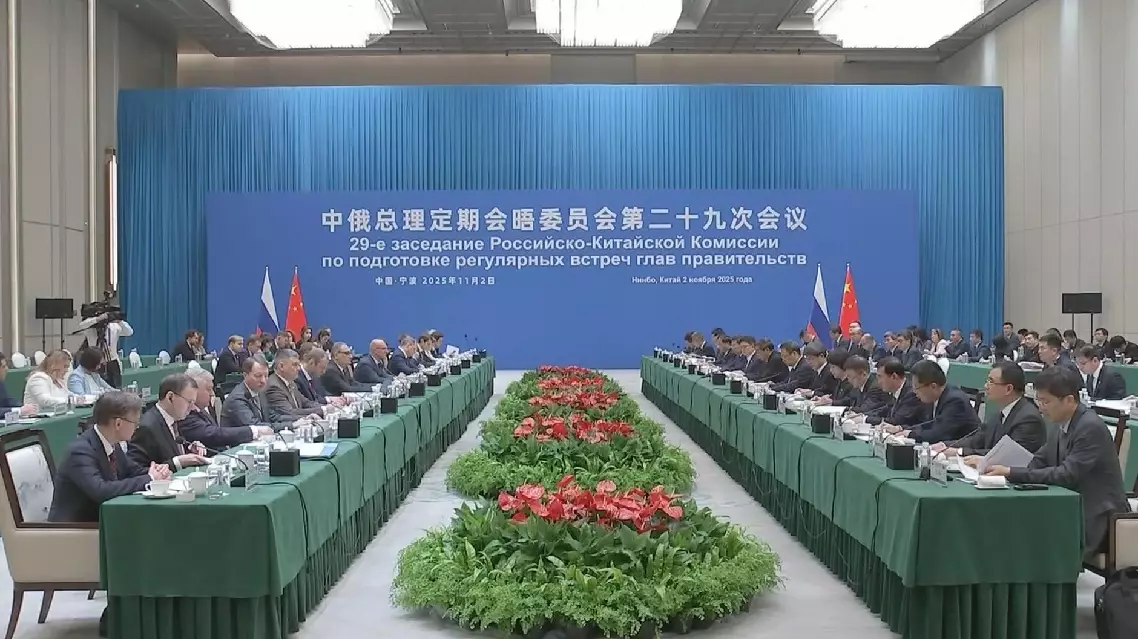
China, Russia hold 29th session of committee for regular meetings between heads of gov't
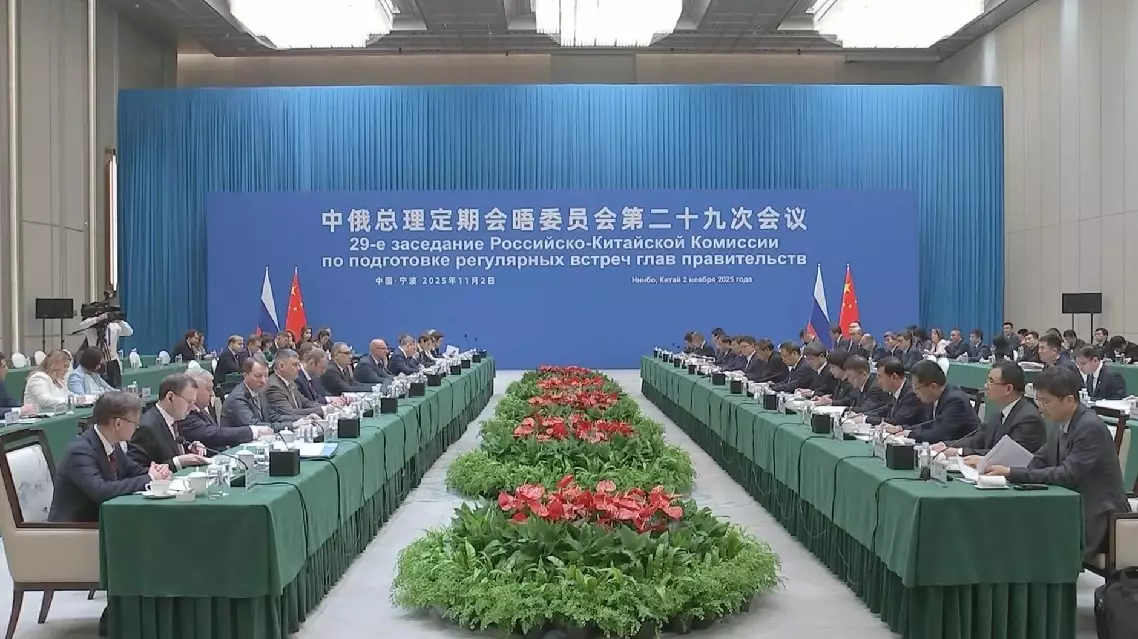
China, Russia hold 29th session of committee for regular meetings between heads of gov't
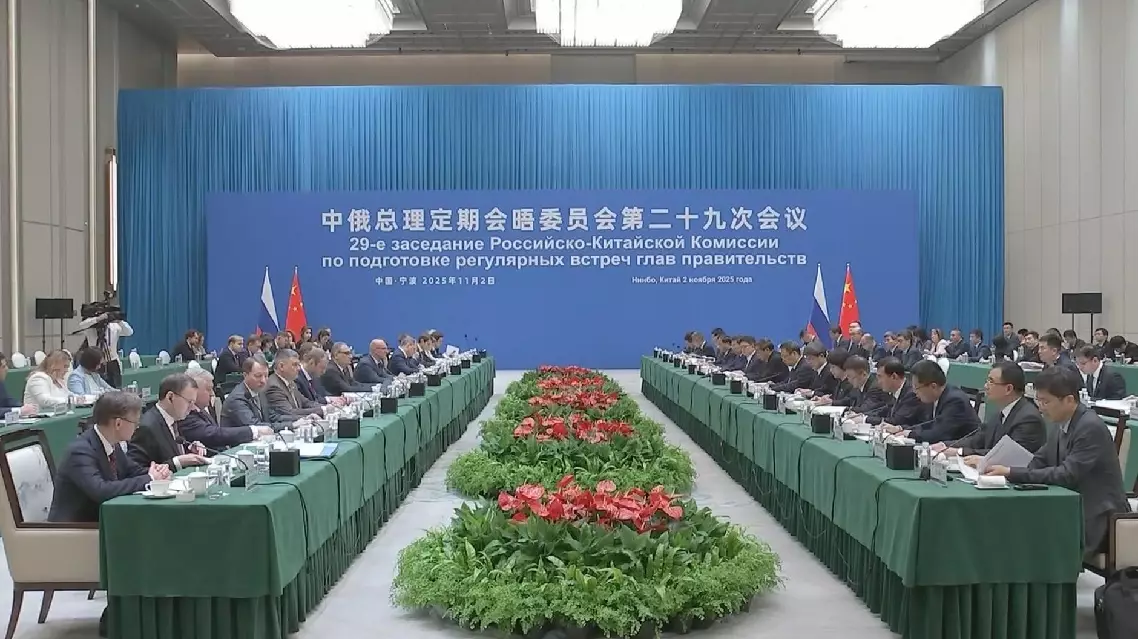
China, Russia hold 29th session of committee for regular meetings between heads of gov't
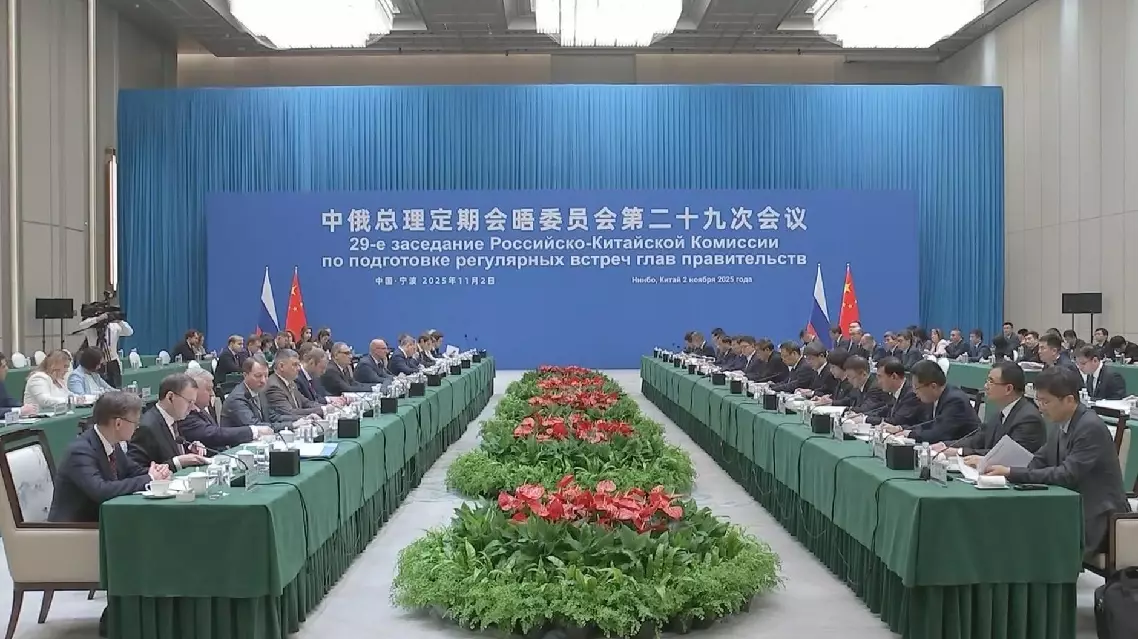
China, Russia hold 29th session of committee for regular meetings between heads of gov't
Pakistan on Monday continued to tighten security in its capital Islamabad ahead of the expected second round of U.S.-Iran talks despite no indication that Iran has changed its mind about staying out of the negotiations with the United States.
Pakistan has placed the capital city and the neighboring garrison city of Rawalpindi on high security alert. On Sunday evening, the Pakistani government announced that ministries, government offices, and related agencies inside the Red Zone would shift to remote work on Monday.
According to police sources, some 20,000 police personnel, supported by hundreds of elite commandos, including snipers, have been deployed on security duty across the twin cities. Similar arrangements were made before the first round of peace talks.
Authorities have also suspended all public and goods transport in Rawalpindi and Islamabad as part of the security plan, while most entry points to the Red Zone have been sealed.
Major hotels, including Serena Hotel and Marriott Hotel, have asked guests to vacate after the government requisitioned the properties for the talks. Hostels and guest houses in the capital were also directed to close until further notice.
Analysts say Pakistan is still working in an effort to bring Washington and Tehran back to the negotiation table.
Pakistan on Sunday abruptly cleared potential venues for the next round of talks, including the Serena Hotel -- a five-star property in the Red Zone -- where the first round was held. Later that evening, Pakistani Prime Minister Shehbaz Sharif held a 45-minute phone call with Iranian President Masoud Pezeshkian.
Outside the Jinnah Convention Centre, which served as the media center for the first round of U.S.-Iran talks, the official backdrop for the negotiations has been put up again. Security personnel at the entrance confirmed that the media center is being rebuilt.
All signs suggest that Pakistan is making maximum preparations for the new round of diplomatic talks.
However, compared to the high-profile approach before the first round of talks, Pakistan's latest security measures, while more extensive, have been accompanied by a notably lower public profile. As of now, there has been no further word on the approval of press credentials.
According to Iranian media, this contrast sends a clear message: Pakistan's role has shifted from "enthusiastic host" to "cautious gatekeeper." Its goal now is to create a tightly controlled, secure, and media-free space where the main protagonists -- the United States and Iran -- can focus on building mutual trust.
On Feb. 28, Israel and the United States launched joint attacks on Tehran and other Iranian cities, killing Iran's then-Supreme Leader Ali Khamenei, senior commanders, and civilians. Iran responded with waves of missile and drone strikes targeting Israel and U.S. bases and assets in the Middle East.
A ceasefire between the United States and Iran took effect on April 8. Iranian and U.S. delegations then held talks in Islamabad on April 11 and 12, but no progress was reported.
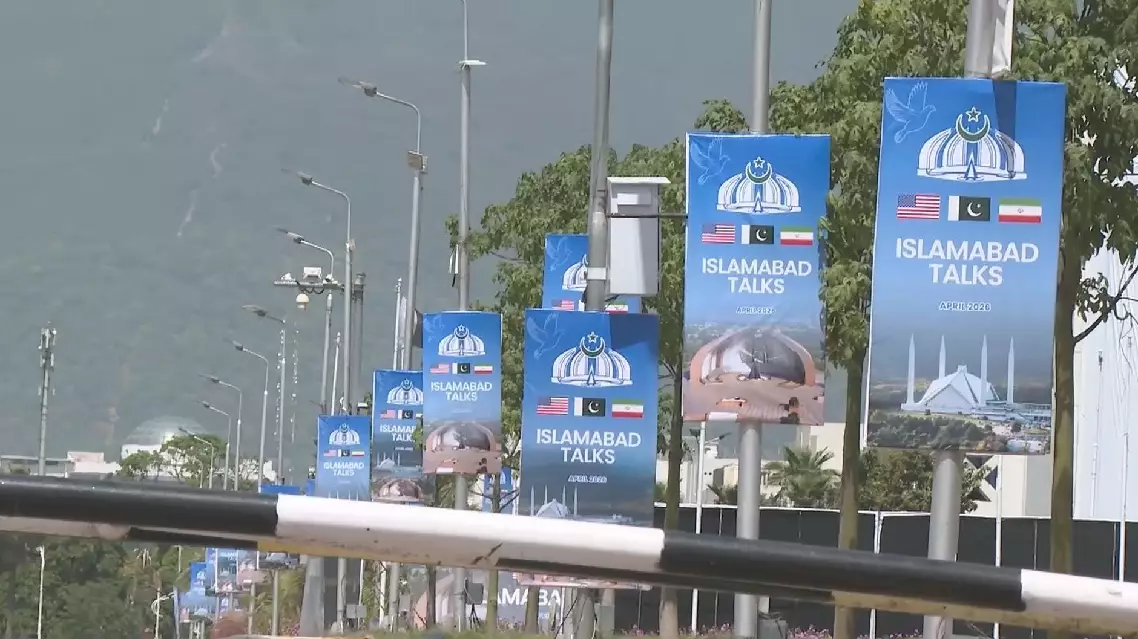
Pakistan tightens security in capital ahead of expected 2nd round of US-Iran talks