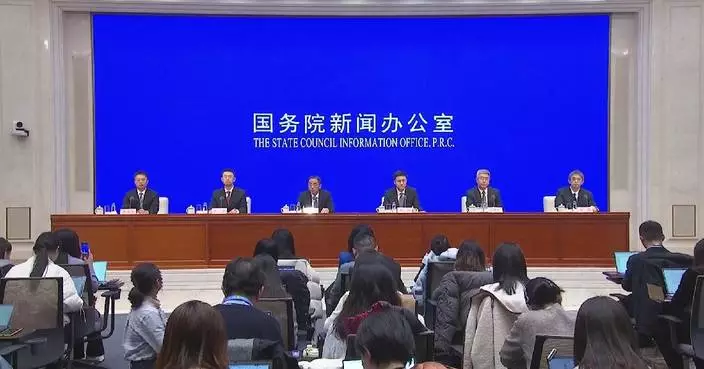
The participation of Chinese President Xi Jinping at more than 10 bilateral and multilateral events during the 32nd APEC Economic Leaders' Meeting and his state visit to the Republic of Korea (ROK) has guided the Asia-Pacific cooperation, demonstrated the responsibility of a major country and consolidated good-neighborly friendship, Chinese Foreign Minister Wang Yi has said.
Wang, also a member of the Political Bureau of the Communist Party of China Central Committee, made the remarks while briefing reporters on the conclusion of Xi's trip.
At the invitation of President Lee Jae-myung of the ROK, Chinese President Xi Jinping attended the 32nd APEC Economic Leaders' Meeting in Gyeongju and paid a state visit to the ROK from Thursday to Saturday.
President Xi on Friday delivered a speech at the first session of the 32nd APEC Economic Leaders' Meeting under the title "Building an Inclusive Open Asia-Pacific Economy for All."
"The rougher the seas, the more we must pull together. We should stay true to APEC's founding mission to promote economic growth and improve people's lives, and champion open development where everyone shares opportunities and emerges a winner. We should promote a universally beneficial and inclusive economic globalization, and build an Asia-Pacific community," said Xi.
Xi called for joint efforts to safeguard the multilateral trading system, build an open economic environment in the region, keep industrial and supply chains stable and smooth, advance the digital and green transformation of trade, as well as promote universally beneficial and inclusive development.
During the visit, Xi also elaborated on the guiding principles of the fourth plenary session of the 20th Central Committee of the Communist Party of China through various forms, including bilateral talks, meetings, public addresses and written speeches.
"President Xi Jinping has mentioned China's 15th Five-Year Plan on multiple international occasions, aiming to send a clear signal to the world: China isn't focused solely on its own growth. Instead, through its stability and upgrades, it seeks to bring more cooperation space and development dividends for countries across the world, especially the economies in the Asia-Pacific region, so as to practice true multilateralism and achieve win-win results," said Xiang Haoyu, a distinguished research fellow at the Department for Asia-Pacific Studies of the China Institute of International Studies.
Xi delivered a written speech at the APEC CEO Summit on Friday under the title "Putting the Asia Pacific at the Forefront of the Joint Endeavor for World Development and Prosperity."
At the second session of the 32nd APEC Economic Leaders' Meeting on Saturday, Xi delivered a speech under the title "Jointly Forging a Sustainable and Brighter Future."
Asia Pacific economies must enhance mutually beneficial cooperation, make good use of new opportunities, stand up to new challenges, and forge a sustainable and brighter future together, said Xi, making three propositions: Further unleashing the potential of digital and smart development to give the Asia Pacific region a fresh edge in innovation-driven development; staying committed to green and low-carbon development to build a new paradigm for sustainable development in the Asia Pacific region; and building an inclusive and universally beneficial future to foster a new dynamism in the inclusive growth of the Asia Pacific.
The leaders on Saturday adopted the Gyeongju Declaration as they concluded the two-day meeting on deepening cooperation for a sustainable future.
Alongside the declaration, the leaders also adopted two separate documents -- the APEC Artificial Intelligence Initiative and the APEC Collaborative Framework for Demographic Changes.
At the APEC chairmanship handover session of the 32nd APEC Economic Leaders' Meeting on Saturday, Xi said that the Chinese city of Shenzhen will host the APEC Economic Leaders' Meeting in November 2026.
"China will host the 33rd APEC Economic Leaders' Meeting in the Chinese city of Shenzhen in Guangdong Province in November 2026. We look forward to all parties gathering in Shenzhen next year," said Xi.
Xi and U.S. President Donald Trump had an in-depth exchange of views on major issues concerning the China-U.S. relationship and world peace and development in Busan on Thursday, where Xi pointed out that the two countries are fully able to help each other succeed and prosper together.
"Given different national conditions, the two sides do not always see eye to eye with each other, and it is normal for the two leading economies of the world to have frictions now and then. Mr. President and I are at the helm of China-U.S. relations. In the face of winds, waves and challenges, we should stay the right course, navigate through the complex landscape, and ensure the steady sailing forward of the giant ship of China-U.S. relations," said Xi.
"It's a great honor to be with a friend of mine, really, for a long time now, the very, very distinguished and respected president of China. And we will be having some discussions. We've already agreed to a lot of things, and we would agree to some more right now. But President Xi is a great leader of a great country, and I think we're going to have a fantastic relationship for a long period of time," said Trump.
The meeting has reinvigorated confidence in the global economy.
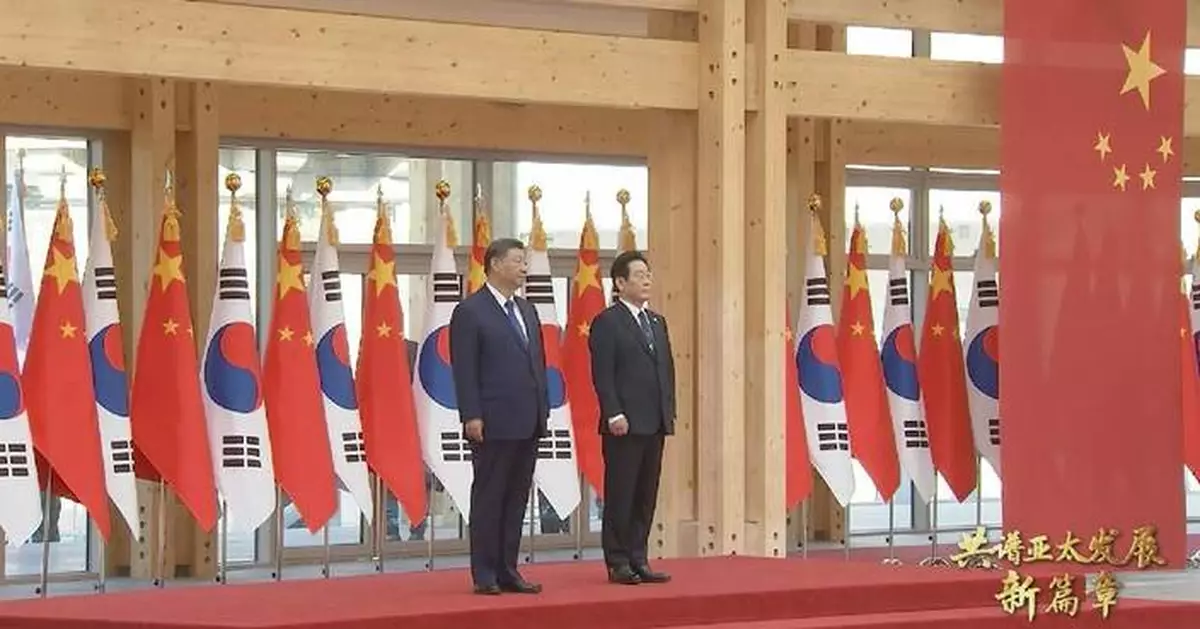
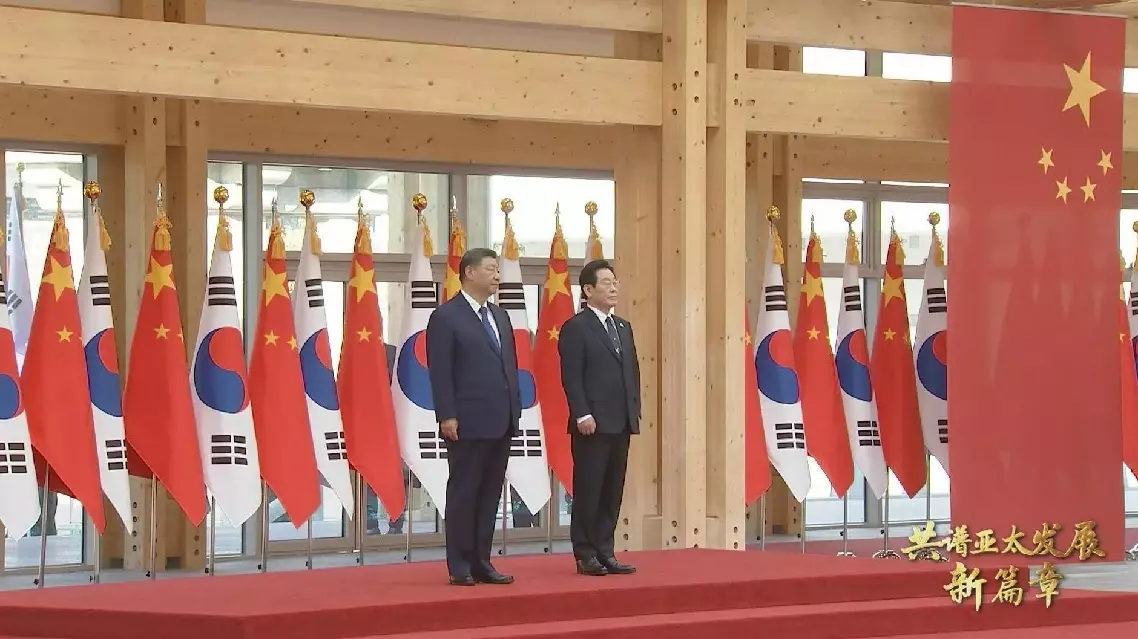
President Xi's just concluded trip to the ROK is his first state visit to the country in 11 years and also the first meeting between the heads of state of China and the ROK since President Lee took office.
"China and the ROK are important neighbors that cannot be moved away and cooperation partners that cannot be separated. Facts have proven that promoting the sound and steady development of China-ROK relations has always been the right choice that serves the fundamental interests of the two peoples and meets the trend of the times," said Xi in talks with Lee in Gyeongju on Saturday.
Xi put forward a four-point proposal for opening up new prospects for China-ROK relations, calling on both sides to enhance strategic communication and consolidate the foundation of mutual trust, to deepen mutually beneficial cooperation and tighten the bond of interests, to strengthen the friendship between the two peoples and bring their hearts closer together, and to strengthen multilateral cooperation and jointly promote peace and development.
Xi said that China values its relations with the ROK and maintains consistency and stability in its policy toward the country, noting that China is ready to enhance communication with the ROK, deepen cooperation, expand common interests, and tackle challenges together, ensuring the steady and long-term development of the China-ROK strategic cooperative partnership.
For his part, Lee said he warmly welcomed President Xi on his state visit to the ROK after 11 years, underscoring its great significance for ROK-China relations.
Since the establishment of their diplomatic relations, the ROK and China have continuously deepened mutually beneficial cooperation across the board, which has boosted economic development in both countries, Lee said.
China's 15th Five-Year Plan outlines the direction and priorities for its economic development in the next five years, Lee said, adding that the ROK is ready to enhance mutually beneficial cooperation with China, keep industrial and supply chains stable, and bring more benefits to the two peoples.
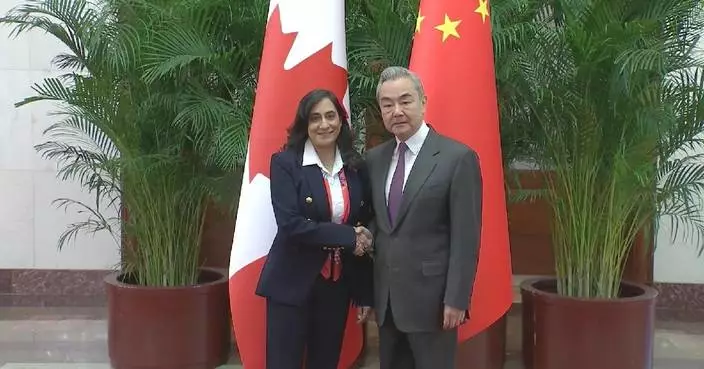
During the trip, Xi also met with the leaders of Canada, Thailand, and Japan, and had friendly exchanges with representatives from other economies to enhance mutual trust, build consensus and promote cooperation.
The visit marks a successful ending for this year's overseas trips by China's head of state which are full of highlights.
Xi's ROK trip promotes Asia-Pacific cooperation, consolidates good-neighborly friendship