PORTLAND, Maine (AP) — Maine voters on Tuesday rejected a suite of Republican-backed changes to the state's voting procedures that have been animating conservatives across the country.
The Maine initiative focused on voter ID and absentee balloting changes and was one of two GOP-led measures — the other in Texas — under consideration by voters that proponents said would safeguard elections. The Maine proposal would have implemented a photo ID requirement for voters, limited the use of drop boxes for returning completed ballots and made changes to the state’s absentee voting system.
Click to Gallery
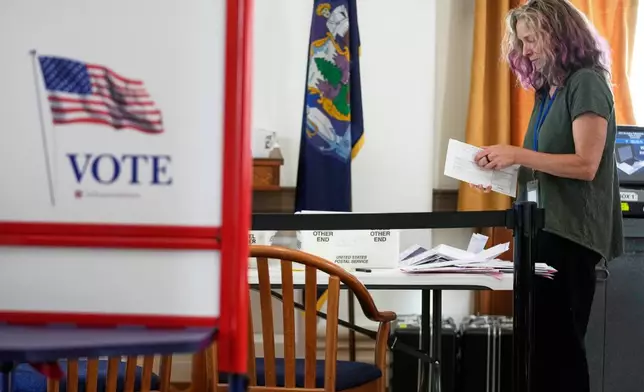
An election official sorts ballots during early voting, Tuesday, Oct. 28, 2025, in Portland, Maine. (AP Photo/Robert F. Bukaty)

Jim McDonald fills out a form for early voting, Tuesday, Oct. 28, 2025, in Portland, Maine. (AP Photo/Robert F. Bukaty)

A stack of State of Maine ballots sits next to an election official's knitting yarn, Tuesday, Nov. 4, 2025, in Sullivan, Maine. (AP Photo/Robert F. Bukaty)
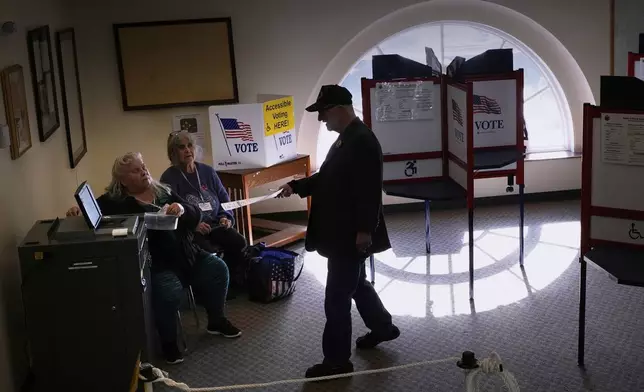
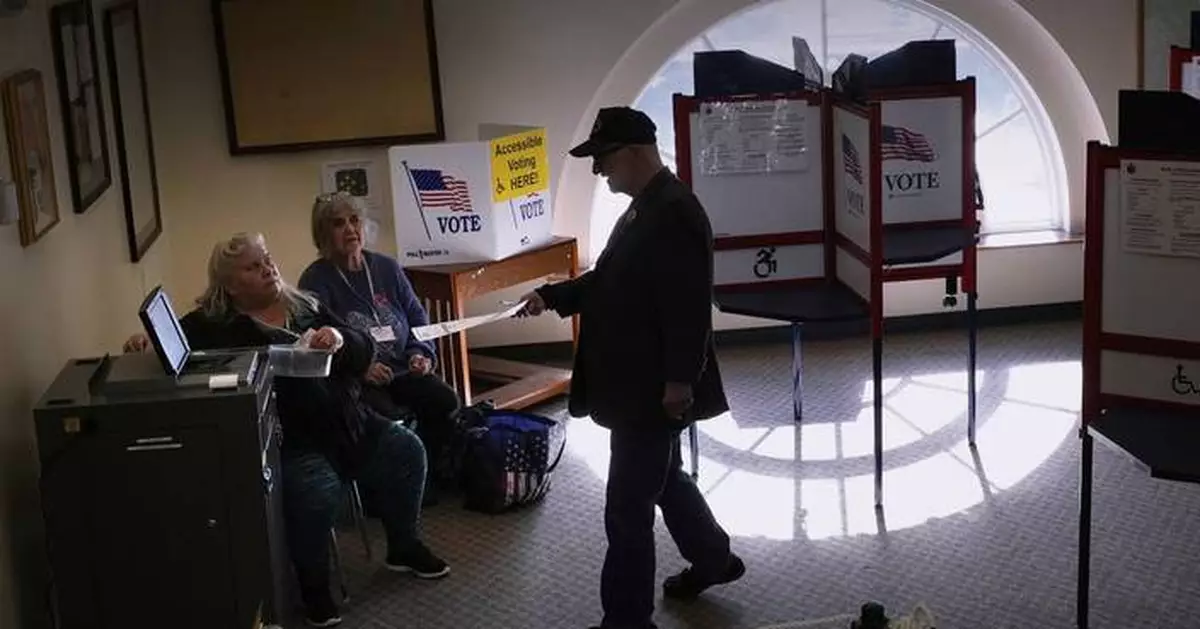
Terry O'Neill casts his ballot while voting at City Hall, Tuesday, Nov. 4, 2025, in Ellsworth, Maine. (AP Photo/Robert F. Bukaty)
Meanwhile, voters in Texas, where Republicans control the government, approved a proposal to amend the state constitution to add “persons who are not citizens of the United States” to the list of those excluded from participating in elections.
Opponents of the measures had argued that they were intended to make voting more difficult or address issues that aren’t major problems.
Voters decided the measures at a time when President Donald Trump and national Republicans have pushed for new voting restrictions. Both initiatives are part of a nationwide Republican push to enact strict voter ID laws and highlight the exceedingly rare problem of noncitizen voting.
National Democrats heralded the defeat of the Maine proposal as a victory for voting rights.
“Question 1 would have ended absentee voting as we know it, further diluting the voting rights of people with disabilities, seniors, and working Mainers who are unable to take the day off from work to vote,” said Democratic National Committee Chair Ken Martin.
Proponents of the Maine voting proposal had accused Maine Secretary of State Shenna Bellows, a Democrat, of writing the ballot question in a deliberately confusing way. They took that argument to the state's highest court and lost in July. On Tuesday, the campaign for voter ID said in a statement that Bellows “weaponized” the ballot question and opponents of the initiative ran a fear-based campaign.
“The opposition claimed that Question 1 would get rid of absentee voting, and centered their campaign on that fiction. Instead of honestly debating the merits of Voter ID, they spread lies and fear, convincing voters to vote against their own interests,” the campaign said in a statement.
Maine Gov. Janet Mills was one of many Democrats in the state who spoke out against the voter ID initiative. She said she saw it less as a chance to shore up elections and more as an attack on the right to vote itself.
The Maine proposal stated that it also would eliminate two days of absentee voting, prohibit requests for absentee ballots by phone or family members and end ongoing absentee voter status for seniors and people with disabilities, among other changes.
The initiative was considered as Maine investigates an allegation that dozens of unmarked ballots, intended for use in this year’s election, were discovered inside a woman’s Amazon order. The secretary of state’s law enforcement division is investigating the discovery with assistance from the FBI and other state authorities, Bellows has said.
The Texas proposal arrived as Republicans in the state have also pushed for proof-of-citizenship proposals for voters. A Texas Senate bill on the subject failed to gain full legislative approval before lawmakers adjourned in June.
Republican state Rep. A.J. Louderback, who pushed for the amendment, said he believes the Texas vote sends a clear message to the U.S. about the importance of ensuring that only citizens vote.
“I hope it’s a very serious turning point in the direction this is going,” he said in a telephone interview. “Hopefully, the rest of the nation will follow.”
Veronikah Warms, voting-rights policy attorney for the Texas Civil Rights Project, said the amendment was a pretext for undermining confidence “in our democratic process” and for vilifying immigrants.
Voters in Texas already must attest to being a citizen when they register to vote. Fourteen other states have attempted similar citizenship voting ballot initiatives in recent years, and all of them passed easily. More are expected next year.
Voting by noncitizens is already illegal and punishable with a felony and possible deportation. A handful of cities across the country allow noncitizens to vote in certain local elections.
Hanna reported from Topeka, Kansas.
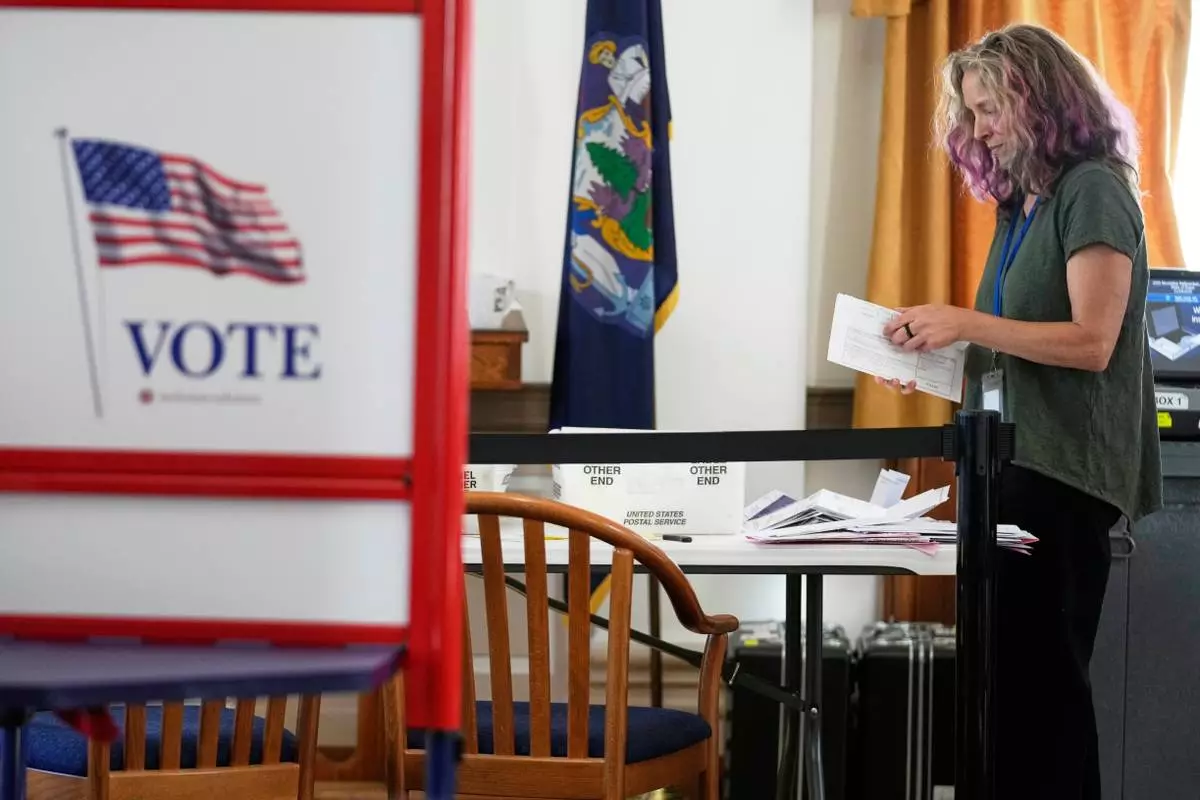
An election official sorts ballots during early voting, Tuesday, Oct. 28, 2025, in Portland, Maine. (AP Photo/Robert F. Bukaty)
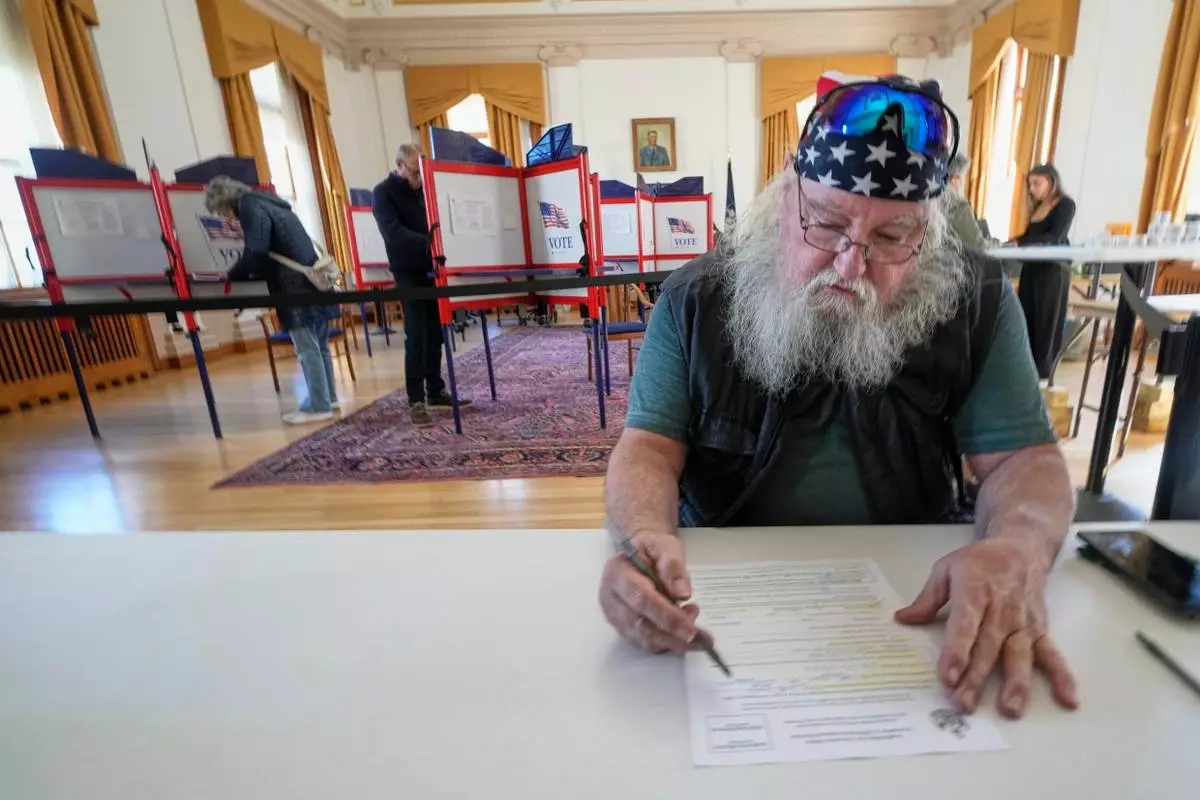
Jim McDonald fills out a form for early voting, Tuesday, Oct. 28, 2025, in Portland, Maine. (AP Photo/Robert F. Bukaty)
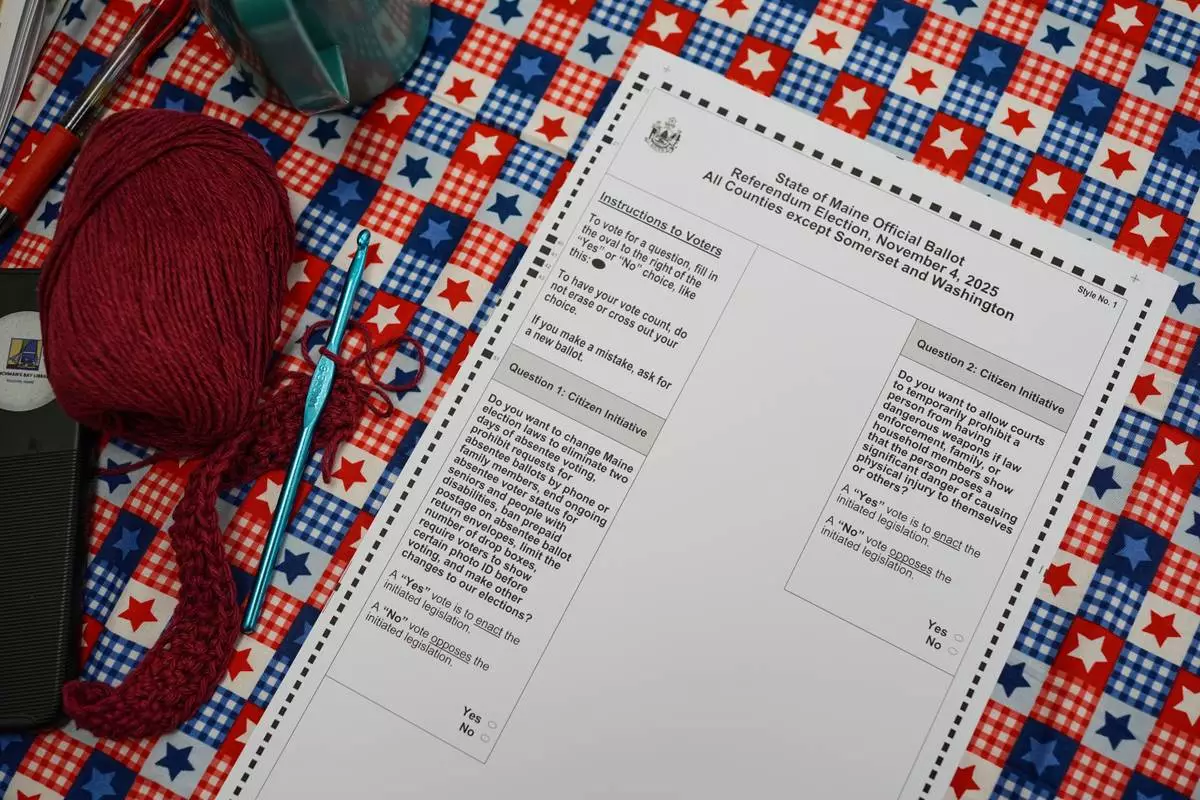
A stack of State of Maine ballots sits next to an election official's knitting yarn, Tuesday, Nov. 4, 2025, in Sullivan, Maine. (AP Photo/Robert F. Bukaty)
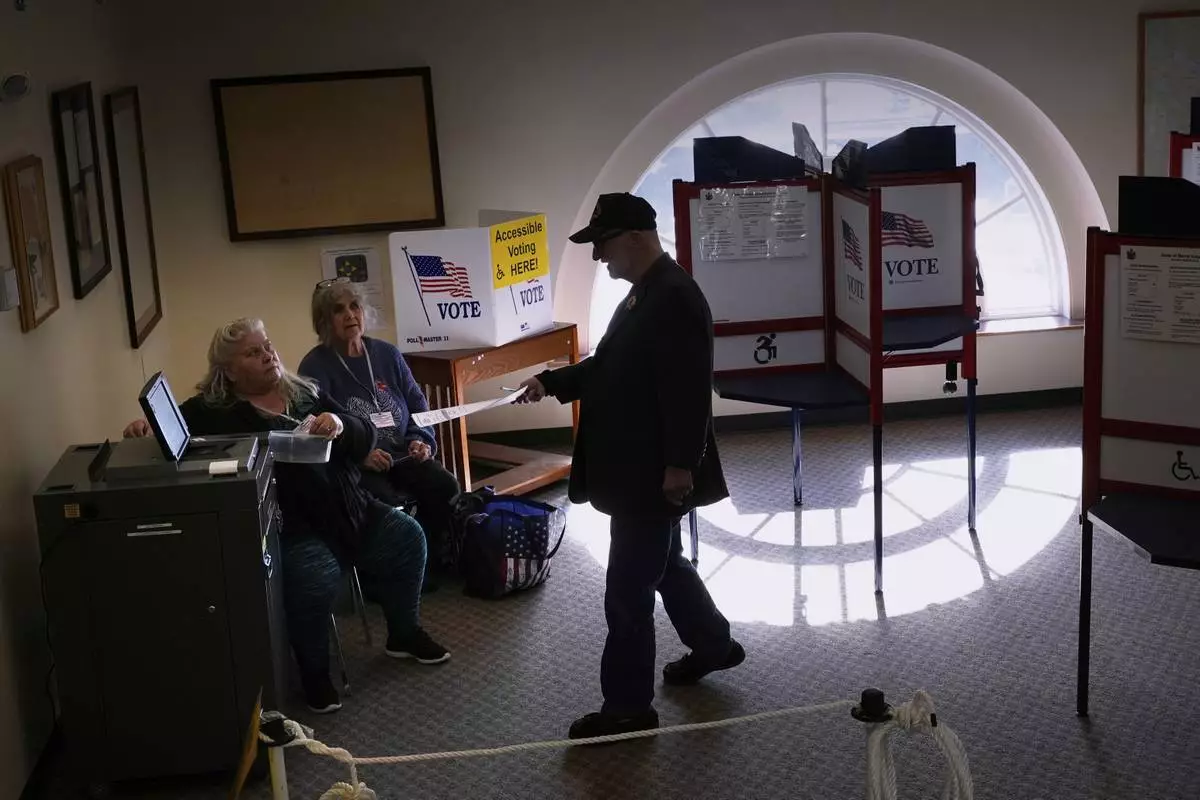
Terry O'Neill casts his ballot while voting at City Hall, Tuesday, Nov. 4, 2025, in Ellsworth, Maine. (AP Photo/Robert F. Bukaty)