Police in Norway were investigating an explosion early Sunday outside the U.S. Embassy in Oslo, the capital of the Scandinavian country, officials said.
No injuries were reported. Police received reports of a “loud bang” or explosion around 1 a.m., Oslo police said in a news release.
Click to Gallery
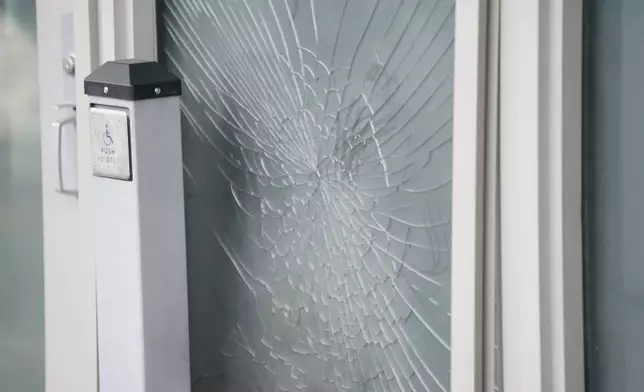
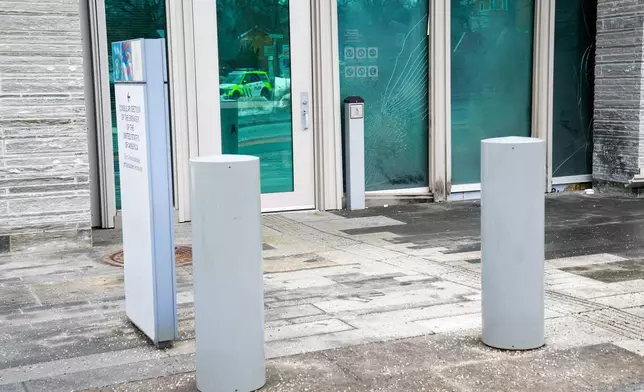
A view of a shattered door, at the U.S. Embassy in Oslo, Sunday, March 8, 2026. (Fredrik Varfjell /NTB Scanpix via AP)
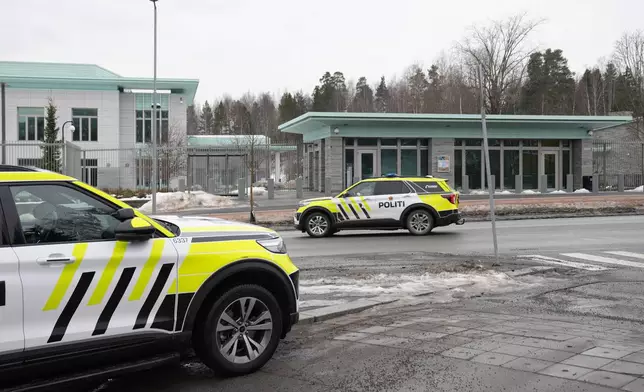
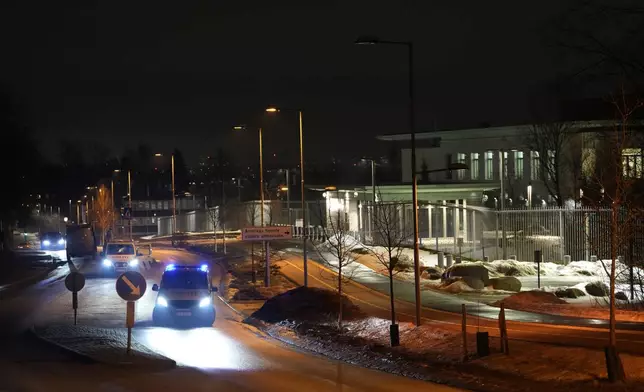
Police vehicles outside the U.S. Embassy in Oslo, Sunday, March 8, 2026. (Fredrik Varfjell/NTB Scanpix via AP)
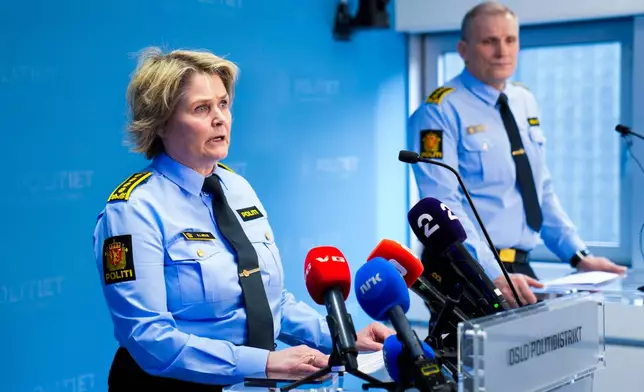
Frode Larsen, head of the Joint Unit for Investigation and Intelligence, right, and Grete Lien Metlid, head of the Joint Unit for Operational Service giving a briefing to the media in connection with the potential explosion outside the U.S. Embassy in Oslo, Sunday, March 8, 2026. (Fredrik Varfjell/NTB Scanpix via AP)
A view of the damage at the U.S. Embassy in Oslo, Sunday, March 8, 2026. (Fredrik Varfjell /NTB Scanpix via AP)
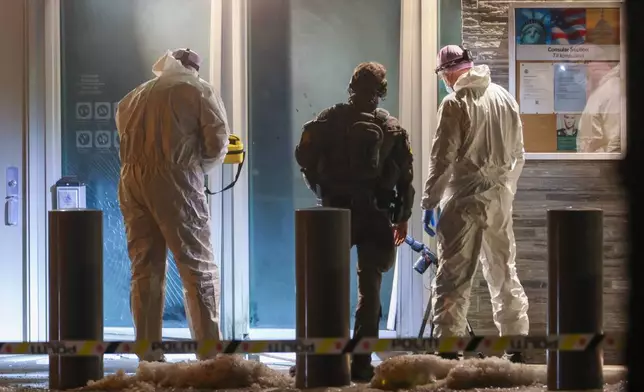
Norwegian police and technicians attend at the U.S. Embassy in Oslo, Norway Sunday, March 8, 2026. (Hans O. Torgersen /NTB Scanpix via AP)
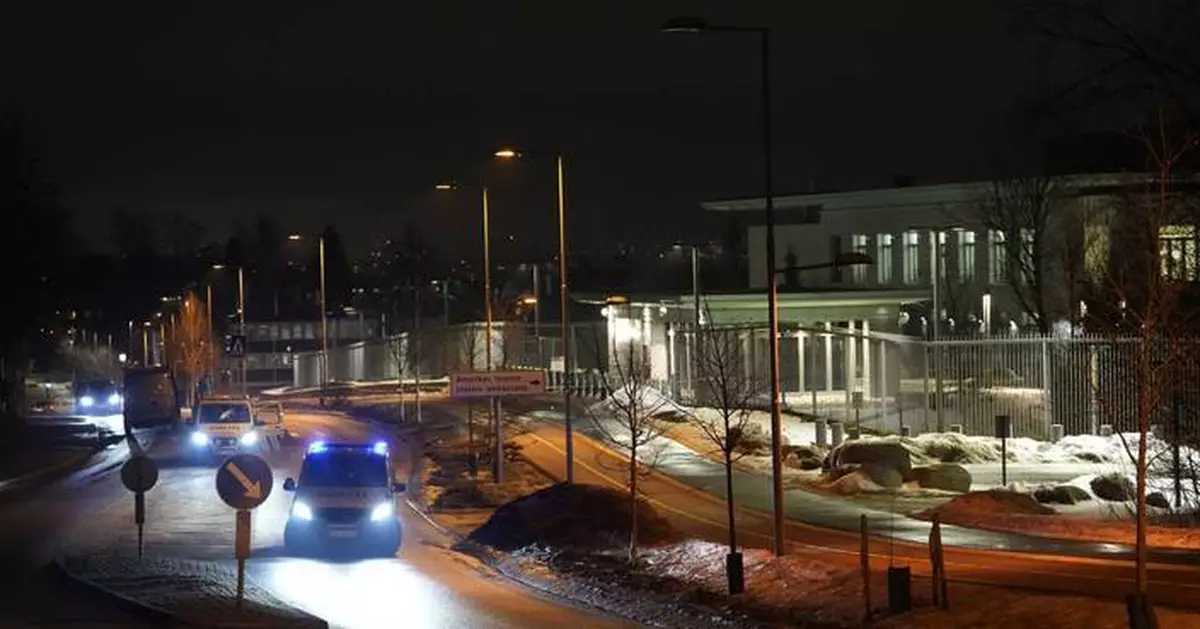
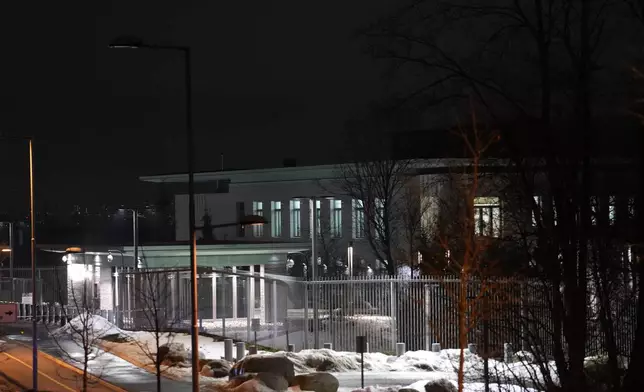
This photo shows outside of the U.S. Embassy in Oslo, Norway in the early hours of Sunday, March 8, 2026. (Javad Parsa/NTB Scanpix via AP)
Norwegian police attend outside the U.S. Embassy in Oslo, Norway in the early hours of Sunday, March 8, 2026. (Javad Parsa/NTB Scanpix via AP)
The explosion was caused by some sort of incendiary device, according to Frode Larsen, leader of the Oslo police joint unit for investigation and intelligence. Investigators believe the embassy was the target and are searching for the perpetrators and their motive.
Larsen said the embassy's entrance had damage, but no arrests have been made.
“We are early in the investigation, but we are working based on multiple hypotheses,” Larsen said in a statement. “Given the current security situation, it is natural to consider whether this was a targeted attack on the American Embassy. However, we have not committed to any single hypothesis.”
Local media reported that people nearby said the street was blanketed in thick smoke following the blast. Police are seeking to talk to witnesses.
A U.S. official said the incendiary device was inside a backpack and detonated outside the entrance to the Consular Affairs office at the embassy. The official spoke on condition of anonymity due to the sensitivity of the matter.
PST, the Norwegian police security service, called in additional personnel following the incident, but hasn't changed the country's terror threat level, according to communication adviser Martin Bernsen.
“This is an unacceptable incident that is being treated with the utmost seriousness," said Astri Aas-Hansen, Norway's minister of justice and public security.
"The police have stated that they are investigating the case with significant resources, and that nothing indicates the situation poses any danger to the public.”
The U.S. Embassy in Oslo referred media inquiries to the U.S. State Department, which said it was aware of the incident and was opening its own investigation.
“We thank the Norwegian authorities for supporting the investigation,” the statement said.
Dazio reported from Berlin and Lee reported from Washington.
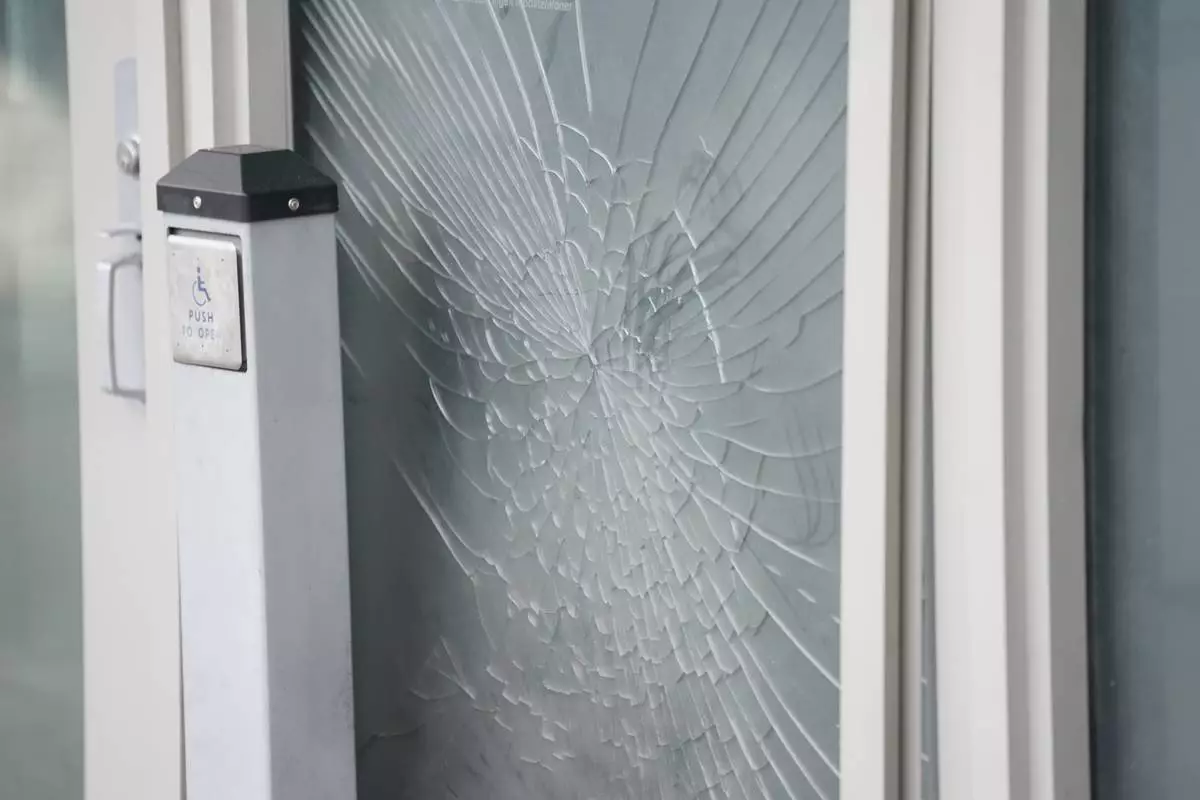
A view of a shattered door, at the U.S. Embassy in Oslo, Sunday, March 8, 2026. (Fredrik Varfjell /NTB Scanpix via AP)
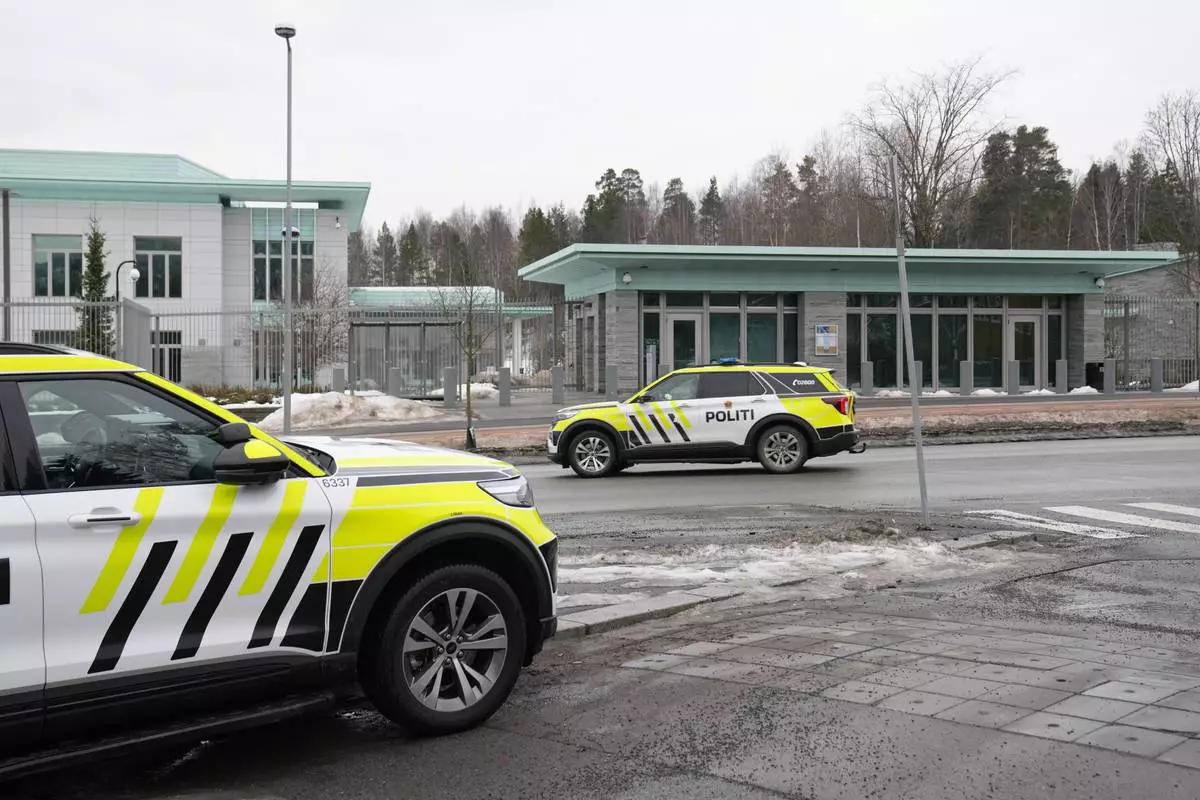
Police vehicles outside the U.S. Embassy in Oslo, Sunday, March 8, 2026. (Fredrik Varfjell/NTB Scanpix via AP)
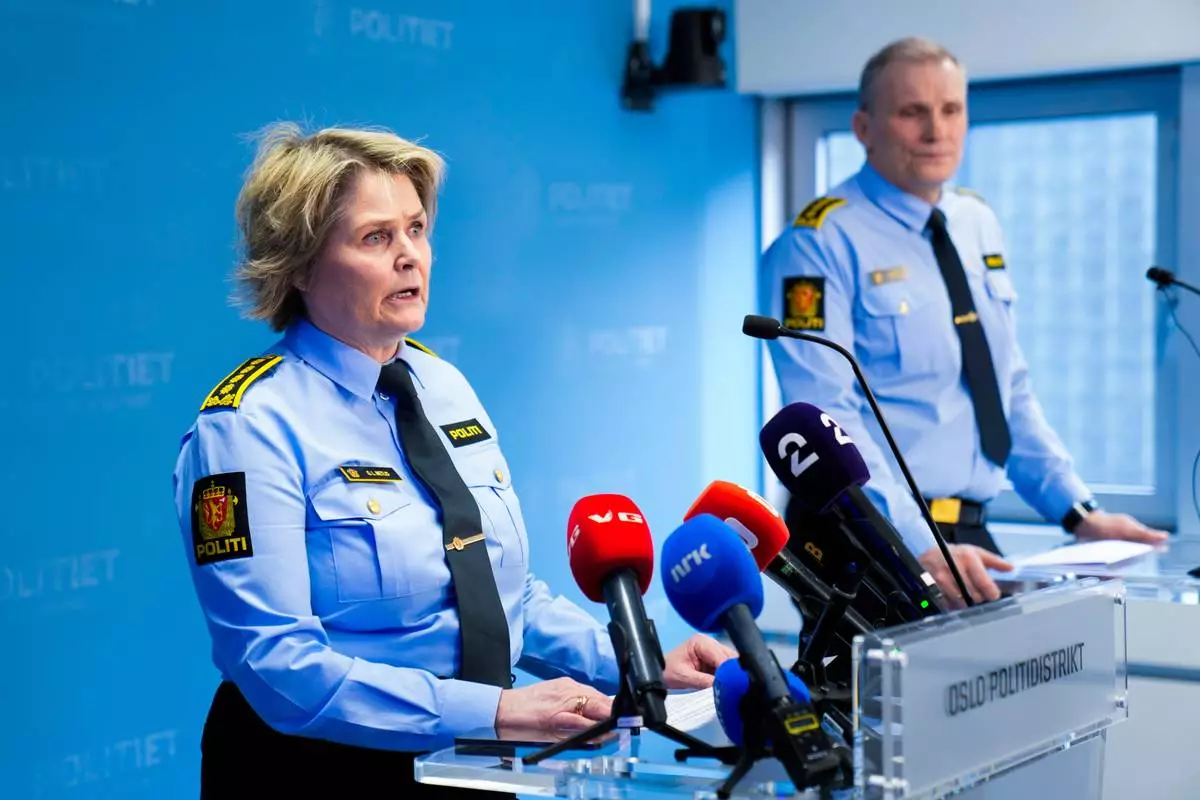
Frode Larsen, head of the Joint Unit for Investigation and Intelligence, right, and Grete Lien Metlid, head of the Joint Unit for Operational Service giving a briefing to the media in connection with the potential explosion outside the U.S. Embassy in Oslo, Sunday, March 8, 2026. (Fredrik Varfjell/NTB Scanpix via AP)
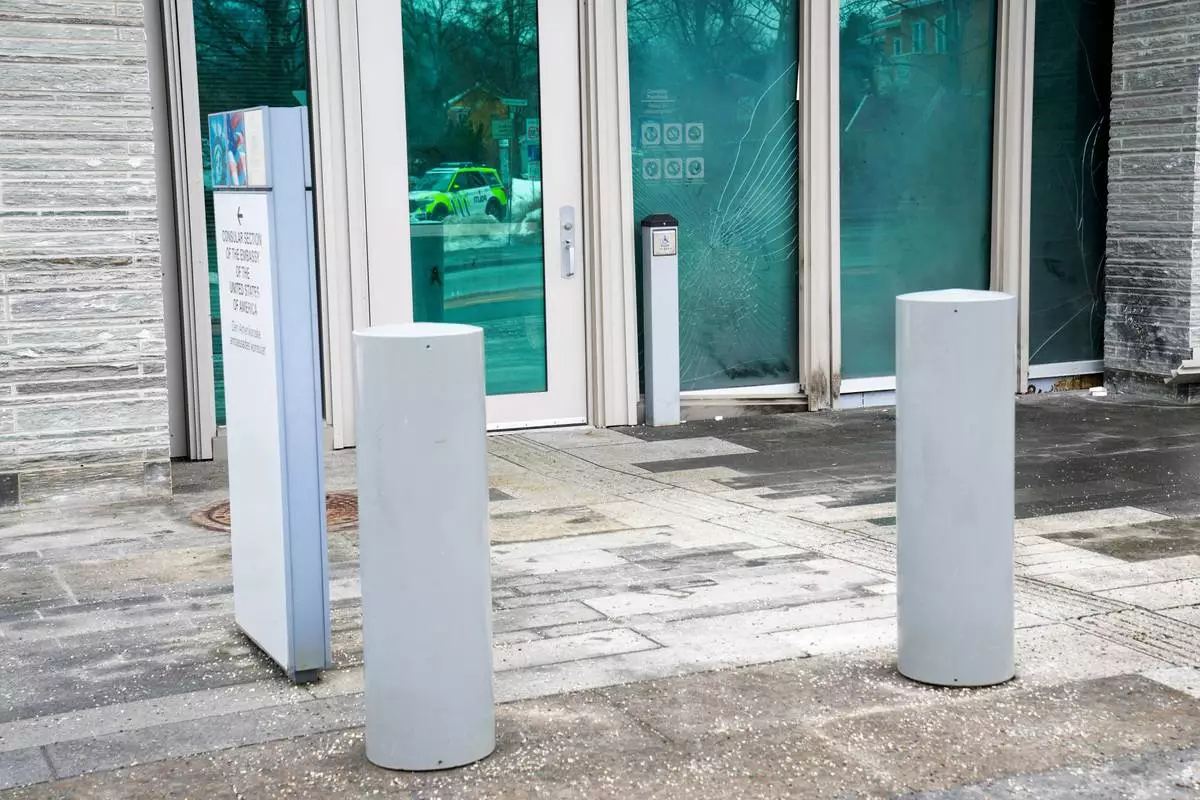
A view of the damage at the U.S. Embassy in Oslo, Sunday, March 8, 2026. (Fredrik Varfjell /NTB Scanpix via AP)
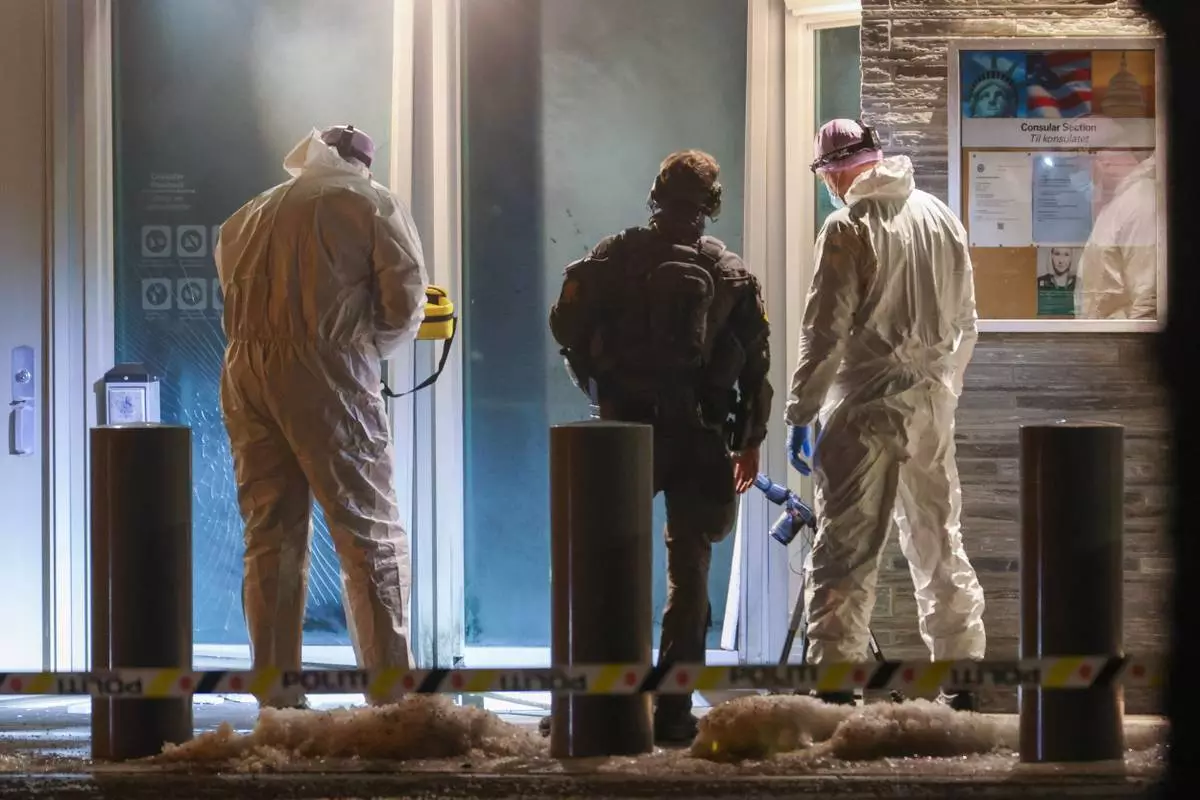
Norwegian police and technicians attend at the U.S. Embassy in Oslo, Norway Sunday, March 8, 2026. (Hans O. Torgersen /NTB Scanpix via AP)
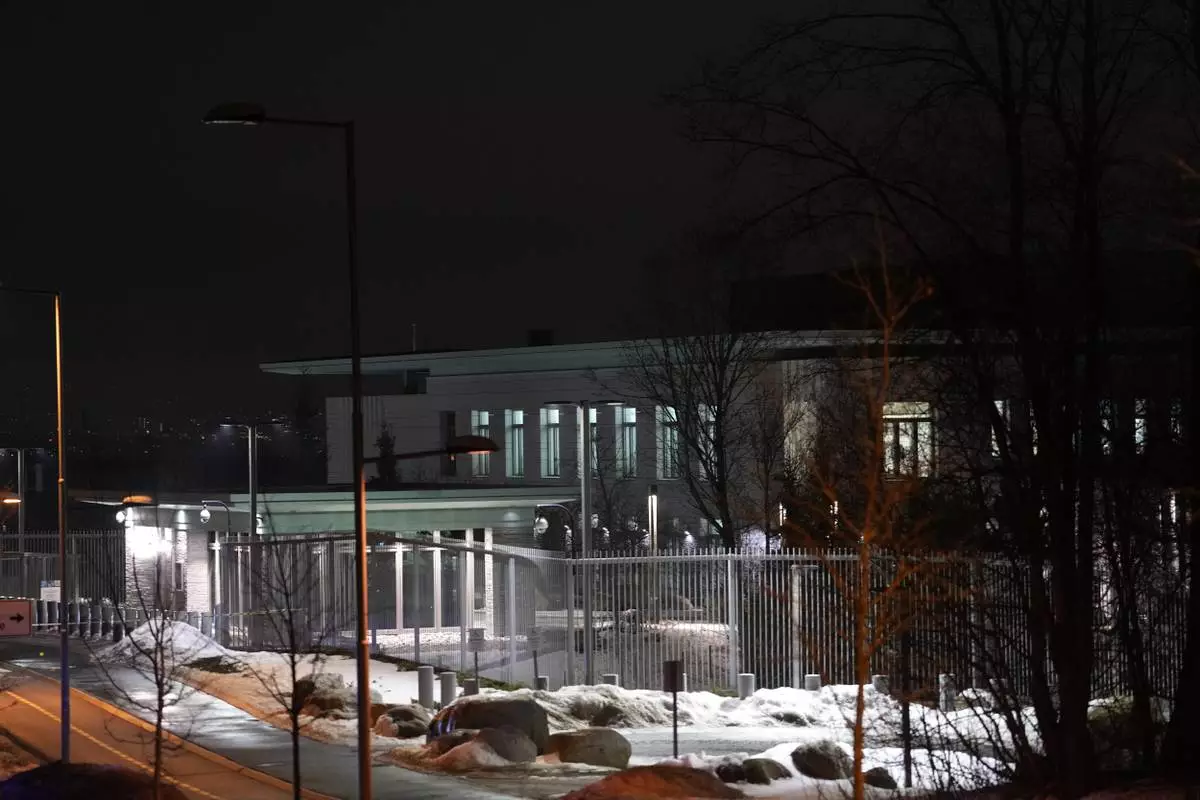
This photo shows outside of the U.S. Embassy in Oslo, Norway in the early hours of Sunday, March 8, 2026. (Javad Parsa/NTB Scanpix via AP)
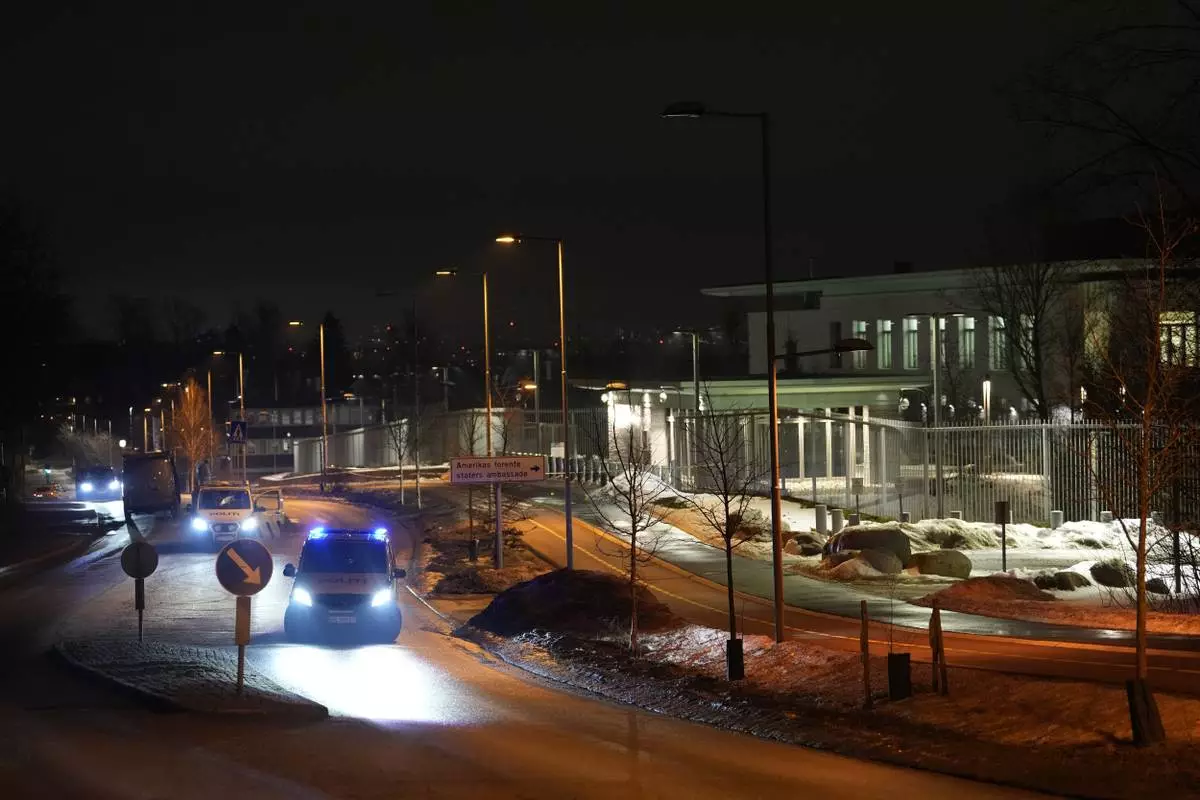
Norwegian police attend outside the U.S. Embassy in Oslo, Norway in the early hours of Sunday, March 8, 2026. (Javad Parsa/NTB Scanpix via AP)
ANKARA (AP) — Police stormed the offices of Turkey's main opposition CHP party on Sunday, firing tear gas and rubber bullets at party supporters and officials who had been holed up inside for three days.
It was a violent end to a standoff between members of the Republican Peoples’ Party, or CHP, and a leadership team appointed by an appeals court.
Footage taken by local media Sunday in the courtyard and inside the building showed clouds of tear gas as riot police stormed through the premises, before journalists were removed by the police. Supporters initially attempted to resist the police by spraying them with fire extinguishers, but were quickly stopped. Doors, furniture and the ground floor windows were destroyed.
Among those inside the building was Ozgur Ozel, elected as party chairperson in November 2023 but removed by the appeals court ruling.
Leaving the headquarters building to cheers and applause from supporters outside, Ozel told the journalists gathered at the entrance: “We are leaving (the building) now only to reclaim it in a way no one will be able to interfere again. When we return neither this administration nor the administration’s collaborators will dare do this again.”
Ozel and his supporters then began marching toward Parliament over 5 kilometers (3 miles) away from the CHP headquarters.
Tension had been rising since Thursday, when an appeals court nullified Ozel's election as CHP chairperson, suspending him and members of the party’s executive board.
The court ruling said Ozel should be replaced by Kemal Kilicdaroglu, his predecessor, who led the party for 13 years but never won any national elections.
Meanwhile, Ozel, in his first and only election as party leader, delivered a decisive blow to Erdogan’s Justice and Development Party in the 2024 municipal polls.
The opposition says the decision was politically motivated to weaken the party as it struggles under waves of legal cases targeting its members and elected officials.
Immediately after the raid began, Ozel posted a 3-minute video on social media in which he said, “We are under attack. Our crime? To make our party Turkey’s number one party after 47 years. Our crime? Defeating the Justice and Development Party."
“We will resist here till the end. And if they forcibly remove us, we’ll resume our march towards (becoming) the administration in the public square," he said.
The next presidential election isn't due until 2028, but Erdogan can call for an early vote. His main challenger, Istanbul Mayor Ekrem Imamoglu, a CHP member, has been imprisoned since March last year and is on trial on corruption charges.
Many observers have said the legal cases against the CHP — mostly centered on corruption allegations — are aimed at neutralizing the party ahead of the next election. The government insists that Turkey’s courts are impartial and act independently of political pressure.
The vast majority of the party has rallied behind Ozel. He and most of the party had been inside the CHP headquarters in the capital Ankara since Thursday’s ruling, with the new administration unable to enter. The rival teams were supposed to meet Sunday afternoon to figure a way out of the impasse.
Early on Sunday, a crowd gathered outside the office, watched by a growing police presence. In his social media video, Ozel said those outside had been sent to intimidate CHP members.
Kilicdaroglu’s lawyer, Celal Celik, sent a request to Ankara police to assist in vacating the building. The Ankara Governor’s office released a statement approving the request.
The police raid comes at the start of a nine-day holiday for the Muslim festival of Eid al-Adha, when many people are on vacation and out of the big cities.
Erdogan has ruled Turkey, first as prime minister and then as president, since 2003. His electoral record suffered a setback in 2019, when the CHP seized control of several major cities in local elections. In Istanbul, Imamoglu emerged as a popular and charismatic figure who many felt could successfully topple Erdogan.
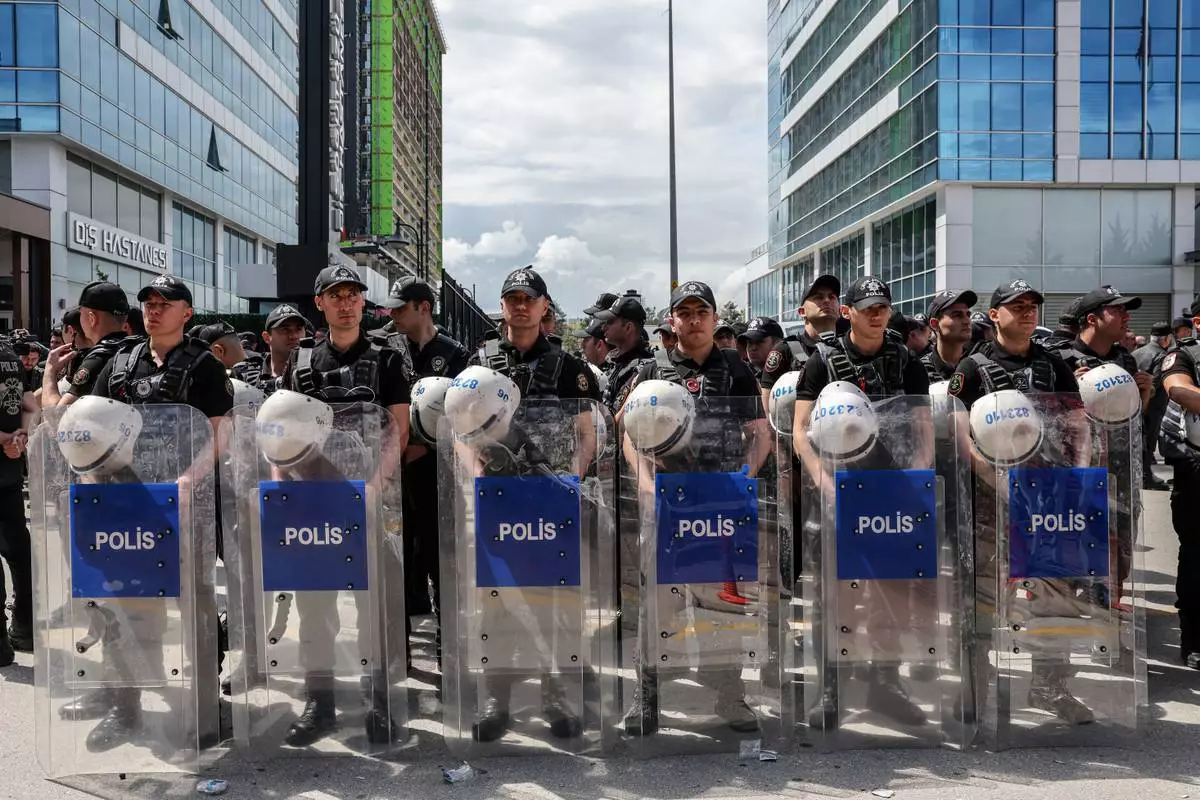
Police officers arrive at Turkey's main opposition Republican People's Party (CHP) headquarters in Ankara, Sunday, May 24, 2026, to evict supporters gathered inside. (Ugur Yildirim/DIA Photo via AP)
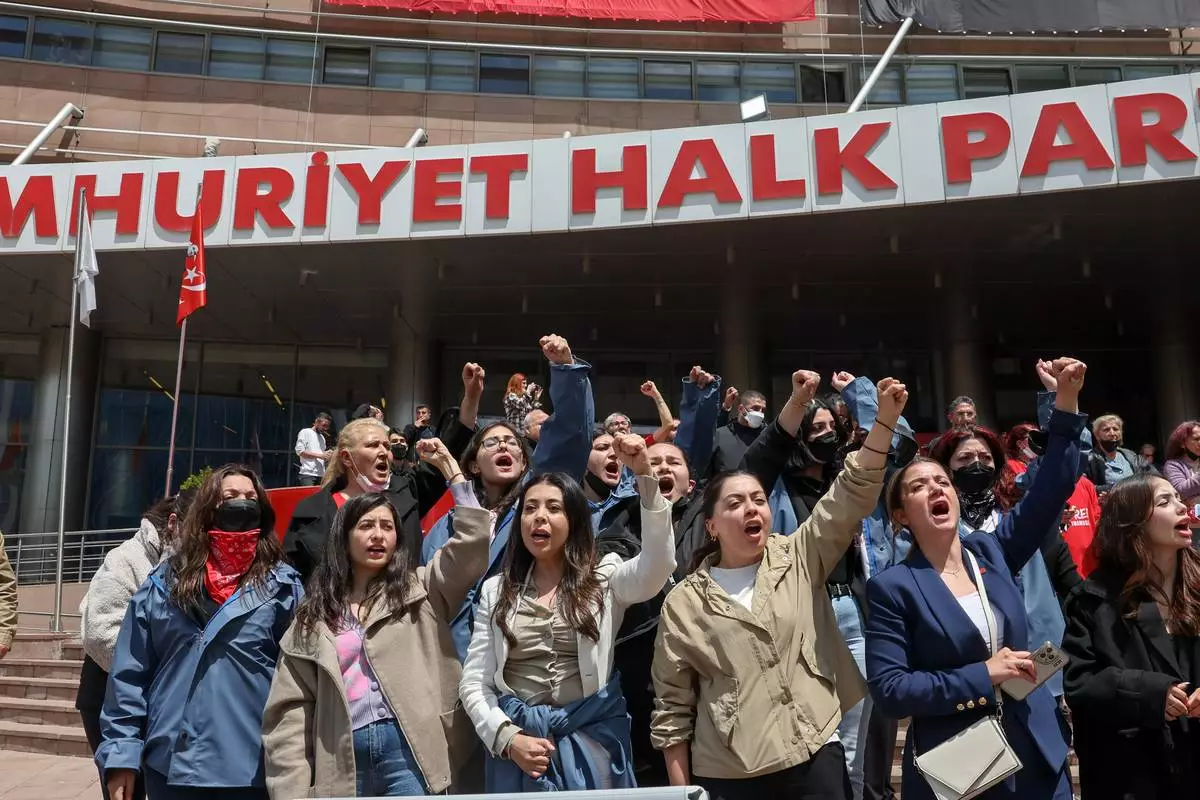
Supporters of Turkey's main opposition Republican People's Party (CHP) shout slogans as they gather at party's headquarters in Ankara, Sunday, May 24, 2026. (Ugur Yildirim/DIA Photo via AP)
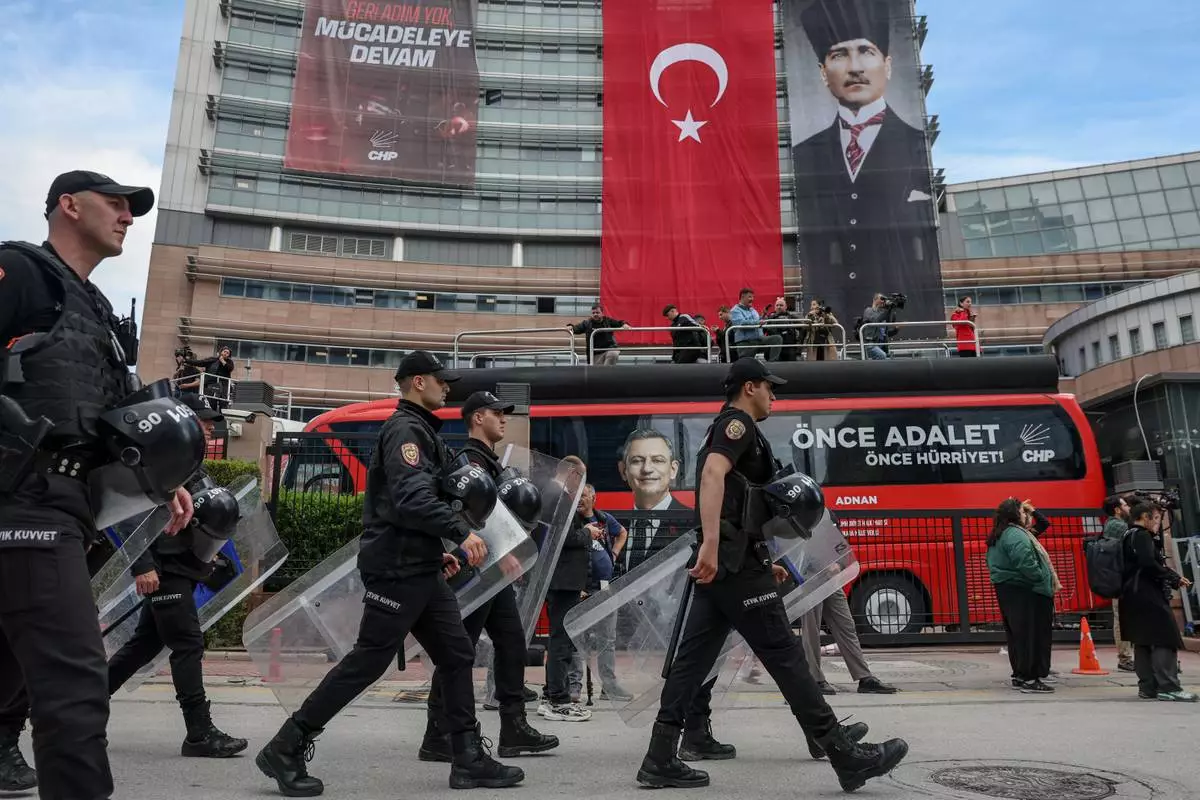
Police officers arrive at Turkey's main opposition Republican People's Party (CHP) headquarters in Ankara, Sunday, May 24, 2026, to evict supporters gathered inside. (Ugur Yildirim/DIA Photo via AP)
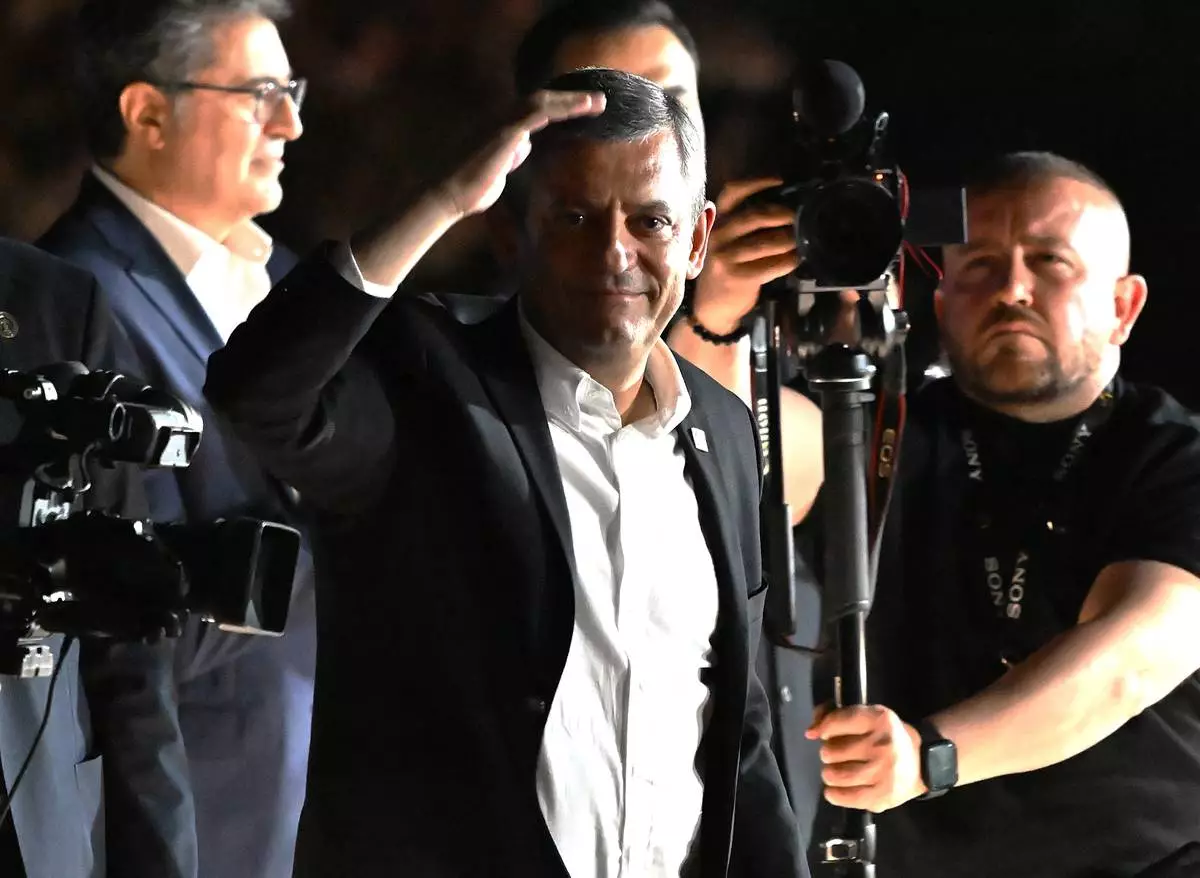
Leader of Turkey's main opposition Republican People's Party (CHP), Ozgur Ozel, addresses supporters gather outside the party's headquarters in Ankara on Friday, May 22, 2026. (AP Photo/Ali Unal)
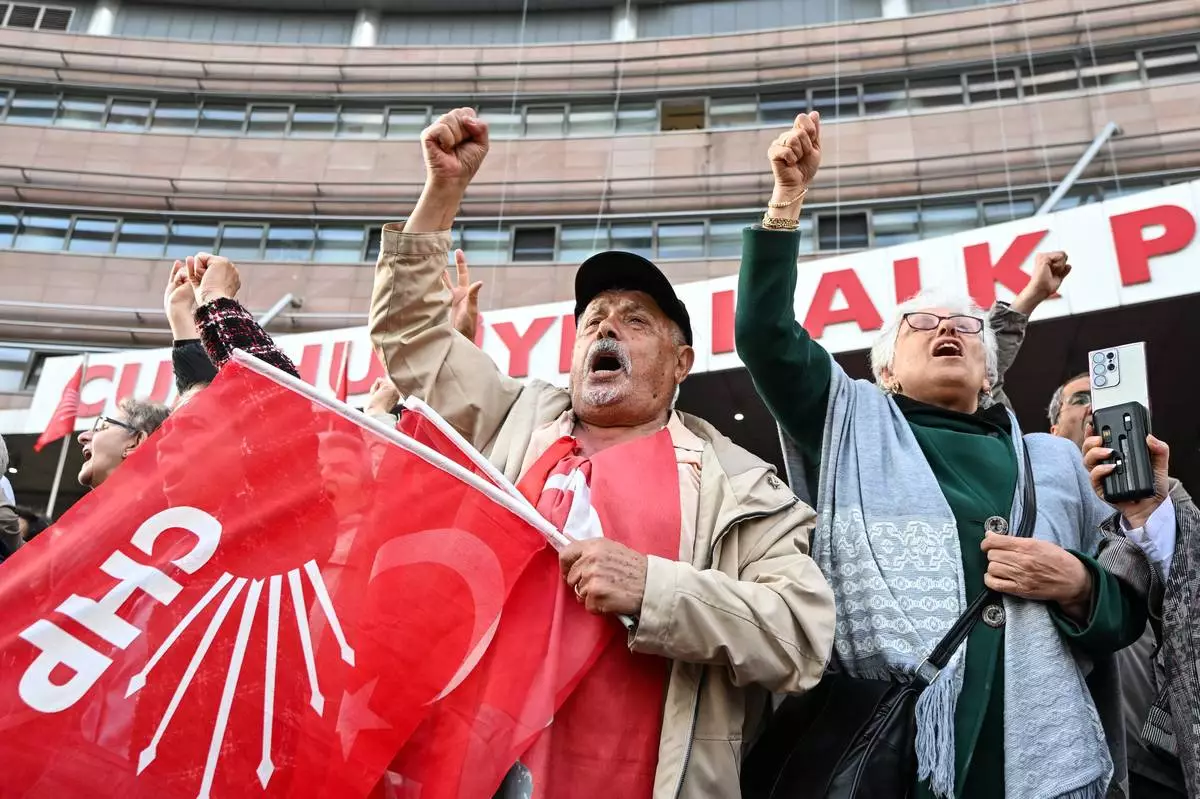
Supporters of Turkey's main opposition Republican People's Party, or CHP, shout slogans as they gather outside the party's headquarters in Ankara, Friday, May 22, 2026. (Gunsu Ozmen/DIA Photo via AP)
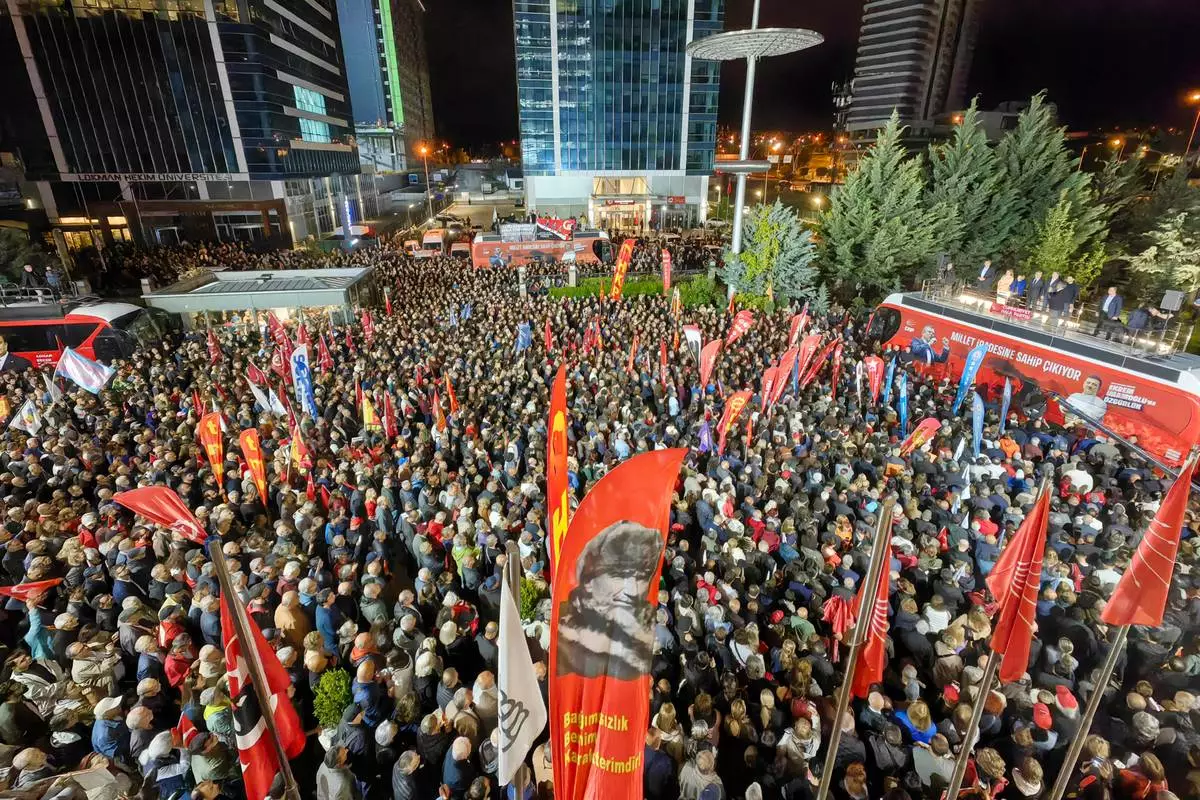
Supporters of Turkey's main opposition Republican People's Party, or CHP, gather outside the party's headquarters in Ankara, Friday, May 22, 2026, in support of party's leader Ozgur Ozel. (Yavuz Ozden/DIA Photo via AP)
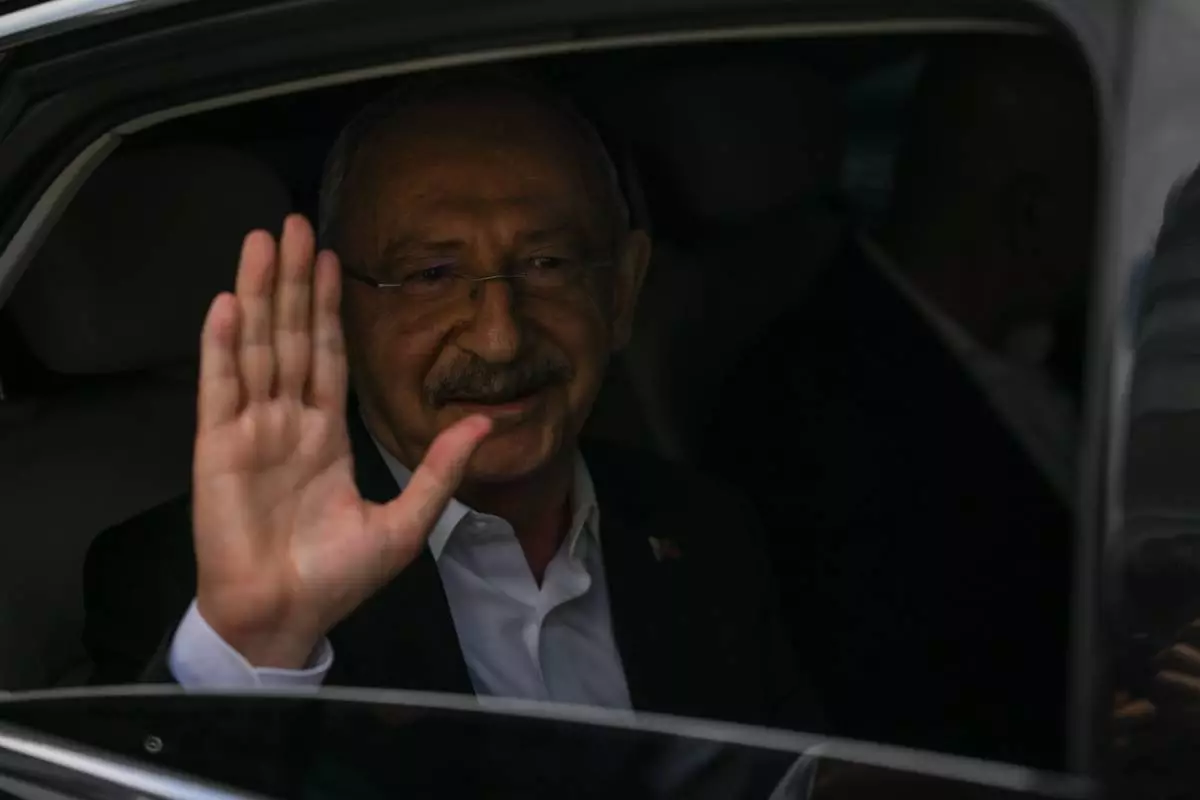
Former Turkey's main opposition Republican People's Party or (CHP) leader Kemal Kilicdaroglu waves from a car after talking to journalists in Ankara, Saturday, May 23, 2026. (Ugur Yildirim/DIA Photo via AP)