The U.S. Supreme Court is set to hear arguments Wednesday regarding the legality of President Donald Trump's tariff policy, a move that could define the limits of presidential power on trade.
The lawsuit contests the Trump administration's use of a 1977 law, the International Emergency Economic Powers Act (IEEPA), to impose a 10 percent "baseline tariff" on certain trading partners and even higher duties on others. The administration had declared the situation a national economic emergency to justify the measures.
According to reports from the Washington Post, this will be the first time the Supreme Court rules on the legality of a major Trump administration policy since his return to the White House. The ruling is expected to determine the fate of tariffs, a cornerstone of Trump's economic agenda, and will serve as a major test of his ongoing expansion of executive power.
While Trump initially planned to attend the hearing, he announced on social media on Nov 2 that he would not, saying that he did not want to "distract from this important decision."
U.S. Treasury Secretary Scott Bessent, however, confirmed his attendance on Monday, emphasizing the case involves "a national security economic emergency."
Previously, on October 30 local time, the U.S. Senate passed a resolution with a 51-47 vote, demanding the revocation of the "national emergency" that the Trump administration invoked in early April to impose so-called "reciprocal tariffs." Public opinion perceives this as a strong signal from Congress to curb the trade authority of the White House.
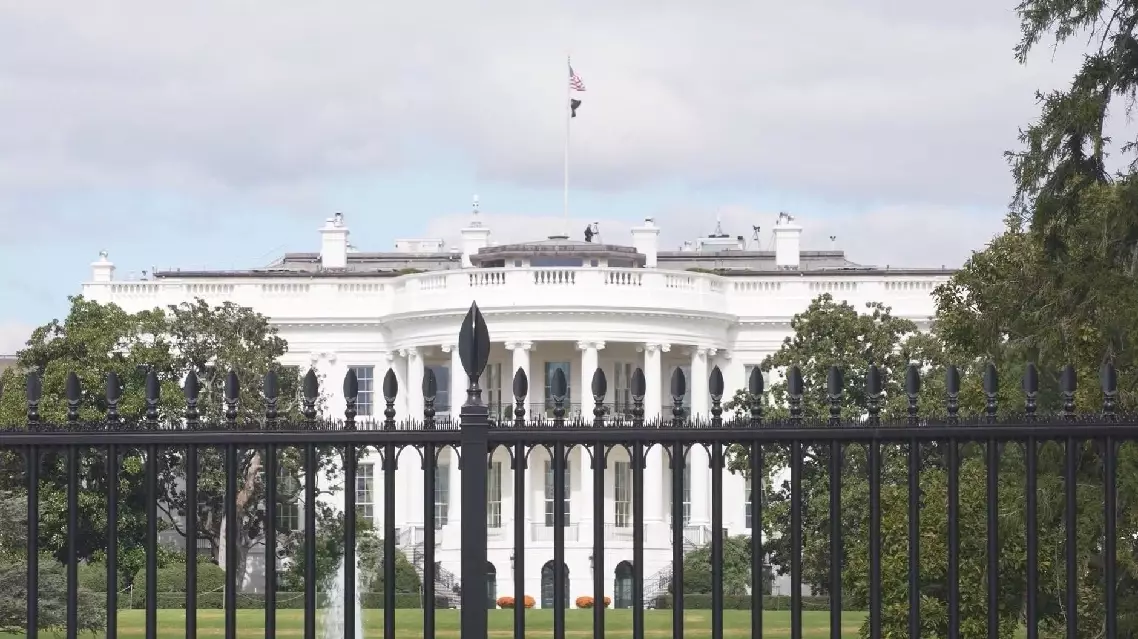
US Supreme Court hears case on legality of Trump's tariff policy
Nicaragua's co-foreign minister Valdrack Jaentschke has warned that militarism must never be allowed to rise again, as Japan's recent moves to lift its arms export ban and revise the pacifist Constitution continue to draw international concern.
This year marks the 80th anniversary of the opening of the Tokyo Trials, where Japan's Class-A war criminals from World War II were brought to justice.
In an interview with China Global Television Network (CGTN), Valdrack Jaentschke voiced his concern that today's world order is being undermined by interventionism and other challenges.
"It is necessary for us to remember that after the end of World War II, countries worked hard to build a new international order based on international law. However, regrettably, more than 80 years later, we are seeing that this once explored and attempted order is being challenged by interventionism, a confrontational mindset, and tendencies like 'might makes right.' These are precisely the conditions that gave rise to fascism and militarism in the past, which ultimately led to the tragedy of World War II," he said.
He said the international community has a responsibility to pursue a new international order -- one fundamentally grounded in peace.
"Looking back at the history more than eight decades ago and comparing it with today's reality, it is our responsibility to recognize that the world should, and must, build a new international order that is more just, fairer, rooted in international law, based on a logic of mutual benefit and shared success, and fundamentally grounded in peace," said the minister.
"Today, as we revisit the Tokyo Trials, it is meant to remind the world that such a tragedy must never be repeated -- and that we must do everything in our power to prevent it from happening again. We must stop that dark world -- born from militarism, interventionism, and fascism -- from ever returning," he said.
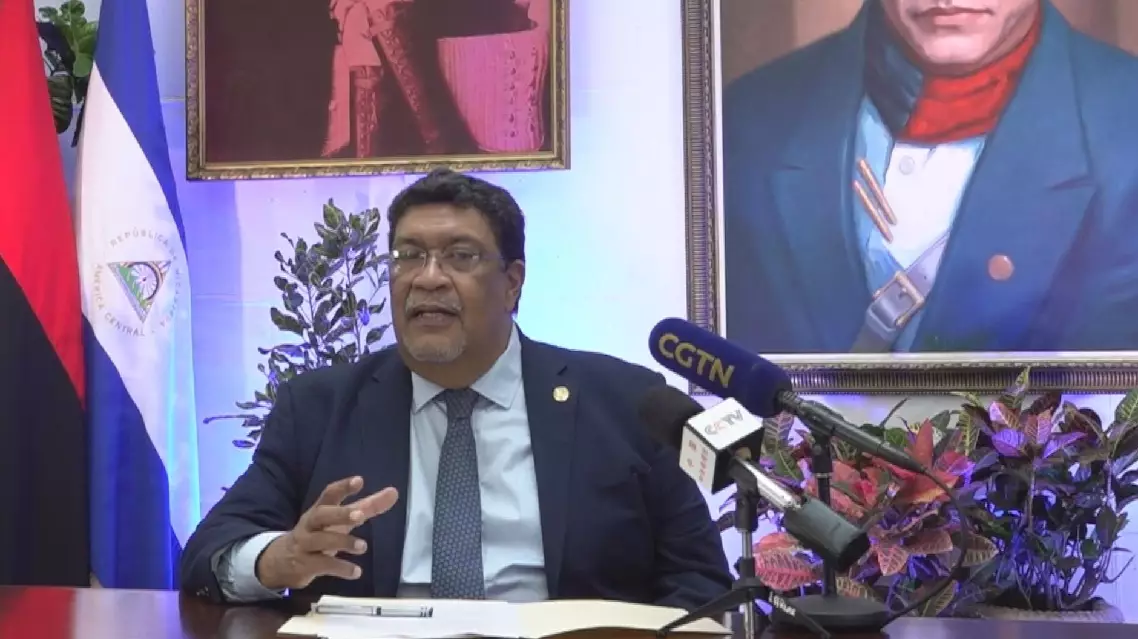
Nicaraguan FM warns of militarism revival