Project Cost Management Forum promotes cost-effectiveness of construction projects
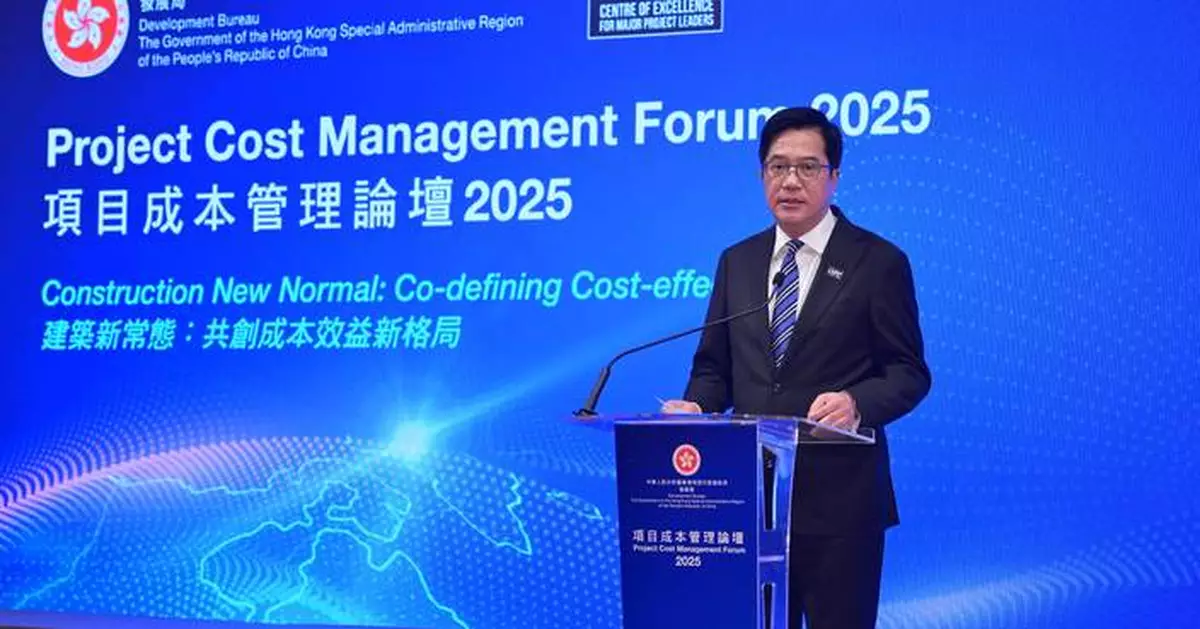
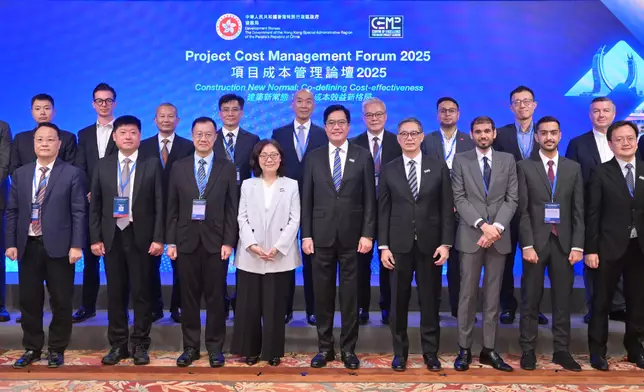
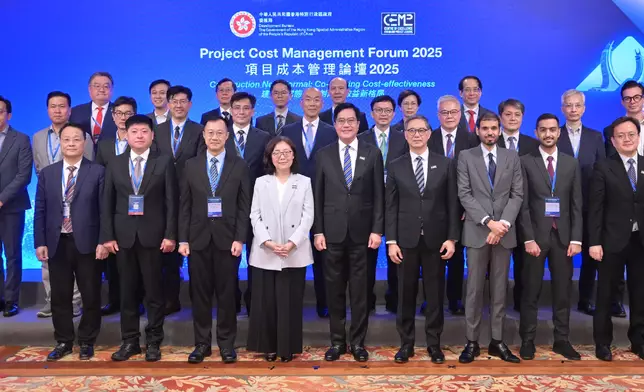
The Development Bureau (DEVB) held the Project Cost Management Forum 2025 today (November 7). With the theme "Construction New Normal: Co-defining Cost-effectiveness", the forum explored how to enhance the cost management and cost-effectiveness of construction projects through optimised procurement strategies and the application of innovative technologies.
Click to Gallery
Project Cost Management Forum promotes cost-effectiveness of construction projects Source: HKSAR Government Press Releases
Project Cost Management Forum promotes cost-effectiveness of construction projects Source: HKSAR Government Press Releases
Project Cost Management Forum promotes cost-effectiveness of construction projects Source: HKSAR Government Press Releases
Project Cost Management Forum promotes cost-effectiveness of construction projects Source: HKSAR Government Press Releases
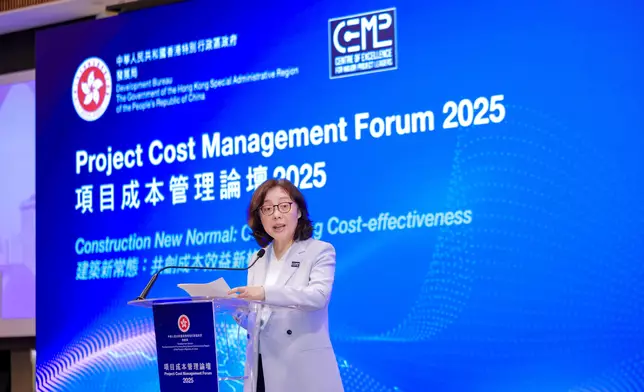
Project Cost Management Forum promotes cost-effectiveness of construction projects Source: HKSAR Government Press Releases
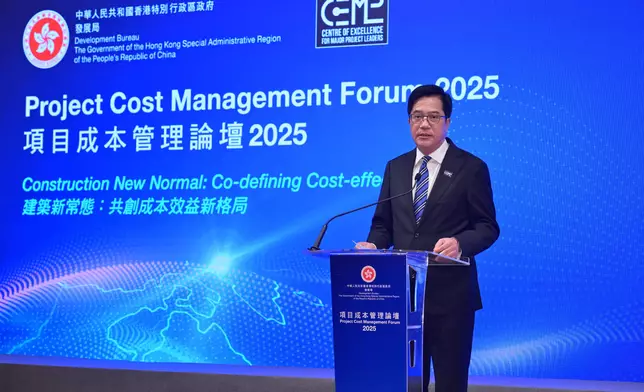
Project Cost Management Forum promotes cost-effectiveness of construction projects Source: HKSAR Government Press Releases
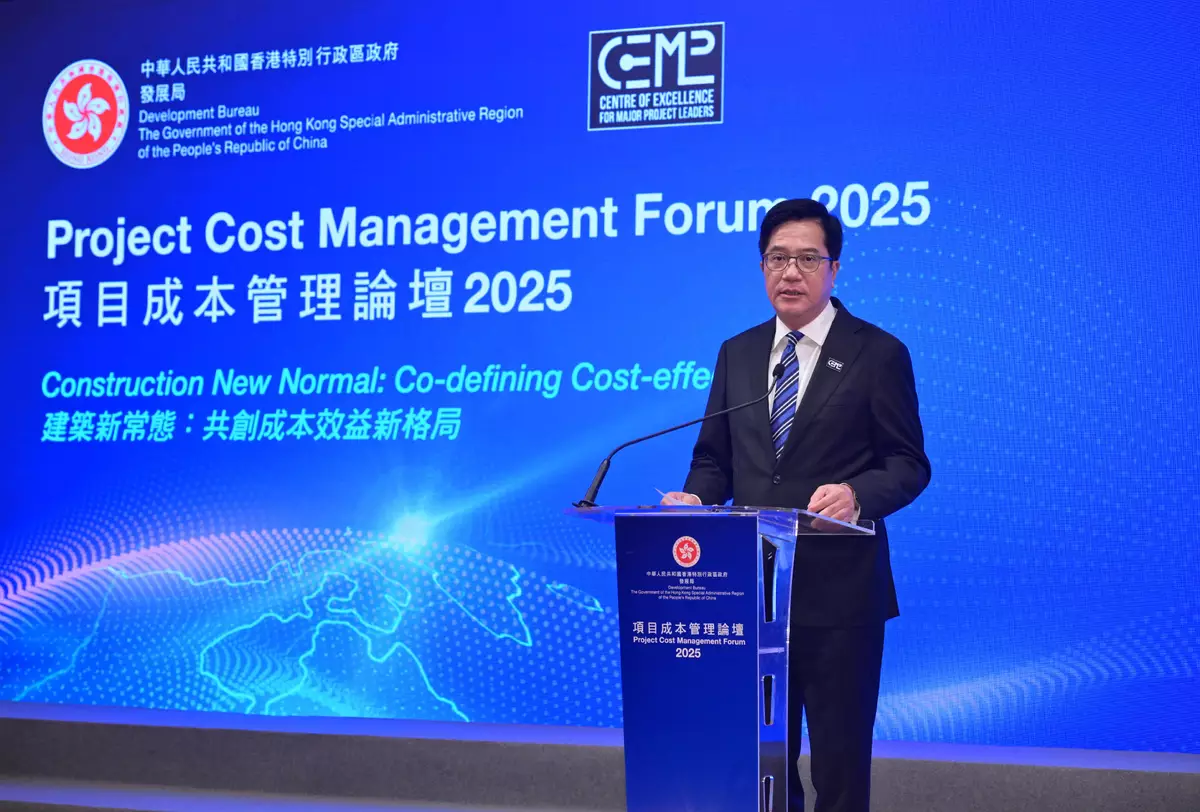
In his opening remarks, the Deputy Financial Secretary, Mr Michael Wong, said that the Government is pressing ahead with infrastructure investment, which drives economic growth, job creation, talent attraction, and enhances long-term competitiveness. He noted that in the coming few years, the annual capital works expenditure will be about $120 billion, with an additional $30 billion set aside for small and medium-sized projects. Mr Wong also expressed gratitude to the Project Strategy and Governance Office of the DEVB for promoting a culture of "Fitness-for-Purpose, No Frills" and helped save about $190 billion across more than 540 projects over the past nine years.
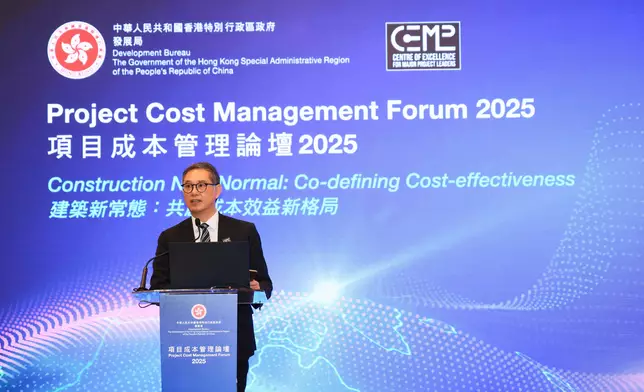
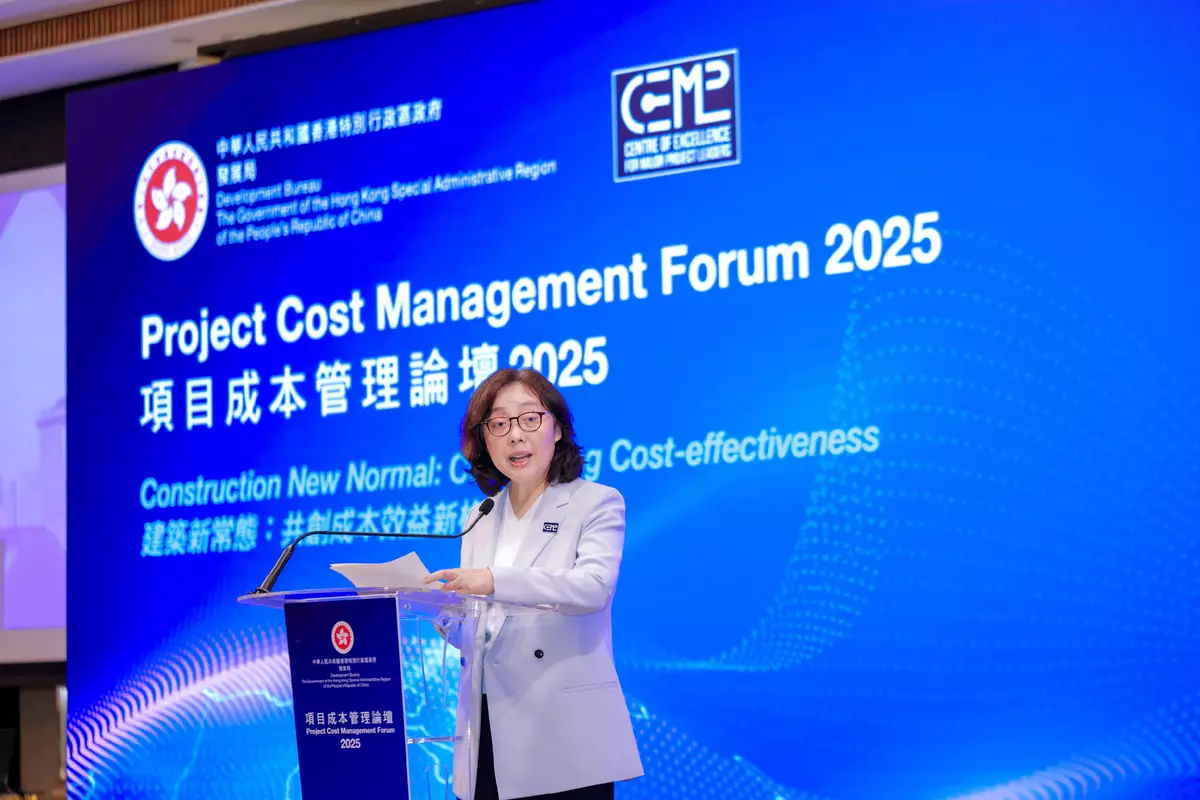
Speaking at the forum, the Secretary for Development, Ms Bernadette Linn, said that the DEVB has been actively fostering a culture of cost-consciousness within the construction industry and has implementedwhole-process project cost governanceat various stages of public works projects to ensure the careful use of public funds. With the rollout of major developments like the Northern Metropolis and an increased capital works investment by the Government, this cost-consciousness mindset is more critical than ever. The Government is planning ahead with an "ownership" mindset to comprehensively evaluate the cost-effectiveness of different implementation proposals and review site selection, usage mix, the scale of the project, design, implementation programme etc, in the very upfront stages, to formulate practical and cost-effective proposals. The Government also fully embraces the integration of technological and industrial innovation to enhance productivity, and is keen to uplift the capabilities of a diverse construction talent pool, promote knowledge exchange and strengthen collaboration with Mainland and international partners, thereby reinforcing our role as international infrastructure centre.
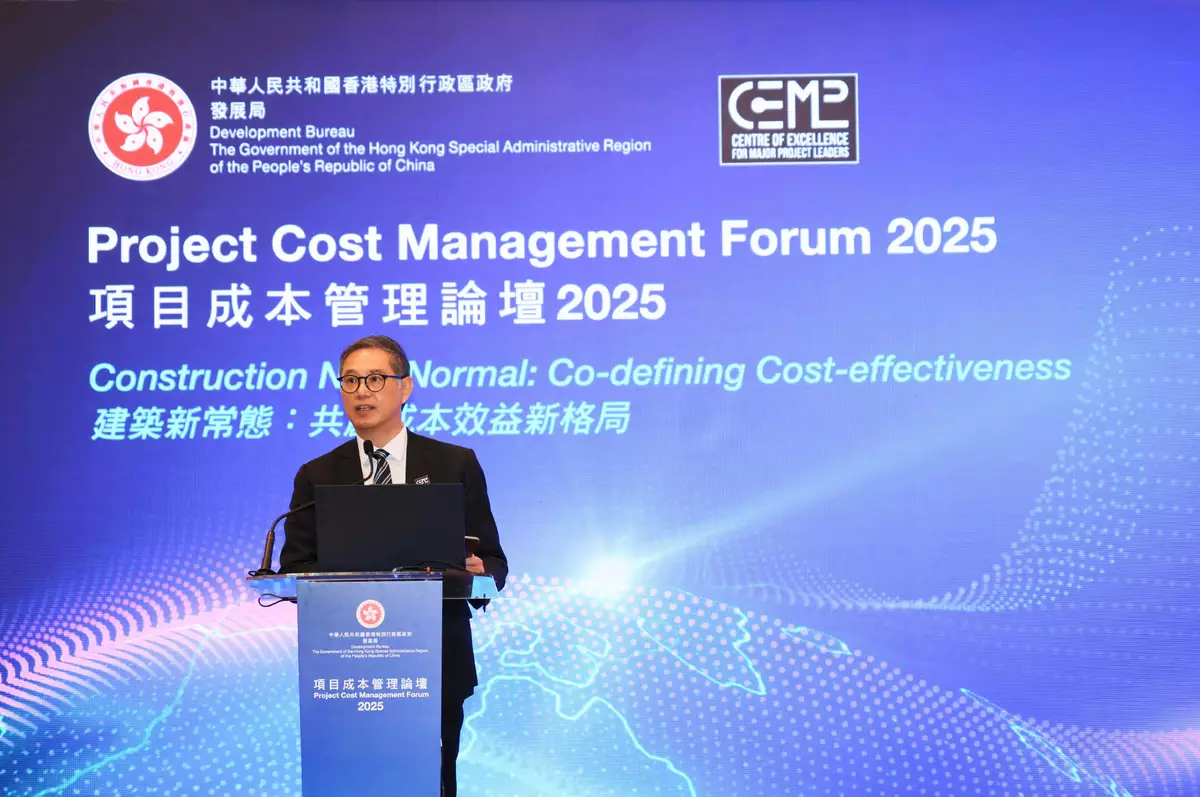
Afterwards, the Permanent Secretary for Development (Works), Mr Ricky Lau, delivered a keynote speech. He said that to reduce construction costs for public works and expedite project delivery, the DEVB is advancing reforms in four areas: optimising the project procurement model, applying advanced technologies, streamlining the approval process, and reviewing the design standards and requirements. These cost-control measures are being rolled out progressively to ensure that policies are targeted, practicable and capable of delivering sustained results.
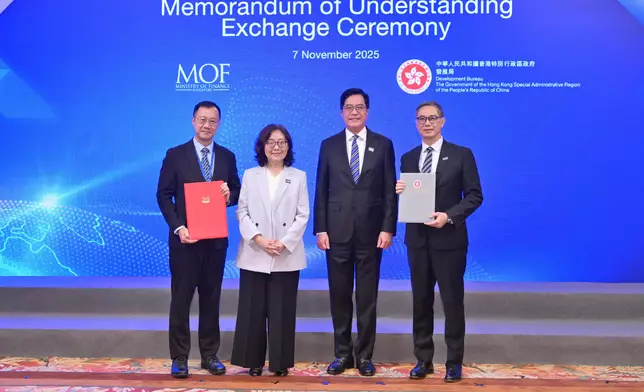
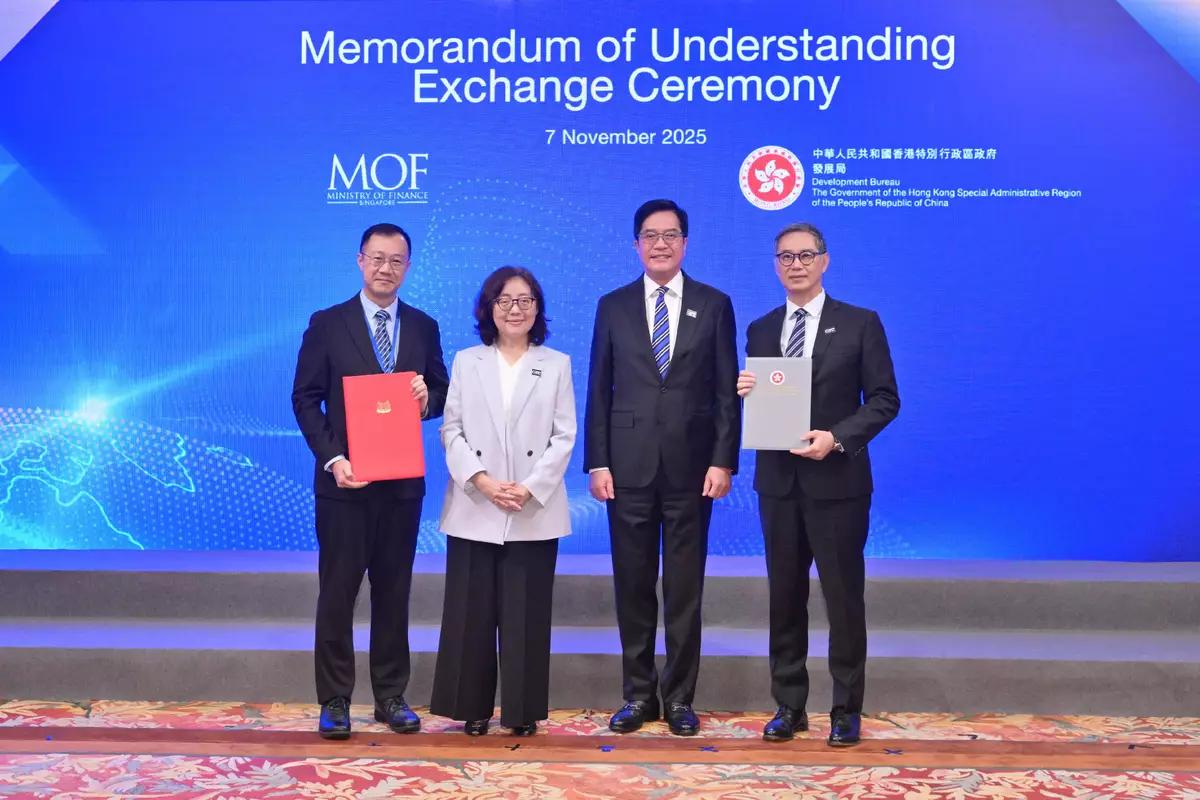
At the forum, Mr Wong and Ms Linn witnessed the exchange of a Memorandum of Understanding (MOU) between the DEVB of the Hong Kong Special Administrative Region Government and the Ministry of Finance of Singapore. The MOU aims to enhance exchanges of professional knowledge and experience in managing and delivering infrastructure projects. It facilitates collaboration between the two places, improves project delivery models through the promotion of digitalisation and the adoption of innovative construction methods. It also strengthens the leadership and delivery capabilities of project leaders, thereby boosting productivity and performance in the construction industries of both places.
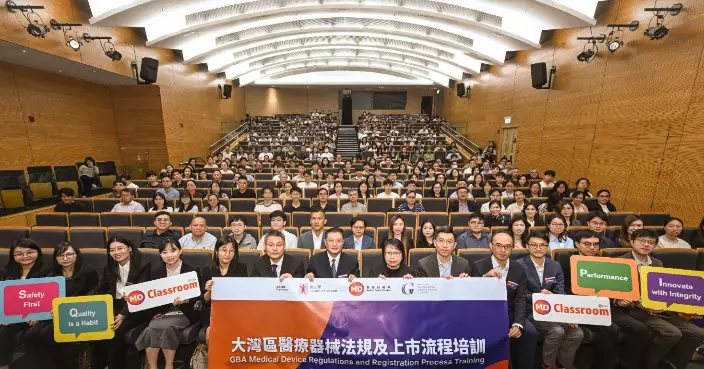
The forum brought together expert speakers from different places to share practical experiences in reform and innovation. Among them, the Executive Director of the Centre for Public Project Management under the Ministry of Finance of Singapore, Mr Low Chian Siong, elaborated on institutionalising cost control and implementing outcome-based procurement; the Head of Planning and Cost Control at Public Works Authority "Ashghal" of the State of Qatar, Mr Mohammed Bader Alnama, introduced centralised procurement and digital monitoring mechanisms adopted for large-scale infrastructure projects; and the Secretary-General of the GuangDong Engineering Cost Association, Mr Xu Xiyan, shared how cost management can be better aligned with regional policies. Over 400 representatives from government departments, engineering consultancies, contractors and professional bodies from Hong Kong, the Chinese Mainland, Singapore, Qatar, the United Kingdom and more participated in the forum both online and offline.
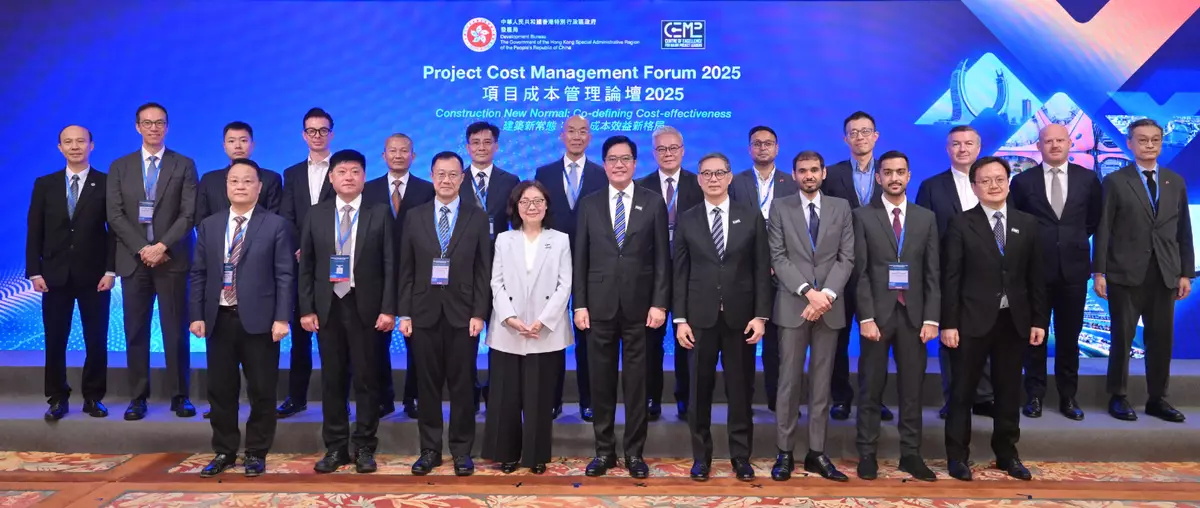
Project Cost Management Forum promotes cost-effectiveness of construction projects Source: HKSAR Government Press Releases
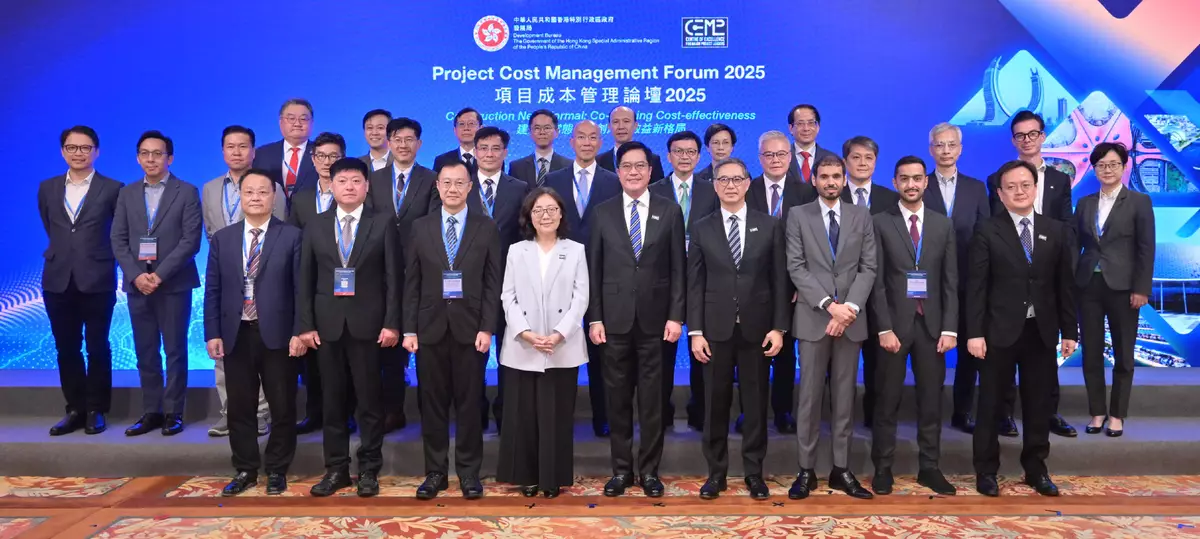
Project Cost Management Forum promotes cost-effectiveness of construction projects Source: HKSAR Government Press Releases
Project Cost Management Forum promotes cost-effectiveness of construction projects Source: HKSAR Government Press Releases
Project Cost Management Forum promotes cost-effectiveness of construction projects Source: HKSAR Government Press Releases
Project Cost Management Forum promotes cost-effectiveness of construction projects Source: HKSAR Government Press Releases
Project Cost Management Forum promotes cost-effectiveness of construction projects Source: HKSAR Government Press Releases