U.S. stocks were little changed on Friday as investors weighed weak consumer sentiment data and questioned whether the artificial intelligence (AI) investment boom can sustain its momentum.
The Dow Jones Industrial Average rose 74.80 points, or 0.16 percent, to 46,987.10. The S&P 500 added 8.48 points, or 0.13 percent, to 6,728.80. The Nasdaq Composite Index shed 49.45 points, or 0.21 percent, to 23,004.54.
Nine of the 11 primary S&P 500 sectors ended in green, with energy and utilities leading the gainers by climbing 1.56 percent and 1.37 percent, respectively. Communication services and technology led the laggards by declining 0.84 percent and 0.33 percent, respectively.
The preliminary reading of the University of Michigan Consumer Sentiment Index fell to 50.3 in November, the lowest level since June 2022. Its measure of current economic conditions also hit the weakest point in the report's history, underscoring consumer pessimism amid persistent inflation and the ongoing federal government shutdown.
Major AI-related stocks lost momentum this week, with Nvidia, AMD, Tesla and Microsoft all posting notable declines.
Altimeter Capital CEO Brad Gerstner said Friday that the recent pullback in technology shares represented "a healthy correction" following months of strong gains.
"The Nasdaq's gone up 40 percent off the bottom in April. The market was kind of looking for a reason for a breather," Gerstner said to CNBC. "This week, what you saw across the market is everybody looking for an excuse to sell the trade. I think it's healthy. We're taking some of the air out of the bubble. There's a wall of worry that stands in front of us."
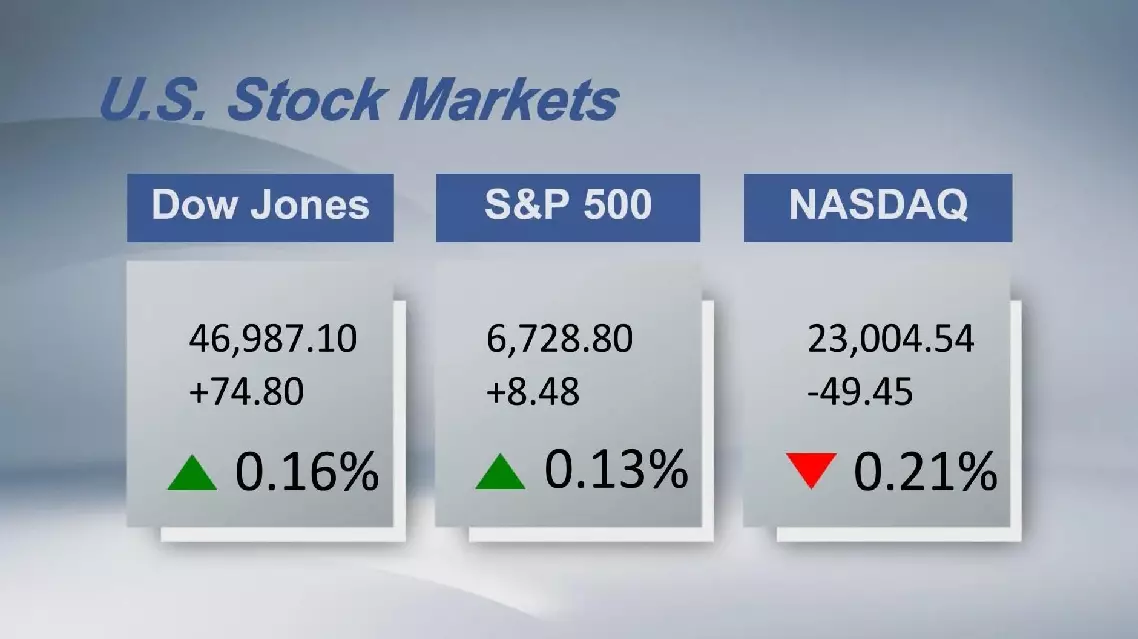
U.S. stocks close little changed after weak consumer sentiment data
China's Minister of Commerce Wang Wentao outlined the key priorities of the 32nd Asia-Pacific Economic Cooperation (APEC) Ministers Responsible for Trade Meeting, which opened on Friday in Suzhou, East China's Jiangsu province.
In an interview with CGTN ahead of the two-day meeting, Wang said free trade, digital cooperation and green economy are high on the agenda of the meeting.
"The key areas include advancing regional economic integration and the Free Trade Area of the Asia-Pacific, supporting the World Trade Organization (WTO) in strengthening digital cooperation and developing green economy. At present, the international situation is marked by intertwined turbulence and chaos, with intensified geopolitical instability. The rise of unilateralism and protectionism poses serious challenges to the international economic and trade order, disrupting global and Asia-Pacific development. Against this backdrop, all parties have higher expectations for this trade ministers' meeting, hoping that it can build consensus and deliver outcomes," Wang said.
This year marks China's third time hosting the APEC meetings and the 35th anniversary of its membership.
By 2025, China had become the largest trading partner of 13 APEC economies. Trade between China and APEC economies reached 3.7 trillion U.S. dollars, accounting for 57.8 percent of China's total foreign trade.
China has signed 24 free trade agreements or economic and trade arrangements with 31 countries and regions, including 15 APEC economies. In recent years, China has also completed upgrades of free trade agreements with APEC economies such as Singapore and Peru.
The minister said that China has always been a firm supporter and an important contributor to APEC.
"We have actively shared our vast market and development opportunities with all parties. China's door to the world will only open wider and wider. Facing the common challenges, China will continue to fulfill its responsibilities as a major country, further deepen reform, expand high-standard opening-up, and continue to provide new opportunities for the Asia-Pacific region and the world with its new achievements in Chinese modernization," the minister said.
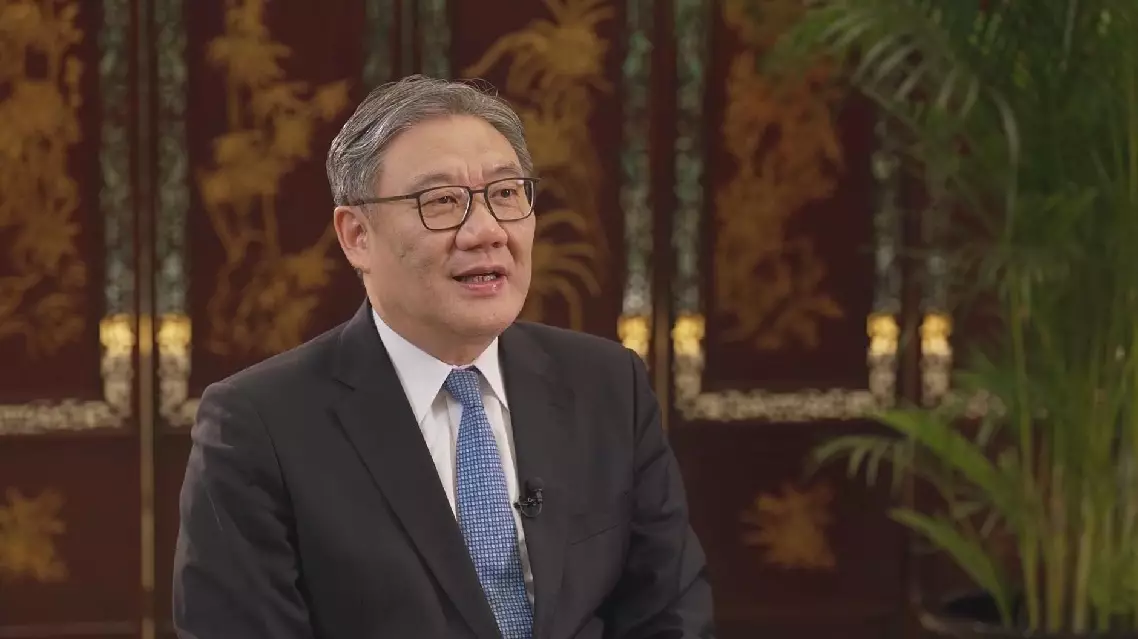
China's Commerce Minister outlines priorities for 32nd APEC trade ministers' meeting