TOKYO--(BUSINESS WIRE)--Nov 9, 2025--
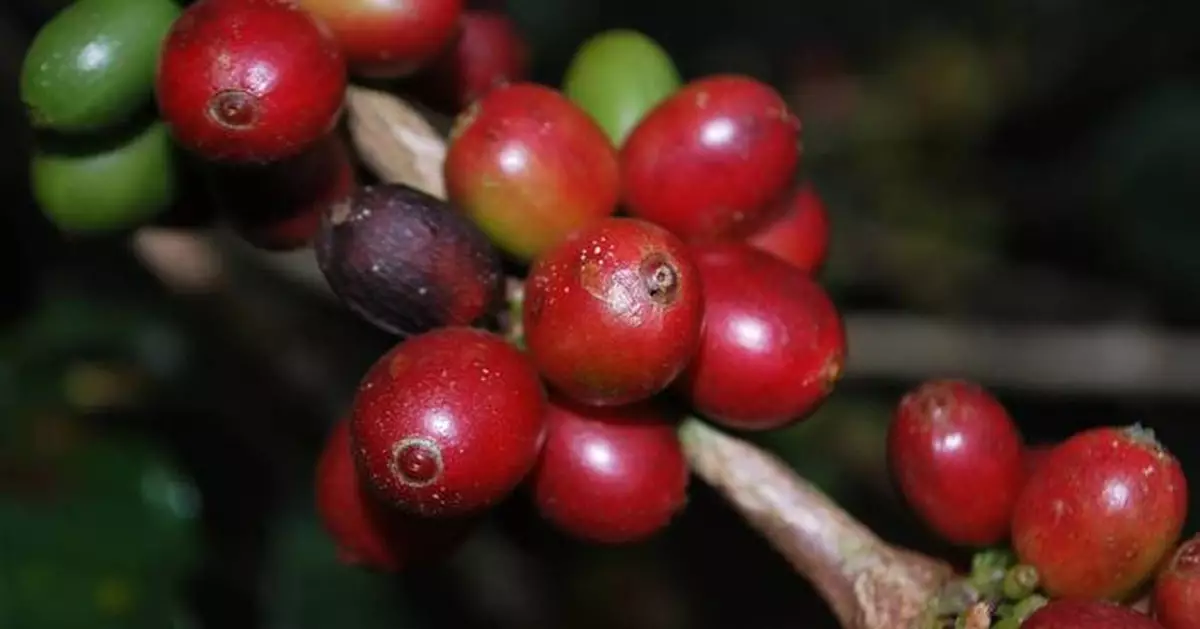
Kirin Holdings Co., Ltd.'s Institute for Future Beverage has successfully developed a fermented ingredient derived from coffee cherries *1. By utilizing coffee cherries *1 —whose pulp and skin are often discarded—as a valuable material, we aim to contribute to the sustainability of coffee farms and reduce environmental impact. Furthermore, due to its ability to enhance body and aroma, this ingredient has shown potential to improve the drinking satisfaction of non-alcoholic and low-alcohol beverages. We will continue to explore effective approaches to address alcohol-related social issues.
*1 Coffee cherries are the red fruits of the coffee plant, and their seeds are used as the raw material for coffee.
This press release features multimedia. View the full release here: https://www.businesswire.com/news/home/20251109805401/en/
1. Purpose and Background of the Development
After the seeds—used as raw material for coffee beans—are extracted, large quantities of coffee cherry pulp and peel are generated at production sites around the world, much of which is discarded. These parts contain high levels of compounds such as caffeine and polyphenols, raising concerns about their impact on ecosystems and environmental burdens such as water and soil pollution. While some regions have begun initiatives such as composting or using the dried skins as food ingredients *2, many regions continue to dispose them due to technical, economic, and regulatory challenges. In addition, global issues persist regarding the unstable income of coffee farms, stemming from factors such as fluctuating coffee prices and low productivity due to underdeveloped agricultural infrastructure. In Colombia in particular, an environmental tax is imposed on the disposal of coffee cherries, increasing the economic burden on farms. Against this backdrop, the Kirin Beverage Technology Research Center (now the Beverage Future Research Center) has been studying the effective use of coffee cherries since 2018.
*2 Examples include “Cascara” tea made from dried coffee cherry skins.
2. Development Details and Achievements
By applying Kirin’s proprietary wine aroma enhancement technology originally developed for wine, a new ingredient was created by fermenting juice extracted and concentrated from coffee cherries using lactic acid bacteria and yeast. This fermented material was found to enhance various sensory qualities—such as warmth, fermentation character, alcoholic impression, fruity notes, and richness—across a range of alcoholic and non-alcoholic beverages.
Adoption for “Kirin Tokusei” Brand
Based on preference survey results *3 using RTD *4 products, improvements in overall preference—such as ‘satisfaction’ and “premium quality”—were confirmed, suggesting potential to enhance drinking satisfaction. Consequently, we began adopting this ingredient for the RTD “Kirin Tokusei” brand. It is used in “Kirin Tokusei Melon Soda Sour (Limited Time Offer)” released in May 2025 and “Kirin Tokusei Mikan Cider Sour (Limited Time Offer) *5 ” scheduled for release on Tuesday, November 25.
*3 Company survey conducted in June 2024 among men and women aged 35-59 (n=90)
*4 Abbreviation for Ready to Drink. Alcoholic beverages that can be drunk immediately after opening.
*5 New release from “Kirin Tokusei”—which delivers “premium flavor crafted with care”—“Kirin Tokusei Mikan Cider Sour (Limited Time)”! (Only Japanese)
Implications from a preference survey using non-alcoholic beverages *6
A survey using non-alcoholic beverages containing this ingredient confirmed “enhanced mouthfeel” and “improved flavor,” suggesting the potential to increase drinking satisfaction for non-alcoholic and low-alcohol beverages.
*6 Survey conducted in May 2023 among men and women aged 30-59 who desire authentic taste in non-alcoholic beverages (n=51)
3. Future Developments
4. Developer’s Perspective
About Kirin Holdings
Kirin Holdings Company, Limited (TOKYO:2503) is an international company that operates in the Food & Beverages domain (Food & Beverages businesses), Pharmaceuticals domain (Pharmaceuticals businesses), and Health Science domain (Health Science business), both in Japan and across the globe.
Kirin Holdings can trace its roots to Japan Brewery which was established in 1885. Japan Brewery became Kirin Brewery in 1907. Since then, the company expanded its business with fermentation and biotechnology as its core technologies, and entered the pharmaceutical business in the 1980s, all of which continue to be global growth centers. In 2007, Kirin Holdings was established as a pure holding company and is currently focusing on boosting its Health Science domain.
Under the Kirin Group Vision 2027 (KV 2027), a long-term management plan launched in 2019, the Kirin Group aims to become “A global leader in CSV*, creating value across our world of Food & Beverages to Pharmaceuticals.” Going forward, the Kirin Group will continue to leverage its strengths to create both social and economic value through its businesses, with the aim of achieving sustainable growth in corporate value.
*: Creating Shared Value. Combined added value for consumers as well as for society at large.
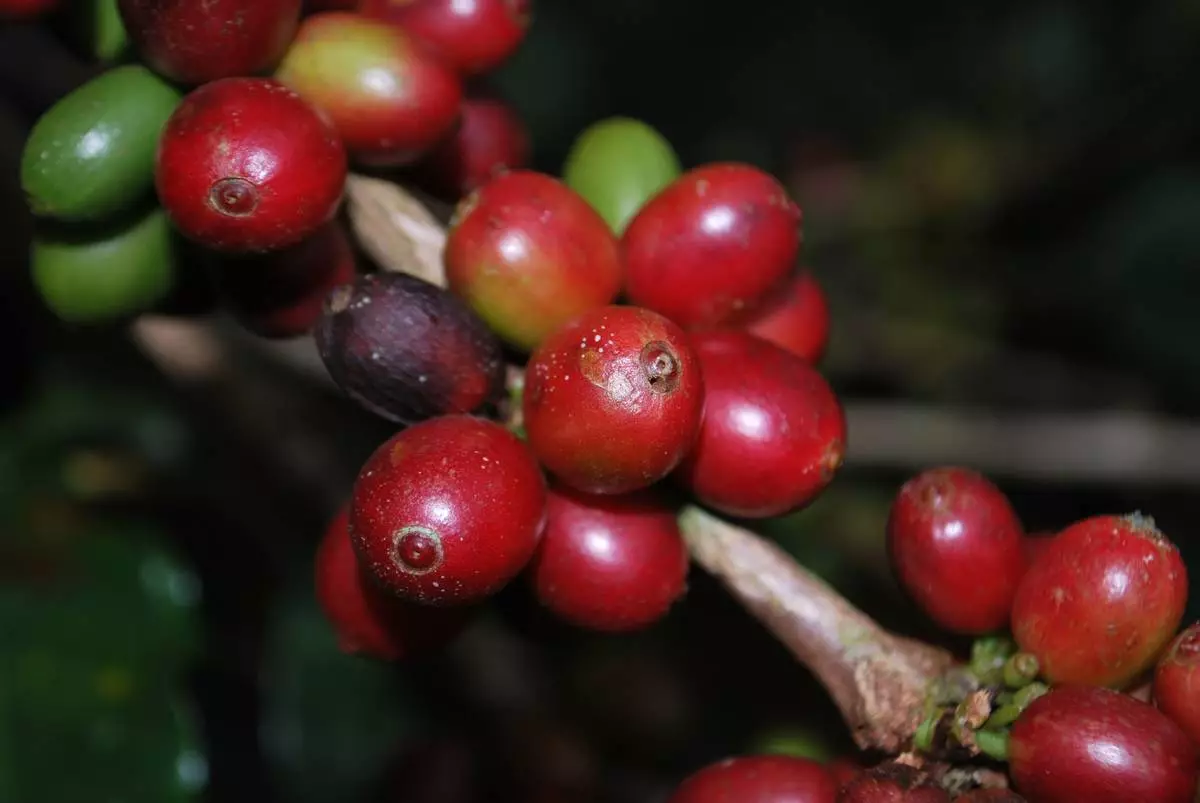
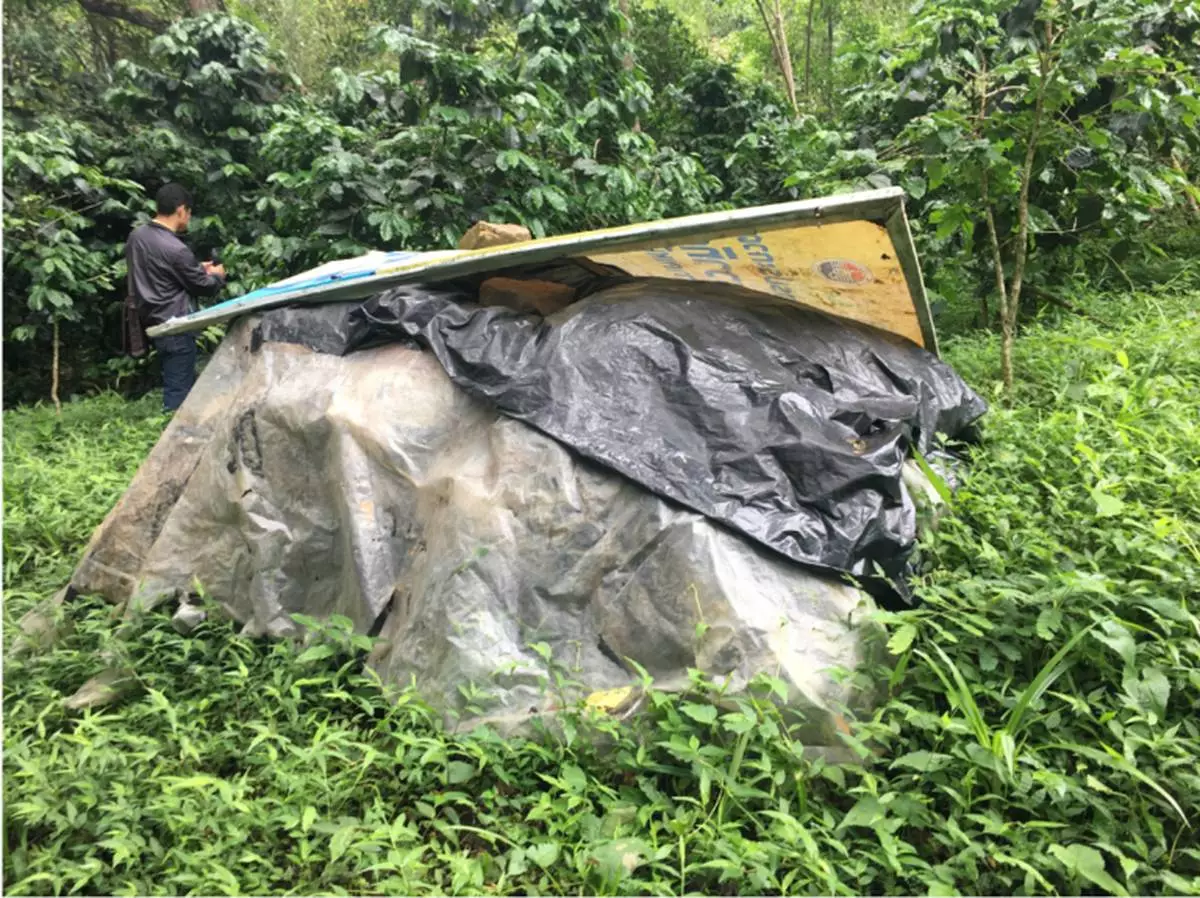
Discarded coffee cherry pulp and skins wrapped in plastic, left on the farm.
Coffee cherries
WASHINGTON (AP) — The Supreme Court is taking up one of the term’s most consequential cases, President Donald Trump’s executive order on birthright citizenship declaring that children born to parents who are in the United States illegally or temporarily are not American citizens, and he was in the courtroom on Wednesday for some of the arguments.
The justices are hearing Trump’s appeal of a lower-court ruling from New Hampshire that struck down the citizenship restrictions, one of several courts that have blocked them. They have not taken effect anywhere in the country.
Trump is the first sitting president to attend oral arguments at the nation’s highest court. He spent just over an hour inside the courtroom, hearing arguments by the government’s lawyer, Solicitor General D. John Sauer. He left shortly after Sauer wrapped up and the plaintiff was invited to present her case.
The case frames another test of Trump's assertions of executive power that defy long-standing precedent for a court that has largely ruled in the president's favor — but with some notable exceptions that Trump has responded to with starkly personal criticisms of the justices. A definitive ruling is expected by early summer.
The birthright citizenship order, which Trump signed the first day of his second term, is part of his Republican administration’s broad immigration crackdown.
Birthright citizenship is the first Trump immigration-related policy to reach the court for a final ruling. The justices previously struck down global tariffs Trump had imposed under an emergency powers law that had never been used that way.
Trump reacted furiously to the late February tariffs decision, saying he was ashamed of the justices who ruled against him and calling them unpatriotic.
He issued a preemptive broadside against the court on Sunday on his Truth Social platform. “Birthright Citizenship is not about rich people from China, and the rest of the World, who want their children, and hundreds of thousands more, FOR PAY, to ridiculously become citizens of the United States of America. It is about the BABIES OF SLAVES!,” the president wrote. “Dumb Judges and Justices will not a great Country make!”
Trump's order would upend the long-standing view that the Constitution’s 14th Amendment, ratified in 1868, and federal law since 1940 confer citizenship on everyone born on American soil, with narrow exceptions for the children of foreign diplomats and those born to a foreign occupying force.
The 14th Amendment was intended to ensure that Black people, including former slaves, had citizenship, though the Citizenship Clause is written more broadly. “All persons born or naturalized in the United States, and subject to the jurisdiction thereof, are citizens of the United States and of the State wherein they reside,” it reads.
In a series of decisions, lower courts have struck down the executive order as illegal, or likely so, under the Constitution and federal law. The decisions have invoked the high court's 1898 ruling in Wong Kim Ark, which held that the U.S.-born child of Chinese nationals was a citizen.
The Trump administration argues that the common view of citizenship is wrong, asserting that children of noncitizens are not “subject to the jurisdiction” of the United States and therefore are not entitled to citizenship.
The court should use the case to set straight “long-enduring misconceptions about the Constitution’s meaning,” wrote Sauer, the solicitor general.
No court has accepted that argument, and lawyers for pregnant women whose children would be affected by the order said the Supreme Court should not be the first to do so.
“We have the president of the United States trying to radically reinterpret the definition of American citizenship,” said Cecillia Wang, the American Civil Liberties Union legal director who is facing off against Sauer at the Supreme Court.
More than one-quarter of a million babies born in the U.S. each year would be affected by the executive order, according to research by the Migration Policy Institute and Pennsylvania State University’s Population Research Institute.
While Trump has largely focused on illegal immigration in his rhetoric and actions, the birthright restrictions also would apply to people who are legally in the United States, including students and applicants for green cards, or permanent resident status.
Associated Press writer Darlene Superville contributed to this report.
Follow the AP’s coverage of the U.S. Supreme Court at https://apnews.com/hub/us-supreme-court.
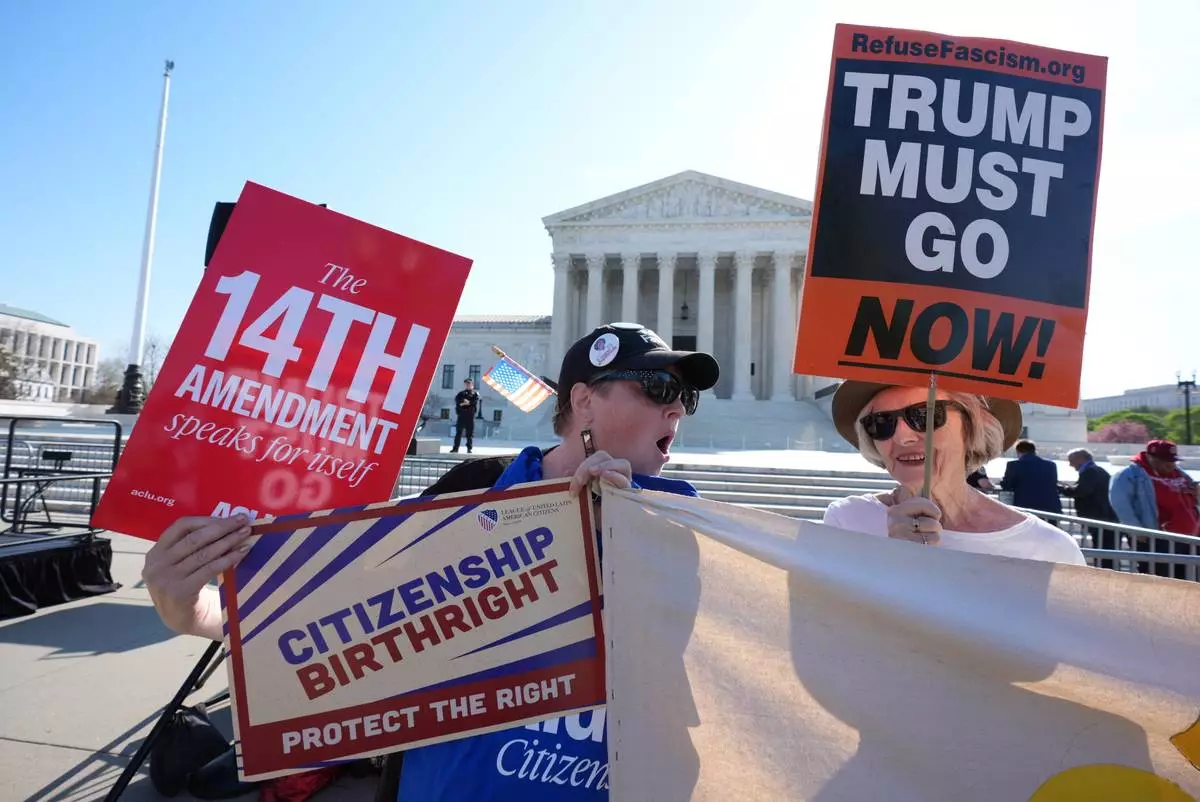
Pro and anti-Trump demonstrators rally outside the U.S. Supreme Court, before justices hear oral arguments on whether President Donald Trump can deny citizenship to children born to parents who are in the United States illegally or temporarily, on Capitol Hill, in Washington, Wednesday, April 1, 2026. (AP Photo/J. Scott Applewhite)
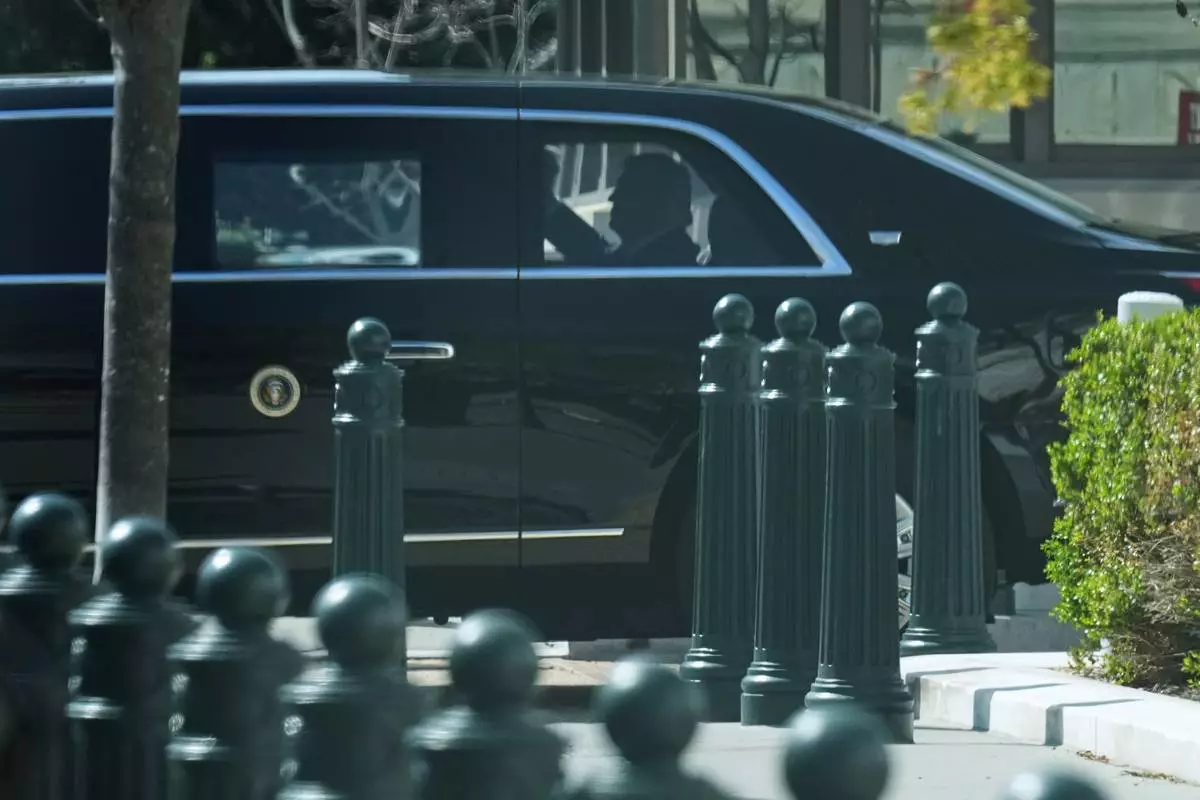
President Donald Trump leaves the U.S. Supreme Court, Wednesday, April 1, 2026, in Washington. (AP Photo/Mark Schiefelbein)

President Donald Trump's motorcade arrives at the U.S. Supreme Court, Wednesday, April 1, 2026, in Washington. (AP Photo/Tom Brenner)

Pro and anti-Trump demonstrators rally outside the U.S. Supreme Court, before justices hear oral arguments on whether President Donald Trump can deny citizenship to children born to parents who are in the United States illegally or temporarily, on Capitol Hill, in Washington, Wednesday, April 1, 2026. (AP Photo/J. Scott Applewhite)

President Donald Trump's motorcade arrives at the U.S. Supreme Court, Wednesday, April 1, 2026, in Washington. (AP Photo/Tom Brenner)
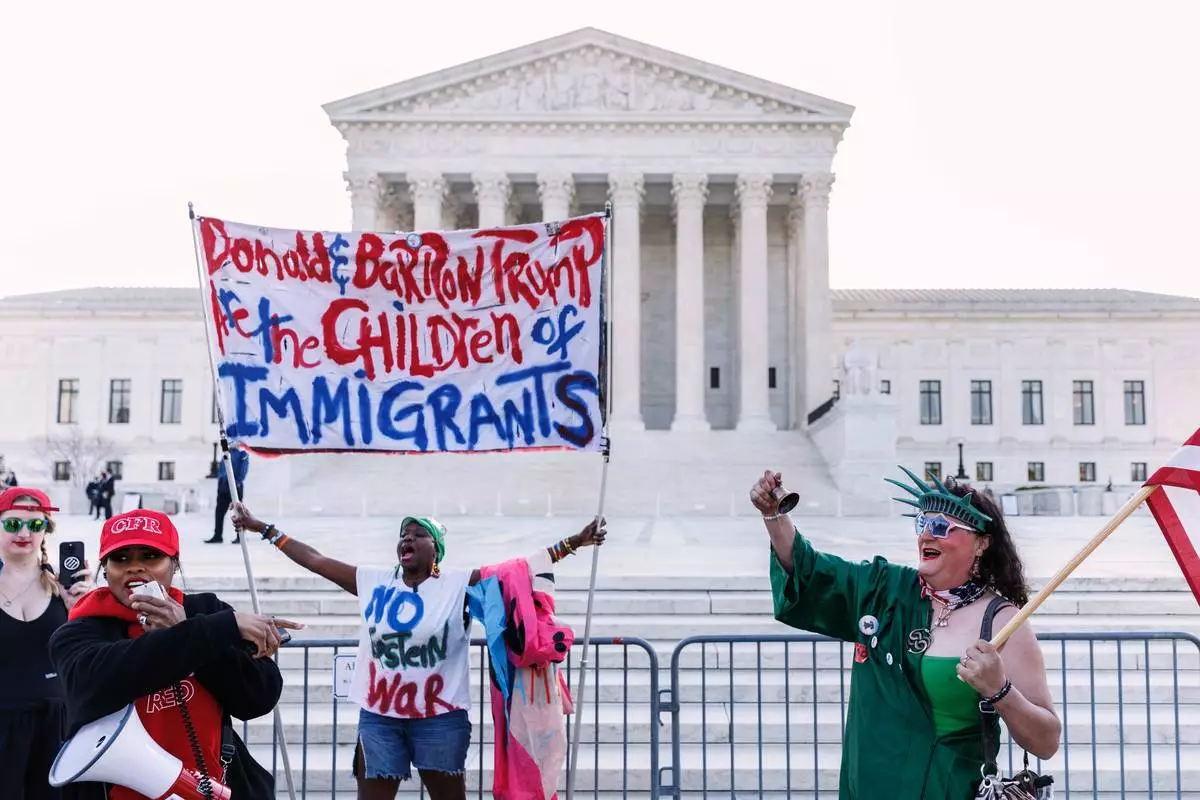
Demonstrators holding opposing views verbally engage ahead of President Donald Trump's arrival at the U.S. Supreme Court, Wednesday, April 1, 2026, in Washington. (AP Photo/Tom Brenner)
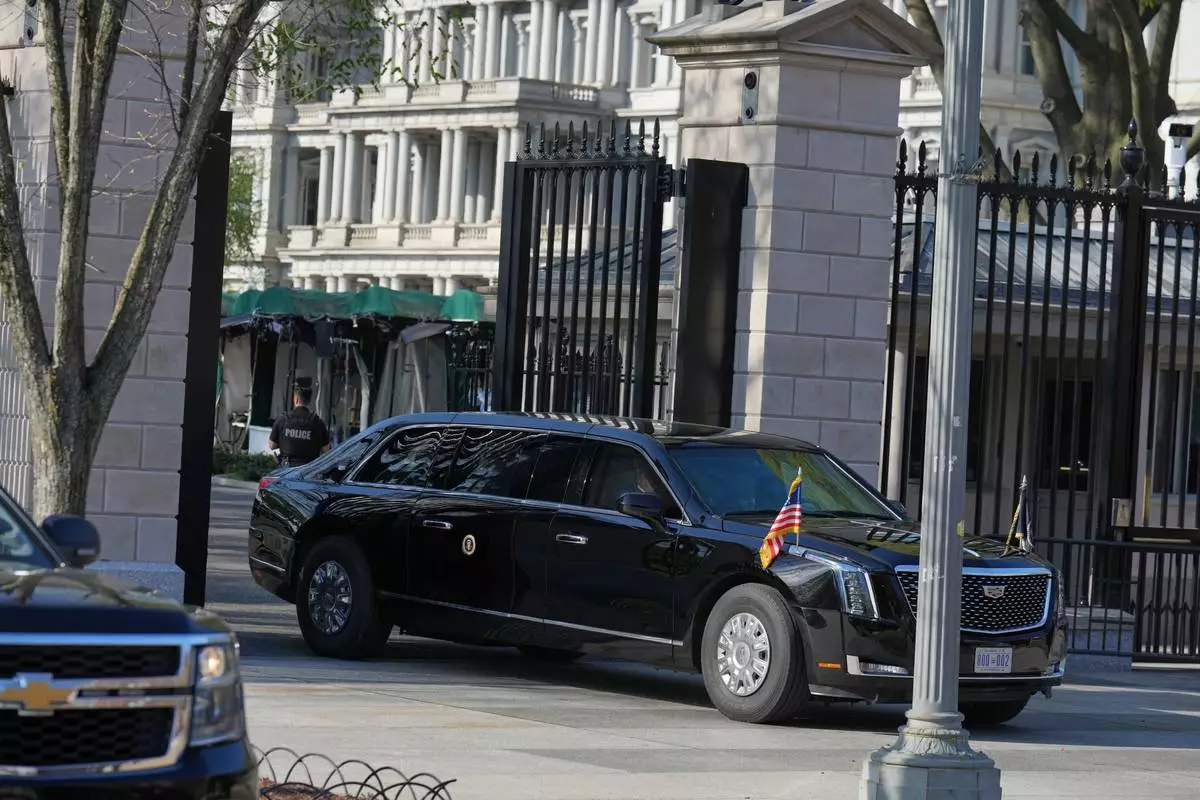
President Donald Trump's limo exits the White House en route to the Supreme Court, Wednesday, April 1, 2026, in Washington. (AP Photo/Mark Schiefelbein)

President Donald Trump's motorcade arrives at the U.S. Supreme Court, Wednesday, April 1, 2026, in Washington. (AP Photo/Tom Brenner)

Pro and anti-Trump demonstrators rally outside the U.S. Supreme Court, before justices hear oral arguments on whether President Donald Trump can deny citizenship to children born to parents who are in the United States illegally or temporarily, on Capitol Hill, in Washington, Wednesday, April 1, 2026. (AP Photo/J. Scott Applewhite)
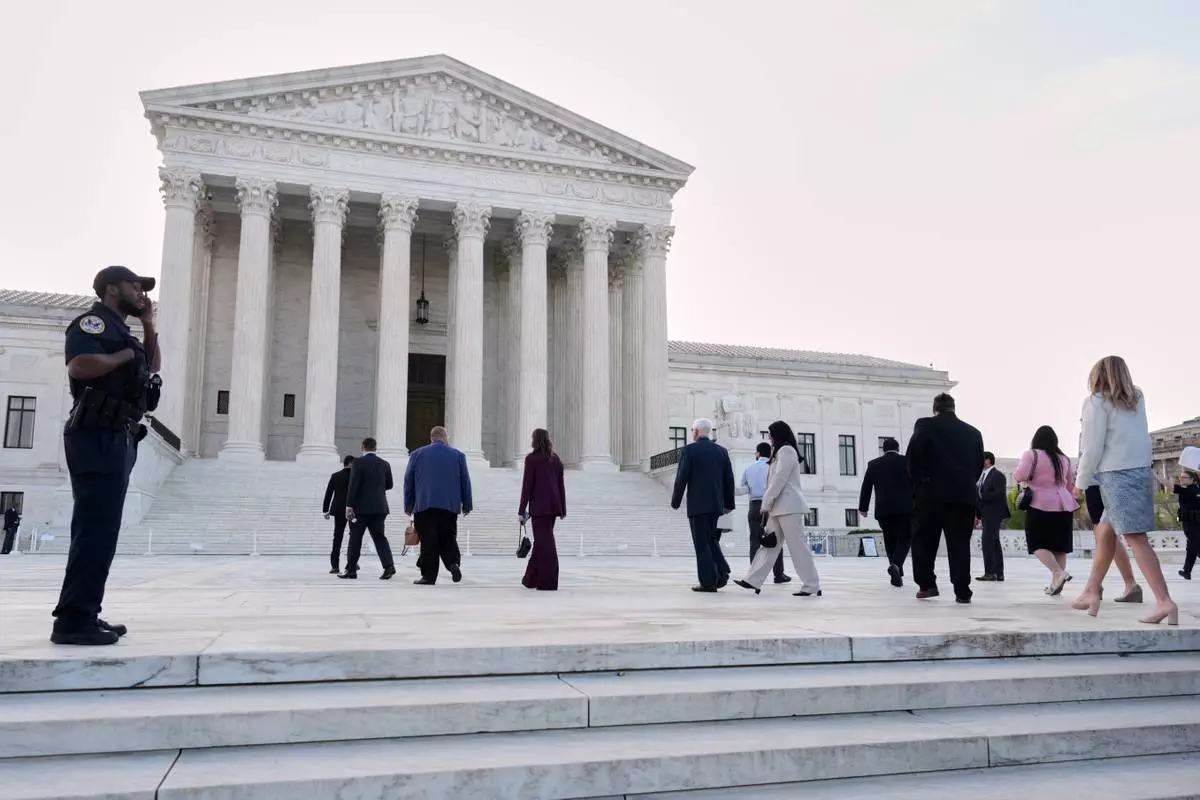
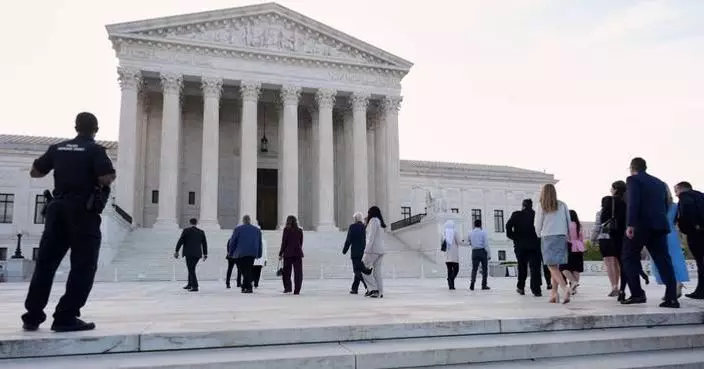
People arrive to walk inside the U.S. Supreme Court, on Capitol Hill in Washington, Wednesday, April 1, 2026. The Supreme Court justices will hear oral arguments today on whether President Donald Trump can deny citizenship to children born to parents who are in the United States illegally or temporarily. (AP Photo/J. Scott Applewhite)
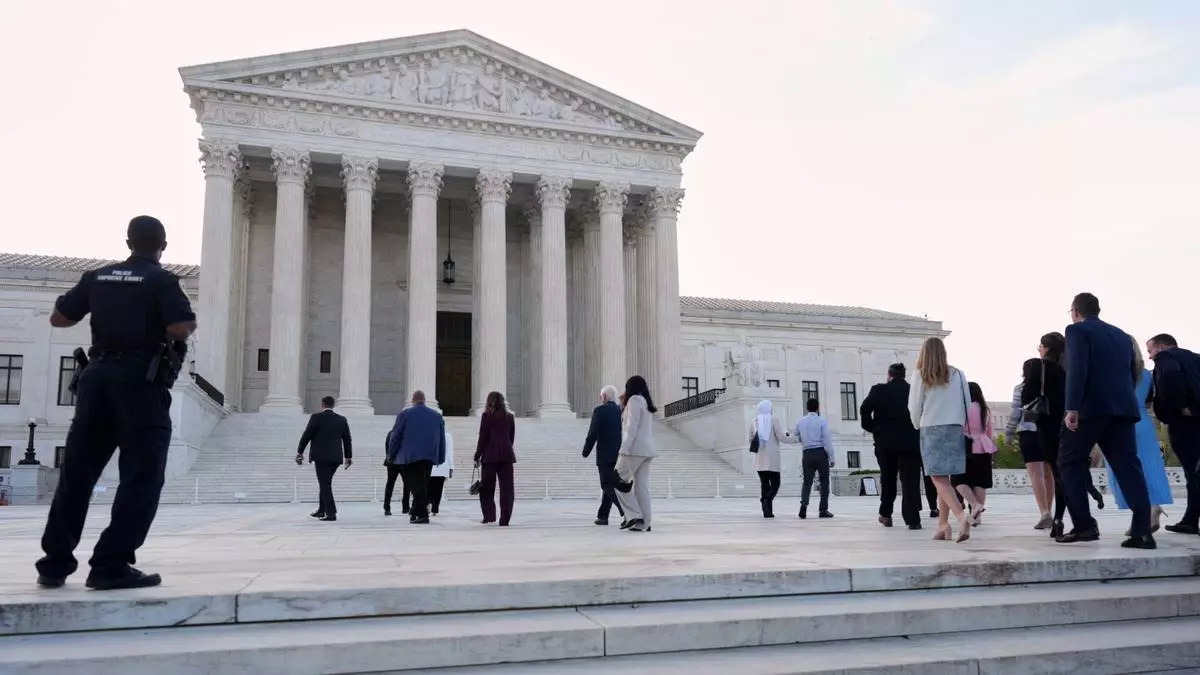
People arrive to walk inside the U.S. Supreme Court, on Capitol Hill in Washington, Wednesday, April 1, 2026. The Supreme Court justices will hear oral arguments today on whether President Donald Trump can deny citizenship to children born to parents who are in the United States illegally or temporarily. (AP Photo/J. Scott Applewhite)
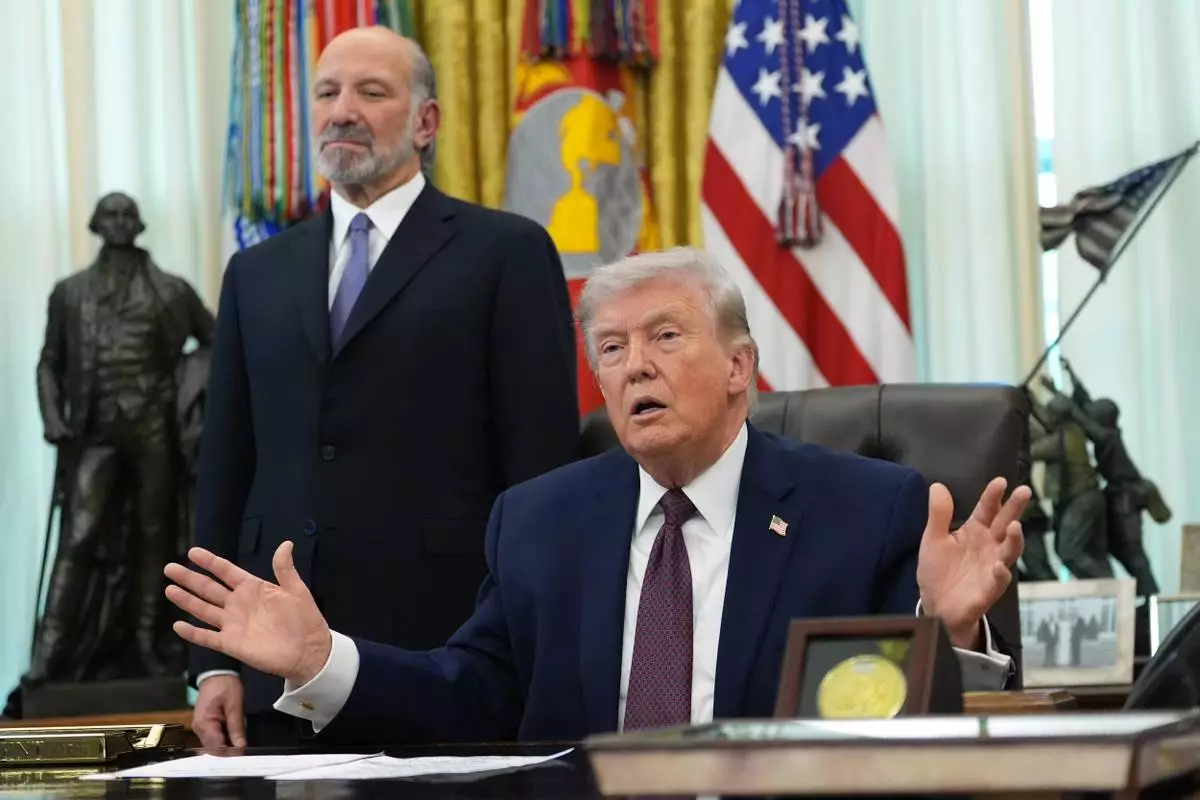
President Donald Trump answers questions from reporters after signing an executive order in the Oval Office of the White House Tuesday, March 31, 2026, in Washington, as Commerce Secretary Howard Lutnick listens. (AP Photo/Alex Brandon)
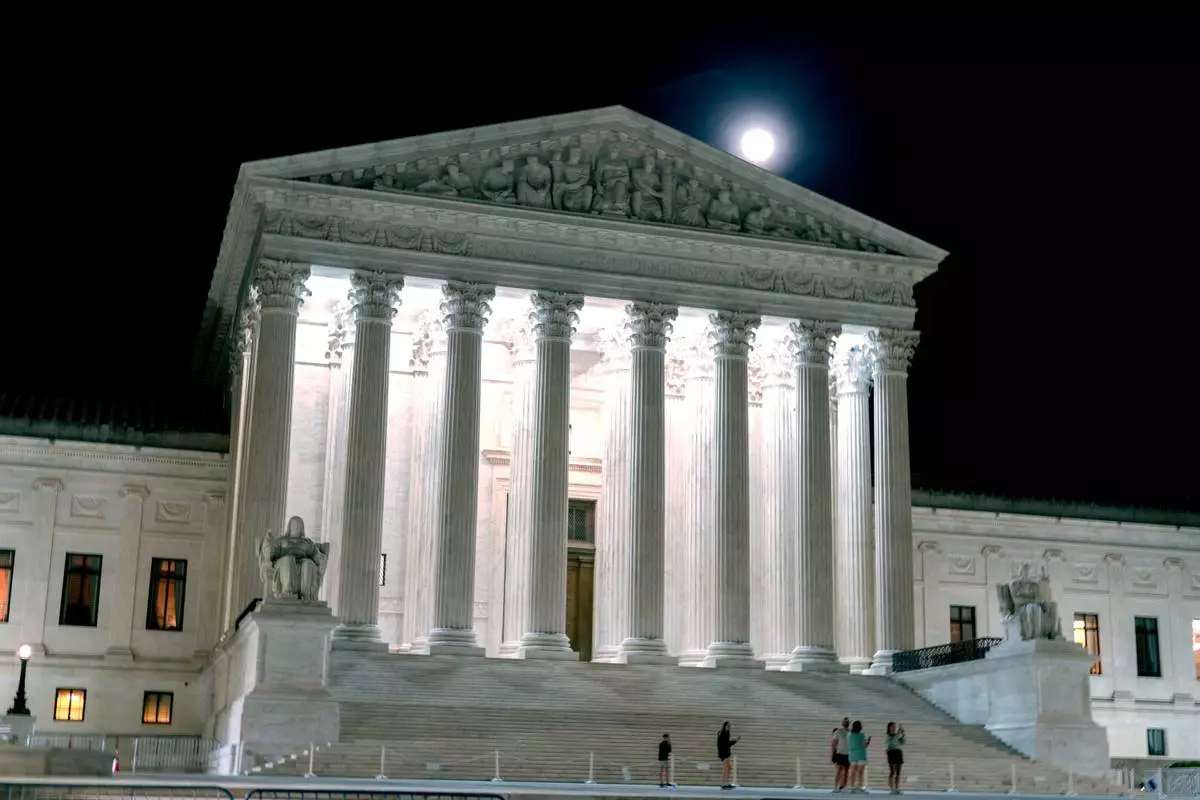
The U.S. Supreme Court is seen as the moon rises Tuesday, March 31, 2026, in Washington. (AP Photo/Jose Luis Magana)