Rescue teams are still pulling bodies from the mud and debris in Uganda's Sebei region following prolonged intense rainfall in the Elgon highlands, which triggered massive soil movements across steep slopes between Oct 30 and Nov 31 this year.
The Uganda Red Cross Society, which is leading search and recovery efforts, says hopes of finding more survivors are fading, even as families in the area continue to report missing relatives.
Additional teams from the army and police have joined the operations, but heavy rains are slowing down rescue efforts.
"As we talk now, they are using rudimentary tools, so you saw that there is still some need of more manpower, because if people are saying that about 19 bodies are covered and we have so far only recovered two, that leaves you with about 17 that have not yet been retrieved from here. But what we can commit, under the coordination of the Office of the Prime Minister, that we shall do whatever it takes to see that we try to recover the bodies of the families that were covered here," said John Cliff Wamala an officer at Uganda Red Cross Society.
The government has offered about 1,500 U.S. dollars to each bereaved family to help with burial arrangements.
Hundreds of survivors who lost their homes are now sheltering in temporary centers, as they wait to be moved to safer ground.
But the danger is not over yet, as more heavy rains are expected in the coming weeks and authorities are warning of fresh landslides.
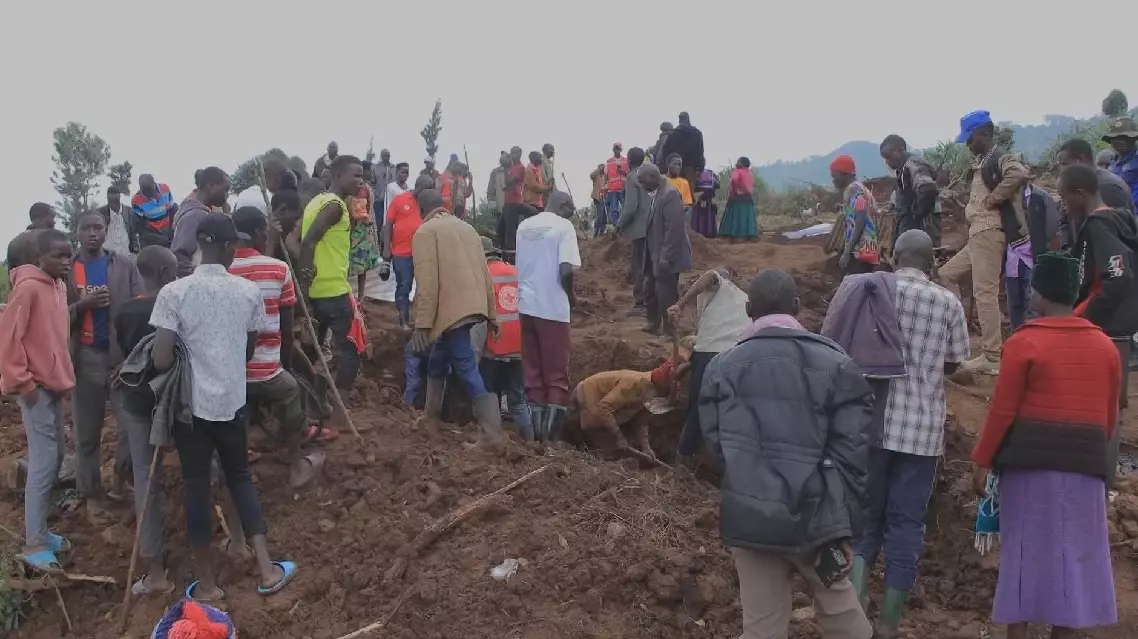
Uganda rescue operations continue after fatal landslides
Tanzanians doing business in the Middle East have been forced to scale down or cease operations altogether, as the U.S.-Israeli war on Iran disrupts global travel.
In early March, Tanzanian authorities sent a special flight to bring home more than 200 citizens from Dubai.
Mustapha Khatow, who runs the travel agency Sky Link Travel and Tours, said he has spent nearly four decades in the tourism industry, moving between Dubai and Tanzania, serving both corporate and leisure travelers. But the recent tensions involving Iran and the disruption to flights and business have hit hard, forcing him to relocate his family back to Tanzania.
"Tanzanian travel agents in the whole, they have been hit, because we've had huge cancellations for Eid, people going to Dubai, for Easter holidays, going to Dubai. So, we have lost a big chunk of people who do not wish to go to Dubai at this time," he said.
The impact is being felt beyond tourism. Supply challenges linked to the conflict have pushed up global oil prices, raising concerns for import-dependent economies like Tanzania. Authorities say they are taking measures to cushion businesses and maintain steady fuel supplies.
Aviation and tourism in the Middle East have also taken a hit. In Dubai, more than 80,000 travel bookings were canceled in the first week of the conflict as airports faced intermittent closures and uncertainty, leading to millions of dollars in losses.
Reports indicate that visitor arrivals in the Middle East could decline by between 11 percent and 27 percent in 2026. Travel industry professionals like Khatow view the downturn as collateral damage from the conflict and hope for a swift resolution to help revive tourism.
"Those big traders who bring containers to Tanzania, they have a challenge because of the shipping lines getting delayed, freight charges going up. And again, another issue is Air Tanzania has not been flying to Dubai since then, apart from one repatriation flight," he said.
Khatow said diplomacy will be key to restoring stability, while accurate reporting can help limit further damage to businesses.
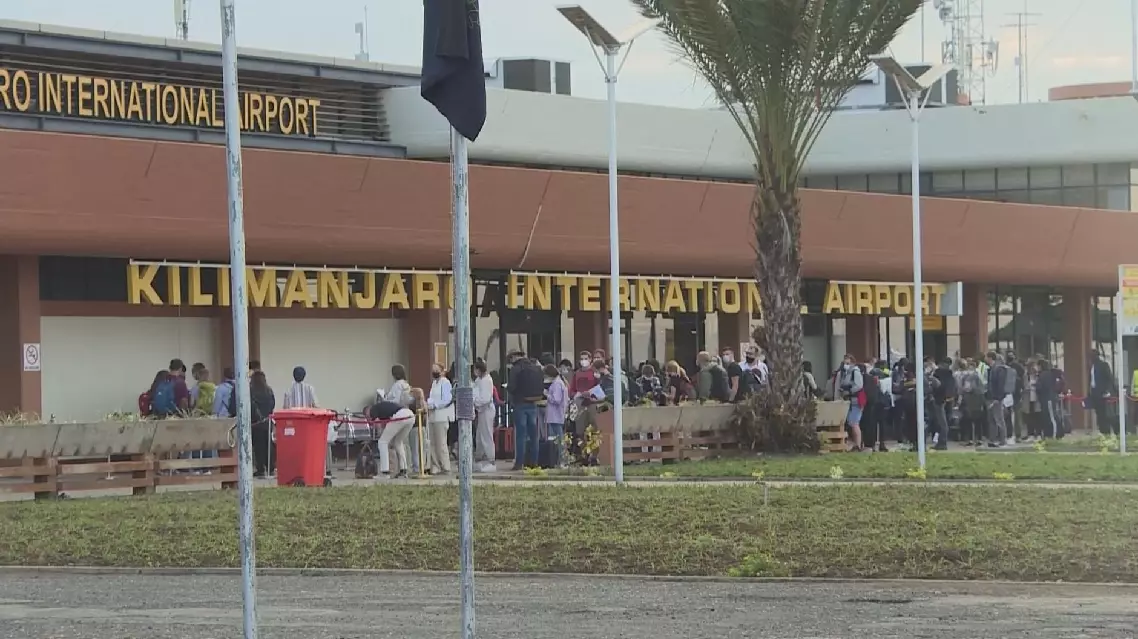
US-Israeli war on Iran disrupts travel businesses from Tanzania