Skip to Content Facebook Feature Image

Israel's death penalty law targeting Palestinians violates international law: UN human rights chief
HotTV

HotTV

HotTV

Israel's death penalty law targeting Palestinians violates international law: UN human rights chief
2026-04-01 15:49 Last Updated At:04-02 12:09

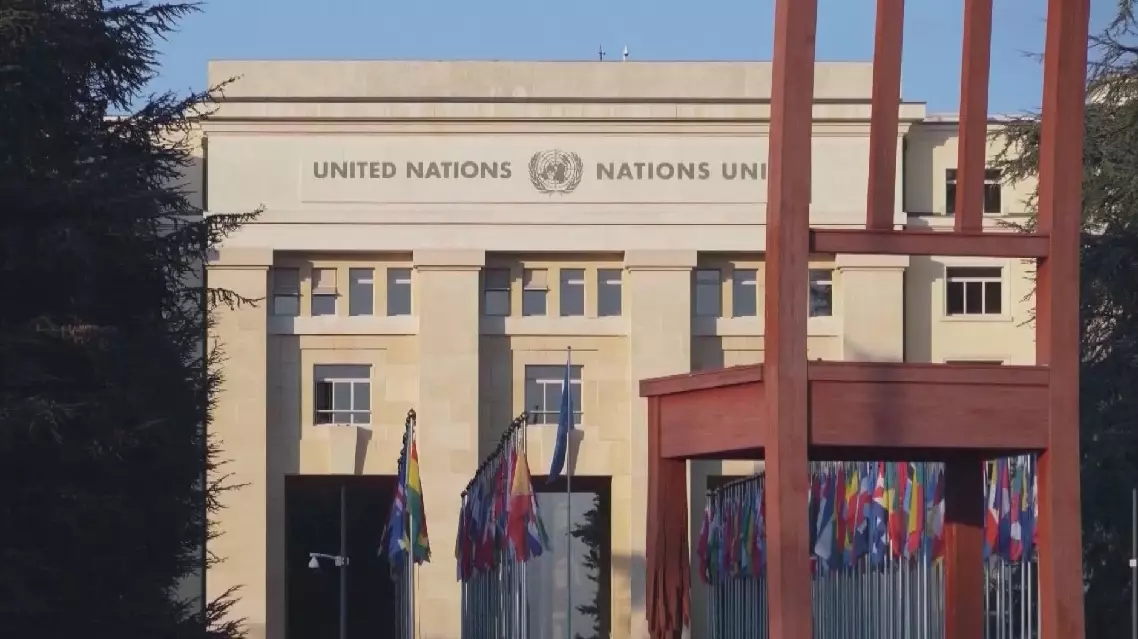
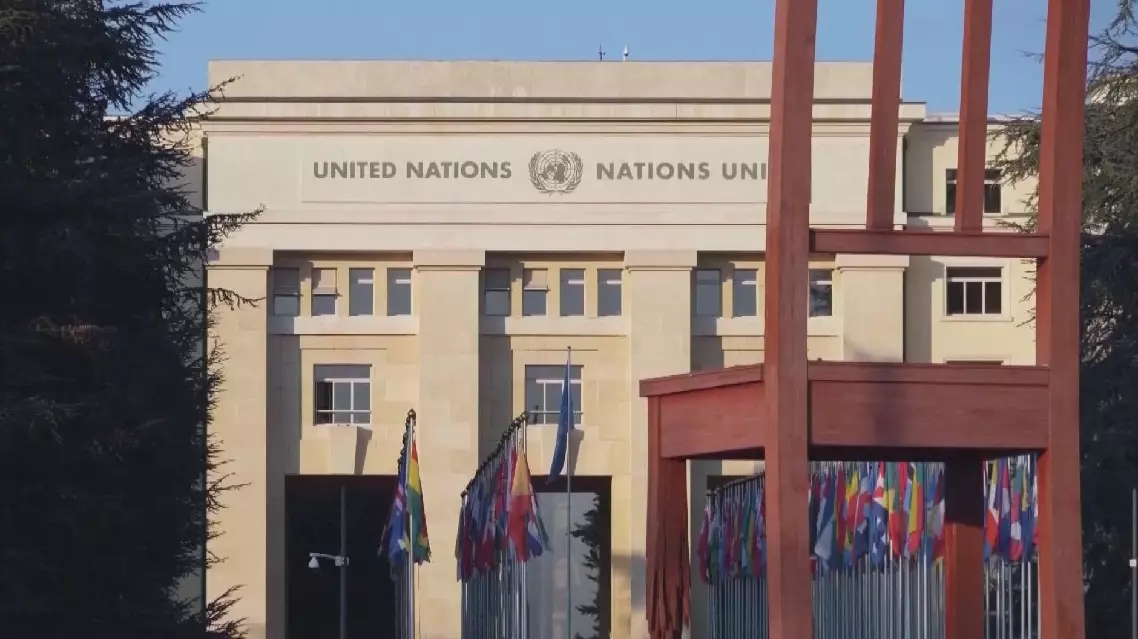
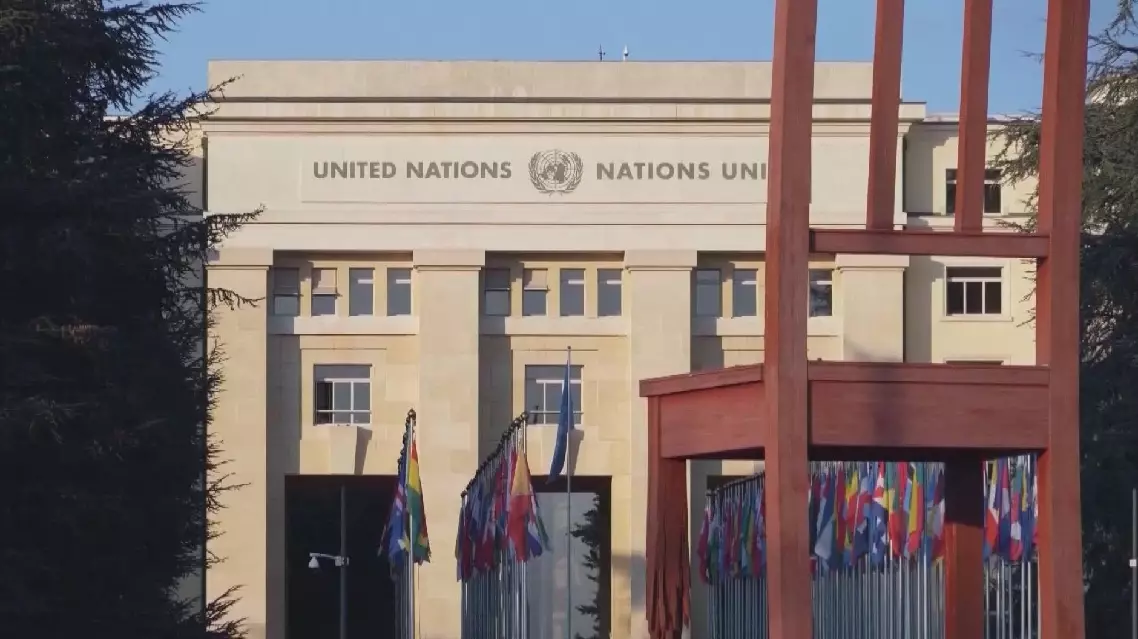
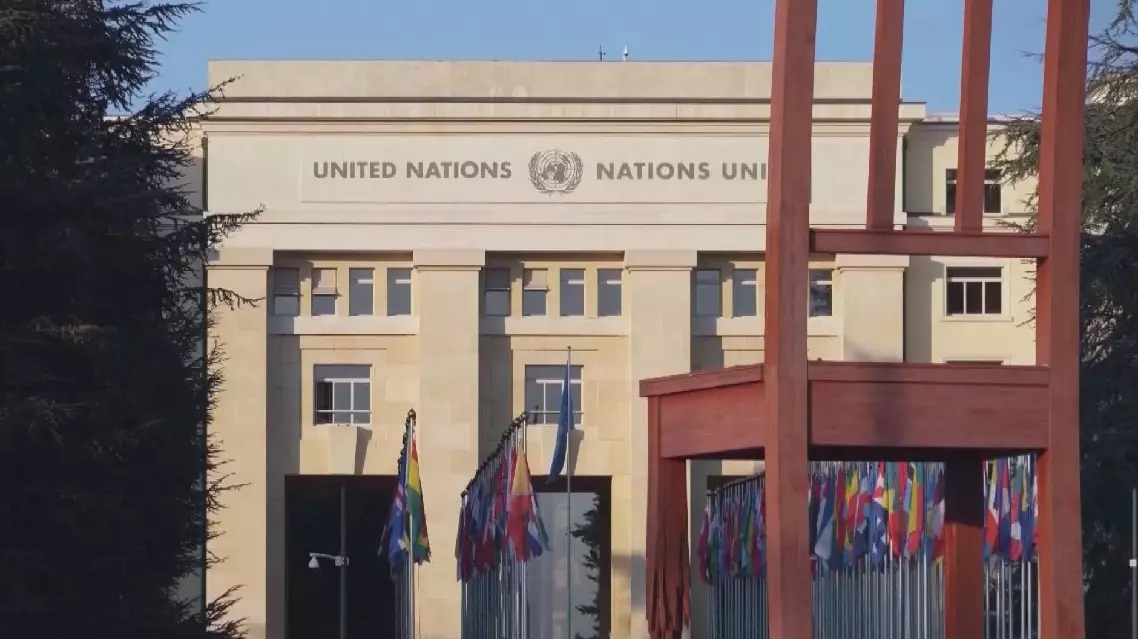
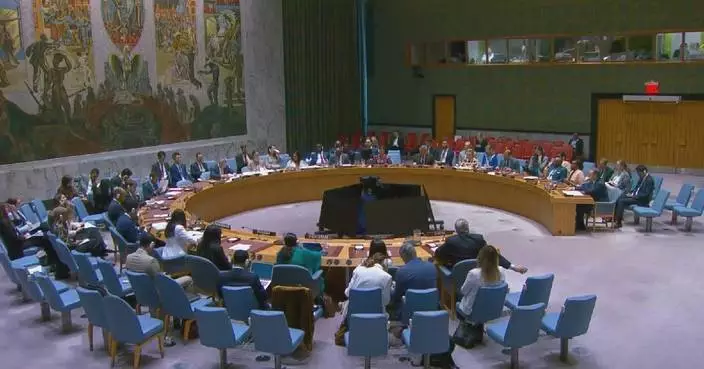
United Nations High Commissioner for Human Rights Volker Turk said on Tuesday that Israel's death penalty legislation targeting Palestinians violates international law.

In a statement, Turk said it is "deeply disappointing" that this bill has been approved by the Knesset, the Israeli parliament.

More Images
Israel's death penalty law targeting Palestinians violates international law: UN human rights chief
Israel's death penalty law targeting Palestinians violates international law: UN human rights chief


Israel's death penalty law targeting Palestinians violates international law: UN human rights chief

Israel's death penalty law targeting Palestinians violates international law: UN human rights chief

Israel's death penalty law targeting Palestinians violates international law: UN human rights chief

Israel's death penalty law targeting Palestinians violates international law: UN human rights chief
Israel's death penalty law targeting Palestinians violates international law: UN human rights chief

Israel's death penalty law targeting Palestinians violates international law: UN human rights chief

"It is patently inconsistent with Israel's international law obligations, including in relation to the right to life. It raises serious concerns about due process violations, is deeply discriminatory, and must be promptly repealed," the statement said.

Israel's parliament on Monday approved a bill making the death penalty a punishment by default for Palestinians in the West Bank convicted of "terrorism," a move that has drawn international criticism.

Proposed by Israel's far-right coalition government, the new law mandates the death penalty for Palestinians convicted of killing Israelis with the intent to harm the state. It does not apply to Israelis who kill Palestinians.

Under the law, courts can impose the death penalty even if prosecutors do not request it, and a unanimous judicial decision is not required.

Israel's death penalty law targeting Palestinians violates international law: UN human rights chief

Israel's death penalty law targeting Palestinians violates international law: UN human rights chief

Israel's death penalty law targeting Palestinians violates international law: UN human rights chief

Israel's death penalty law targeting Palestinians violates international law: UN human rights chief

Israel's death penalty law targeting Palestinians violates international law: UN human rights chief

Israel's death penalty law targeting Palestinians violates international law: UN human rights chief

Israel's death penalty law targeting Palestinians violates international law: UN human rights chief

Israel's death penalty law targeting Palestinians violates international law: UN human rights chief

Chinese Premier Li Qiang on Thursday presided over a State Council executive meeting that studied work on building a unified national market and reviewed and approved a plan for the development of a modern emergency response system during the 15th Five-Year Plan period (2026-2030).

Noting that building a unified national market is essential to advancing high-quality development, the meeting called for deepening institutional frameworks in areas such as property rights protection, market access, fair competition, social credit and market exit mechanisms.

The meeting also urged efforts to advance high-standard connectivity of market infrastructure to facilitate smooth economic circulation and effectively reduce logistics costs across society.

Emergency management is critical to protecting people's lives and property, the meeting said. It called for accelerating the development of a modern emergency response system, deepening reform and innovation in emergency management, and improving coordinated response mechanisms.

Efforts should be made to strengthen risk prevention at the source, enhance monitoring, forecasting and early warning, and accelerate a shift in governance toward proactive prevention, according to the meeting.

A draft revision of the Law on the People's Bank of China was also discussed and approved in principle at the meeting, which decided to submit the draft to the Standing Committee of the National People's Congress for deliberation.

Chinese premier chairs State Council executive meeting

Chinese premier chairs State Council executive meeting

Recommended Articles