Vice president of the International Olympic Committee (IOC) Juan Antonio Samaranch Jr. has hailed China as a global sports powerhouse, commending its remarkable achievements and enduring contributions to the Olympic movement.
From China's first Olympic gold medal in 1984 to its historic hosting of both Summer and Winter Games, Samaranch highlighted a steady rise in performance and capacity that has made China one of the Olympic family's most important partners.
For more than 40 years, the Samaranch family has shared a special connection with China, witnessing the country's transformation into one of the Olympic movement's most influential players.
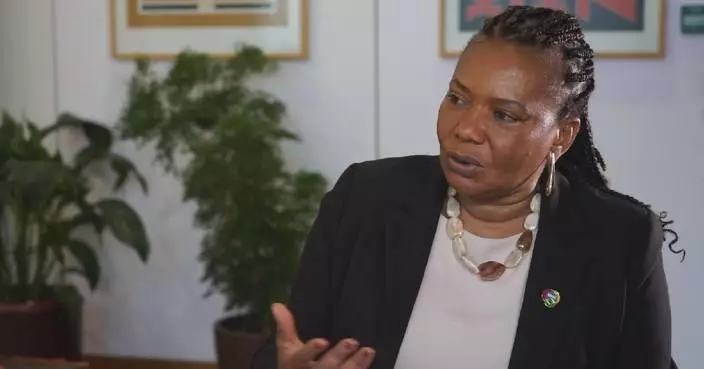
In an exclusive interview with China Global Television Network (CGTN) aired on Tuesday, Samaranch reflected on China's Olympic journey and the legacy of his late father, Juan Antonio Samaranch Sr.
He noted that the relationship began in 1980, when his father became IOC president with a firm belief that the Olympic symbol could never be complete without true universality, and that universality could not be imagined without China.
"It started in the 1980s, the first result was the participation of the Chinese teams in 1984 in Los Angeles with the first gold medal for China, my father was able to award that medal himself. And after that, it came a string of successes for China and their teams," he said.
"Not the least important of all, 2008 was at the Bird's Nest, that China for the first time could open the Games in your home country. And then it continued with the Youth Games in Nanjing. And then also 2022 Beijing Winter Games here in Beijing," he added.
"There has been a continuous increase in the capacity and performance of your athletes at the Olympic Games and at the World Championships across most sports. I would say that 2008 is one of the key steppingstones to take the Chinese sports community to the extremely high level where you stand today. And you have continued to do that. I would say [through] the Olympic Games, this past Winter [Games] again in Beijing. According to President Xi, he promised that the legacy from these Games would be more than 300 million people will embrace winter sports, and I’m so proud that I could participate in delivering that. With outstanding success, that legacy was delivered to the Chinese people," he continued.
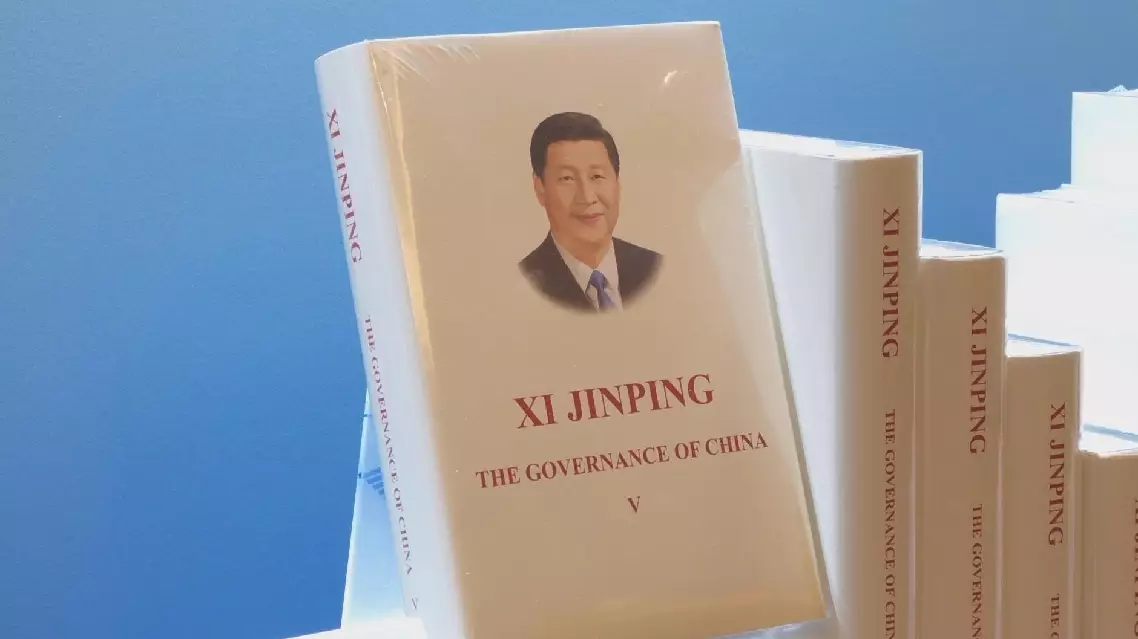
In September 2017, Samaranch visited China to meet with President Xi Jinping and discuss preparations for the 2022 Winter Olympics. The meeting underscored China's high-level commitment to the Olympic movement and its vision for legacy-building across Asia.
"It was as to be expected, very interesting and very encouraging to see the level of understanding, knowledge and support that the number one leader of this country showed for the Olympic movement and the Olympic ideas. We discussed two things; the importance that the success of the Winter Games was for the People's Republic of China, and for the international Olympic community. So we talked about that. And we talked about the importance of the legacy, the legacy of these Games for the Chinese people, and basically the entire Asian community that had been normally far away from Winter Games," he said.
From Los Angeles to Beijing, Tokyo to Paris, China's Olympic journey tells a remarkable story of transformation and ambition. In just four decades, Chinese athletes have built a proud legacy, winning 303 gold medals at the Summer Olympic Games, an ascent few countries have matched.
Samaranch praised China's excellence in athletic performance and event organization, calling it one of the Olympic family's most generous and influential partners.
"The best praise that I can give is that China is already right up there, both in performance of your athletes, and second in organizing events. You are probably the most generous country in the world today by organizing and lending capacity, your finance and your teams to organize many many top-level events across a world of different sports. And the combination of those two conditions makes China one of the most important partners to the Olympic family," he said.
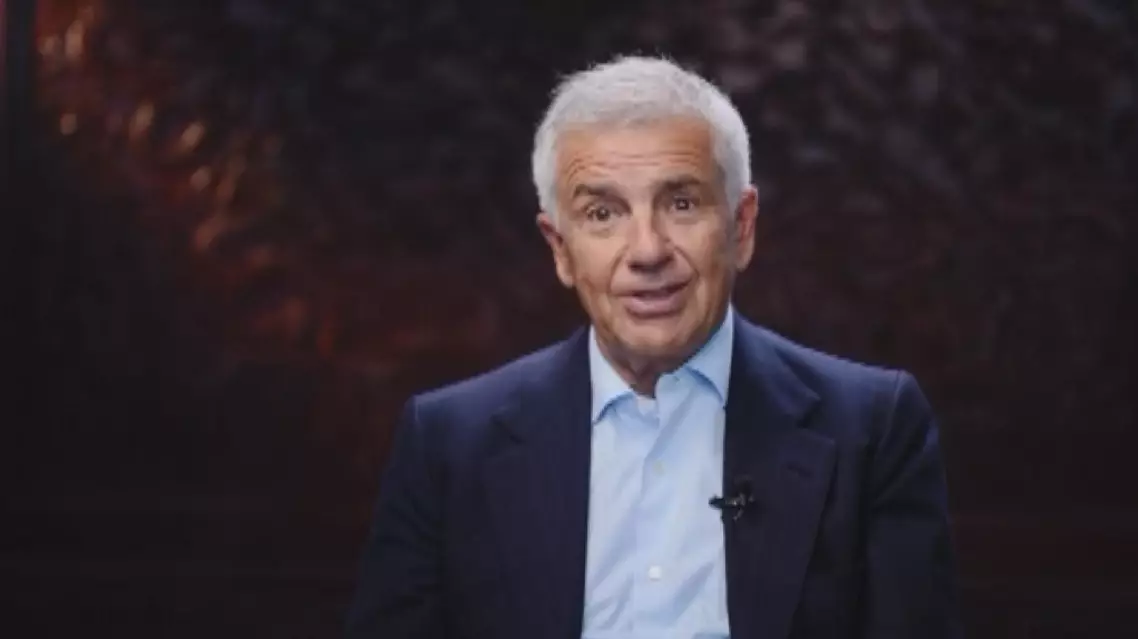
IOC vice president lauds China's rise as global sports powerhouse