Chinese Vice Minister of Ecology and Environment Li Gao on Tuesday shared China's experience in building a carbon trading market and called for more international cooperation to mitigate the impacts of global carbon emissions.
Addressing a side event during the 30th United Nations Climate Change Conference (COP30) in Belem, Brazil, Li said China has consistently prioritized climate change response and remains resolute in its proactive efforts.
The event, part of the "China Pavilion" series during the COP30, attracted participants from the carbon market, energy conservation and environmental protection sectors.
China launched its national carbon emissions trading market in 2021 and the national voluntary greenhouse gas emissions reduction trading market in 2024.
According to an official Chinese guideline, by 2027, China's carbon trading market will encompass all major industrial sectors, and the national voluntary greenhouse gas emission reduction trading market will expand to include all key fields.
By 2030, China will have essentially established a national carbon trading market based on a cap-and-trade system with both free and paid allocations. Li, in his remarks, also shared China's carbon market experience in technology-enabled solutions ,and deepening international cooperation, among others.
He emphasized that building carbon markets is a complex systemic endeavor and expressed hope that all participants would forge greater consensus, foster greater cooperation, jointly advance carbon market development, and collectively promote the establishment of a global climate governance system.
Participants engaged in a roundtable discussion on the future development trends of carbon markets and international cooperation.
The COP30 opened on Monday and will run through Nov 21.
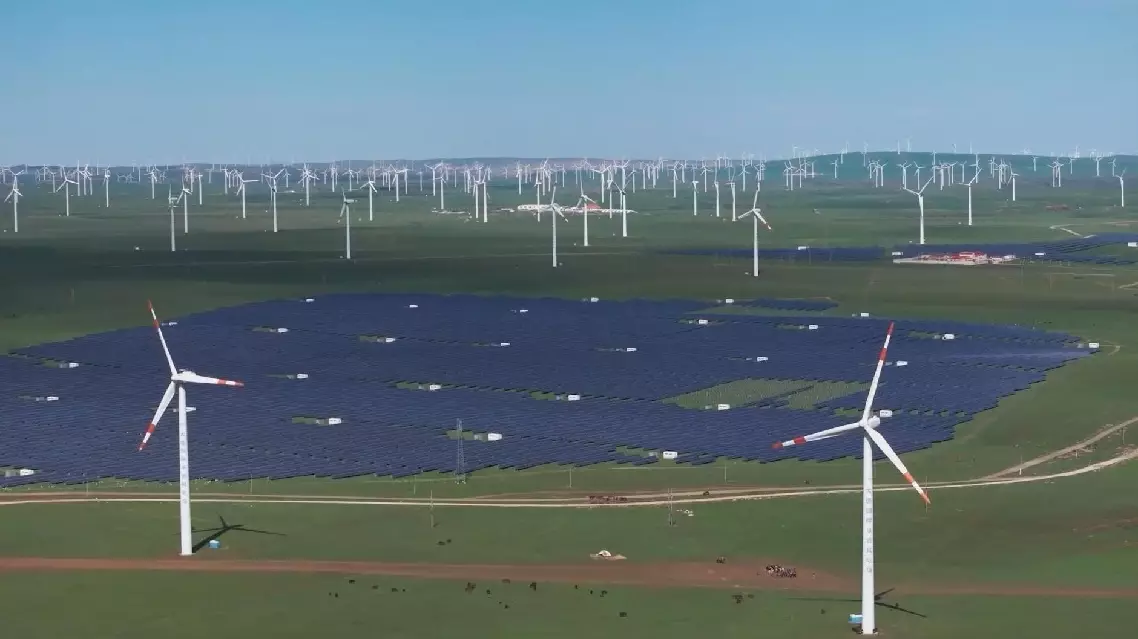
China shares carbon market experience, calls for global cooperation at COP30
Tanzanians doing business in the Middle East have been forced to scale down or cease operations altogether, as the U.S.-Israeli war on Iran disrupts global travel.
In early March, Tanzanian authorities sent a special flight to bring home more than 200 citizens from Dubai.
Mustapha Khatow, who runs the travel agency Sky Link Travel and Tours, said he has spent nearly four decades in the tourism industry, moving between Dubai and Tanzania, serving both corporate and leisure travelers. But the recent tensions involving Iran and the disruption to flights and business have hit hard, forcing him to relocate his family back to Tanzania.
"Tanzanian travel agents in the whole, they have been hit, because we've had huge cancellations for Eid, people going to Dubai, for Easter holidays, going to Dubai. So, we have lost a big chunk of people who do not wish to go to Dubai at this time," he said.
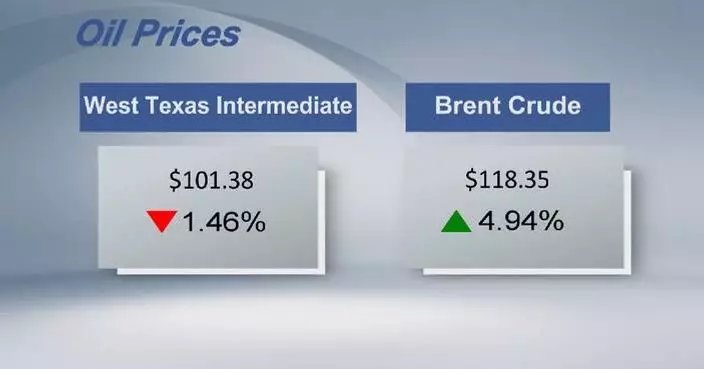
The impact is being felt beyond tourism. Supply challenges linked to the conflict have pushed up global oil prices, raising concerns for import-dependent economies like Tanzania. Authorities say they are taking measures to cushion businesses and maintain steady fuel supplies.
Aviation and tourism in the Middle East have also taken a hit. In Dubai, more than 80,000 travel bookings were canceled in the first week of the conflict as airports faced intermittent closures and uncertainty, leading to millions of dollars in losses.
Reports indicate that visitor arrivals in the Middle East could decline by between 11 percent and 27 percent in 2026. Travel industry professionals like Khatow view the downturn as collateral damage from the conflict and hope for a swift resolution to help revive tourism.
"Those big traders who bring containers to Tanzania, they have a challenge because of the shipping lines getting delayed, freight charges going up. And again, another issue is Air Tanzania has not been flying to Dubai since then, apart from one repatriation flight," he said.
Khatow said diplomacy will be key to restoring stability, while accurate reporting can help limit further damage to businesses.
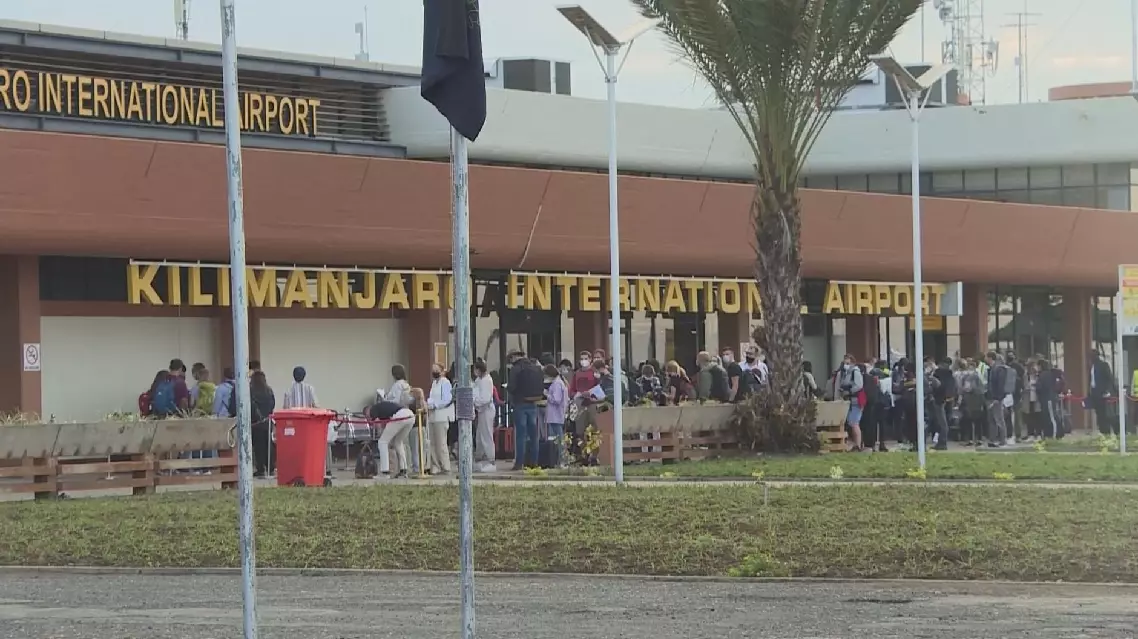
US-Israeli war on Iran disrupts travel businesses from Tanzania