ZANZIBAR, Tanzania (AP) — When darkness came, so did the smoke.
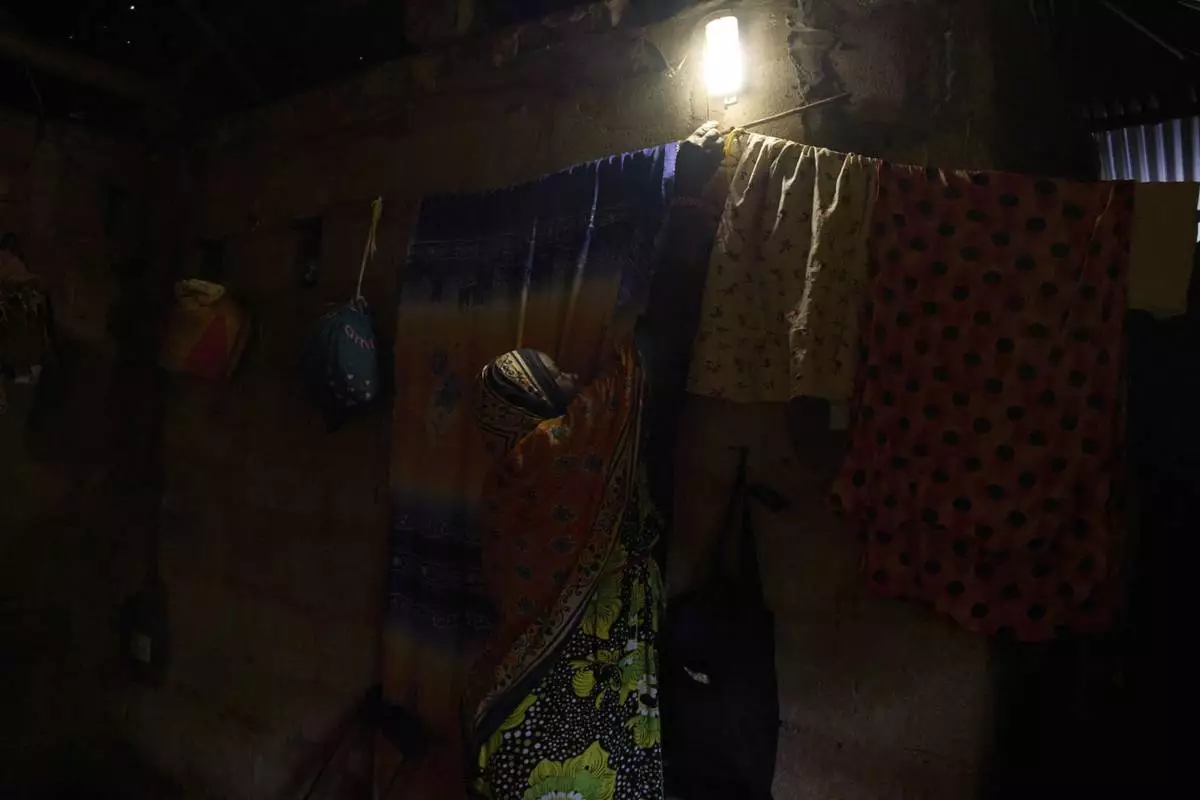
Hamna Silima Nyange, like half of the 2 million people in Tanzania's semi-autonomous archipelago of Zanzibar, did not have a house connected to the electricity grid. After sunset, she would turn to smoky oil lamps that provided the only light for her eight children to study.
Click to Gallery
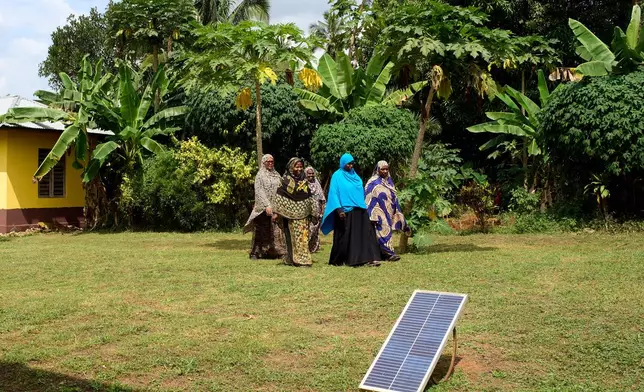
"Solar Mama" technicians walk on the campus of Barefoot College International in Kinyasini, Unguja, Zanzibar, July 23, 2025. (AP Photo/Jack Denton)
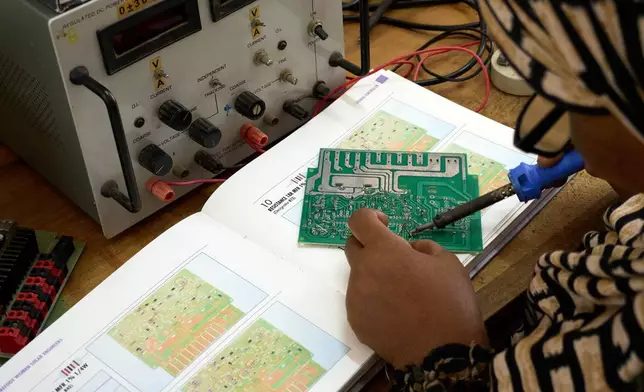
A "Solar Mama" technician takes a training session on the campus of Barefoot College International in Kinyasini, Unguja, Zanzibar, July 23, 2025. (AP Photo/Jack Denton)
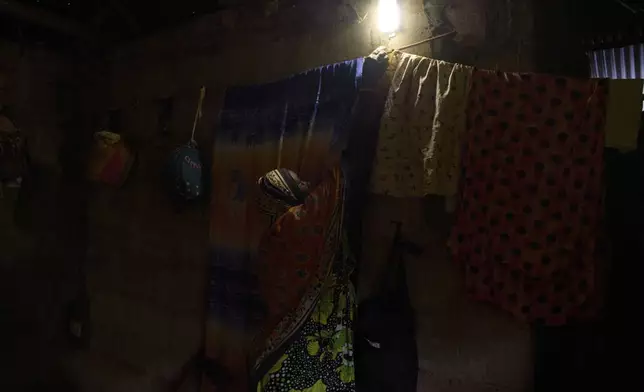
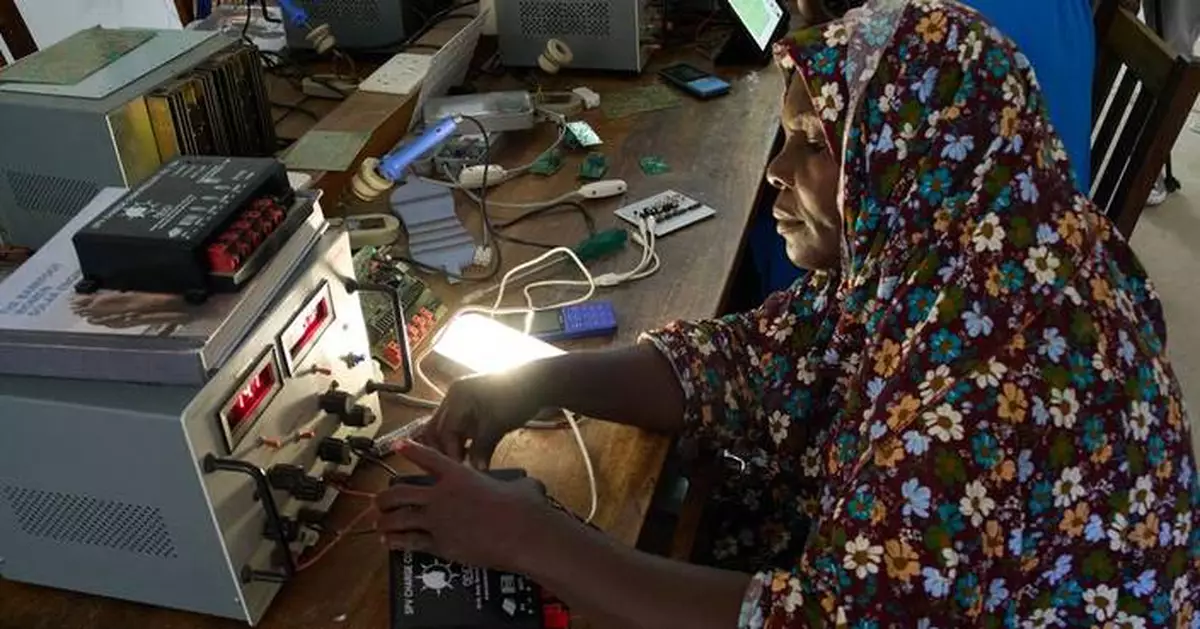
A "Solar Mama" technician wires up a solar charge controller at the campus of Barefoot College International in Kinyasini, Unguja, Zanzibar, July 23, 2025. (AP Photo/Jack Denton)
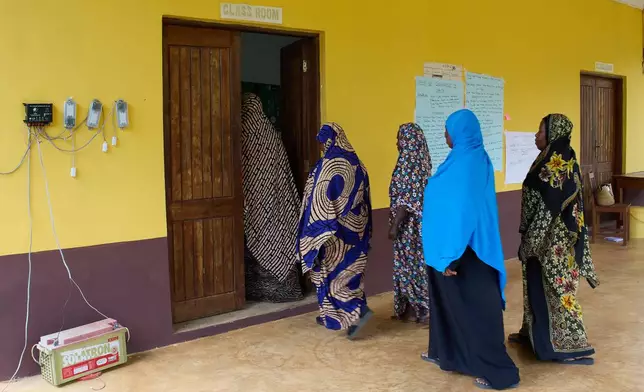
"Solar Mama" technicians walk into a classroom on the campus of Barefoot College International in Kinyasini, Unguja, Zanzibar, July 23, 2025. (AP Photo/Jack Denton)
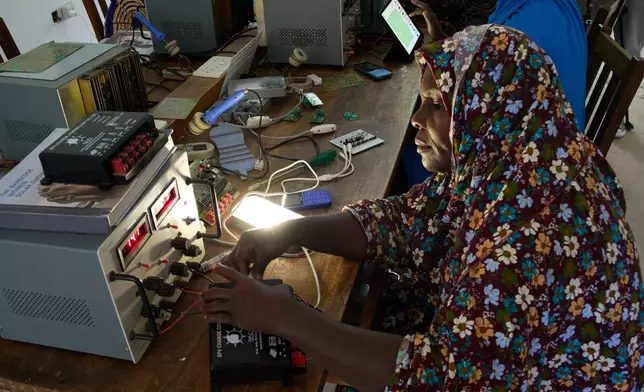
A "Solar Mama" technician wires up a solar charge controller at the campus of Barefoot College International in Kinyasini, Unguja, Zanzibar, July 23, 2025. (AP Photo/Jack Denton)
”The light was too weak,” Nyange said. “And the smoke from the lamp hurt my eyes.”
Then one day a neighbor, Tatu Omary Hamad, installed solar panels and bulbs that lit her home with help from the strong sunlight along the Indian Ocean coast.
“Today we have enough light,” Nyange said.
Hamad is one of dozens of “solar mamas” trained in Zanzibar by Barefoot College International, a global nonprofit, through a program that brings light to rural communities and provides jobs for local women. So far in Zanzibar, it has lit 1,845 homes.
The program selects middle-aged women, most with little or no formal education, from villages without electricity and trains them over six months to become solar power technicians. It is one of a small number of programs in Africa including Solar Sister.
The women return to their communities with at least 50 sets of household solar panel kits as well as the skills and equipment to set them up and keep them running.
Barefoot College International focuses on middle-aged women because they tend to have the strongest links to their communities while not often involved in intensive child care.
“We want to train women who become change makers,” said Brenda Geofrey, the director of Barefoot College International Zanzibar.
The Zanzibar campus is in its 10th year of teaching local women. Before that, it sent women for training in India, where Barefoot College International was founded.
One was Khazija Gharib Issa, who had been an unemployed widow. Now she is a master trainer.
“I got a job. I got a place to stay. Before, I didn’t have one,” Issa said.
Improving health is at the heart of the program's mission.
Alongside its flagship solar power course, Barefoot College International offers programs for women in tailoring, beekeeping and sustainable agriculture. Every woman who completes a program is trained in general health knowledge that they are expected to take back to their villages.
The “solar mamas” are health catalysts in another way, by replacing harmful light sources like kerosene.
“Using kerosene has many problems,” said Jacob Dianga, a health care worker at a local clinic who is familiar with the group's work. The fuel can irritate the eyes, while inhaling its smoke can cause long-term lung damage. It's also a fire hazard in cramped homes and shops, and can poison children who mistake it for a drink.
“Clean energy is very important,” Dianga said. “It helps protect our health.”
Barefoot College International has scaled up across Africa, with other campuses in Madagascar and Senegal. In recent years, women have been brought to Zanzibar from Malawi and Somaliland, and this year some are being recruited from Central African Republic.
Funding remains a challenge as major donors, notably the United States and European ones, cut foreign aid and projects face more competition for money that remains.
Barefoot College International is run with public and private donations and revenue generated by its social enterprises.
Another challenge is resistance in local communities, where some people find it hard to accept the women technicians in a radical new gender role.
While the solar training program recruits with the approval of village leadership, who put forward candidates, some husbands have stopped their wives from training.
“In most African communities, women are pictured as somebody who is just at home,” Geofrey said.
But the solar mamas say the results often speak for themselves.
“People used to say this work is for men. They were surprised and laughed at me,” Issa said. “But now they see how important my work is. I have become an example.”
For more on Africa and development: https://apnews.com/hub/africa-pulse
The Associated Press receives financial support for global health and development coverage in Africa from the Gates Foundation. The AP is solely responsible for all content. Find AP’s standards for working with philanthropies, a list of supporters and funded coverage areas at AP.org.
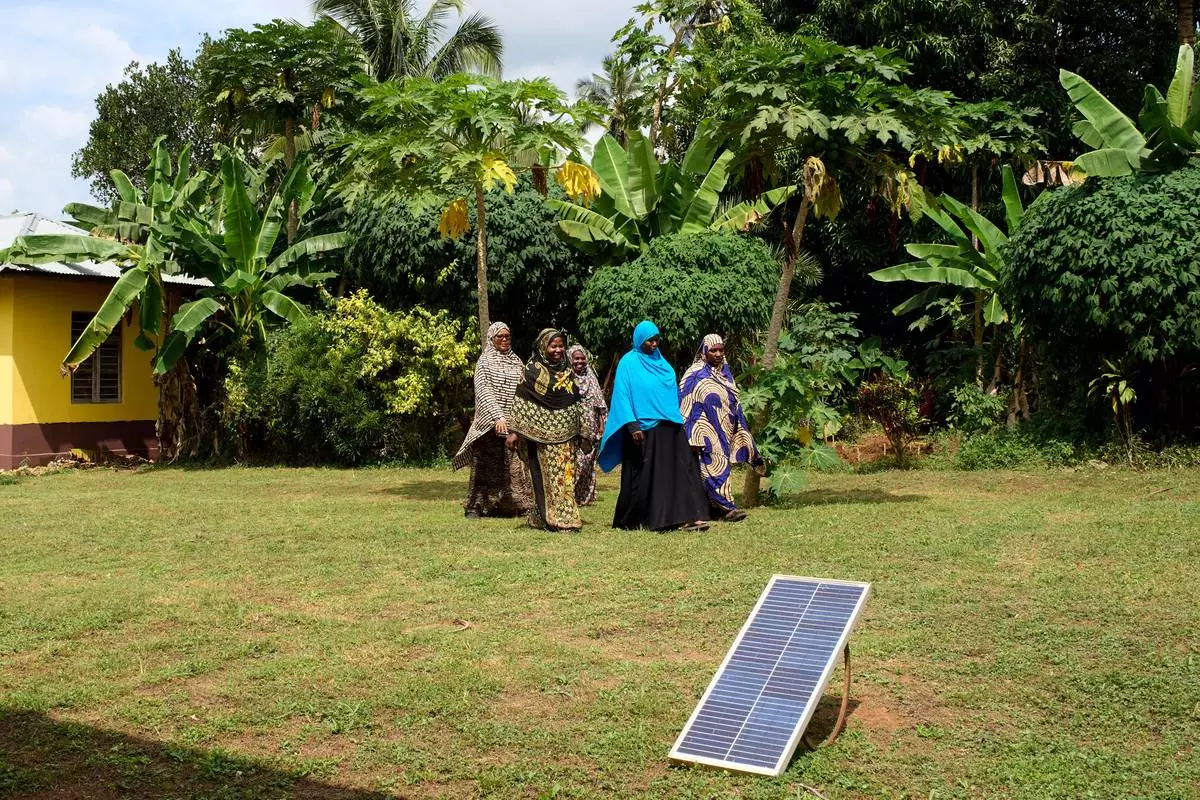
"Solar Mama" technicians walk on the campus of Barefoot College International in Kinyasini, Unguja, Zanzibar, July 23, 2025. (AP Photo/Jack Denton)
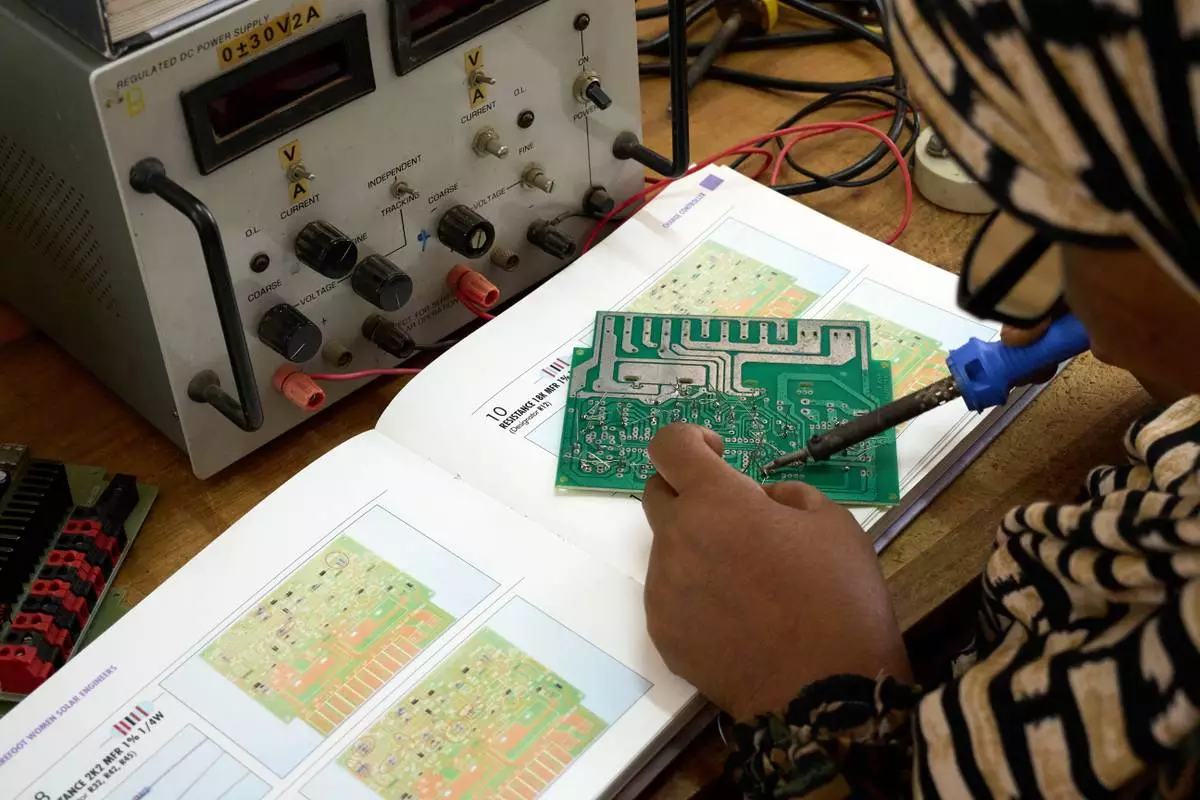
A "Solar Mama" technician takes a training session on the campus of Barefoot College International in Kinyasini, Unguja, Zanzibar, July 23, 2025. (AP Photo/Jack Denton)
A "Solar Mama" technician wires up a solar charge controller at the campus of Barefoot College International in Kinyasini, Unguja, Zanzibar, July 23, 2025. (AP Photo/Jack Denton)
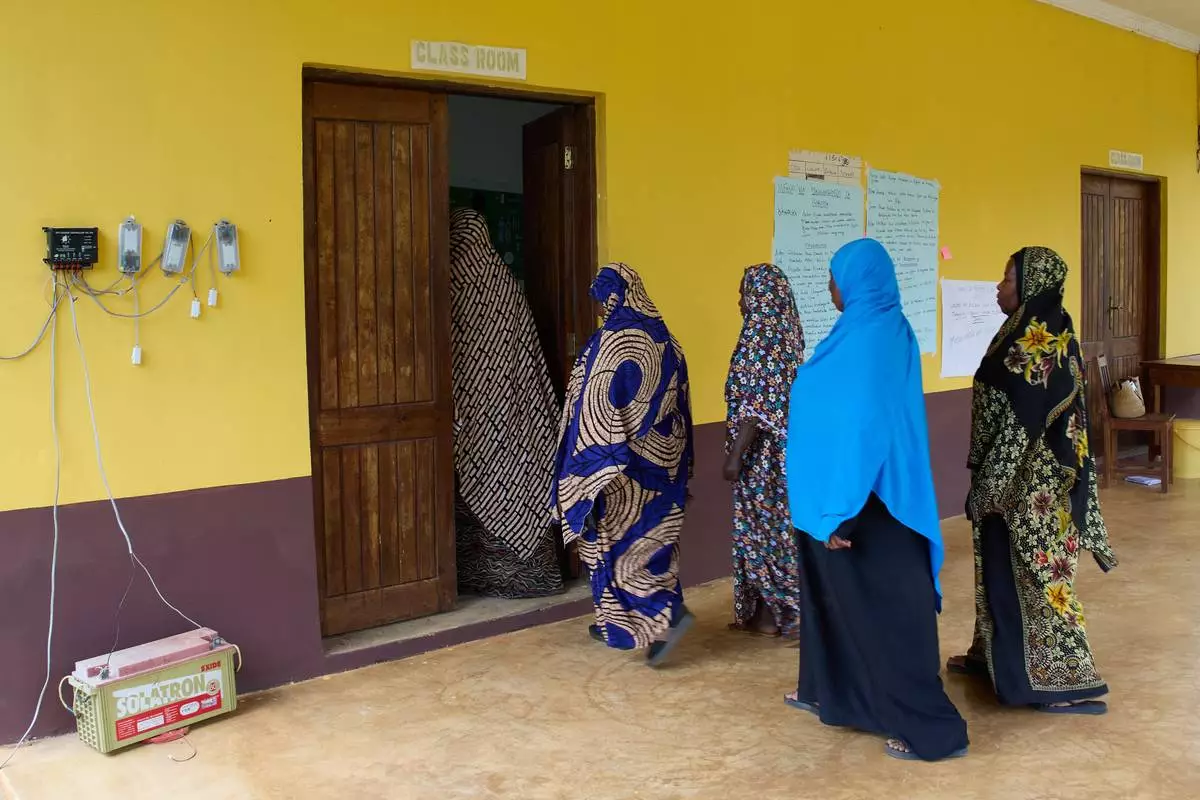
"Solar Mama" technicians walk into a classroom on the campus of Barefoot College International in Kinyasini, Unguja, Zanzibar, July 23, 2025. (AP Photo/Jack Denton)
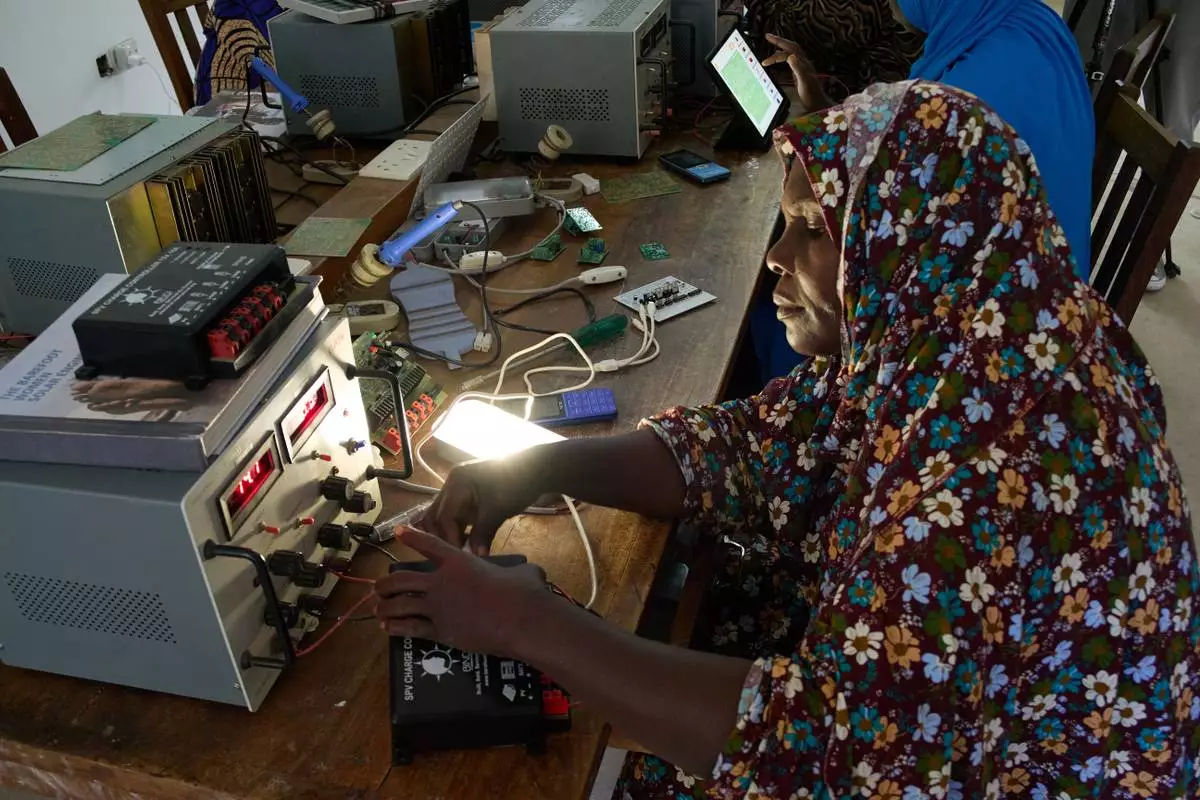
A "Solar Mama" technician wires up a solar charge controller at the campus of Barefoot College International in Kinyasini, Unguja, Zanzibar, July 23, 2025. (AP Photo/Jack Denton)
Launch preparations have begun for the Artemis II mission, NASA’s planned lunar fly-around by four astronauts that will be the first moon trip in 53 years.
Tensions were high as hydrogen fuel started flowing into the rocket hours ahead of the planned launch. Dangerous hydrogen leaks erupted during a countdown test earlier this year, forcing a lengthy flight delay.
The launch team needs to load more than 700,000 gallons of fuel (2.6 million liters) into the 32-story Space Launch System rocket on the pad before the Artemis II crew can board.
The 32-story Space Launch System rocket is poised to blast off Wednesday evening with a two-hour launch window beginning at 6:24 p.m. EDT at Kennedy Space Center in Florida.
Artemis astronauts Reid Wiseman, Victor Glover, Christina Koch and Jeremy Hansen will be on board. They’ll hurtle several thousand miles beyond the moon, hang a U-turn and then come straight back. No circling around the moon, no stopping for a moonwalk — just a quick out-and-back lasting less than 10 days. NASA promises more boot prints in the gray lunar dust, but not before a couple practice missions.
Unlike the Apollo missions that sent astronauts to the moonfrom 1968 through 1972, Artemis’ debut crew includes a woman, a person of color and a Canadian citizen.
Artemis II is the opening shot of NASA’s grand plans for a permanent moon base. The space program is aiming for a moon landing near the lunar south pole in 2028.
The Latest:
L-minus tracks the overall time to liftoff, counting down the days, hours and minutes away before the planned blastoff. It doesn’t include built-in holds, or pauses — that’s T-minus time.
The T-minus countdown in the final 10 minutes is where nerves tense up and hearts start pounding. Automated software kicks off a series of highly choreographed milestones. During this period, the clock can be stopped if a problem is spotted and restarted if it’s fixed in time.
T-0 is the moment of liftoff — zero — when the boosters ignite and the rocket begins its journey.
NASA has a narrow time frame each month to fly to the moon.
The Earth and moon must be aligned just so to achieve the proper trajectory for the mission. In any given month, there’s only about a week when Artemis II astronauts can lift off.
The Orion capsule needs to get a check of its life-support and other systems in near-Earth orbit. If that goes well, Orion will fire its main engine to hurtle toward the moon, taking advantage of the moon and Earth’s gravity to get there and back in a slingshot maneuver that requires little if any fuel.
Orion also needs sunlight for power and can’t be in darkness for more than 90 minutes at a time. Plus NASA wants to minimize heating during reentry at flight’s end.
The latest launch window runs through April 6. The next opportunity opens on April 30.
The hydrogen tank of the rocket’s core stage is 100% filled. NASA said no significant leaks have been observed so far in fueling. It was hydrogen leaks that prevented the rocket from flying in February.
The alarm clocks just went off in Kennedy Space Center’s crew quarters.
That means it’s rise and shine for the three Americans and one Canadian who are about to become the first lunar visitors in more than 53 years.
They have a long day ahead of them, whether they launch or not.
After breakfast, they’ll start suiting up. NASA’s launch window opens at 6:24 p.m. and lasts a full two hours.
Launch director Charlie Blackwell-Thompson is wearing green as are many of the controllers alongside her in the firing room.
Green represents “go” for NASA, a color symbolizing good luck.
The team is monitoring the fueling of the 322-foot moon rocket, set to blast off Wednesday evening.
A plush toy named Rise will ride with the Artemis II astronauts around the moon, carrying the names of more than 5.6 million people.
Rise is what’s known as a zero gravity indicator, which gives the astronauts a visual cue of when they reach space.
The design was inspired by the iconic “Earthrise” photo during Apollo 8, showing the planet as a shadowed blue marble from space in 1968.
Rise was selected from more than 2,600 contest submissions. It was designed by Lucas Ye of California.
Commander Reid Wiseman and his crew tucked a small memory card into Rise before the toy was loaded into the Orion capsule. The card bears the names of all those who signed up with NASA to vicariously tag along on the nearly 10-day journey.
“Zipping that little pocket on the bottom of Rise was kind of the moment that put it all together for me,” Wiseman said. “We are going for all and by all. It’s time to fly.”
NASA is fueling the new rocket that will send four astronauts to the moon.
Launch teams have begun pumping more than 700,000 gallons (2.6 million liters) of liquid hydrogen and liquid oxygen into the Space Launch System rocket at Kennedy Space Center in Florida.
It’s the latest milestone in the two-day countdown that kicked off on Monday when launch controllers reported to duty.
It will take at least four hours to fully load the rocket before astronauts climb aboard for humanity’s first flight to the moon since Apollo 17 in 1972.
The two-hour launch window opens at 6:24 p.m. EDT.
▶ Read more about Apollo vs. Artemis
The Americans who blazed the trail to the moon more than half a century ago were white men chosen for their military test pilot experience.
The Artemis II crew includes a woman, a person of color and a Canadian, products of a more diversified astronaut corps.
▶ Read more about Christina Koch, Victor Glover, Jeremy Hansen and Reid Wiseman
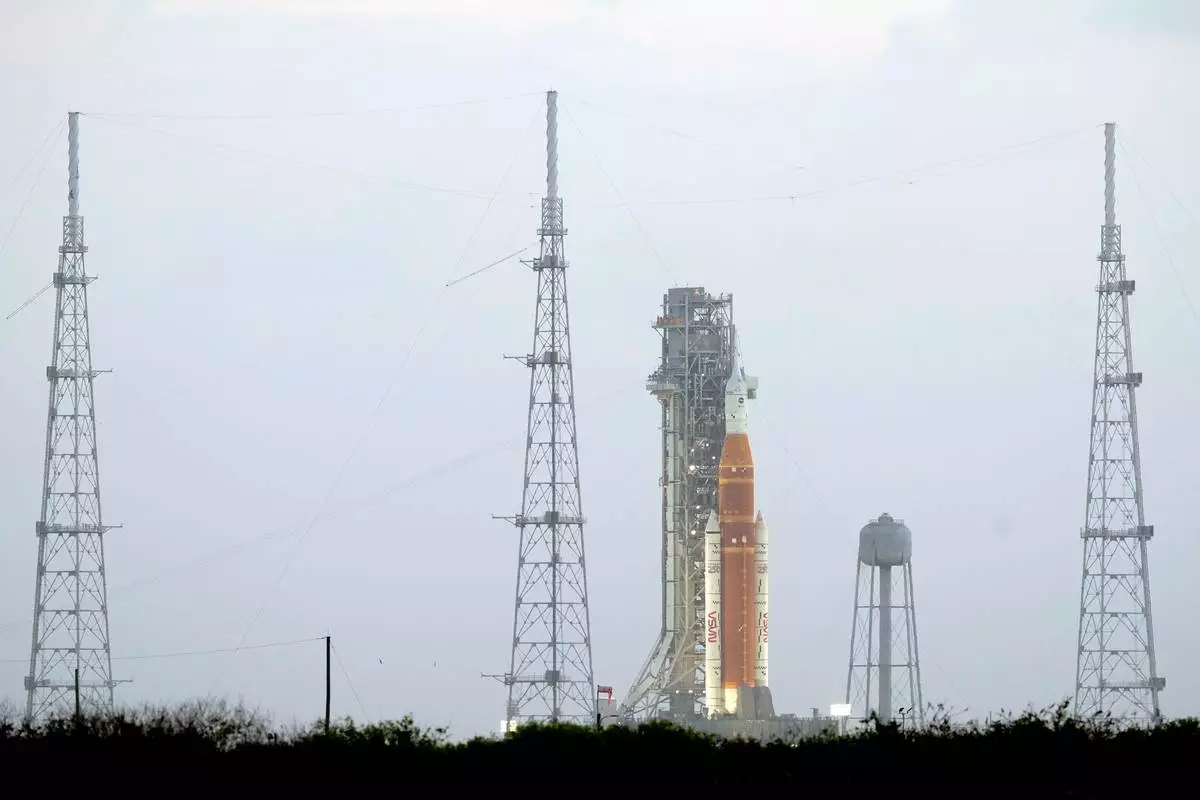
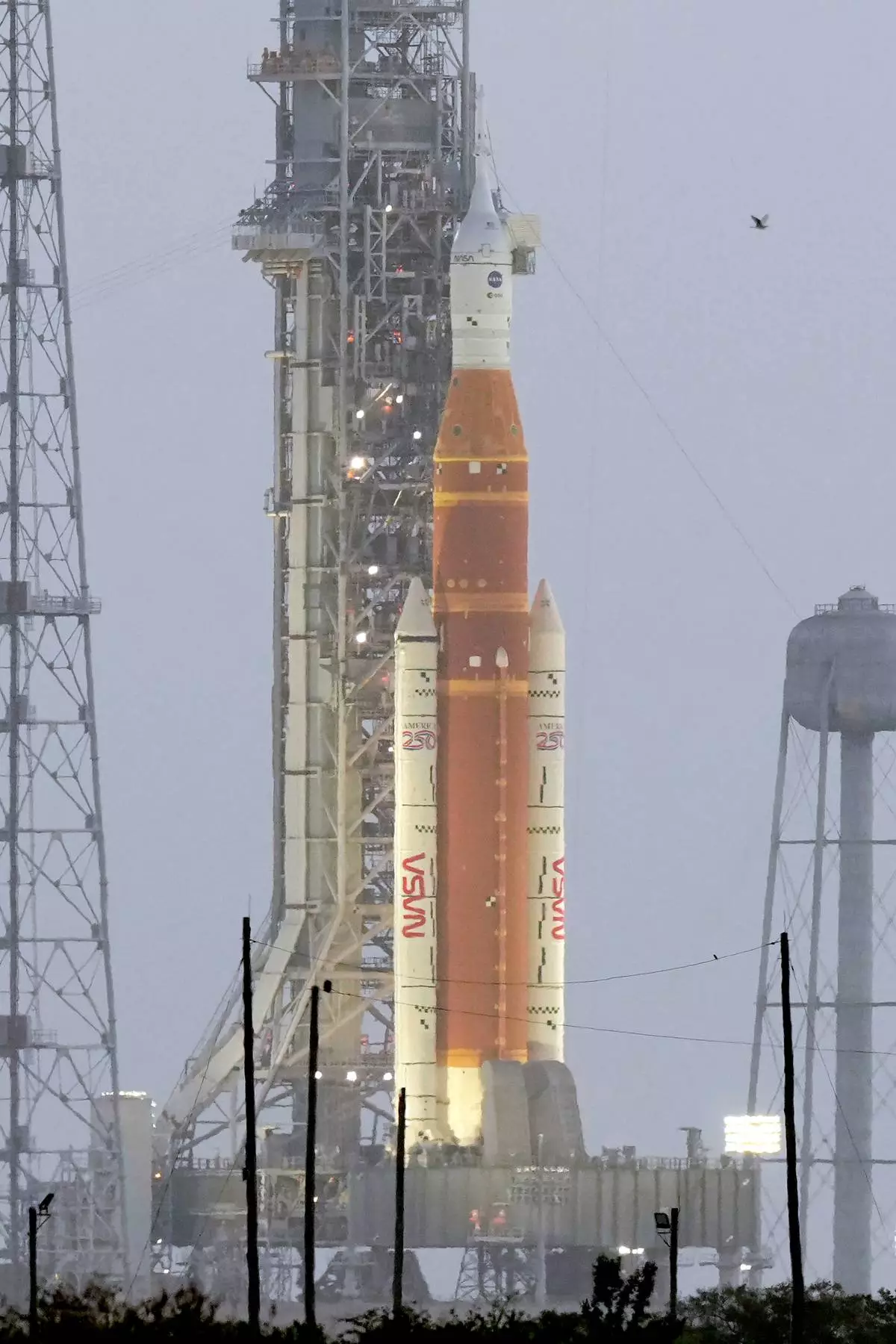
NASA's Artermis II moon rocket sits on Launch Pad 39-B at the Kennedy Space Center hours ahead of planned liftoff Wednesday, April 1, 2026, in Cape Canaveral, Fla. (AP Photo/Chris O'Meara)
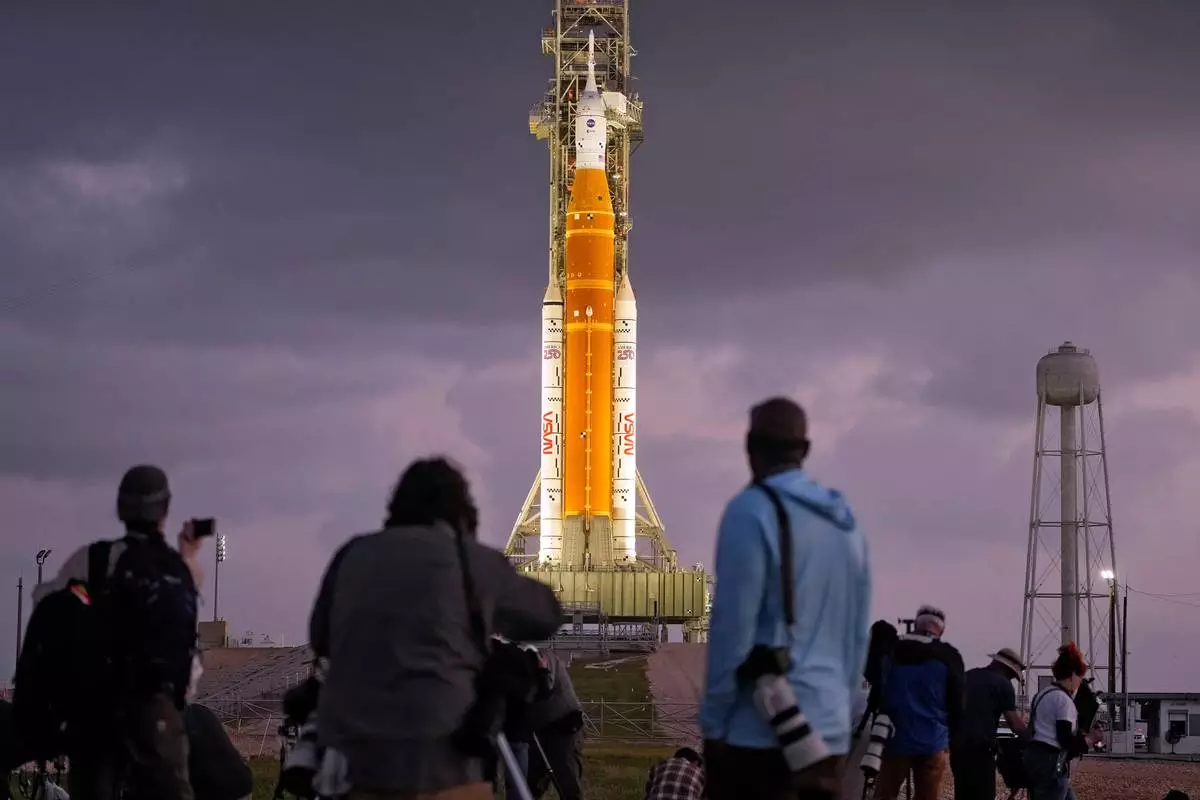
NASA's Artermis II moon rocket sits on Launch Pad 39-B at the Kennedy Space Center hours ahead of a planned launch attempt Wednesday, April 1, 2026, in Cape Canaveral, Fla. (AP Photo/Chris O'Meara)
Photographers set up remote cameras near NASA's Artermis II moon rocket on Launch Pad 39-B just before sunrise at the Kennedy Space Center Tuesday, March 31, 2026, in Cape Canaveral, Fla. (AP Photo/Chris O'Meara)