DUBLIN--(BUSINESS WIRE)--Apr 1, 2026--
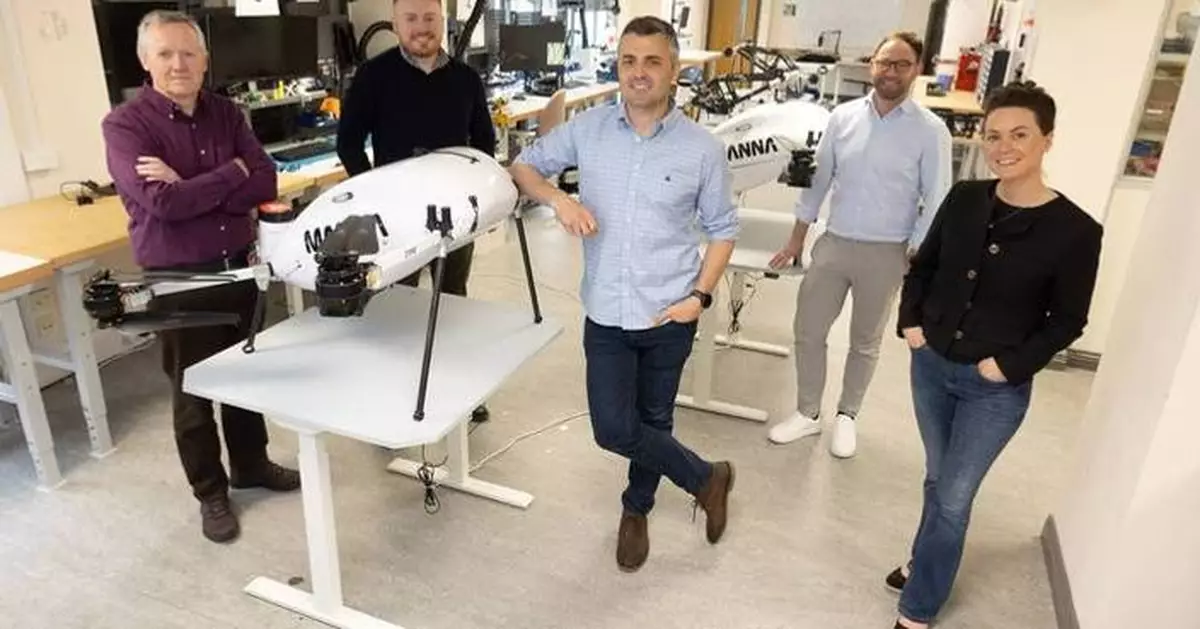
Manna Air Delivery, a global leader in consumer drone delivery, has announced a $50 million funding round to scale its proven operations further in the United States and Europe. The round brings Manna’s total funding to $110million. Manna now operates one of the most active consumer drone delivery networks in the world, with more than 250,000 regulated commercial UAV flights completed.
This press release features multimedia. View the full release here: https://www.businesswire.com/news/home/20260310714366/en/
Investors in the round include ARK Invest, known for backing companies such as OpenAI, Anthropic, Tesla and SpaceX, the Ireland Strategic Investment Fund (ISIF) and Schooner Capital, alongside existing investors Coca-Cola HBC and Molten Ventures.
As an unmanned aerial vehicle (UAV) delivery pioneer, Manna has operated in six locations across its native Ireland, as well as in Finland and Texas over the past seven years, delivering items including books, medical supplies such as antigen tests, food and clothing.
The company’s UAV operations are designed to make communities more accessible while making last-mile delivery greener, safer and more efficient.
Recently Manna announced a partnership with Uber, adding to its existing partnerships with Deliveroo, Just Eat and DoorDash. Customers can order through the Manna app or directly via its partner platforms, with autonomous unmanned aerial vehicles (UAVs) delivering everyday items to suburban communities within minutes. Through these integrations, Manna is positioning itself as a core infrastructure provider for the next generation of mobility and instant logistics.
Speaking about the company’s mission, CEO and Founder Bobby Healy said: “Manna Air Delivery is dedicated to improving the world by making lightning-fast suburban deliveries affordable, accessible, green and safe. Our technology reduces road congestion, cuts emissions and helps local businesses deliver everyday goods to communities faster.”
Commenting on the funding, Healy added, “We’ve proven the technology and the economics of autonomous delivery. On daily deliveries in suburban areas we are a world leader. Now it’s about scale. We’re expanding rapidly in the United States with plans to launch up to 40 new bases as we build the infrastructure for the next generation of logistics. It’s been exciting to see the enthusiasm for aerial delivery in technology-forward markets like the US and others.”
Orhan Gazelle, Managing Director at Schooner Capital said, “Manna is building one of the most compelling real-world applications of autonomous technology we have seen. The company has demonstrated that drone delivery can operate safely, efficiently and at scale, and we believe it has the potential to fundamentally reshape last-mile logistics. We are excited to support Manna as it expands internationally and continues to build the infrastructure for the future of autonomous delivery.”
For independent retailers, Manna’s platform enables profitable suburban last-mile delivery, allowing local businesses from cafés and restaurants to pharmacies, bookshops and clothing stores to reach customers in minutes without the cost and complexity of road-based delivery. Manna was one of the first drone delivery companies globally to demonstrate positive unit economics for suburban retail delivery.
For customers, Manna’s UAV technology delivers orders in under three minutes while reducing road congestion and cutting CO₂ emissions by up to 85% compared with road-based delivery. By ordering through Manna or partner apps, deliveries are lowered safely to customers’ gardens or driveways using recyclable packaging and biodegradable tethers, offering a safer, greener and more efficient alternative for last-mile logistics. Popular with families, people with mobility issues and those working from home, Manna enables households to receive everyday essentials in minutes without leaving home - reflected in a Net Promoter Score (NPS) of 86, placing it among the highest-rated services in consumer technology.
Manna holds a Gold Standard Light UAS Operator Certificate (LUC) under the European Union Aviation Safety Agency (EASA) framework and has completed more than 250,000 regulated commercial unmanned aerial vehicle (UAV) flights using Irish-built software and hardware, supported by a team of more than 170 staff.
In January, the head of the US aviation regulator, the Federal Aviation Administration (FAA), Bryan Bedford, visited Manna’s Dublin headquarters to see first-hand how the company successfully orchestrates its commercial UAV delivery operations across Ireland, Finland and Texas. The visit focused on how European and US regulatory systems can support the global scaling of UAV delivery.
About Manna Air Delivery
Manna is the largest and most advanced drone delivery operator, dedicated to improving the world by making lightning-fast suburban deliveries affordable, green, and safe. With its proprietary technology, Manna ensures safe, sustainable, and fast delivery services, operating in the highest population density of any drone delivery operation globally.
The company has completed over 250,000 successful deliveries and is certified by EASA, setting the global benchmark for drone logistics. Partnering with both global giants and local businesses, Manna delivers a wide variety of goods in just minutes, empowering businesses and significantly reducing carbon emissions.
Founded in 2019 by Bobby Healy, Manna has raised over $110 million in funding to date.
For more information visit: https://www.manna.aero/community
Latest blogs:
We've raised $50 million to make air delivery the infrastructure of everyday life.
Zero emissions, maximum impact - the environmental case for Air Delivery
The business case for air delivery – why smart retailers are looking up
Not your hobby drone – The advanced technology behind Air Delivery
Suburban air delivery - it's not about laziness, it's about access
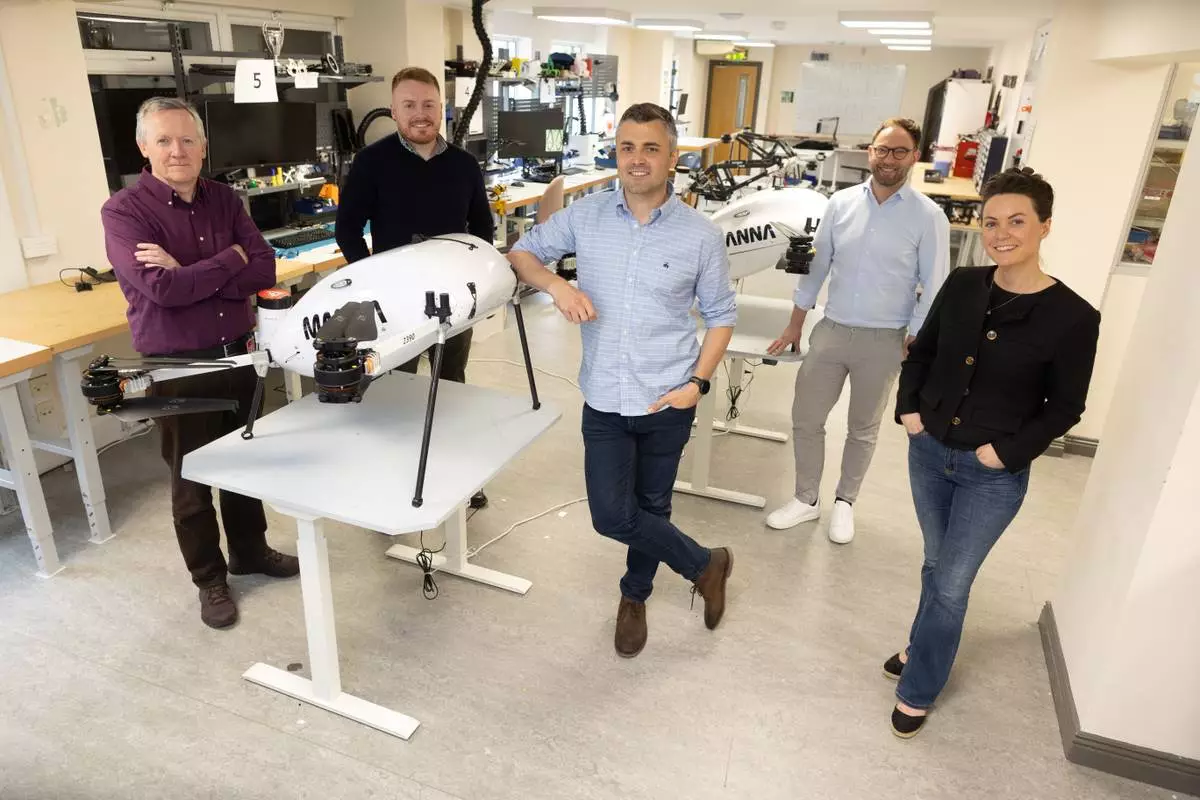
Manna Air Delivery raises $50m Series B
WASHINGTON (AP) — The Supreme Court is casting doubt on President Donald Trump’s restrictions on birthright citizenship in a consequential case that was magnified by Trump’s unparalleled presence in the courtroom.
Conservative and liberal justices on Wednesday questioned whether Trump's order declaring that children born to parents who are in the United States illegally or temporarily are not American citizens comports with either the Constitution or federal law.
Trump, the first sitting president to attend arguments at the nation’s highest court, spent just over an hour inside the courtroom for arguments made by the Republican administration's top Supreme Court lawyer, Solicitor General D. John Sauer. The president departed shortly after lawyer Cecillia Wang began her presentation in defense of broad birthright citizenship.
Trump heard Sauer face one skeptical question after another. Justices asked about the legal basis for the order and voiced more practical concerns.
“Is this happening in the delivery room?” Justice Ketanji Brown Jackson asked, drilling down into the logistics of how the government would actually figure out who’s entitled to citizenship and who’s not.
Justice Clarence Thomas sounded the most likely among the nine justices to side with Trump.
“How much of the debates around the 14th Amendment had anything to do with immigration?” Thomas asked, pointing out that the purpose of the amendment was to grant citizenship to Black people, including freed slaves.
The justices are hearing Trump’s appeal of a lower-court ruling from New Hampshire that struck down the citizenship restrictions, one of several courts that have blocked them. They have not taken effect anywhere in the country.
The case frames another test of Trump's assertions of executive power that defy long-standing precedent for a court that has largely ruled in the president's favor — but with some notable exceptions that Trump has responded to with starkly personal criticisms of the justices. A definitive ruling is expected by early summer.
The birthright citizenship order, which Trump signed the first day of his second term, is part of his Republican administration’s broad immigration crackdown.
Birthright citizenship is the first Trump immigration-related policy to reach the court for a final ruling. The justices previously struck down global tariffs Trump had imposed under an emergency powers law that had never been used that way.
Trump reacted furiously to the late February tariffs decision, saying he was ashamed of the justices who ruled against him and calling them unpatriotic.
He issued a preemptive broadside against the court on Sunday on his Truth Social platform. “Birthright Citizenship is not about rich people from China, and the rest of the World, who want their children, and hundreds of thousands more, FOR PAY, to ridiculously become citizens of the United States of America. It is about the BABIES OF SLAVES!,” the president wrote. “Dumb Judges and Justices will not a great Country make!”
Trump's order would upend the long-standing view that the Constitution’s 14th Amendment, ratified in 1868, and federal law since 1940 confer citizenship on everyone born on American soil, with narrow exceptions for the children of foreign diplomats and those born to a foreign occupying force.
The 14th Amendment was intended to ensure that Black people, including former slaves, had citizenship, though the Citizenship Clause is written more broadly. “All persons born or naturalized in the United States, and subject to the jurisdiction thereof, are citizens of the United States and of the State wherein they reside,” it reads.
In a series of decisions, lower courts have struck down the executive order as illegal, or likely so, under the Constitution and federal law. The decisions have invoked the high court's 1898 ruling in Wong Kim Ark, which held that the U.S.-born child of Chinese nationals was a citizen.
The Trump administration argues that the common view of citizenship is wrong, asserting that children of noncitizens are not “subject to the jurisdiction” of the United States and therefore are not entitled to citizenship.
The court should use the case to set straight “long-enduring misconceptions about the Constitution’s meaning,” wrote Sauer, the solicitor general.
No court has accepted that argument, and lawyers for pregnant women whose children would be affected by the order said the Supreme Court should not be the first to do so.
“We have the president of the United States trying to radically reinterpret the definition of American citizenship,” said Cecillia Wang, the American Civil Liberties Union legal director who is facing off against Sauer at the Supreme Court.
More than one-quarter of a million babies born in the U.S. each year would be affected by the executive order, according to research by the Migration Policy Institute and Pennsylvania State University’s Population Research Institute.
While Trump has largely focused on illegal immigration in his rhetoric and actions, the birthright restrictions also would apply to people who are legally in the United States, including students and applicants for green cards, or permanent resident status.
Associated Press writer Darlene Superville contributed to this report.
Follow the AP’s coverage of the U.S. Supreme Court at https://apnews.com/hub/us-supreme-court.
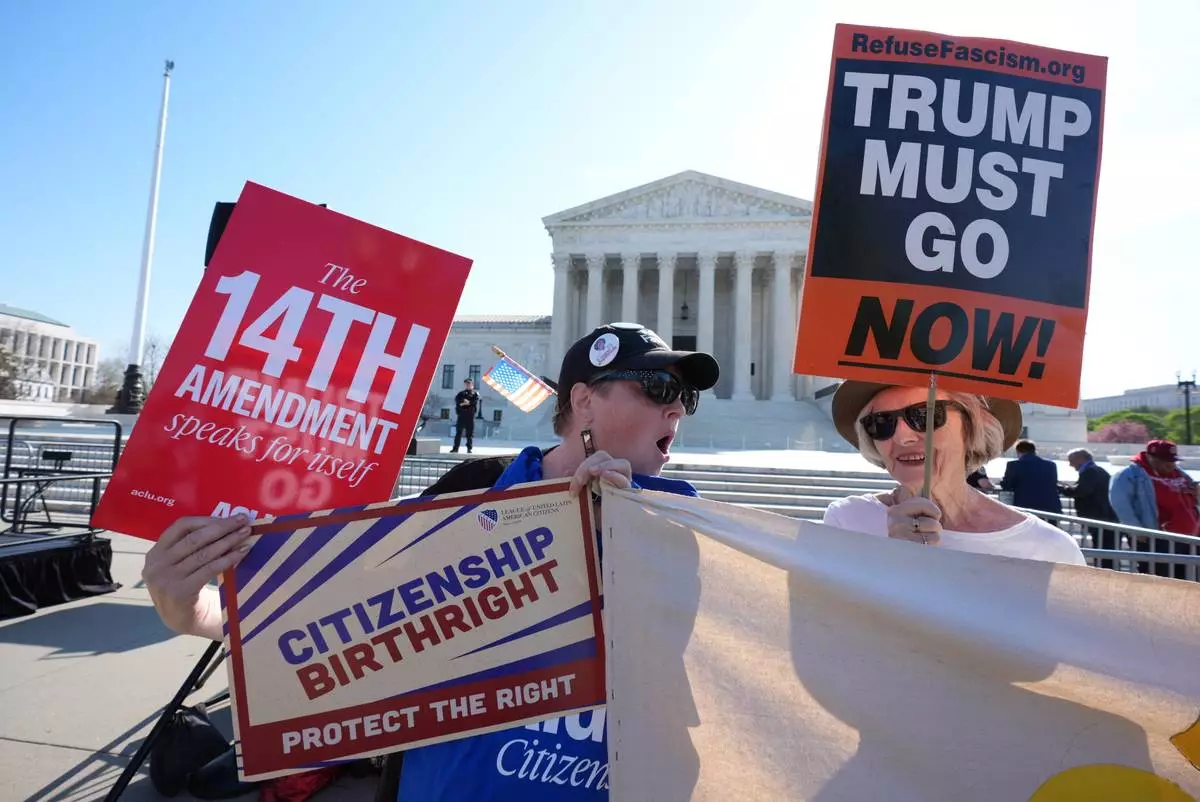
Pro and anti-Trump demonstrators rally outside the U.S. Supreme Court, before justices hear oral arguments on whether President Donald Trump can deny citizenship to children born to parents who are in the United States illegally or temporarily, on Capitol Hill, in Washington, Wednesday, April 1, 2026. (AP Photo/J. Scott Applewhite)
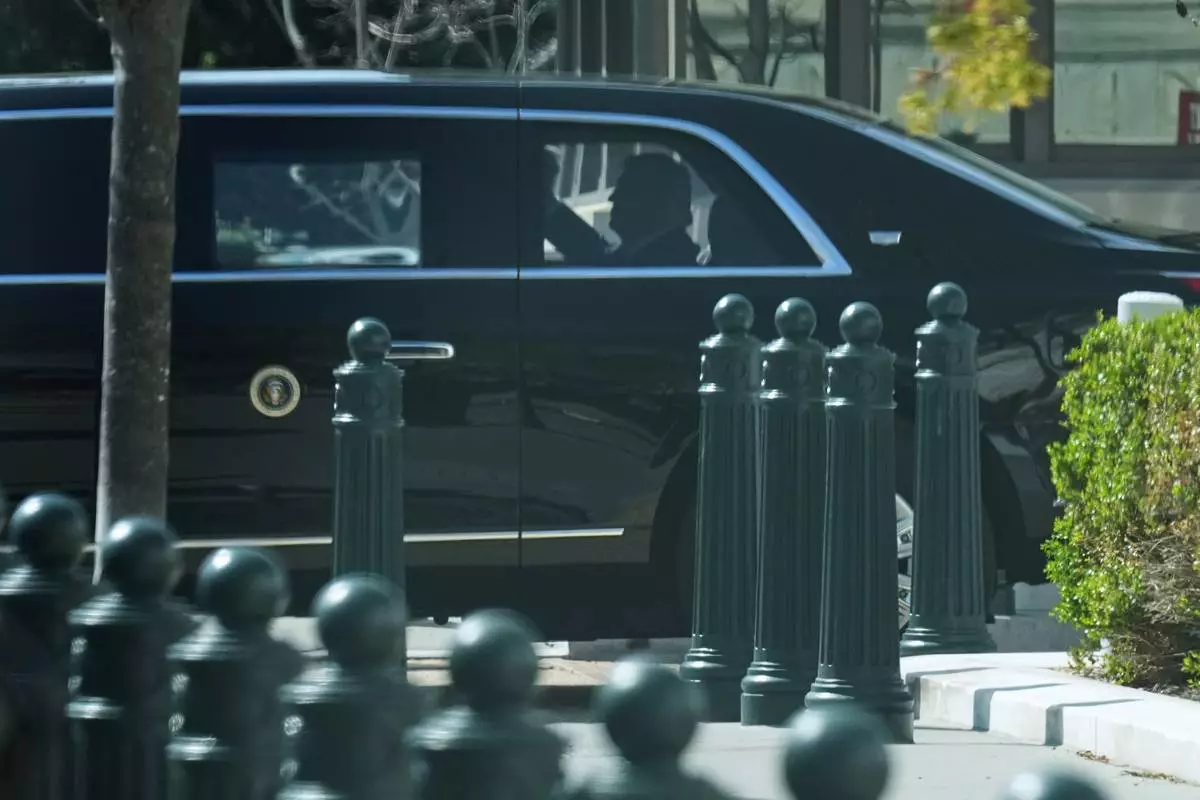
President Donald Trump leaves the U.S. Supreme Court, Wednesday, April 1, 2026, in Washington. (AP Photo/Mark Schiefelbein)

President Donald Trump's motorcade arrives at the U.S. Supreme Court, Wednesday, April 1, 2026, in Washington. (AP Photo/Tom Brenner)
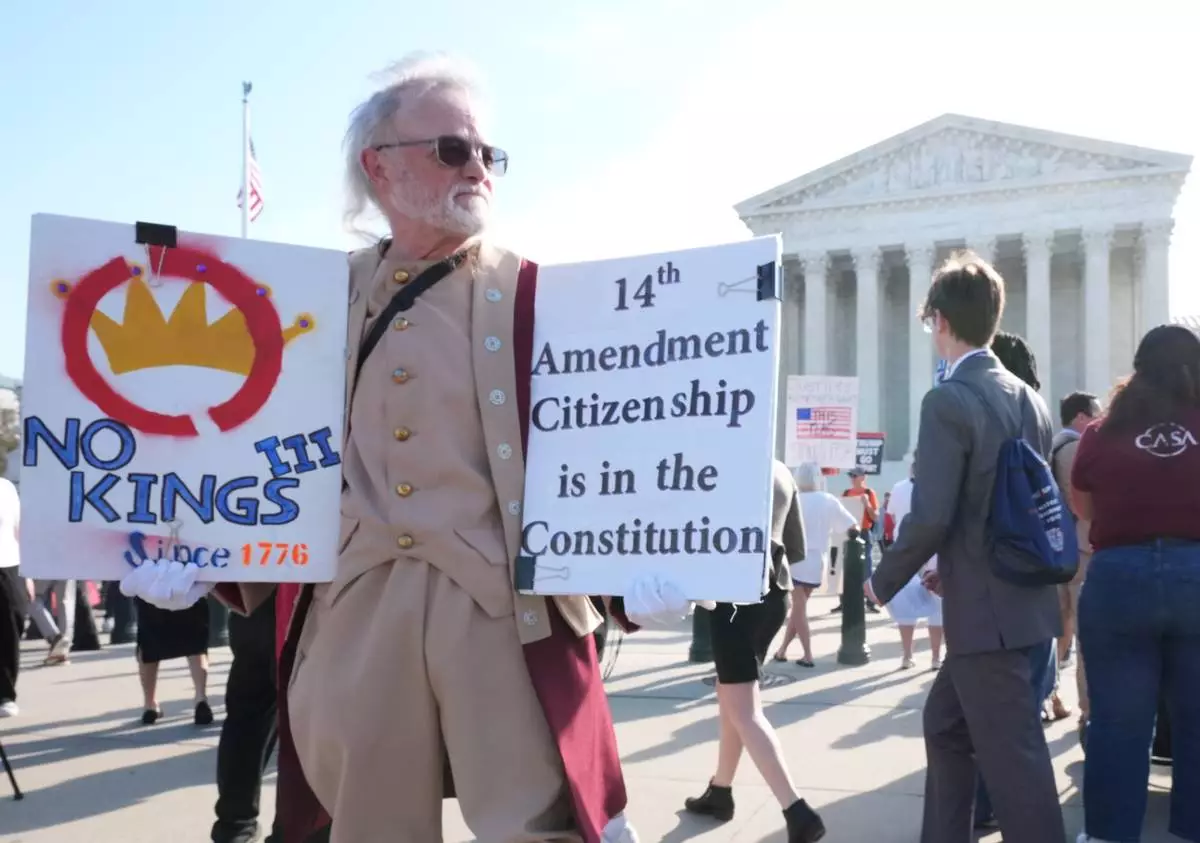
Pro and anti-Trump demonstrators rally outside the U.S. Supreme Court, before justices hear oral arguments on whether President Donald Trump can deny citizenship to children born to parents who are in the United States illegally or temporarily, on Capitol Hill, in Washington, Wednesday, April 1, 2026. (AP Photo/J. Scott Applewhite)

President Donald Trump's motorcade arrives at the U.S. Supreme Court, Wednesday, April 1, 2026, in Washington. (AP Photo/Tom Brenner)
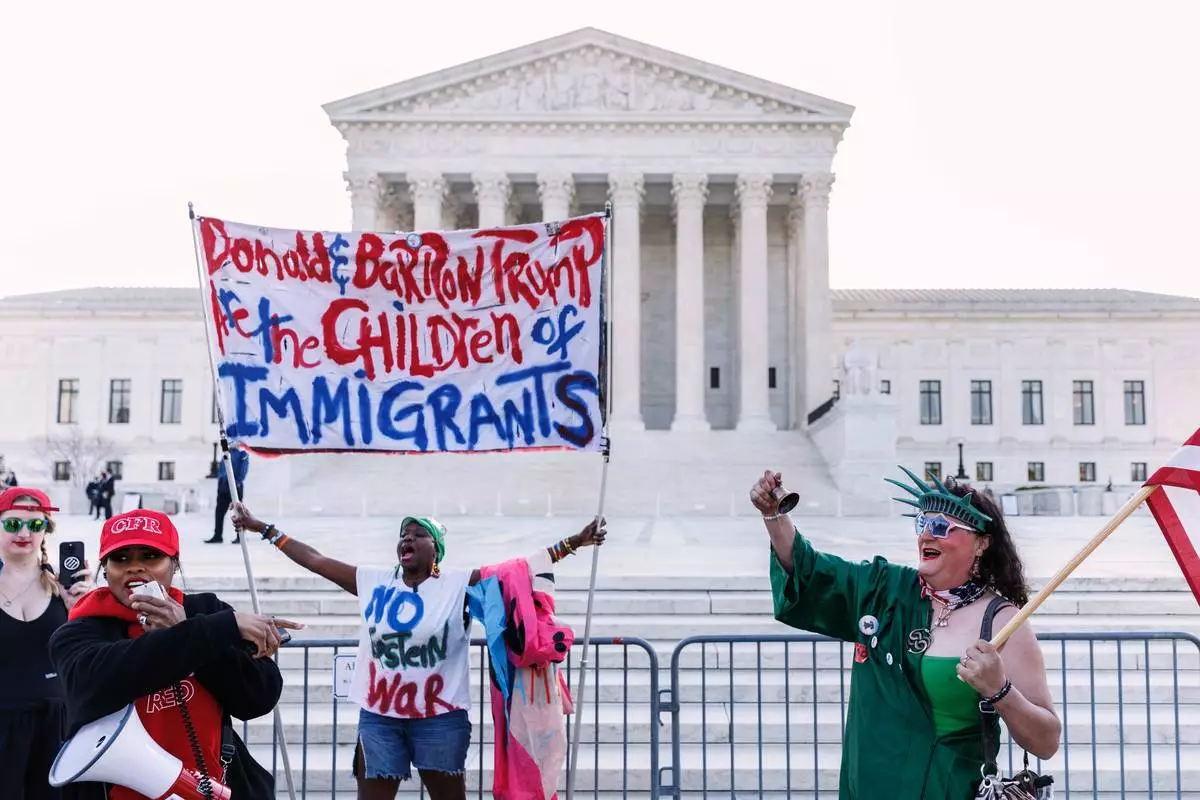
Demonstrators holding opposing views verbally engage ahead of President Donald Trump's arrival at the U.S. Supreme Court, Wednesday, April 1, 2026, in Washington. (AP Photo/Tom Brenner)
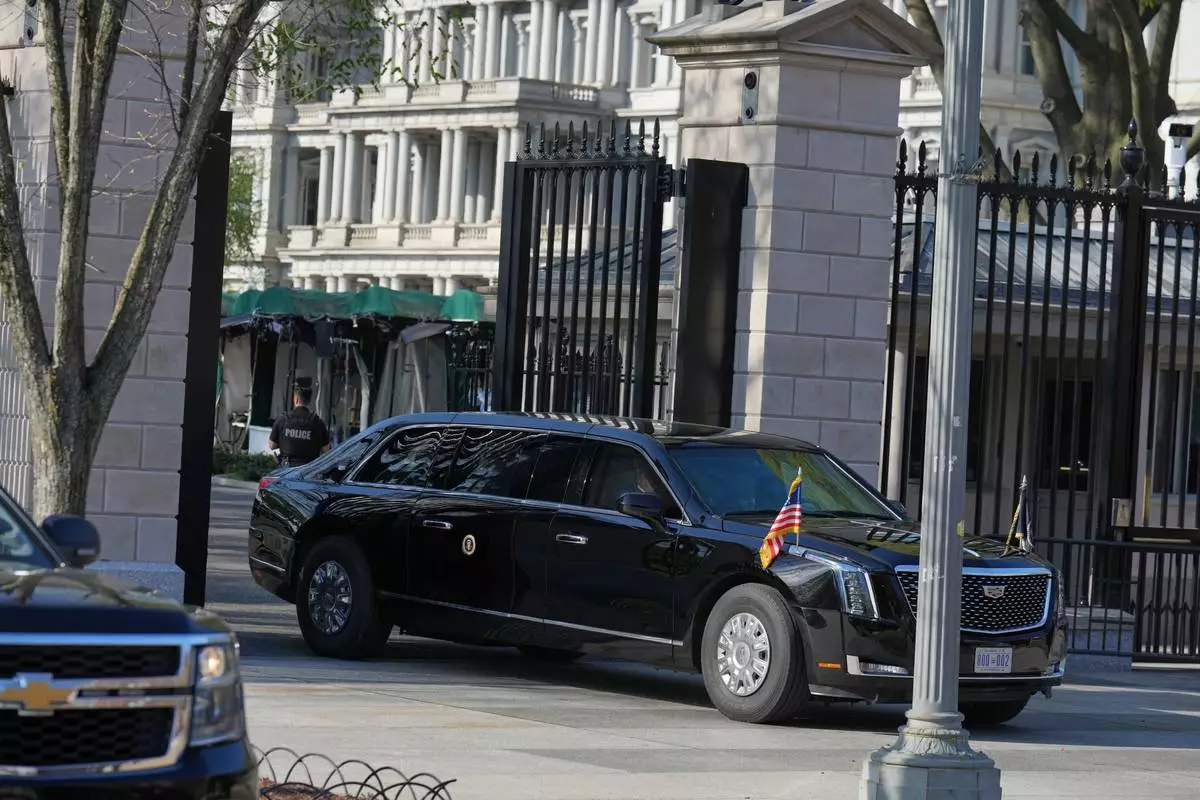
President Donald Trump's limo exits the White House en route to the Supreme Court, Wednesday, April 1, 2026, in Washington. (AP Photo/Mark Schiefelbein)

President Donald Trump's motorcade arrives at the U.S. Supreme Court, Wednesday, April 1, 2026, in Washington. (AP Photo/Tom Brenner)

Pro and anti-Trump demonstrators rally outside the U.S. Supreme Court, before justices hear oral arguments on whether President Donald Trump can deny citizenship to children born to parents who are in the United States illegally or temporarily, on Capitol Hill, in Washington, Wednesday, April 1, 2026. (AP Photo/J. Scott Applewhite)
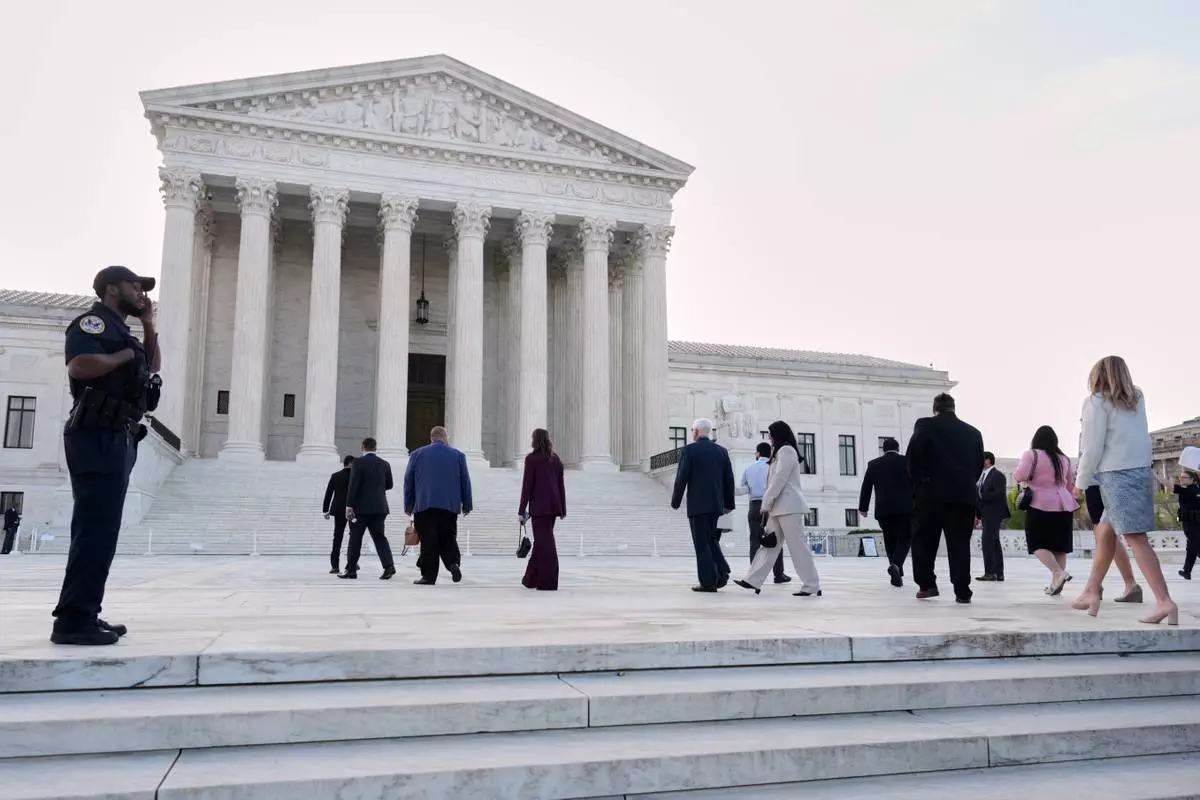
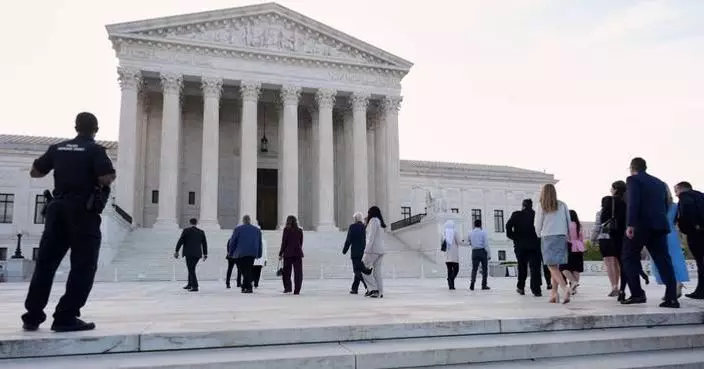
People arrive to walk inside the U.S. Supreme Court, on Capitol Hill in Washington, Wednesday, April 1, 2026. The Supreme Court justices will hear oral arguments today on whether President Donald Trump can deny citizenship to children born to parents who are in the United States illegally or temporarily. (AP Photo/J. Scott Applewhite)
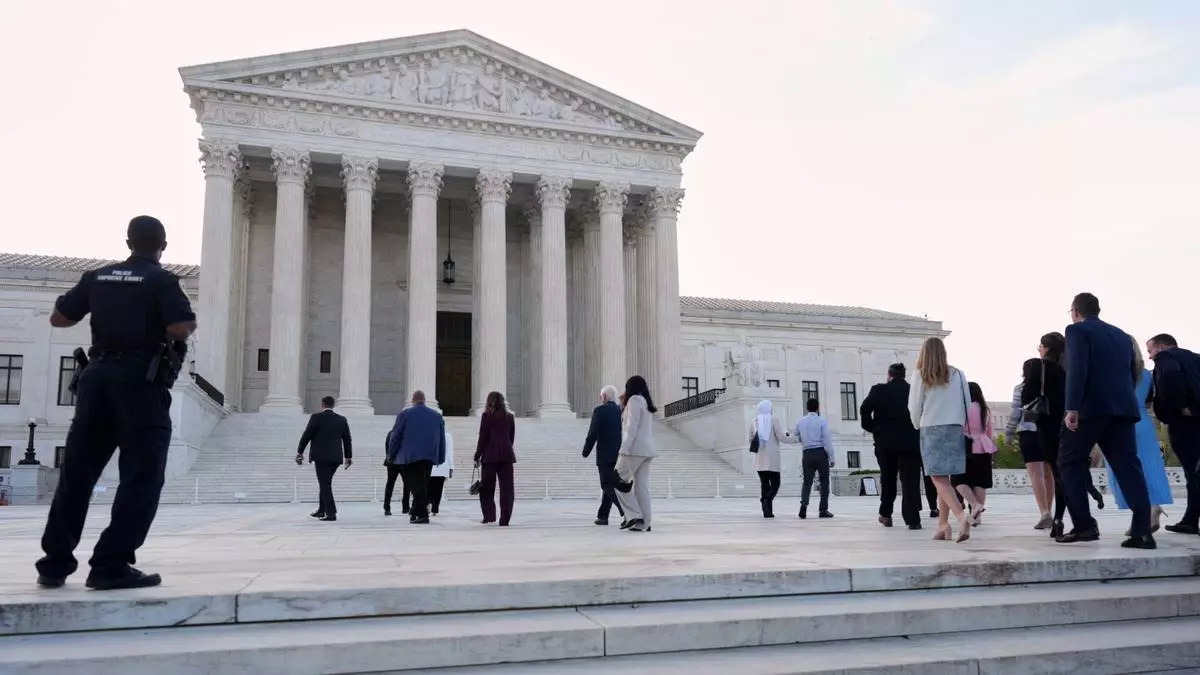
People arrive to walk inside the U.S. Supreme Court, on Capitol Hill in Washington, Wednesday, April 1, 2026. The Supreme Court justices will hear oral arguments today on whether President Donald Trump can deny citizenship to children born to parents who are in the United States illegally or temporarily. (AP Photo/J. Scott Applewhite)
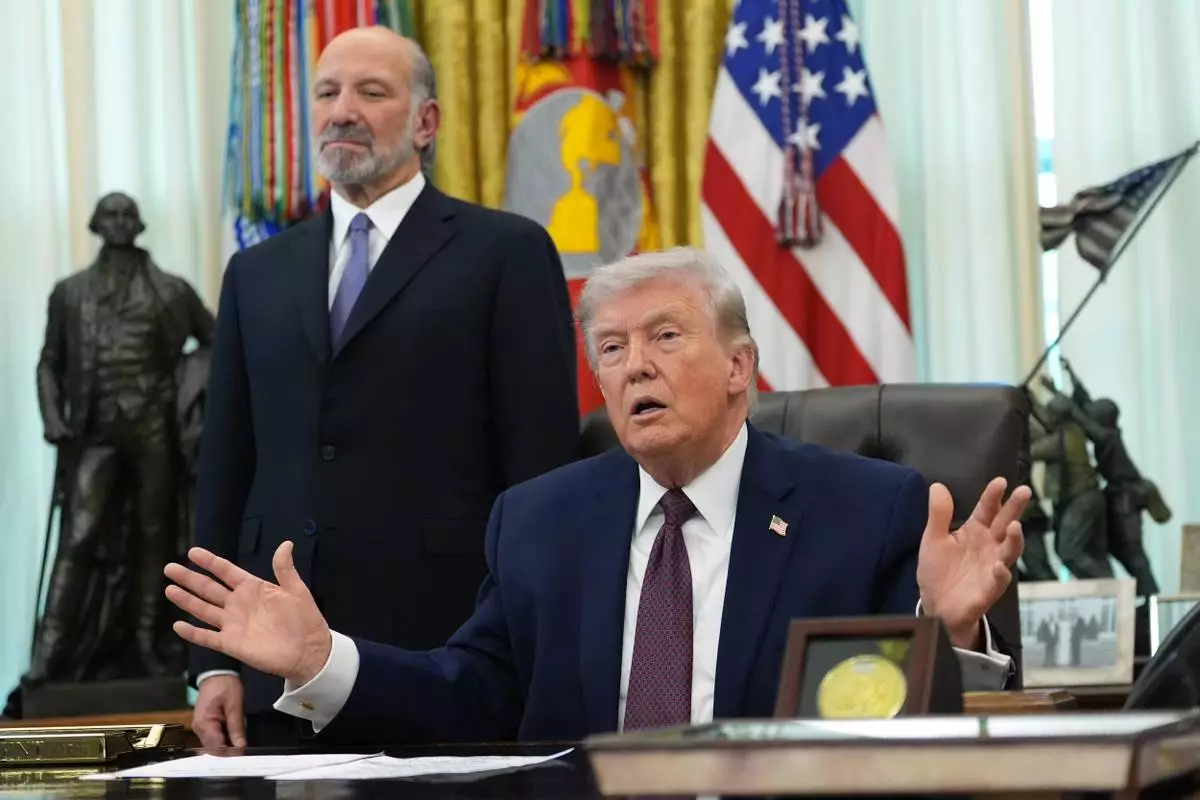
President Donald Trump answers questions from reporters after signing an executive order in the Oval Office of the White House Tuesday, March 31, 2026, in Washington, as Commerce Secretary Howard Lutnick listens. (AP Photo/Alex Brandon)
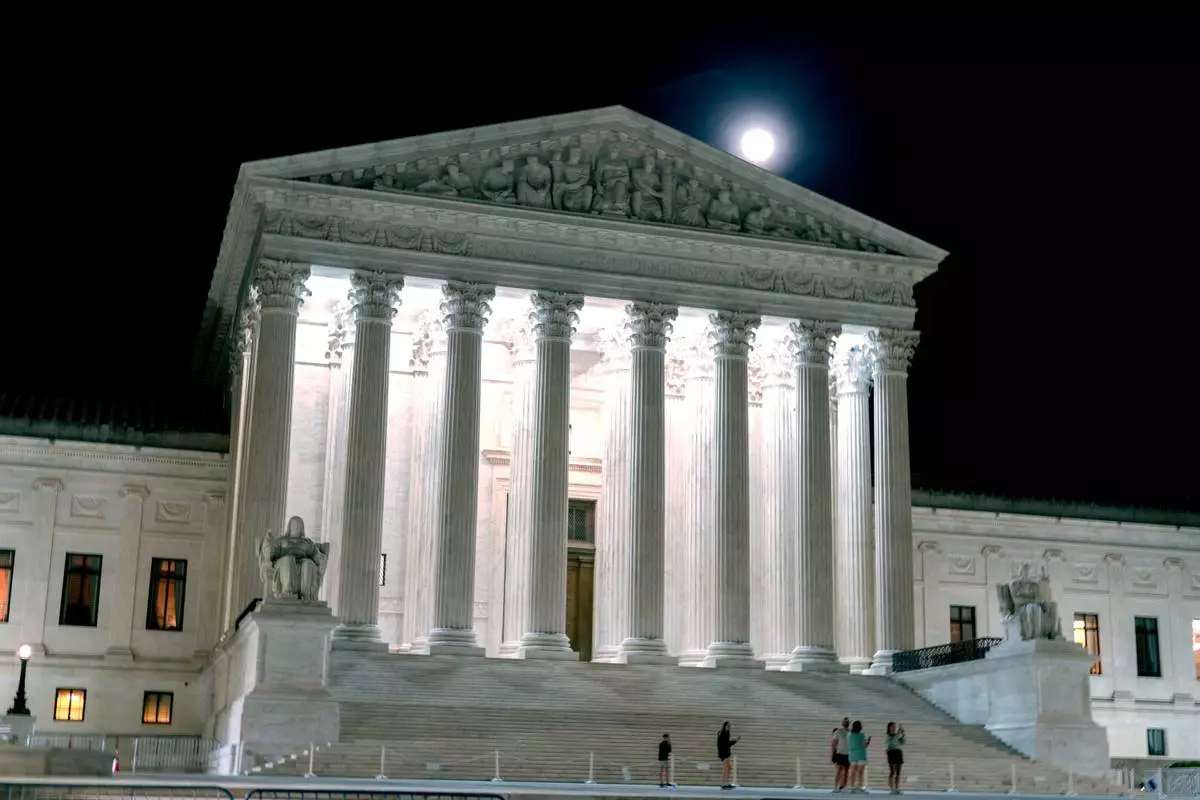
The U.S. Supreme Court is seen as the moon rises Tuesday, March 31, 2026, in Washington. (AP Photo/Jose Luis Magana)