China's outstanding inclusive loans to small and micro businesses reached 36.5 trillion yuan (about 5.2 trillion U.S. dollars) by the end of the third quarter (Q3) of 2025, up 12.1 percent year on year, according to data released by the National Financial Regulatory Administration on Friday.
Specifically, outstanding inclusive loans for agriculture-related purposes stood at 14.1 trillion yuan by the end of Q3, an increase of 1.2 trillion yuan from the beginning of the year, the data showed.
By the end of the third quarter, total RMB and foreign-currency assets of China's banking institutions reached 474.3 trillion yuan, up 7.9 percent from a year earlier.
The data also showed that the non-performing loan ratio of the country's commercial banks was 1.52 percent by the end of Q3.
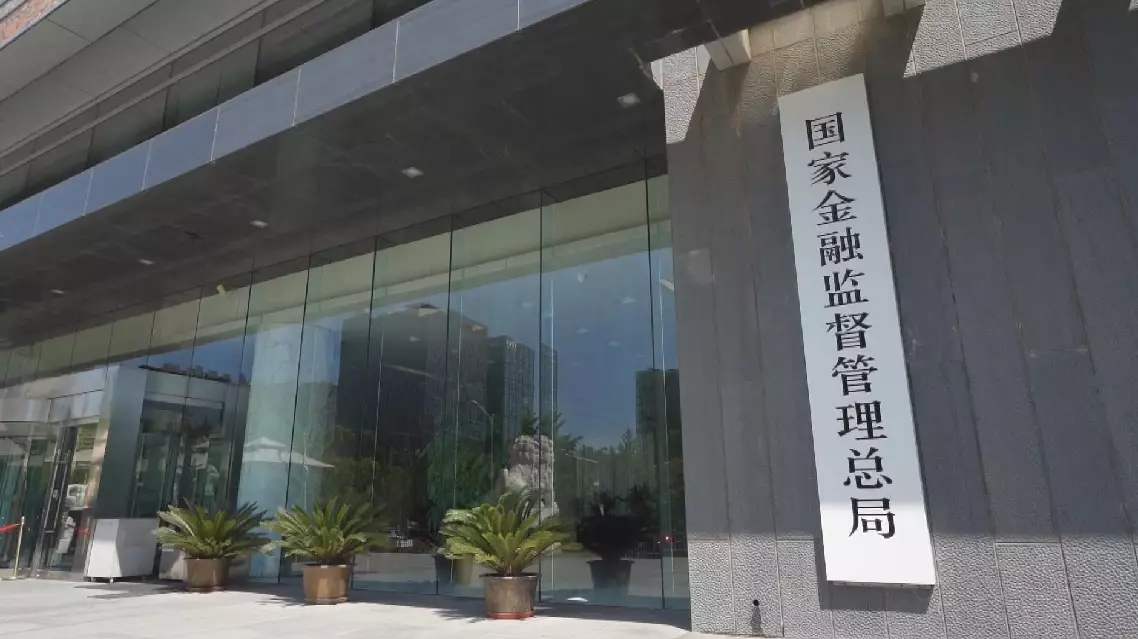
China's inclusive loans to small firms rise 12.1 pct by Q3
The spillover effects of the ongoing conflict in the Middle East are having a noticeable impact as far afield as Peru, a country highly reliant on energy imports, with the costs of transportation and daily supplies all climbing due to the hike in fuel prices.
Global oil prices have been rising as a result of the ongoing U.S.-Israeli-Iran conflict and concerns over the disruption to shipping through the Strait of Hormuz -- a vital passageway that typically carries about one-quarter of global seaborne oil trade.
Prices in Peru have also been worsened in the country after a natural gas pipeline explosion in the Cusco Province last month, which caused a significant gas supply shortage.
At present, the prices of gasoline and diesel in Peru have doubled since the start of the conflict in late February, forcing companies to raise the costs of passenger and freight transportation to offset their losses.
Many are concerned that this will have a considerable knock-on effect which could hamper economic activities and ultimately harm the wallets of local residents who are being forced to pay the price.
"What's the worst is that transportation will affect all activities throughout the economy, including the passenger sector, both intra-city and inter-provincial," said Martin Ojeda, the leader of a transportation workers' union.
"Everything has become more expensive. Both daily necessities and transportation are all very expensive," said a local vendor in the capital Lima.
"Previously, a roast chicken cost me about 45 soles (12.8 U.S. dollars), but now it has risen to 60 soles (over 17 U.S. dollars). This doesn't fit my financial situation, so I have to give up a lot of consumption. People like me who live on pensions are greatly affected," said another resident.
Meanwhile, the prices of fertilizers like urea have risen by around 16 percent over the past month as a result of the conflict, with the Middle East being a major global supplier of fertilizers, as these spiraling costs are also affecting food production and animal husbandry in Peru.
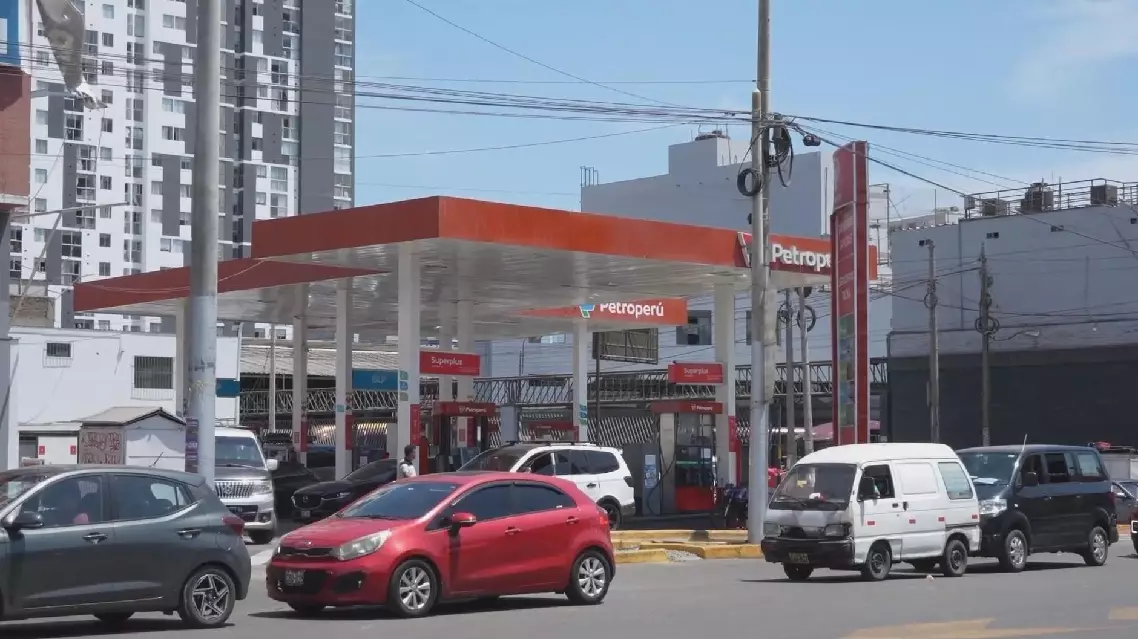
Transportation, living costs rise in Peru as conflict rages on in Middle East