The spillover effects of the ongoing conflict in the Middle East are having a noticeable impact as far afield as Peru, a country highly reliant on energy imports, with the costs of transportation and daily supplies all climbing due to the hike in fuel prices.
Global oil prices have been rising as a result of the ongoing U.S.-Israeli-Iran conflict and concerns over the disruption to shipping through the Strait of Hormuz -- a vital passageway that typically carries about one-quarter of global seaborne oil trade.
Prices in Peru have also been worsened in the country after a natural gas pipeline explosion in the Cusco Province last month, which caused a significant gas supply shortage.
At present, the prices of gasoline and diesel in Peru have doubled since the start of the conflict in late February, forcing companies to raise the costs of passenger and freight transportation to offset their losses.
Many are concerned that this will have a considerable knock-on effect which could hamper economic activities and ultimately harm the wallets of local residents who are being forced to pay the price.
"What's the worst is that transportation will affect all activities throughout the economy, including the passenger sector, both intra-city and inter-provincial," said Martin Ojeda, the leader of a transportation workers' union.
"Everything has become more expensive. Both daily necessities and transportation are all very expensive," said a local vendor in the capital Lima.
"Previously, a roast chicken cost me about 45 soles (12.8 U.S. dollars), but now it has risen to 60 soles (over 17 U.S. dollars). This doesn't fit my financial situation, so I have to give up a lot of consumption. People like me who live on pensions are greatly affected," said another resident.
Meanwhile, the prices of fertilizers like urea have risen by around 16 percent over the past month as a result of the conflict, with the Middle East being a major global supplier of fertilizers, as these spiraling costs are also affecting food production and animal husbandry in Peru.
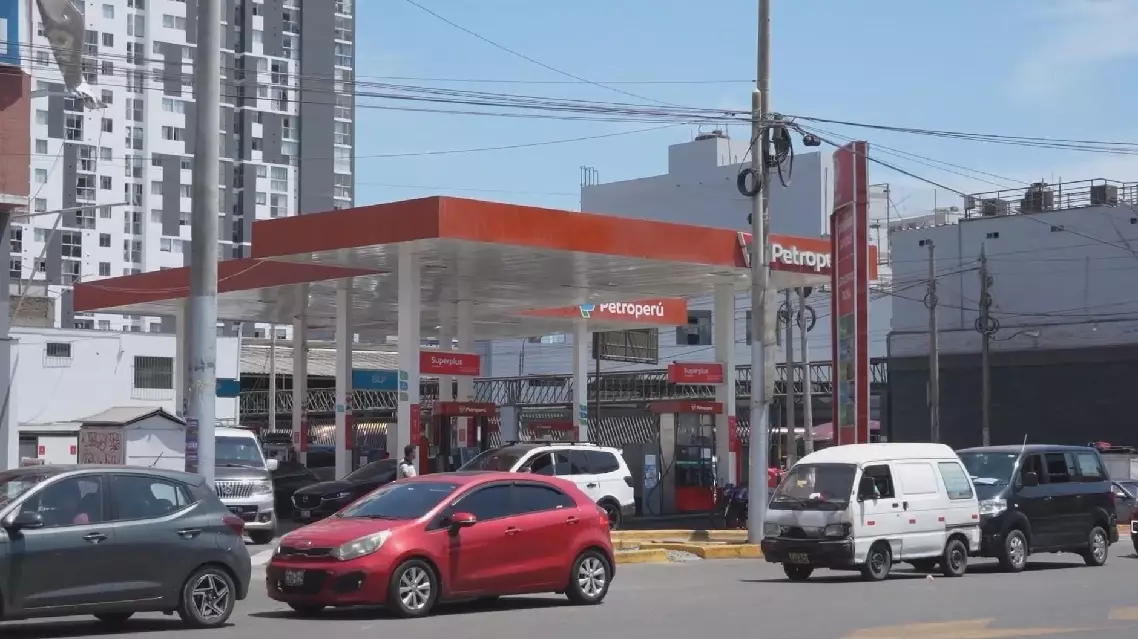
Transportation, living costs rise in Peru as conflict rages on in Middle East
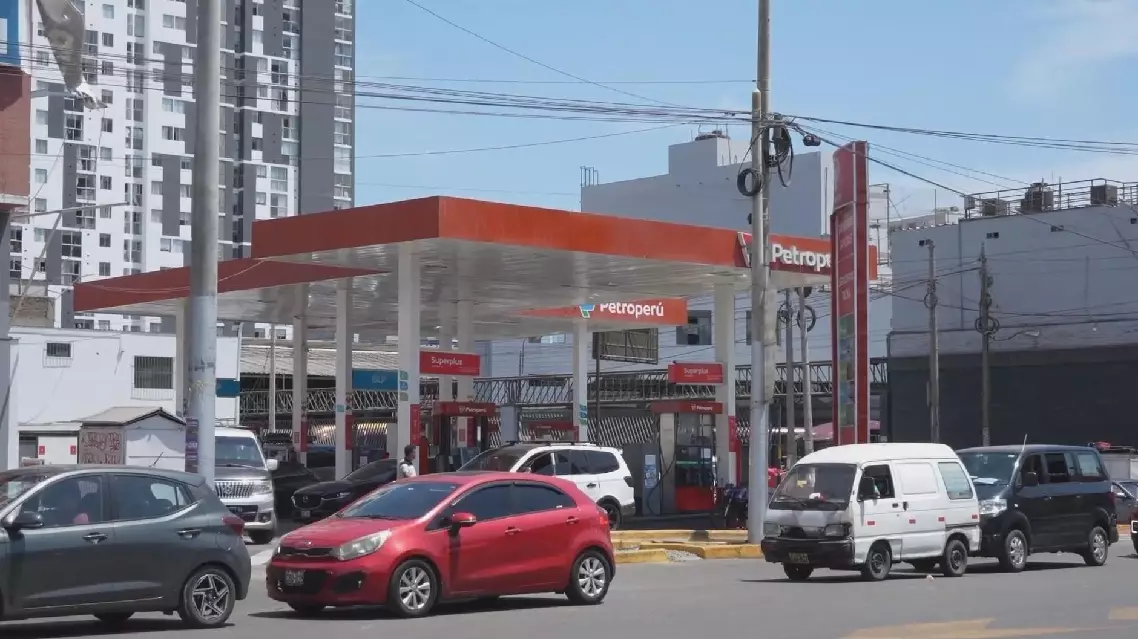
Transportation, living costs rise in Peru as conflict rages on in Middle East
Mergers, acquisitions, and reorganizations in China's A-share market have picked up markedly since the start of the year, with deals disclosed in the first quarter up over 80 percent year on year, led by strong momentum in hard-tech sectors.
Data from Wind Information, a China financial data provider, showed that by Tuesday, listed companies had announced 829 merger, acquisition, and reorganization deals, with 224 on the ChiNext board and 94 on the STAR Market. By sector, "hard technology" sectors, represented by semi-conductor and smart manufacturing, have emerged as the most active areas.
"Hard-tech sectors typically feature rapid technological iteration, heavy research and development investment and long industrial chains, with significant economies of scale. Given these features, industrial mergers, acquisitions, and reorganizations have been a key tool for hard-tech companies to strengthen supply chain resilience and competitiveness. In addition, China's related policies, dubbed 'Six Measures for Mergers and Acquisitions,' explicitly support listed companies in carrying out mergers, acquisitions, and reorganizations around strategic emerging industries and future industries, while moderately increasing regulatory tolerance for unprofitable assets. This has created more favorable institutional conditions and a better market environment for listed companies in the hard-tech sectors to accelerate industrial upgrading and strengthen independent innovation," said Chen Jie, head of Mergers and Acquisitions Group at the investment banking division of China International Capital Corporation.
Chen also noted that the surge in mergers, acquisitions, and reorganizations has been reshaping valuation dynamics in the A-share market. As integration and synergies take time to materialize, investors are increasingly shifting their focus from short-term sentiment to long-term value based on business logic. At the same time, sustained mergers and acquisitions activity is expected to support the revaluation of leading companies.
"Through consolidation and expansion, leading A-share firms are likely to see their core competitiveness and long-term growth prospects become more evident. This will help the market better recognize their intrinsic value, offering higher valuation, and contribute to a more rational and mature valuation system overall," said Chen.
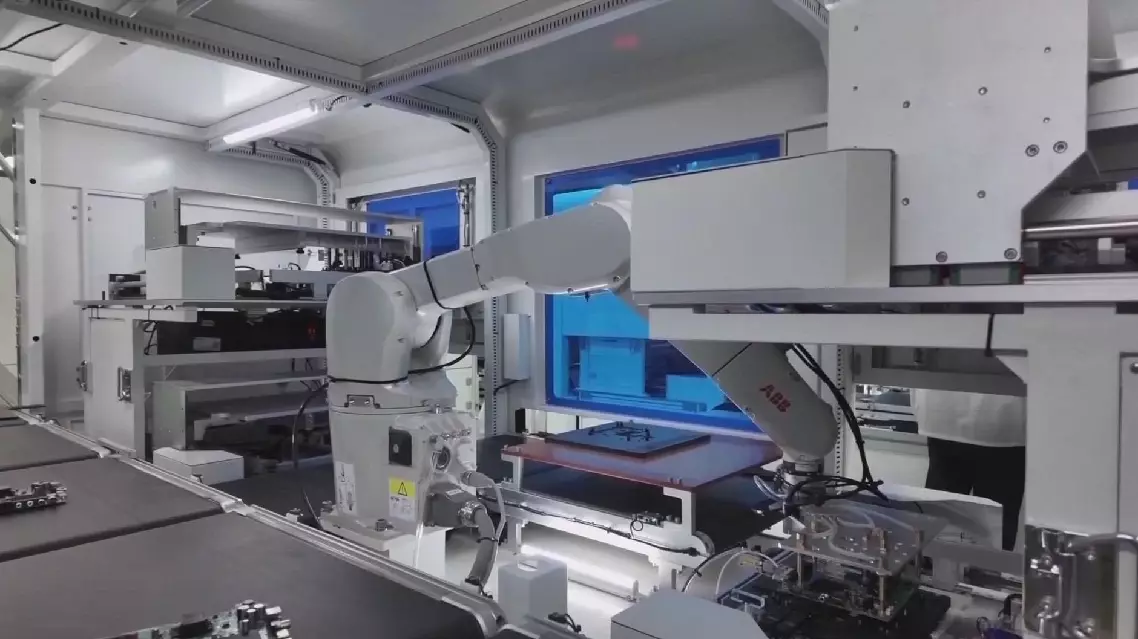
China's A-share sees mergers, acquisitions, reorganizations pick up,led by hard-tech sectors