Skip to Content Facebook Feature Image

Cross-Strait economic, trade cooperation brings tangible benefits to Taiwan compatriots: spokeswoman

China

Cross-Strait economic, trade cooperation brings tangible benefits to Taiwan compatriots: spokeswoman
China

China

Cross-Strait economic, trade cooperation brings tangible benefits to Taiwan compatriots: spokeswoman

2026-04-01 17:33 Last Updated At:20:47

A Chinese mainland spokeswoman on Wednesday slammed Democratic Progressive Party (DPP) authorities' push to build a so-called global "non-red supply chain", emphasizing that cross-Strait economic and trade cooperation has brought tangible benefits to Taiwan compatriots.

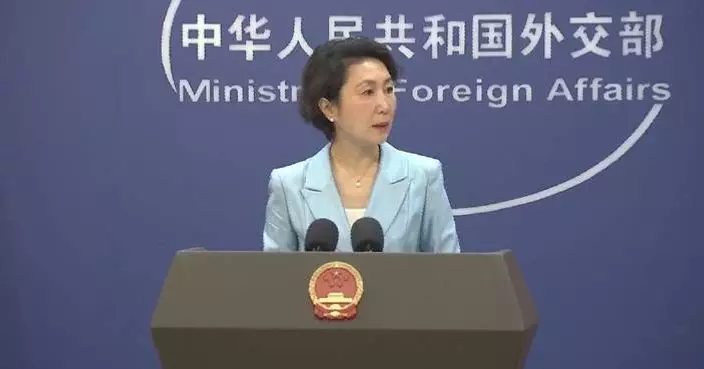
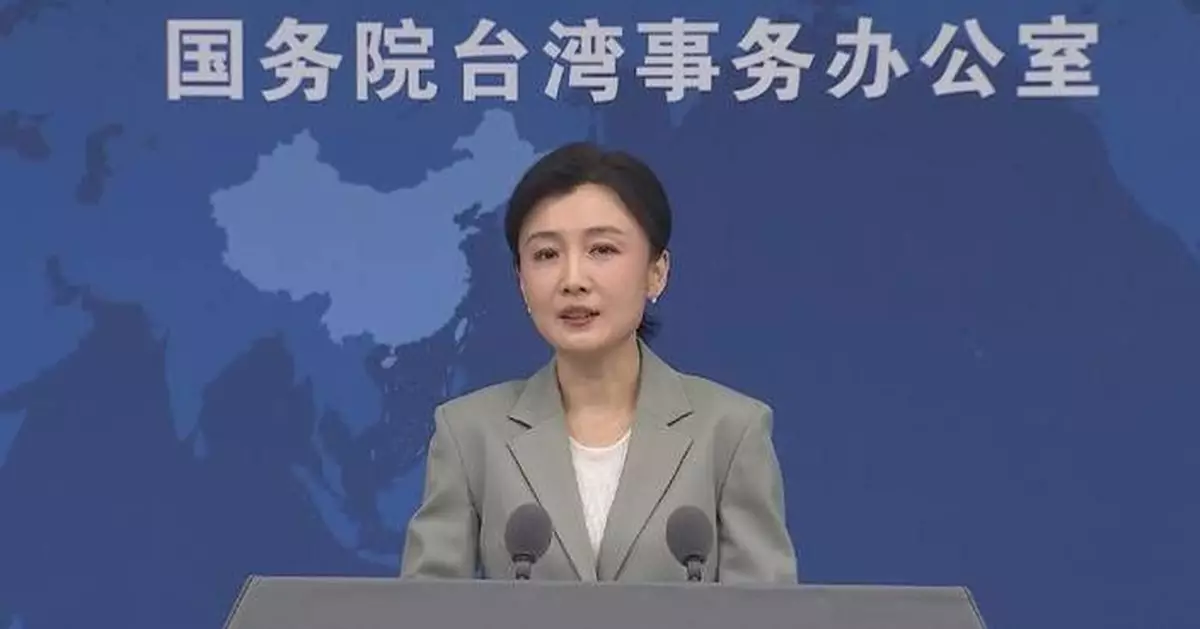
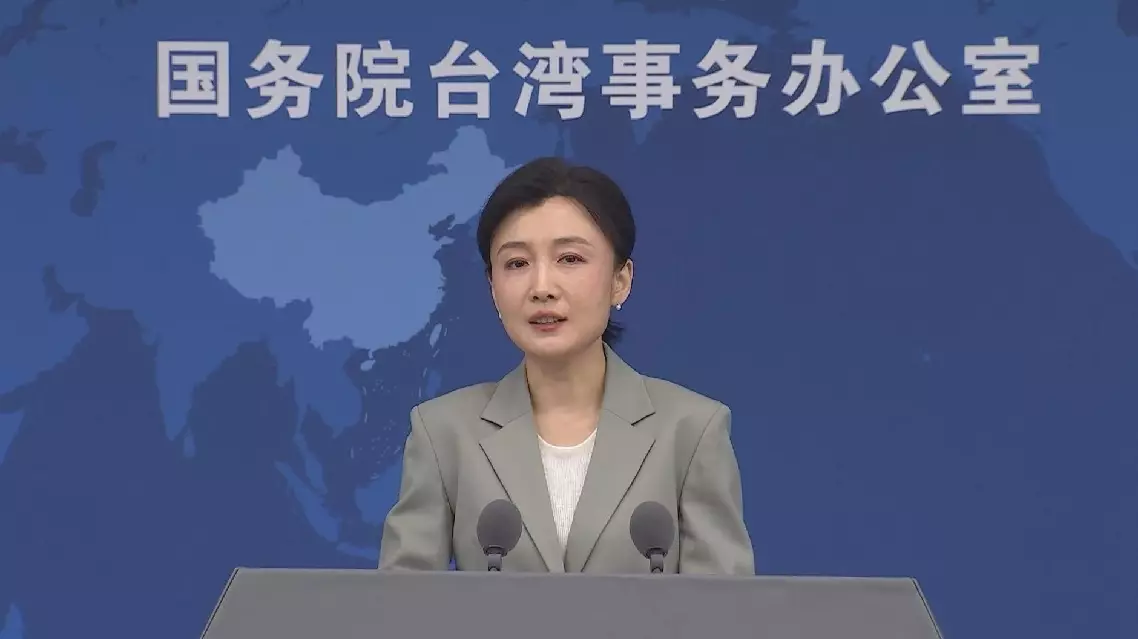
Zhang Han, spokeswoman for the State Council Taiwan Affairs Office, made the statement at a press conference in Beijing in response to a media query regarding Taiwan leader Lai Ching-te's renewed push for building the so-called global "non-red supply chain".

She noted that public opinion in Taiwan increasingly suggests that the island should deepen its integration with the mainland's industrial chain, particularly in semiconductors and advanced manufacturing, in order to seize opportunities arising from the rapid expansion of the mainland's robotics and AI-driven sectors.

A growing number of Taiwan residents also recognize that embracing closer economic ties with the mainland is essential for Taiwan to staying competitive.

"The DPP authorities' claim to build a so-called 'non-red supply chain' is nothing more than a way to hand over Taiwan's industries to others in order to realize their scheme of soliciting external support for secession. Cross-Strait mutual-beneficial economic and trade cooperation has delivered tangible outcomes to our Taiwan compatriots. An increasing number of Taiwan residents have recognized the convenience and opportunities brought by the integrated development of the two sides of the Taiwan Strait," said Zhang.

"This year marks the beginning of the 15th Five-Year Plan period (2026-2030). During this period, we will promote the deep integration of scientific and technological innovation with industrial innovation, and push for new progress in optimizing and upgrading traditional industries, cultivating and strengthening emerging industries, and formulating forward-looking plans for future industries. These efforts will undoubtedly open up broader space for cross-Strait industrial cooperation and create more opportunities for Taiwan compatriots and Taiwan-funded enterprises," she said.

"We consistently uphold the concept that people on both sides of the Taiwan Strait are of the same family, deepening cross-Strait exchanges, cooperation, and integrated development, so that people on both sides of the Strait may jointly share the achievements and opportunities of Chinese modernization. We warmly welcome Taiwan compatriots to participate in the high-quality development of the mainland, working together to strengthen the economy of the Chinese nation," said the spokeswoman.
Cross-Strait economic, trade cooperation brings tangible benefits to Taiwan compatriots: spokeswoman

Cross-Strait economic, trade cooperation brings tangible benefits to Taiwan compatriots: spokeswoman

The spillover effects of the ongoing conflict in the Middle East are having a noticeable impact as far afield as Peru, a country highly reliant on energy imports, with the costs of transportation and daily supplies all climbing due to the hike in fuel prices.

Global oil prices have been rising as a result of the ongoing U.S.-Israeli-Iran conflict and concerns over the disruption to shipping through the Strait of Hormuz -- a vital passageway that typically carries about one-quarter of global seaborne oil trade.

Prices in Peru have also been worsened in the country after a natural gas pipeline explosion in the Cusco Province last month, which caused a significant gas supply shortage.

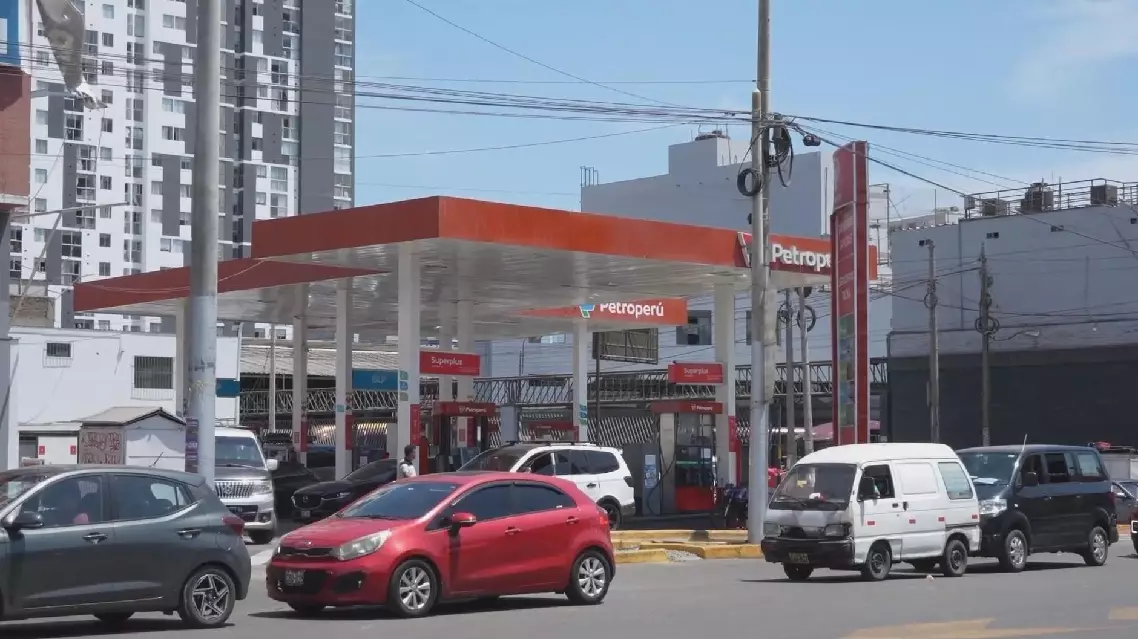
At present, the prices of gasoline and diesel in Peru have doubled since the start of the conflict in late February, forcing companies to raise the costs of passenger and freight transportation to offset their losses.

Many are concerned that this will have a considerable knock-on effect which could hamper economic activities and ultimately harm the wallets of local residents who are being forced to pay the price.

"What's the worst is that transportation will affect all activities throughout the economy, including the passenger sector, both intra-city and inter-provincial," said Martin Ojeda, the leader of a transportation workers' union.

"Everything has become more expensive. Both daily necessities and transportation are all very expensive," said a local vendor in the capital Lima.

"Previously, a roast chicken cost me about 45 soles (12.8 U.S. dollars), but now it has risen to 60 soles (over 17 U.S. dollars). This doesn't fit my financial situation, so I have to give up a lot of consumption. People like me who live on pensions are greatly affected," said another resident.

Meanwhile, the prices of fertilizers like urea have risen by around 16 percent over the past month as a result of the conflict, with the Middle East being a major global supplier of fertilizers, as these spiraling costs are also affecting food production and animal husbandry in Peru.

Transportation, living costs rise in Peru as conflict rages on in Middle East

Transportation, living costs rise in Peru as conflict rages on in Middle East

Recommended Articles