Chinese scientists have made a groundbreaking discovery in lunar samples collected by the Chang'e-6 mission, identifying iron oxide minerals that reveal unexpected oxidation processes on the Moon's surface.
The findings, announced on Sunday by the China National Space Administration, Shandong University, and the Chinese Academy of Sciences, provide direct evidence supporting an impact-related origin for magnetic anomalies around the South Pole–Aitken Basin.
Click to Gallery
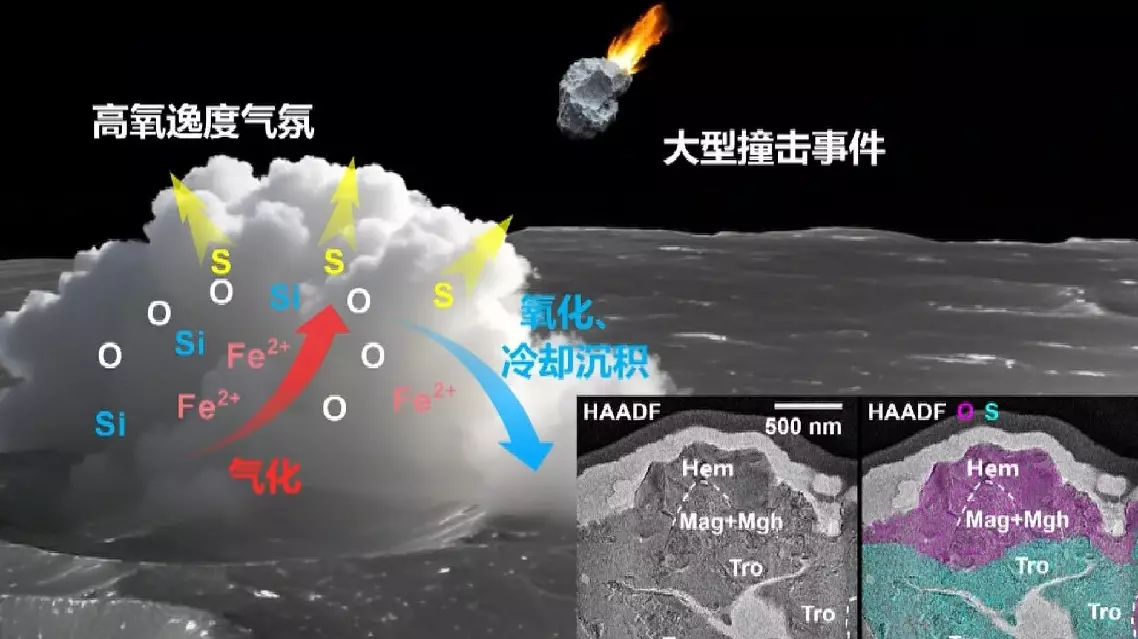
China reveals first evidence of impact-generated iron oxides in Chang'e-6 lunar samples
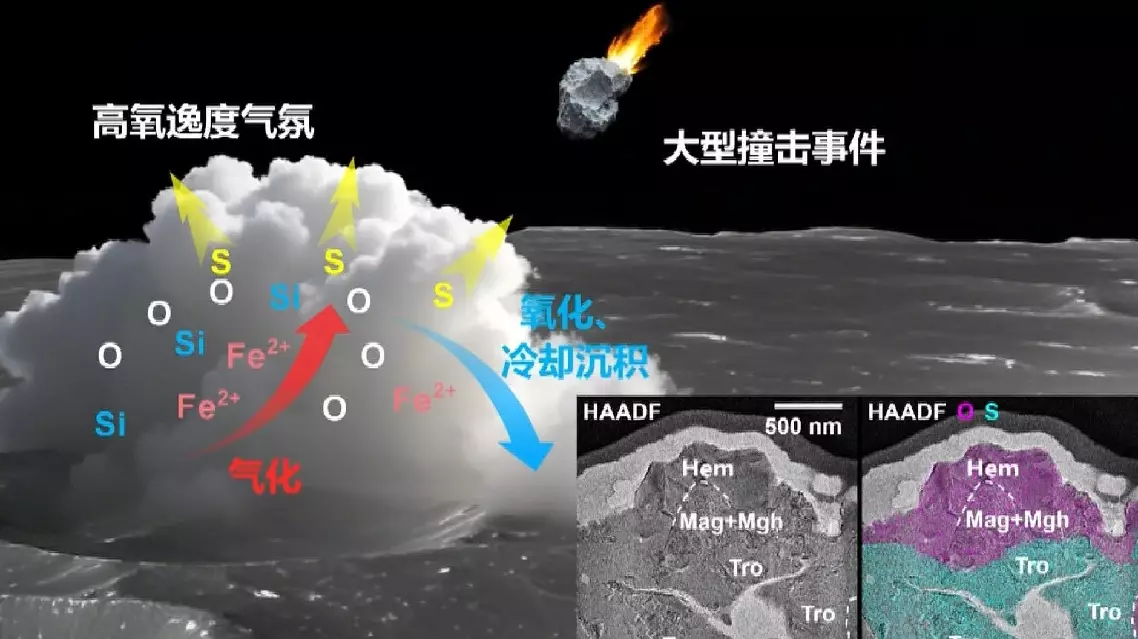
China reveals first evidence of impact-generated iron oxides in Chang'e-6 lunar samples
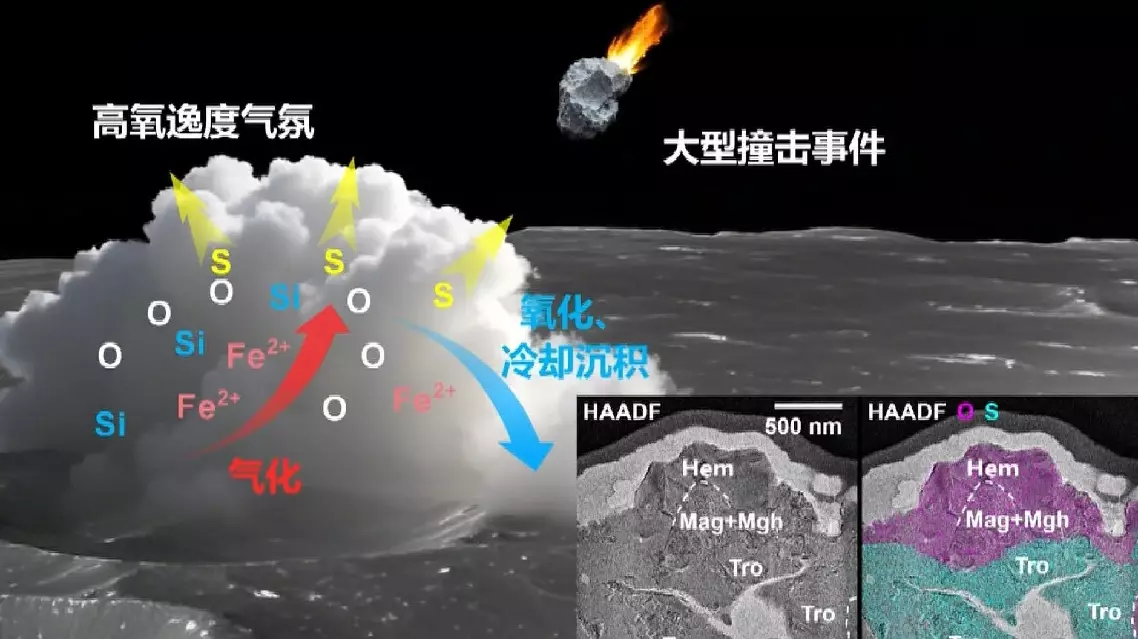
China reveals first evidence of impact-generated iron oxides in Chang'e-6 lunar samples
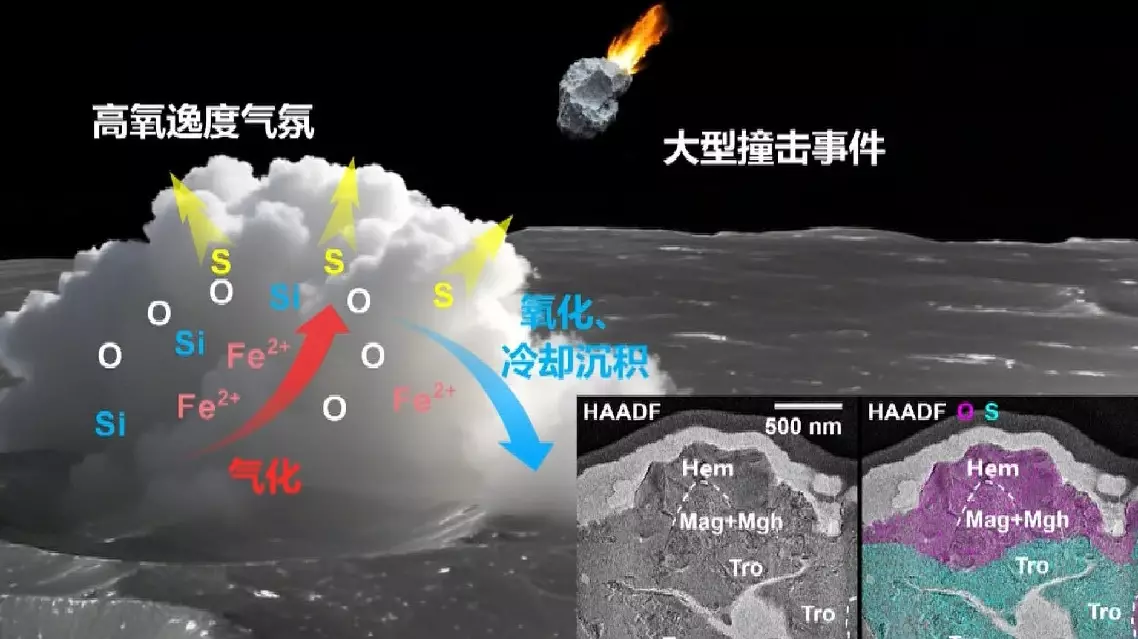
China reveals first evidence of impact-generated iron oxides in Chang'e-6 lunar samples
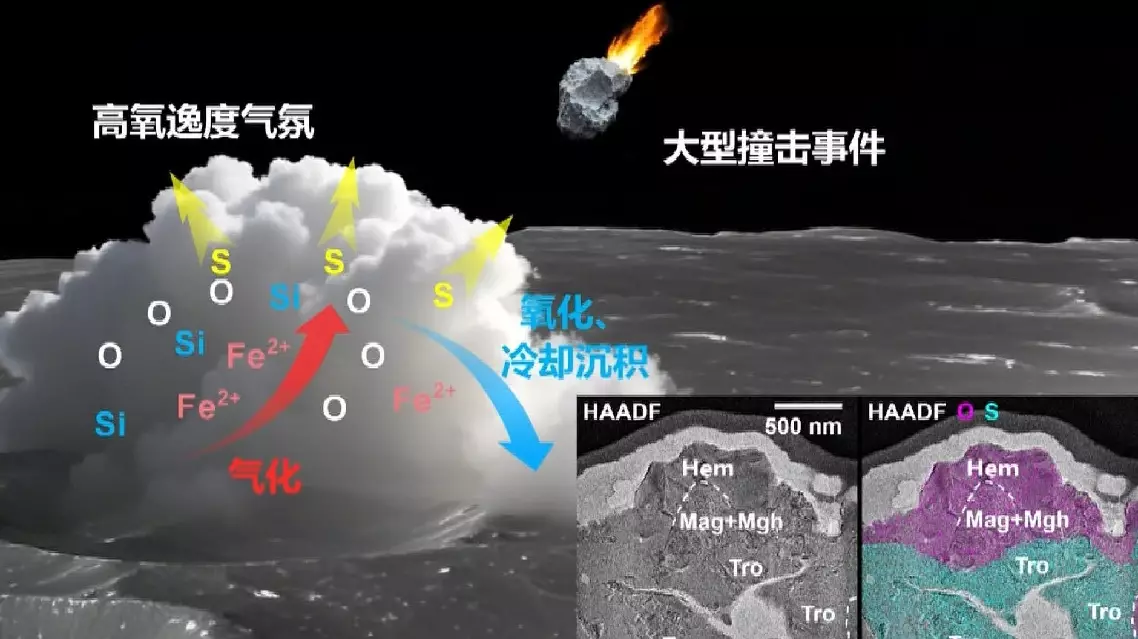
China reveals first evidence of impact-generated iron oxides in Chang'e-6 lunar samples
A joint research team analyzed 3,000 milligrams of lunar samples obtained from the space agency.
"We first identified clues of hematite within thousands of lunar soil spectral data sets, and then used methods such as electron microscope micro-area analysis to determine the crystal structure and types of the minerals. Ultimately, we discovered, for the first time, both hematite and maghemite in the Chang'e-6 lunar soil samples. This represents a major scientific breakthrough in the study of lunar oxidation," said Ling Zongcheng, deputy director of the School of Space Science and Technology of Shandong University.
Unlike Earth, the Moon lacks both a protective atmosphere and significant water, creating a reducing environment where highly oxidized minerals were long considered unlikely to form, akin to iron that never rusts. The discovery of trivalent iron oxides indicates strong oxidation processes occurred on the lunar surface.
Researchers suggest these hematite formations may be linked to major impact events in lunar history. Intermediate magnetic minerals like maghemite and magnetite generated during impacts could represent mineral carriers responsible for magnetic anomalies along the South Pole–Aitken Basin's rim.
"This discovery is highly significant; one could say it opens a new chapter in humanity's understanding of lunar oxidation processes. Previously, the Moon was generally considered to be a reducing environment, and oxidation processes were often overlooked. Through our research, we anticipate that more new findings focusing on lunar oxidation will emerge in the future," Liu said.
Published in the interdisciplinary journal Science Advances, the research provides crucial scientific support for future lunar studies and enhances understanding of the Moon's evolutionary history.
China reveals first evidence of impact-generated iron oxides in Chang'e-6 lunar samples
China reveals first evidence of impact-generated iron oxides in Chang'e-6 lunar samples
China reveals first evidence of impact-generated iron oxides in Chang'e-6 lunar samples
China reveals first evidence of impact-generated iron oxides in Chang'e-6 lunar samples
China reveals first evidence of impact-generated iron oxides in Chang'e-6 lunar samples