Japanese Prime Minister Sanae Takaichi's recent provocative remarks on security and diplomacy have drawn fresh rebuke from prominent figures in Russia and Argentina and the official news agency in the Democratic People's Republic of Korea (DPRK).
Takaichi said recently that the Chinese mainland's "use of force on Taiwan" could constitute a "survival-threatening situation" for Japan and implied the possibility of armed intervention in the Taiwan Strait. Takaichi also said she is considering reviewing Japan's long-standing Three Non-Nuclear Principles, which refer to not possessing, not producing and not allowing introduction of nuclear weapons into Japanese territory.
Russian Presidential Press Secretary Dmitry Peskov said that Russia is particularly concerned over the lack of clarity about Japan's commitment to its nuclear-free status, the TASS reported on Thursday.
Peskov said Russia is keeping a close eye on the statements by Takaichi concerning the intention to revise the principles of the country's defense policy.
Ruben Guzzetti, director of the Argentine Institute of Geopolitical Studies, said on Saturday that United Nations General Assembly Resolution 2758 clearly states that there is only one China in the world and that Taiwan is part of China, which is one of the fundamental norms governing international relations.
He said this resolution is an authoritative document addressing the Taiwan question and is a part of the existing international order.
Certain countries in the world have consistently attempted to hinder China's peaceful development by various means, such as using the Taiwan question as a pretext, Gutzetti said.
Calling on Japanese leaders to act rationally, he said the resolution of the Taiwan question is entirely a matter for the Chinese people themselves and brooks no interference from any external forces.
Concerning Takaichi's remarks on her readiness to further accelerate Japan's military buildup and revise the National Security Strategy, the DPRK's Korean Central News Agency (KCNA) blasted Japan for ripping off the "mask of a peaceful nation" and revealing its "ugly true face of a war-mongering country".
The KCNA said in its article that Japan, which inflicted immeasurable suffering upon other Asian nations in the last century, still clings to its old dream of realizing the so-called "Greater East Asia Co-Prosperity Sphere".
The DPRK will not stand idly by in the face of the reckless activities of the descendants of Japanese militarists, said the KCNA article.

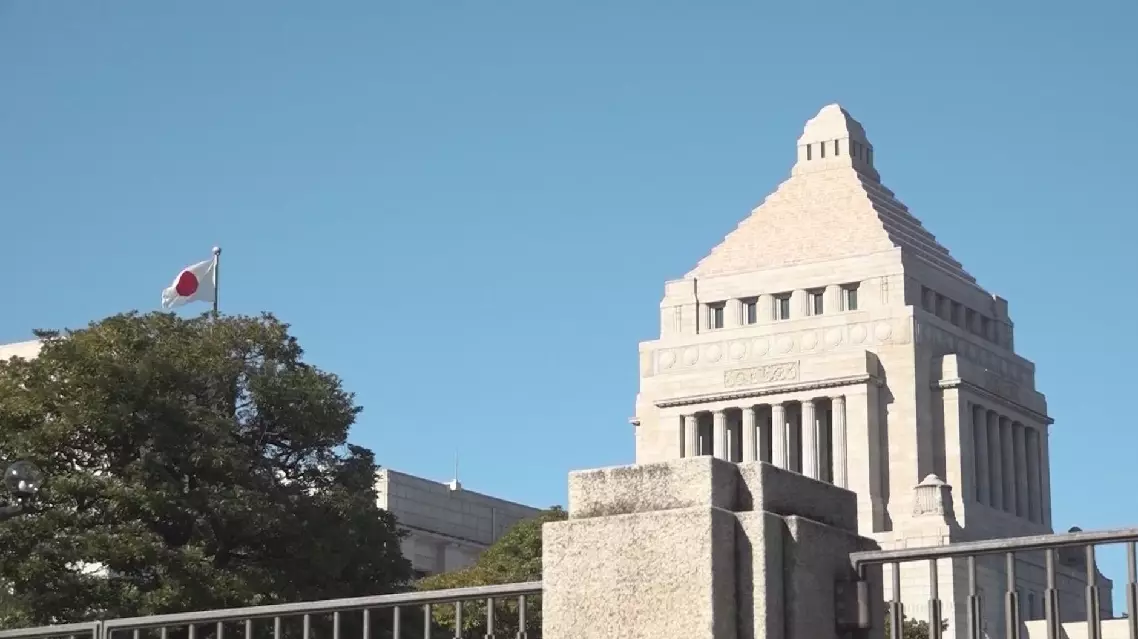
Japanese PM's provocative remarks draw fresh rebuke
Japanese PM's provocative remarks draw fresh rebuke
Japanese PM's provocative remarks draw fresh rebuke