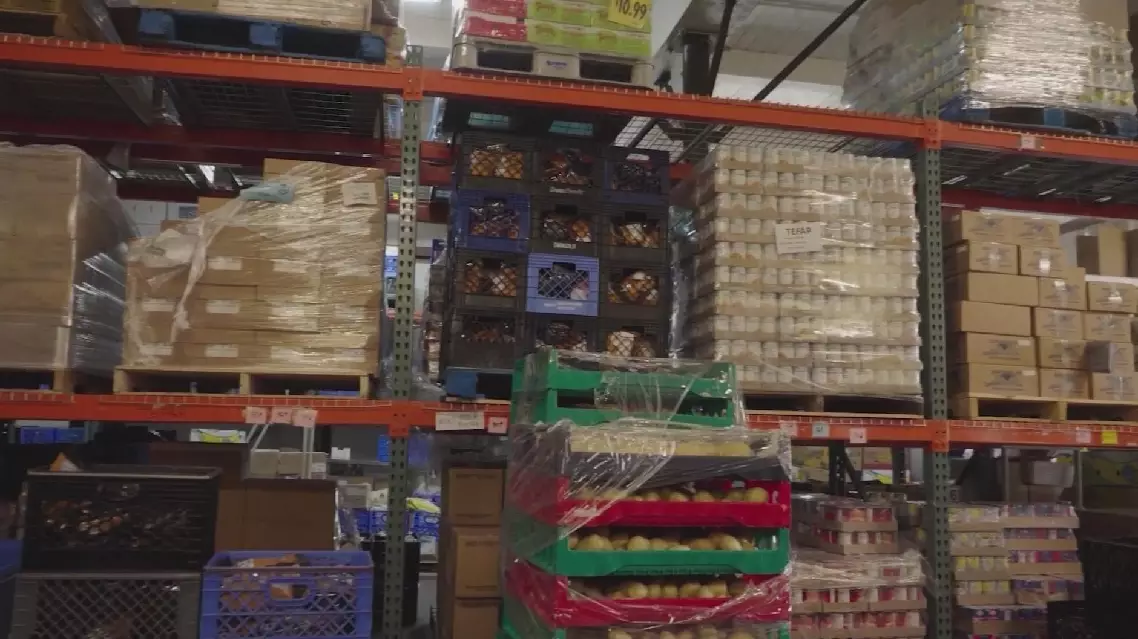
U.S. President Donald Trump has announced the removal of reciprocal tariffs on certain agricultural imports, a move aimed at easing grocery price burdens ahead of Thanksgiving.
The Trump administration released an executive order last Friday detailing the exemptions, which include coffee and tea, tropical fruits and juices, cocoa and spices, bananas, oranges, tomatoes, beef, and certain fertilizers.
According to a fact sheet, these changes are intended to address rising food costs, which have climbed nearly 30 percent above pre-pandemic levels. While overall inflation hovers around three percent, specific grocery items have surged, coffee is up nearly 19 percent over the past year, and bananas nearly 7 percent.
U.S. grocery prices have risen to nearly 30 percent higher than before the COVID-19 pandemic.
While overall inflation in the U.S. is at about 3 percent, prices of some groceries have soared, with coffee up nearly 19 percent and bananas up nearly 7 percent over the last year.
Trump said he is not walking away from his approach to trade and but admited that his tariffs are leading to higher prices.
Trump and other Republicans are facing pressure after recent elections saw Democrats like New York City's mayor-elect Zohran Mamdani win after running on the issue of affordability.
Polling suggests two-thirds of Americans disapprove of Trump's tariff policies, and more than six in 10 disapprove of Trump's handling of the economy.
These numbers have added to the challenges the Republicans must contend with in next year's congressional midterm elections.
US cuts tariffs on food items amid rising inflation, soaring grocery prices
China's blue-chip CSI 300 Index made modest gains in the past week thanks to the huge electrification campaign that reduces the country's exposure to the volatile oil price as the continuing conflict in the Middle East enters the second week, said an analyst on Friday.
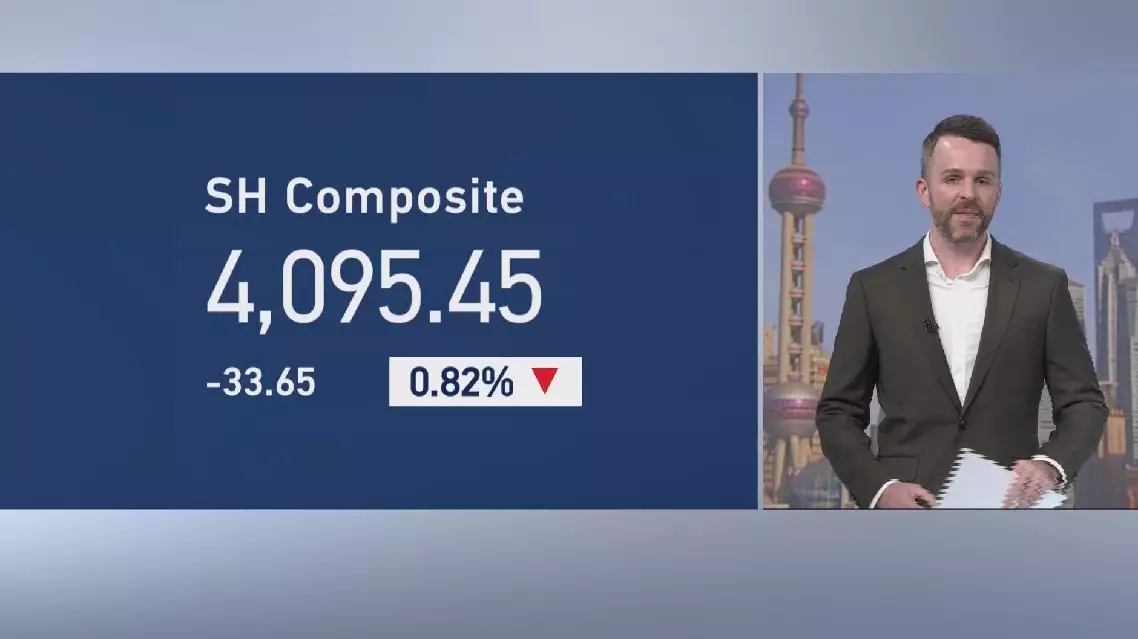
Chinese stocks closed lower on Friday, with the benchmark Shanghai Composite Index down 0.81 percent to 4,095.45 points.
Timothy Pope, a market analyst for China Global Television Network, said the CSI 300 Index made modest gains despite a rough week for both Chinese and global stock markets.
"The conflict in the Middle East really shows no sign of winding down and it has been as you said another rough week for the global markets. Today the Shanghai Composite Index closed down 0.8 percent, and ended lower for the week as well, but the blue-chip CSI 300 Index actually managed to make some modest gains this week. And that fits what we've been hearing from analysts and investment banks, including Morgan Stanley and UBS. They've said that China's got less oil exposure than other economies. This is partly because of the huge electrification campaign which has been happening in China from family cars to road haulage, and also just the total energy mix here. But we know that oil isn't the only thing that's not getting out of the Middle East at the moment. Fertilizer has emerged as another big disruption point and we have seen in the last 48 hours China already begin early releases of fertilizer reserves ahead of the spring planting season. With all that in the mix we have seen the likes of Morgan Stanley and UBS touting A-shares as a diversification option and a resilient market in this risk-off investment environment," said Pope.
"Sector-wise today we saw some consumer stocks rising -- led by liquor makers, in particular, Kweichow Moutai. There were also some limited gains for Chinese real estate and financial firms. But with the oil price still extremely volatile, Chinese resources and energy shares pulled back today to become the two worst-performing sectors," said Pope.
Chinese blue-chip stocks make gains amid a rough week for global markets: analyst