NAPIER, New Zealand (AP) — A rare century partnership between Devon Conway and Rachin Ravindra was the cornerstone Wednesday to New Zealand's five-wicket win over the West Indies in the second one-day international.
New Zealand holds an unassailable 2-0 lead in the series ahead of the final match on Saturday, it's 11th consecutive series win at home.
Click to Gallery
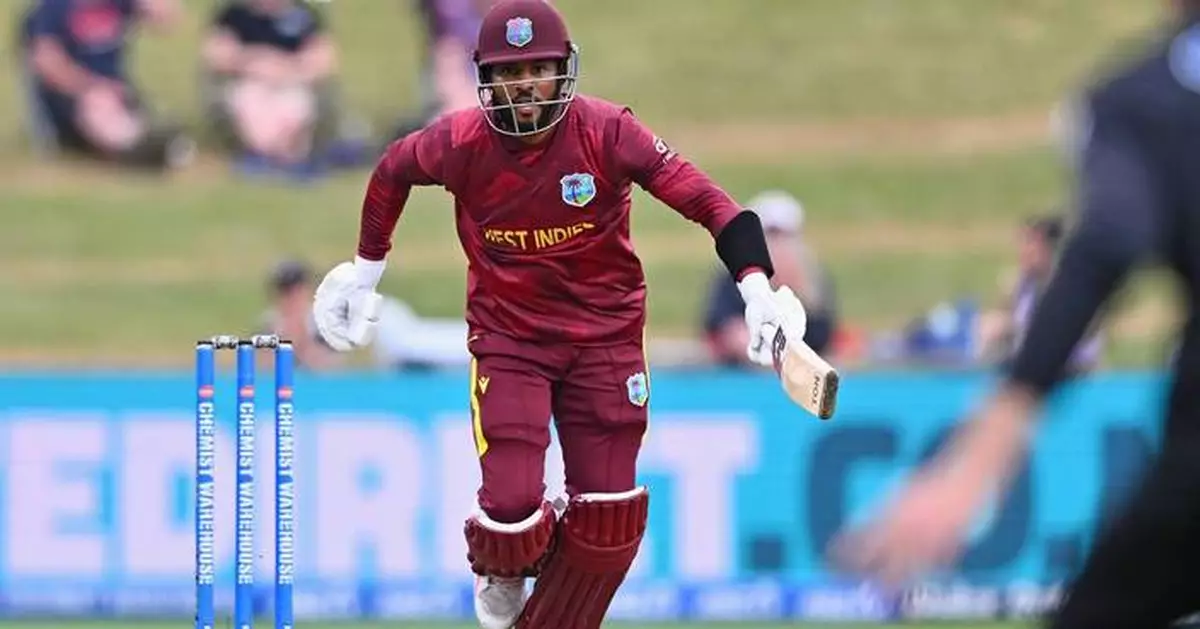
West Indies' Shai Hope celebrates making 100 runs against New Zealand during their One Day International cricket match in Napier, New Zealand, Wednesday Nov. 19, 2025. (Kerry Marshall/Photosport via AP)
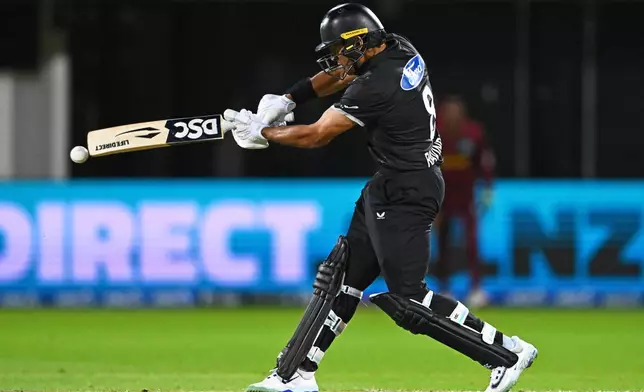
New Zealand's Rachin Ravindra bats against the West Indies during their One Day International cricket match in Napier, New Zealand, Wednesday Nov. 19, 2025. (Kerry Marshall/Photosport via AP)
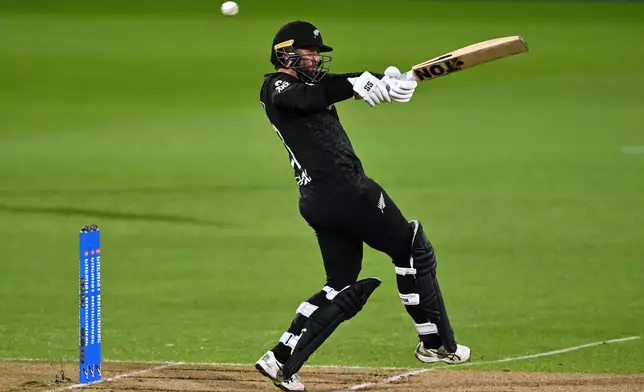
New Zealand's Devon Conway bats against the West Indies during their One Day International cricket match in Napier, New Zealand, Wednesday Nov. 19, 2025. (Kerry Marshall/Photosport via AP)
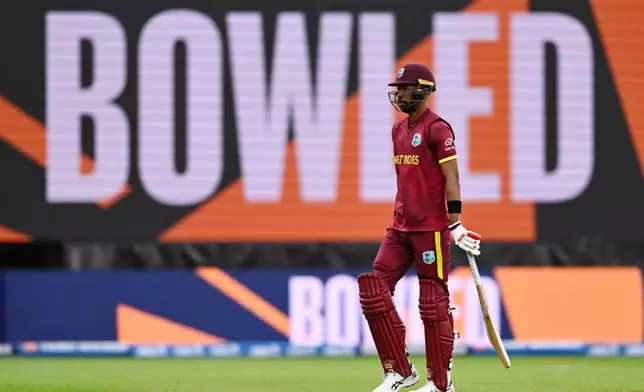
West Indies' Roston Chase walks off after he is bowled by New Zealand's Nathan Smith during their One Day International cricket match in Napier, New Zealand, Wednesday Nov. 19, 2025. (Kerry Marshall/Photosport via AP)
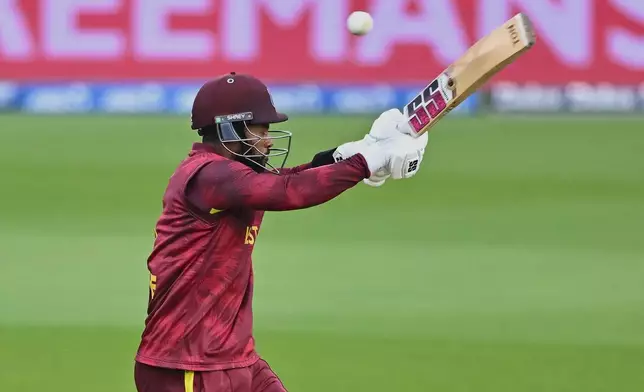
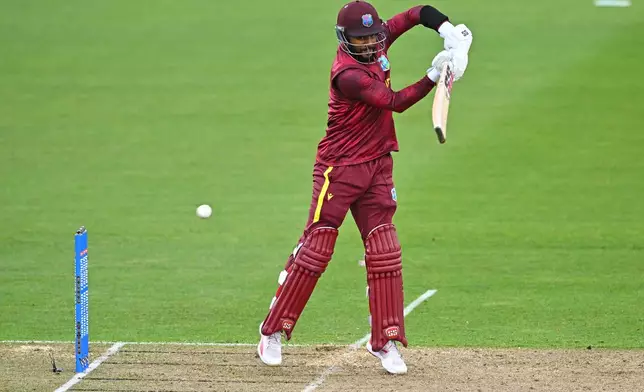
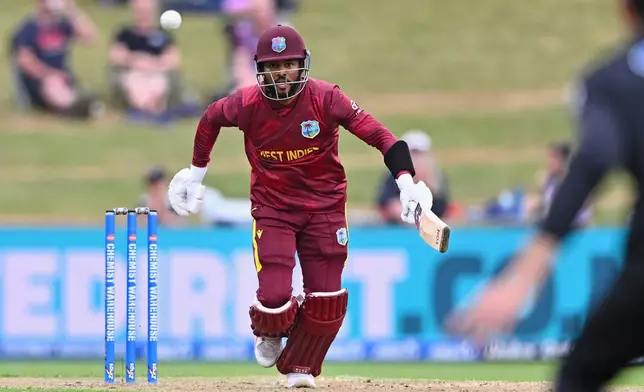
West Indies' Shai Hope bats against New Zealand during their One Day International cricket match in Napier, New Zealand, Wednesday Nov. 19, 2025. (Kerry Marshall/Photosport via AP)
West Indies' Shai Hope bats against New Zealand during their One Day International cricket match in Napier, New Zealand, Wednesday Nov. 19, 2025. (Kerry Marshall/Photosport via AP)
West Indies' Shai Hope bats against New Zealand during their One Day International cricket match in Napier, New Zealand, Wednesday Nov. 19, 2025. (Kerry Marshall/Photosport via AP)
Shai Hope made a century from 67 balls and led West Indies to 247-9 as it batted first after losing the toss.
Hope surpassed 6,000 ODI runs early in his innings, and with his first hundred against New Zealand completed a full set of centuries against all test-playing nations. He is the second-fastest West Indies batter to reach 6,000 runs after Viv Richards.
“I always look at it this way, I got 109. It was still not enough,” said Hope whose century was the fifth fastest by a West Indies batter in ODIs.
“I needed to get 120 or 130 for us to win. That's how I look at it.”
Conway made 90 from 84 balls and Ravindra 56 from 46 deliveries, sharing a partnership of 106 from 100 balls in a match shortened by rain to 34 overs per side. It was the first century partnership by a New Zealand opening pair in 73 matches over five years.
Tom Latham then made 39 from 29 balls and Mitchell Santner 34 from 15 as New Zealand reached 248-5 with three balls remaining.
New Zealand needed 8 runs from the last over and were helped when Jayden Seales conceded a four second ball from a no ball.
Earlier, Hope reached 90 from 62 balls but was stranded for almost three overs on that score as he ran out of partners,
Shamar Springer was out to the first ball of the last over, leaving Hope off strike and the West Indies 235-9. But Seales hurried through for a single and Hope hit the next ball from Kyle Jamieson for six to complete his century, with 13 fours and four sixes.
Rain delayed the start of play by three hours. New Zealand won the toss and the match began in humid conditions in which the ball swung significantly early on. Scoring was difficult when bowlers kept a full length and denied batters width.
AP cricket: https://apnews.com/hub/cricket

West Indies' Shai Hope celebrates making 100 runs against New Zealand during their One Day International cricket match in Napier, New Zealand, Wednesday Nov. 19, 2025. (Kerry Marshall/Photosport via AP)
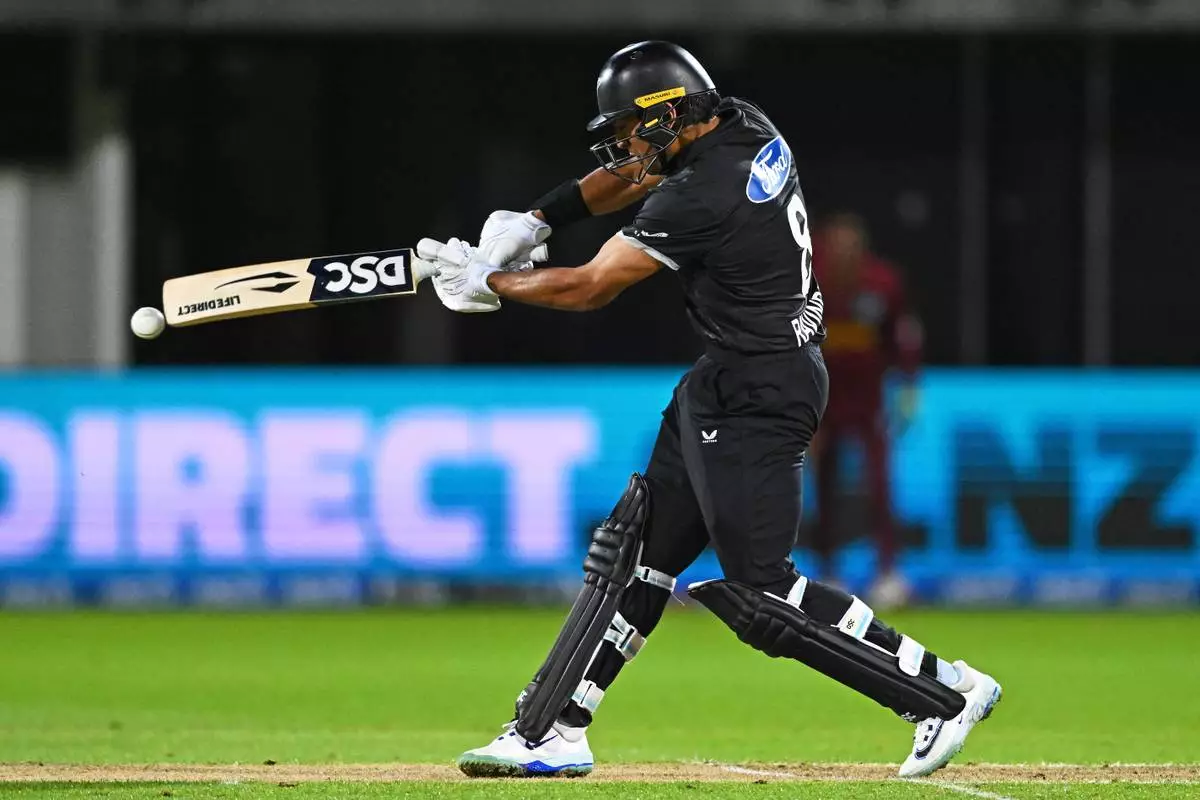
New Zealand's Rachin Ravindra bats against the West Indies during their One Day International cricket match in Napier, New Zealand, Wednesday Nov. 19, 2025. (Kerry Marshall/Photosport via AP)

New Zealand's Devon Conway bats against the West Indies during their One Day International cricket match in Napier, New Zealand, Wednesday Nov. 19, 2025. (Kerry Marshall/Photosport via AP)

West Indies' Roston Chase walks off after he is bowled by New Zealand's Nathan Smith during their One Day International cricket match in Napier, New Zealand, Wednesday Nov. 19, 2025. (Kerry Marshall/Photosport via AP)
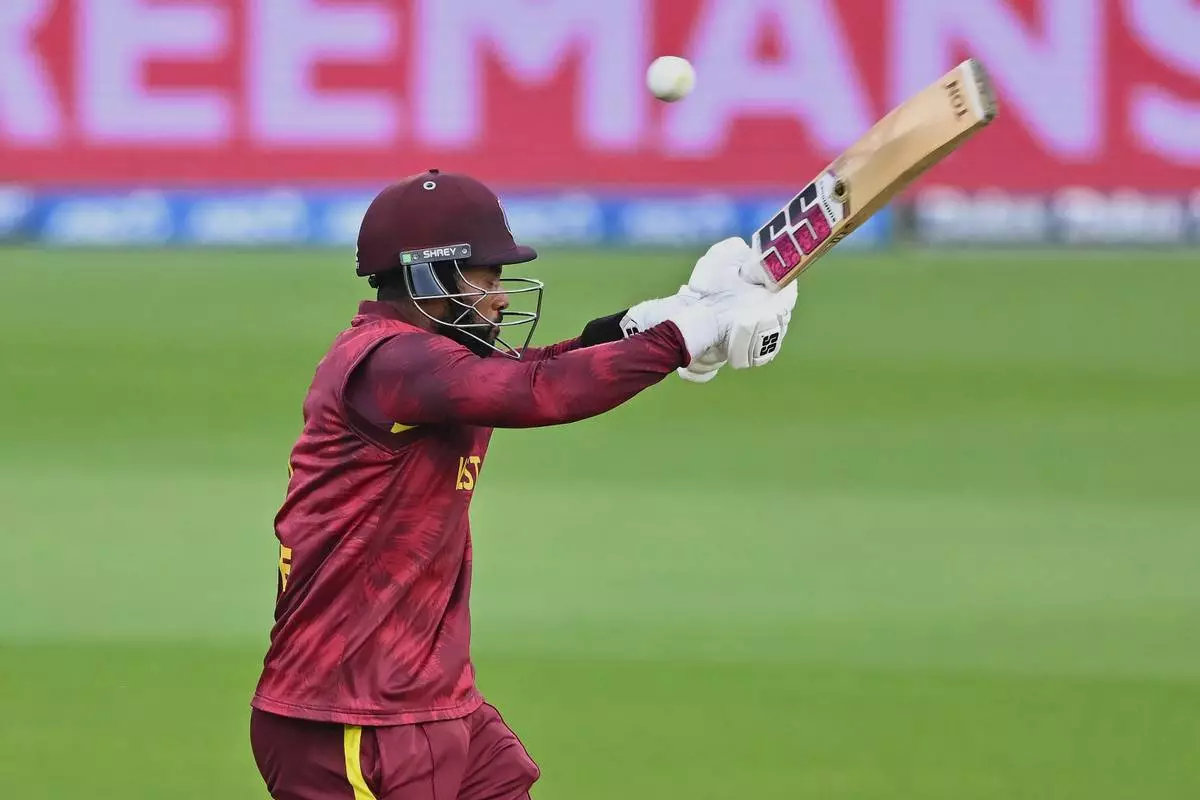
West Indies' Shai Hope bats against New Zealand during their One Day International cricket match in Napier, New Zealand, Wednesday Nov. 19, 2025. (Kerry Marshall/Photosport via AP)
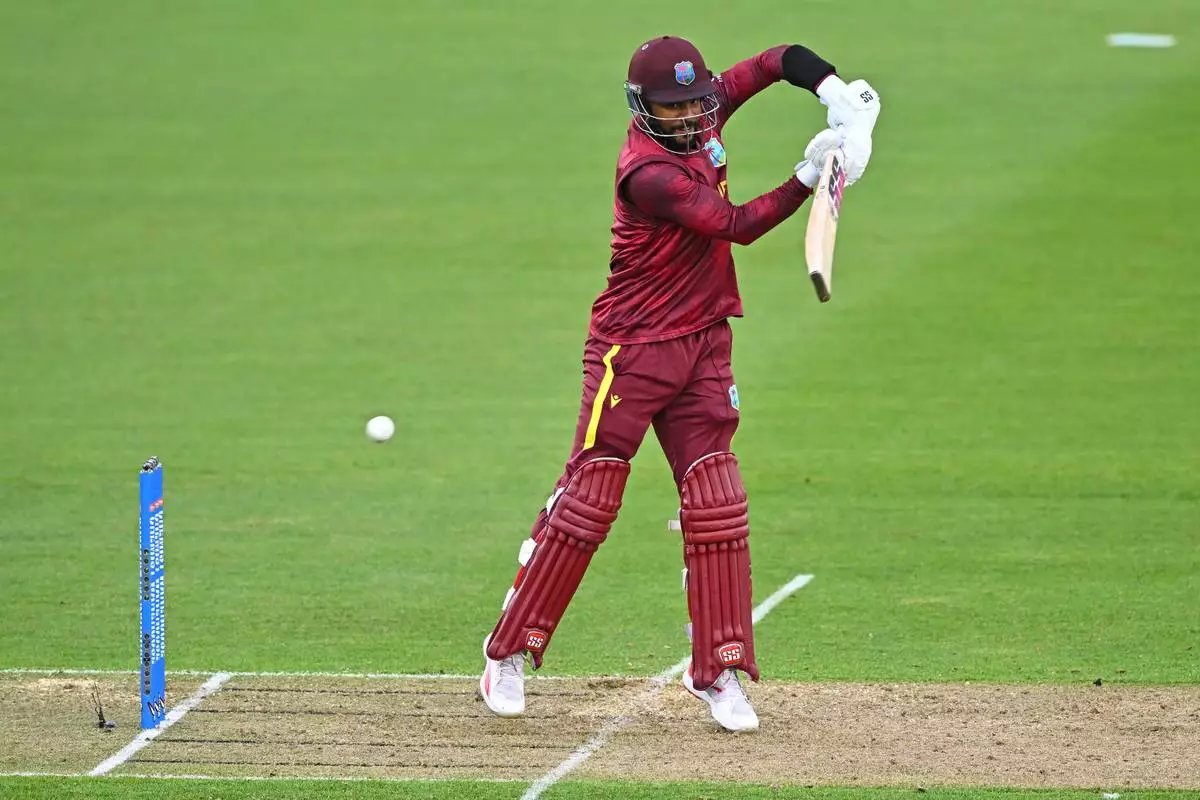
West Indies' Shai Hope bats against New Zealand during their One Day International cricket match in Napier, New Zealand, Wednesday Nov. 19, 2025. (Kerry Marshall/Photosport via AP)
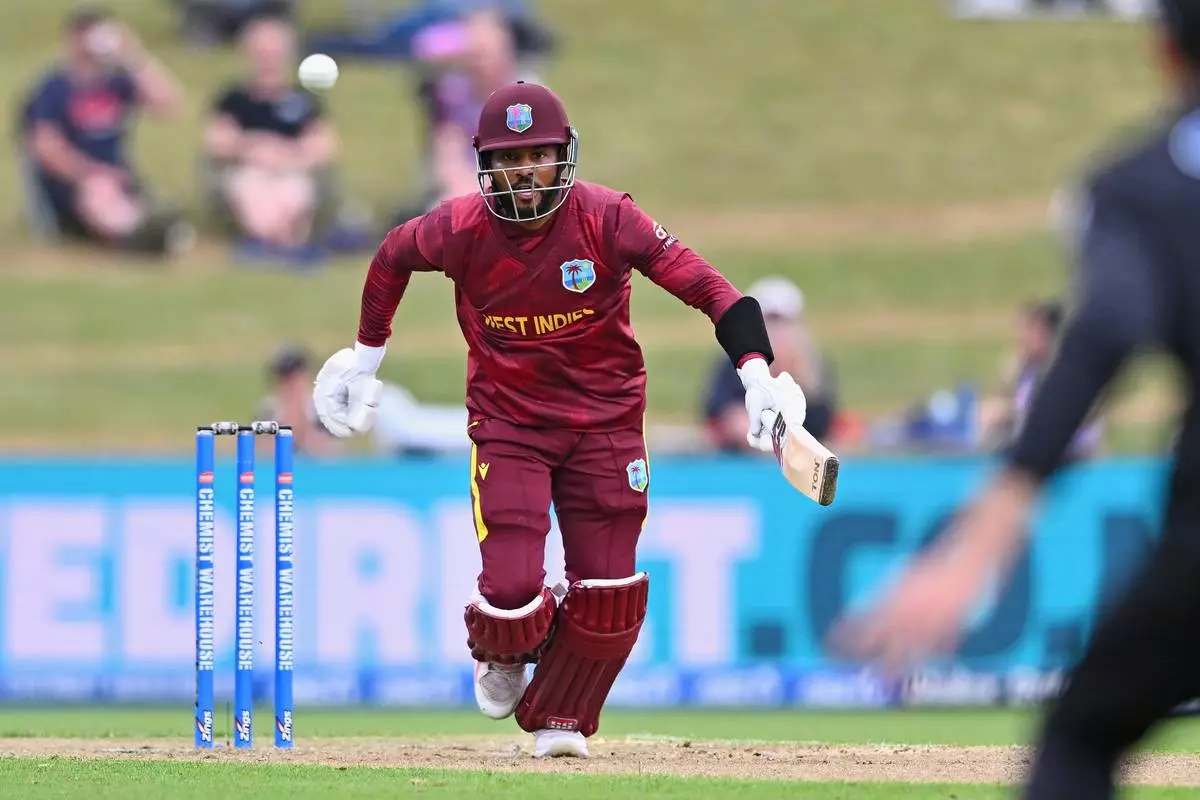
West Indies' Shai Hope bats against New Zealand during their One Day International cricket match in Napier, New Zealand, Wednesday Nov. 19, 2025. (Kerry Marshall/Photosport via AP)
GREENVILLE, S.C. (AP) — Lt. Gov. Pamela Evette and state Attorney General Alan Wilson advanced to a runoff for the Republican nomination for South Carolina governor, while U.S. Sen. Lindsey Graham won his own primary outright Tuesday in his pursuit of a fifth term in November.
President Donald Trump early on gave his endorsement of Graham, a political confidant and regular golfing partner of the president, despite their on-again, off-again relationship. Graham also had secured the support of some leading state Republicans, Sen. Tim Scott and Gov. Henry McMaster, to plow a path to another nomination.
Addressing Trump in his victory speech, Graham said "I’m going to help you change this world and change this country.” He has been outspoken in favor of military action against Iran.
However, Evette only secured a runoff berth in the governor's race a week after garnering Trump's endorsement. She will face Wilson in the June 23 primary. Others in the race included U.S. Reps. Nancy Mace and Ralph Norman. Mace quickly threw her support to Wilson for the upcoming primary.
No Democrat has won a U.S. Senate seat in South Carolina in decades, and Republicans in recent history typically have taken statewide seats by double-digit margins.
When he last ran in 2020, Graham defeated his Democratic opponent by a 10 percentage point margin. This year, he'll face Charleston pediatrician Annie Andrews in November.
Competition among Republicans for Trump’s support seemed more intense than any other facet of the primary campaign.
Even before Evette received the president's endorsement, she frequently featured photos and videos of herself with Trump in campaign materials. She was backed by McMaster, the term-limited outgoing governor, a longstanding ally of Trump whose support telegraphed the president's own.
Mace also wanted Trump's support, and he endorsed her congressional reelection in 2024 even though she criticized his actions of Jan. 6, 2021, when his supporters stormed the U.S. Capitol.
Norman, among the most conservative members of the House and a member of the Freedom Caucus, strongly supported Trump in the president’s first term. But in the 2024 campaign, Norman stumped for former South Carolina Gov. Nikki Haley instead of Trump.
Rom Reddy, a coastal businessman who has eschewed campaign donations and self-funded his effort, had touted his lack of political experience as an asset, drawing comparisons between Trump and himself.
South Carolina’s other top contest Tuesday saw Graham clinching the Republican nomination without need of a runoff.
Although their relationship has undulated through the years, Graham has remained close with Trump, who fulfilled the senator's longstanding wish for direct confrontation between Washington and Tehran. Graham cheered Trump’s decision to strike nuclear sites last year and recently said he often speaks to the president about the ongoing conflict.
Among Graham's primary foes was Greenville businessman Mark Lynch, who said Graham wasn't conservative enough to represent the state. Calling himself an “America First” candidate, Lynch campaigned as a Trump supporter. However, the president has called him a “lunatic” and a “disaster for the Republican Party."
Democrats haven’t won the governor’s office or a Senate seat in South Carolina for decades.
Andrews, the Charleston pediatrician, ran unsuccessfully against Mace in 2022. Now running for Senate against Graham, she's challenged what she’s characterized as Graham’s waffling positions over the course of his political career.
She is among the Democrats hoping to capitalize on dissatisfaction with Trump this year.
In the governor's race, state Rep. Jermaine Johnson won the Democratic nomination in the South Carolina governor’s race.
Johnson has represented a district in the Columbia area for three terms. Seen as a rising star in the state party, Johnson was tapped to give this year’s Democratic response to McMaster’s state of the state address. McMaster has been in office since Nikki Haley left her term early to join the first Trump administration.
Democrats have not won a general election for governor in South Carolina since 1998, and Republicans have controlled all statewide-elected offices in the state for more than a decade.
This story has been corrected to show Jermaine Johnson won the Democratic nomination outright for South Carolina governor and is not entering a runoff.
Collins reported from Columbia, South Carolina.
Meg Kinnard can be reached at http://x.com/MegKinnardAP
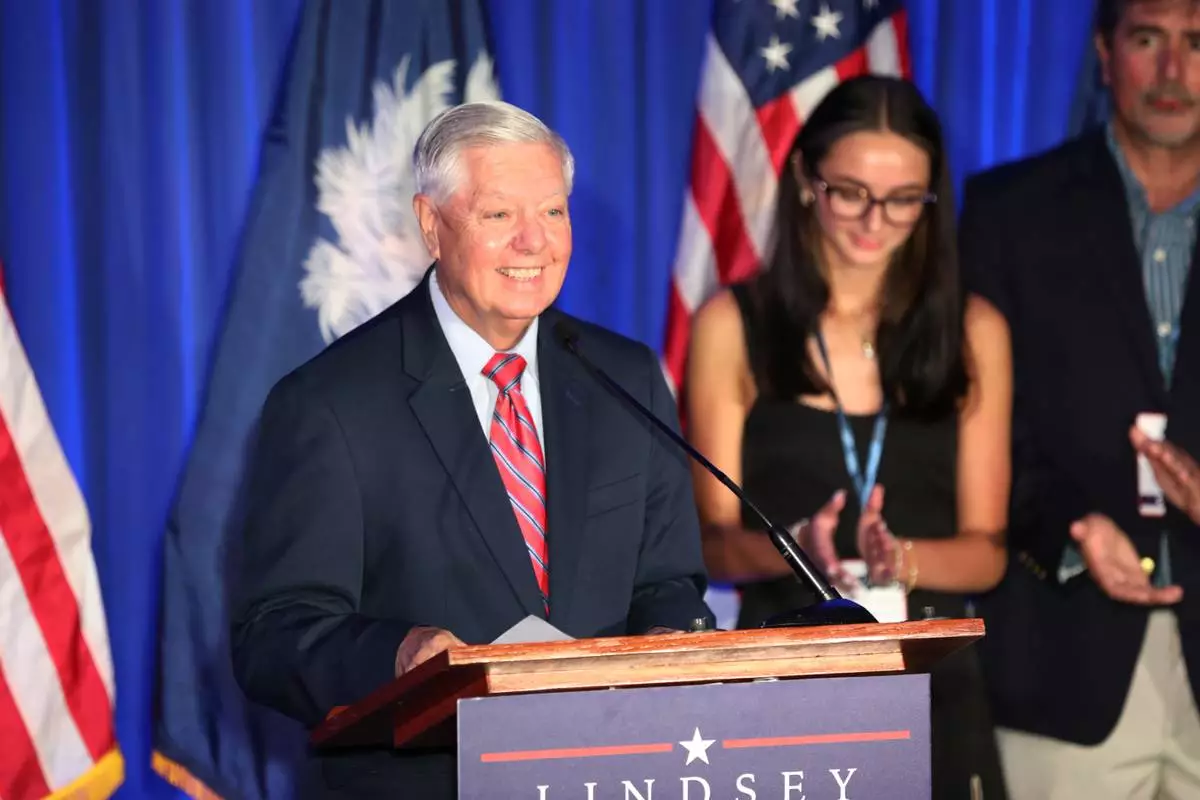
Republican U.S. Sen. Lindsey Graham speaks after winning the Republican primary on Tuesday, June 9, 2026, in Columbia, S.C. (AP Photo/Jeffrey Collins)
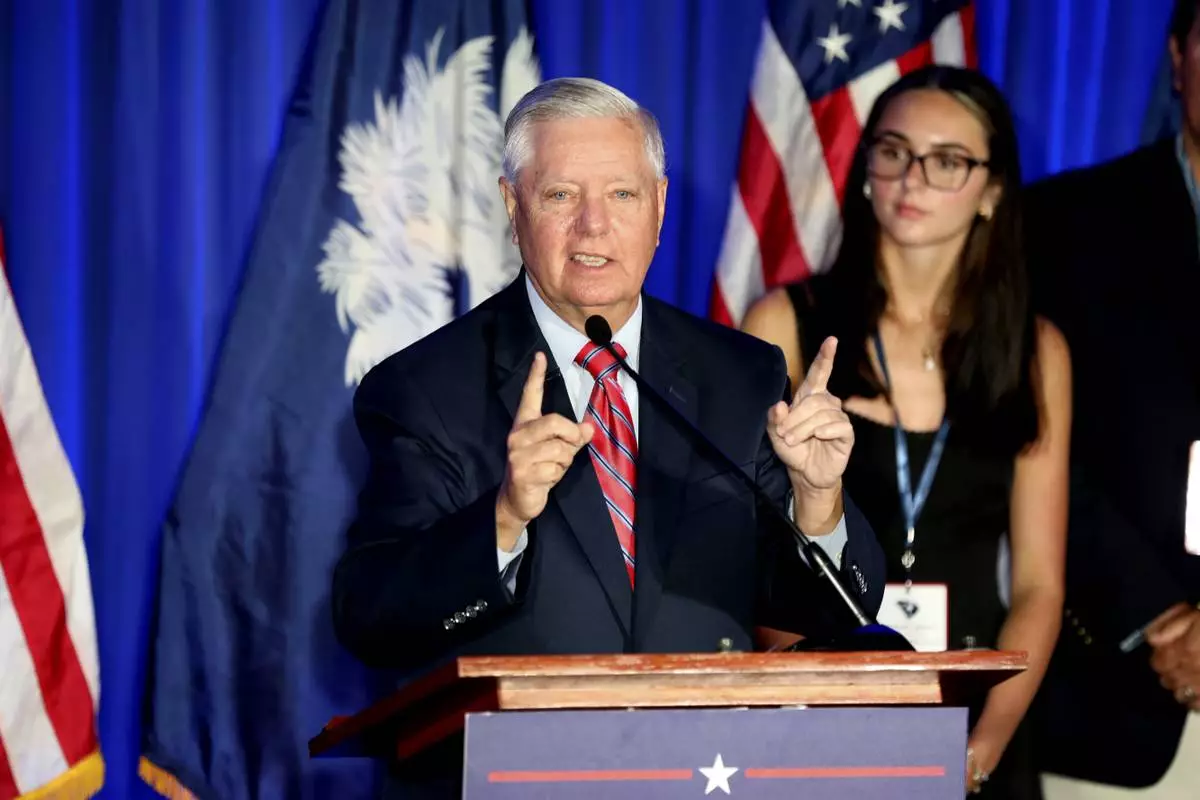
Republican U.S. Sen. Lindsey Graham speaks after winning the Republican primary on Tuesday, June 9, 2026, in Columbia, S.C. (AP Photo/Jeffrey Collins)
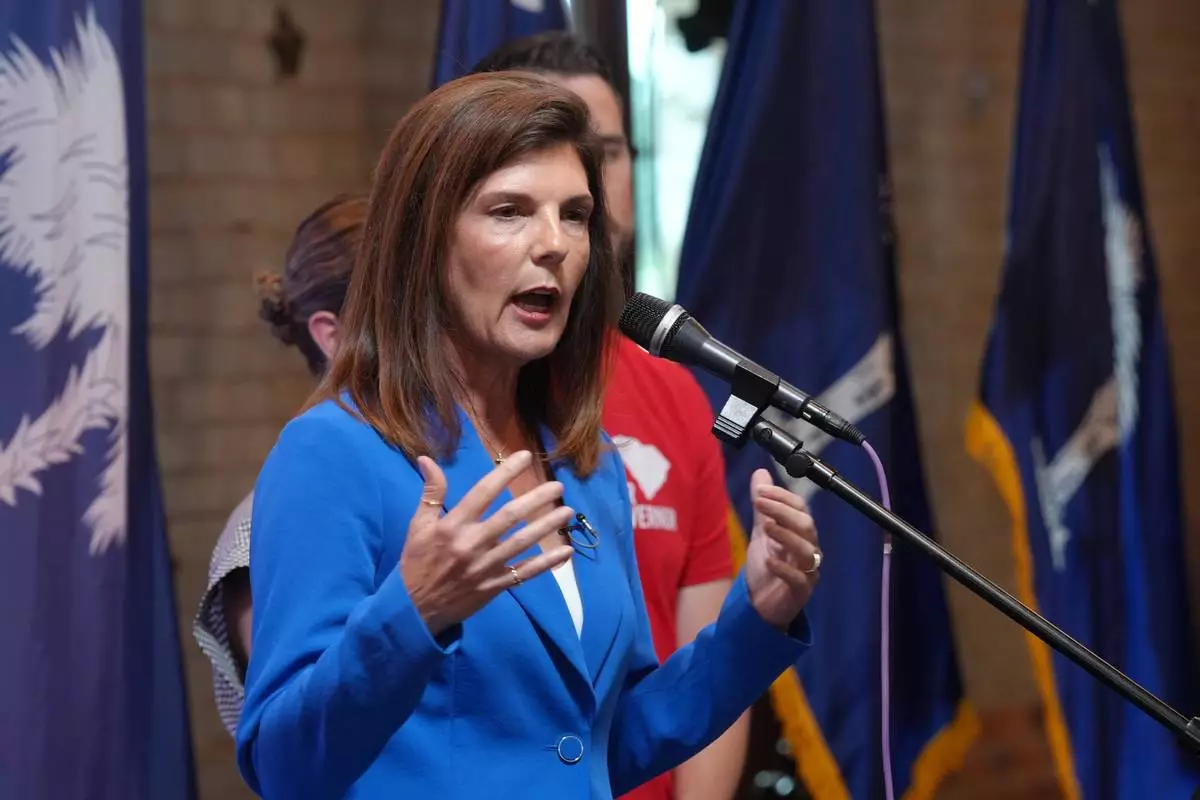
South Carolina Lt. Gov. Pamela Evette speaks during the final rally of her GOP primary campaign for governor on Monday, June 8, 2026, in Greer, S.C. (AP Photo/Meg Kinnard)
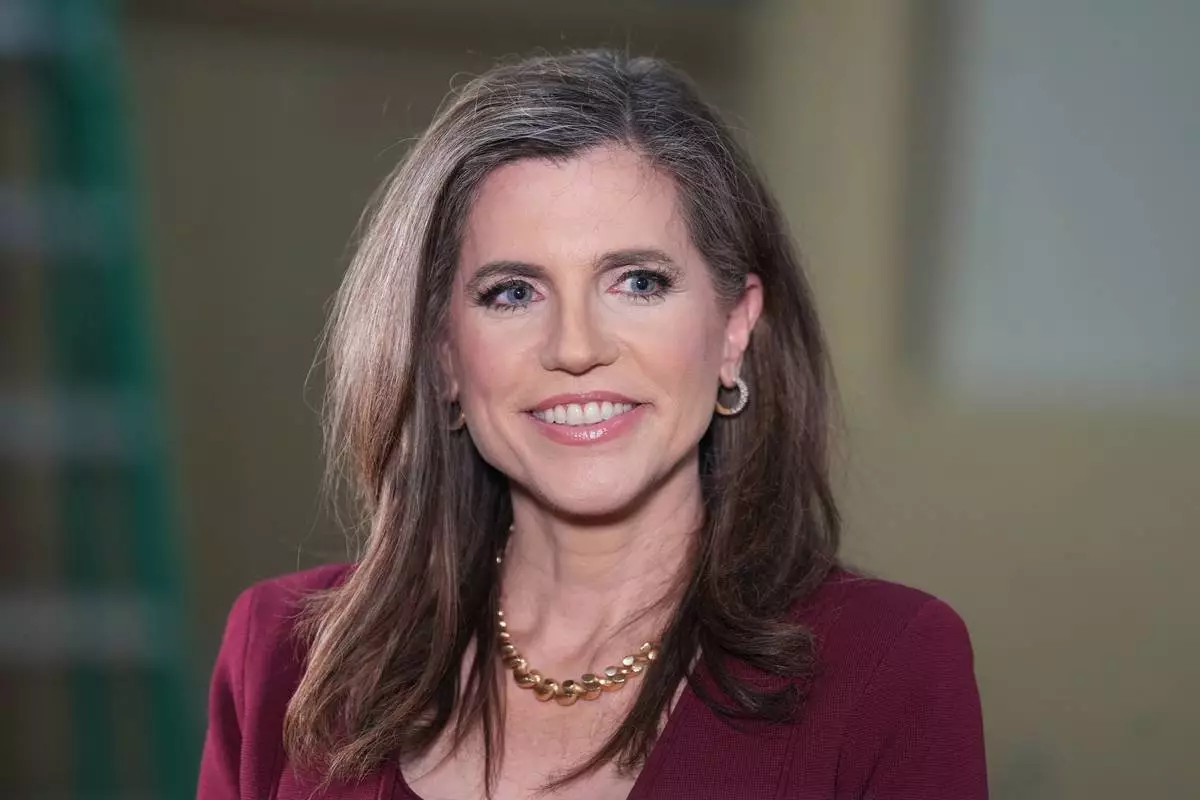
FILE - U.S. Rep. Nancy Mace, R-S.C., takes questions from reporters following a South Carolina gubernatorial GOP candidate debate on April 1, in Newberry, S.C. (AP Photo/Meg Kinnard, File)
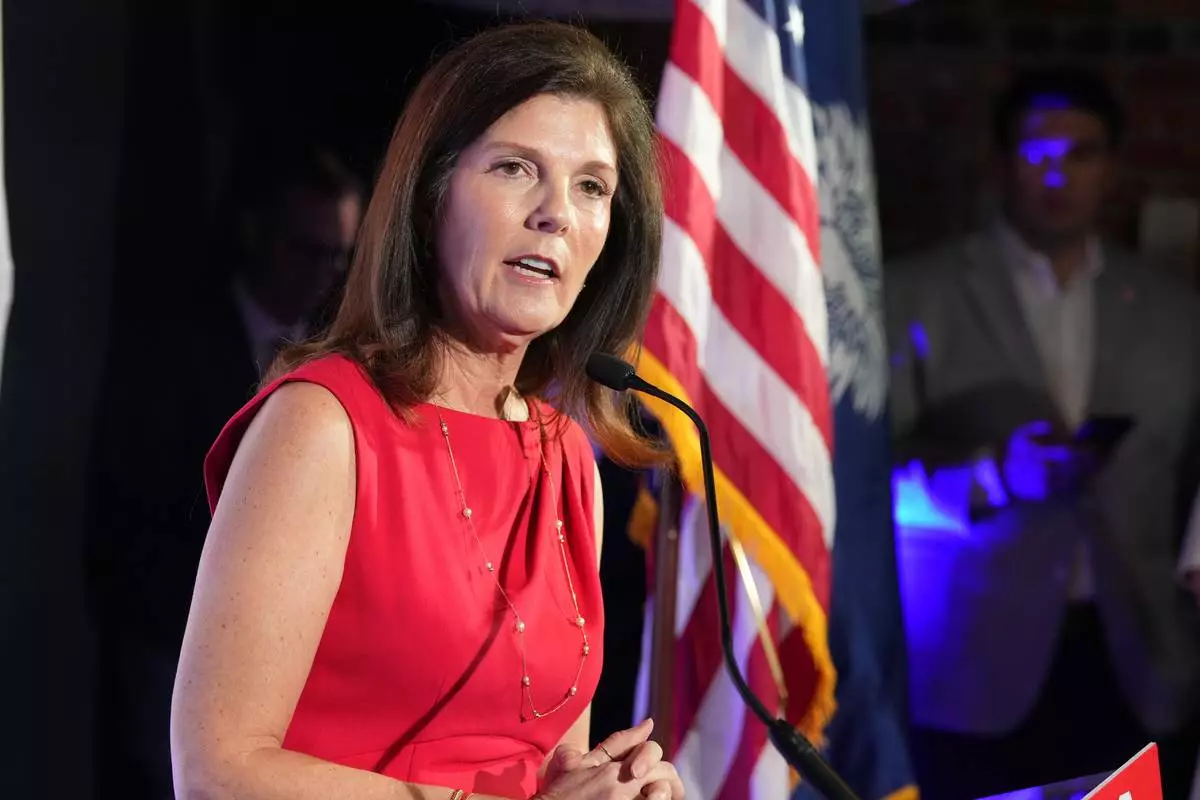
FILE - Lt. Gov. Pamela Evette, R-S.C., takes questions from reporters after receiving the endorsement of Gov. Henry McMaster, R-S.C., in the 2026 GOP gubernatorial primary, Feb. 12, 2026, in Columbia, S.C. (AP Photo/Meg Kinnard, File)
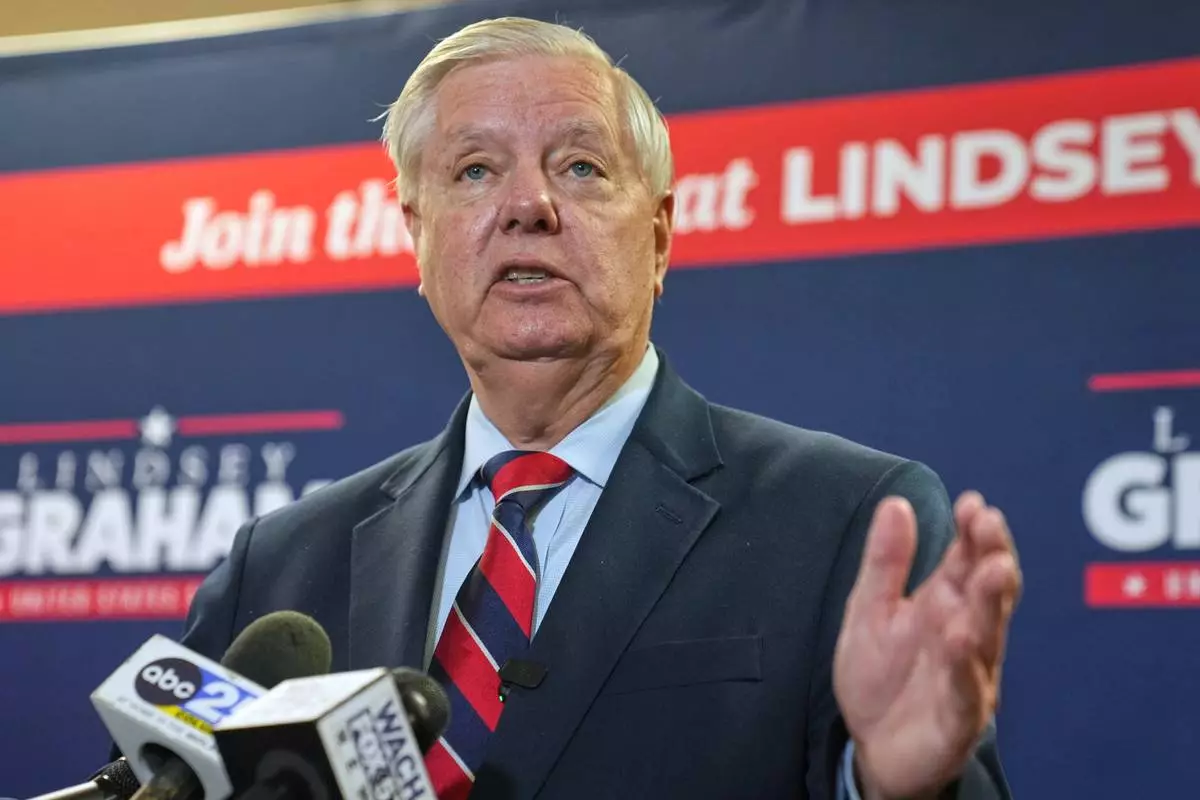
FILE - Sen. Lindsey Graham, R-S.C., speaks with supporters after filing his reelection paperwork, March 16, 2026, in Columbia, S.C. (AP Photo/Meg Kinnard, File)