China's massive economy is powered by the largest and most efficient logistics and transportation infrastructure, connecting domestic industries and global markets alike.
Over the past decades, China has built the world's most extensive transport infrastructure and one of the busiest logistics networks. Today, the country leads globally in multiple sectors critical to trade and mobility.
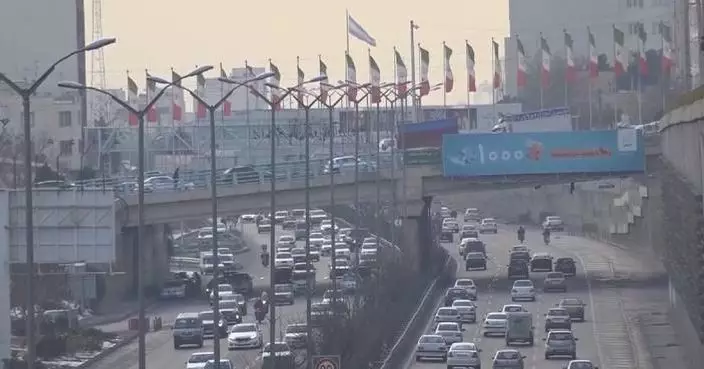
China has the world's largest expressway network, high-speed railway network, and postal express delivery system. The nation's expressways span over 191,000 kilometers, and its operational 48,000-kilometer high-speed railway lines account for more than 70 percent of the global total. Its urban rail transit network stretches more than 11,000 kilometers, the longest in the world.
The country also leads the world in the number of electric vehicle charging stations and express delivery outlets, while its parcel volume has ranked first globally for 11 consecutive years.
In maritime shipping, China operates a cluster of globally significant ports. Shanghai Port has held the top spot worldwide in container throughput for 15 years running. Meanwhile, the China-Europe freight train service has made over 118,000 trips, forming the longest and most widely connected cross-border freight route in the world.
At a national cold-chain logistics hub in Kunming's Dianzhong New Area, southwest China's Yunnan Province, refrigerated trucks unload shipments, including chicken and beef, from other regions across the country. Meanwhile, specialty products from Yunnan's remote mountainous regions are shipped nationwide via cold-chain transport. These products also reach Southeast Asian markets through bonded zones and the China-Laos Railway, bolstered by an expanding cross-border logistics network.
"Previously, rail transport from east China or northeast China to Kunming would take seven to 15 days. Now it has been cut to three to seven days. Multimodal transport enables high-frequency, low-cost, and high-efficiency logistics to better serve the public," said Yin Shijun, market director of Kunming Baoxiang Cold Storage Logistics Co., Ltd.
However, experts say logistics efficiency can still be significantly enhanced through systemic optimization and deeper integration of operations.
"We need to achieve seamless integration and connectivity by leveraging the comparative advantages of various transport modes. In terms of infrastructure, we should prioritize the development of hub construction and logistics park to promote effective linkage and integrated operations across transport modes. At the same time, we must place emphasis on aligning standards, rules, and management systems across different transport modes and operational segments," said Li Yanlin, deputy director with the Modern Logistics Research Center under the China Academy of Transportation Sciences.
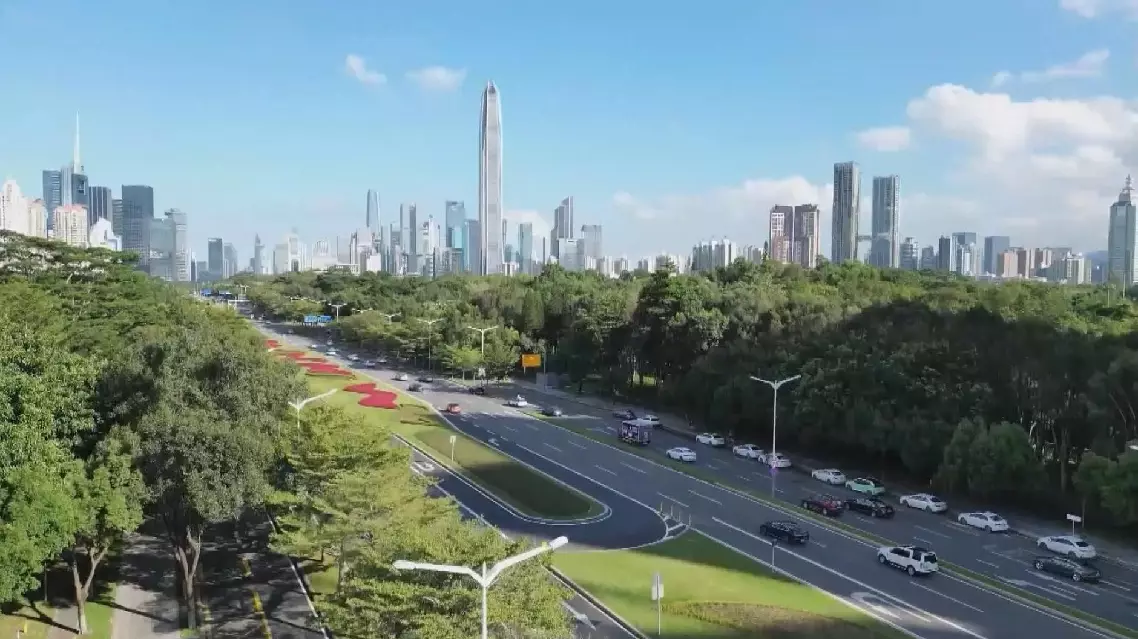
China builds advanced national logistics, transportation networks