Skip to Content Facebook Feature Image

China’s 2-tonne eVTOL completes cross-city test flight

China

China

China

China’s 2-tonne eVTOL completes cross-city test flight

2025-11-22 14:51 Last Updated At:18:57

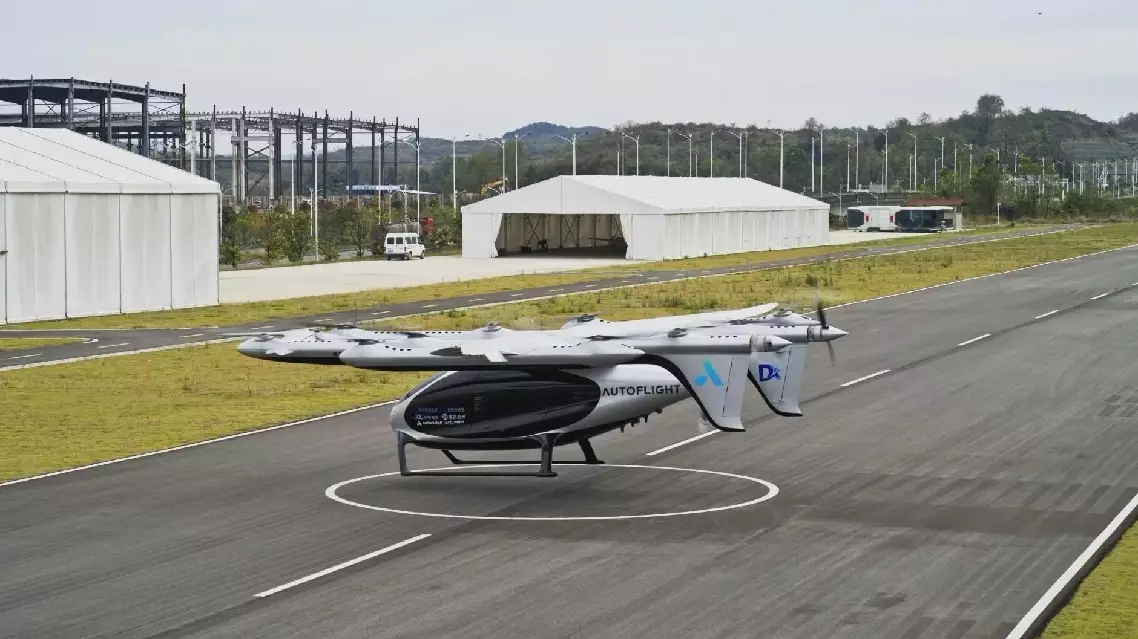
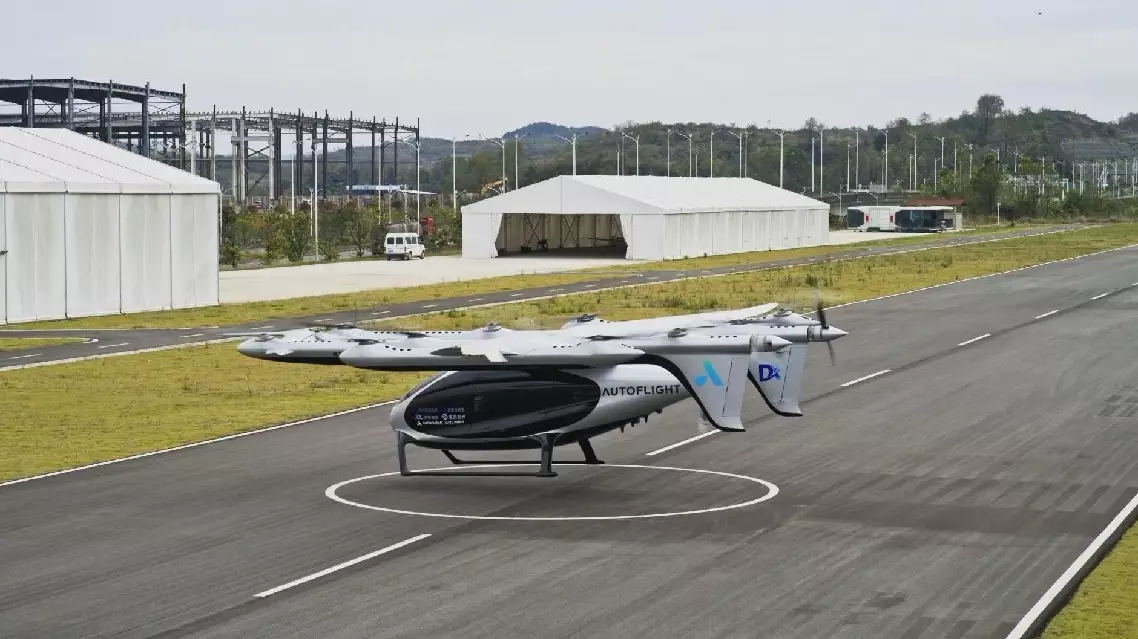
A China-developed 2-tonne electric vertical takeoff and landing (eVTOL) aircraft on Thursday completed a low-altitude cross-city cargo test flight in mountainous area in southwest China's Guizhou Province, marking a new breakthrough in the application of eVTOLs in logistics sector.

The two-tonne eVTOL aircraft, carrying emergency medicines and local specialty agricultural products, took off from a county in Guiyang, the capital of Guizhou Province.

The flight test lasted for 40 minutes with a flying distance of 118 kilometers.

Compared to traditional road transport, the eVTOL aircraft, which requires no runway and produces zero carbon emissions throughout, demonstrates a dramatic improvement in low-attitude cargo delivery in Guizhou's mountainous terrain.

Powered entirely by electricity, the eVTOL can take off and land vertically like a helicopter, yet operates with significantly lower noise. The aircraft is designed for short- and medium-range missions including commuting, logistics, and emergency rescue operations.

"Guizhou used to have difficulties in transportation in the past due to its mountainous conditions. With the development of the low-altitude economy and continuous technological upgrades, this environmentally friendly electric-powered aircraft, able to operate with no runway, can reduce the transportation time for agricultural products and emergency supplies by more than 80 percent," said Kong Xubing, deputy general manager of Guiyang Low-Altitude Industry Development Company.

The successful flight test paved the way for the building of a regular cargo air route in Guizhou’s mountainous areas to create a three-dimensional transportation network.
China’s 2-tonne eVTOL completes cross-city test flight
China’s 2-tonne eVTOL completes cross-city test flight
China’s 2-tonne eVTOL completes cross-city test flight

China’s 2-tonne eVTOL completes cross-city test flight
China’s 2-tonne eVTOL completes cross-city test flight
China’s 2-tonne eVTOL completes cross-city test flight
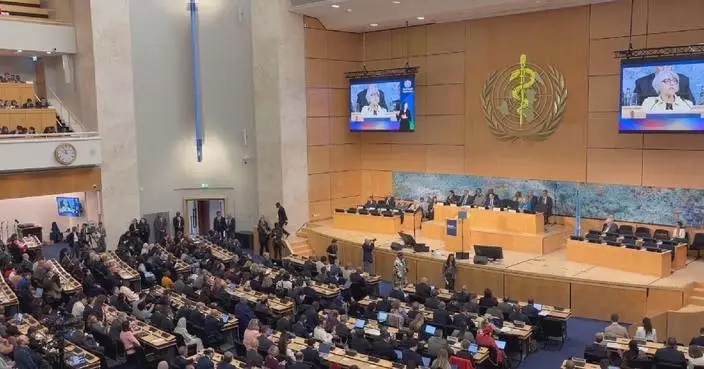
The escalating military conflict in the Middle East could bring severe economic consequences and job losses to the region which may plunge up to 4 million people into poverty, a United Nations spokesman has warned.

Stephane Dujarric, spokesperson for United Nations Secretary-General Antonio Guterres, outlined the growing concerns surrounding the deepening conflict during a regular press briefing on Tuesday.

Citing data released by the United Nations Development Programme (UNDP), Dujarric said the widening war could result in a devastating economic impact, which will have a profound effect on people's livelihoods.

"I wanted to flag some interesting data just released by the United Nations Development Programme that suggests the military escalation in the Middle East may cost economies in the region from 3.7 to 6 percent of their collective gross domestic product (GDP). This represents a staggering loss of 120 to 194 billion U.S. dollars and exceeds the cumulative regional GDP growth achieved in 2025. This is coupled with an estimated rise in unemployment of up to 4 percentage points or 3.6 million lost jobs, which is more than the total jobs created in the region last year. These reversals will push up to 4 million people into poverty, according to UNDP's analysis," he said.

The conflict erupted on Feb. 28 when the United States and Israeli launched joint airstrikes on the Iranian capital Tehran and several other cities. U.S-Israeli attacks have continued since, targeting key Iranian military command centers, missile installations, energy infrastructures and nuclear facilities.

In response, Iran has launched waves of missile and drone strikes against Israel and U.S. military facilities across the Middle East, including those in Kuwait, Bahrain, Qatar, Jordan, Saudi Arabia and the United Arab Emirates.

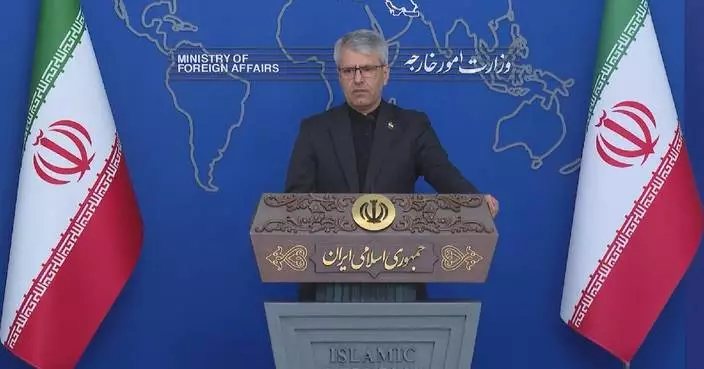
The situation shows little sign of de-escalation as Iranian Foreign Ministry spokesman Esmaeil Baghaei said on Monday that a recent truce plan proposed by the United States contains "very excessive, unrealistic and unreasonable" demands.

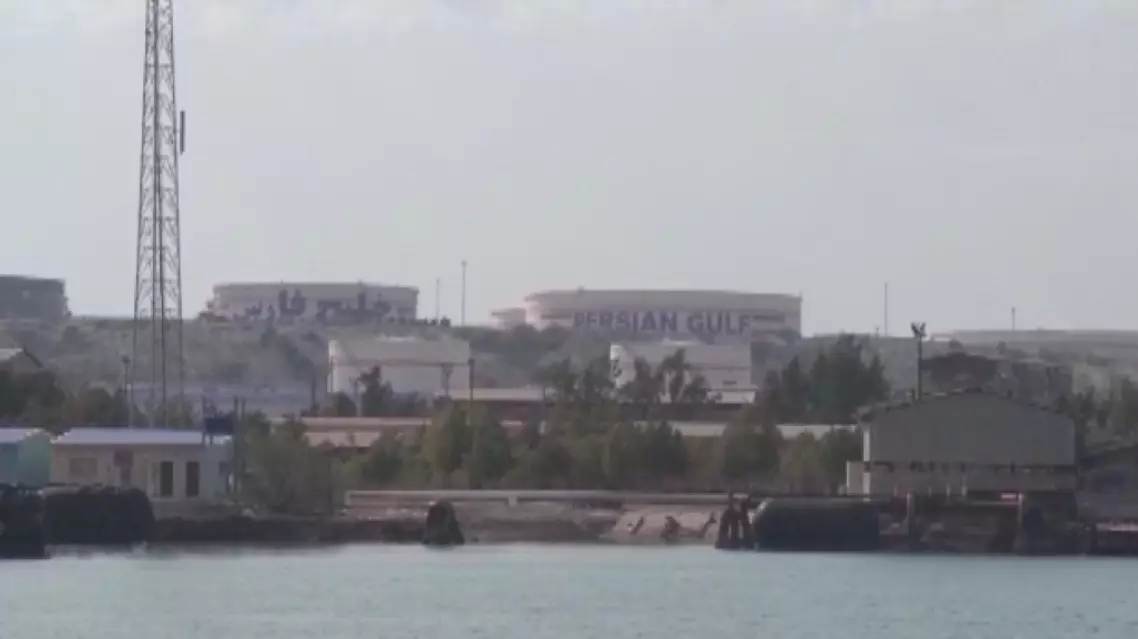
Wider concerns are also mounting over the disruption to trade and transport along the Strait of Hormuz, a vital shipping passageway that carries about one-quarter of global seaborne oil trade.

UN spokesman warns up to 4 million could be pushed into poverty by Mideast conflict

UN spokesman warns up to 4 million could be pushed into poverty by Mideast conflict

Recommended Articles