Japanese Prime Minister Sanae Takaichi's recent remarks on China's Taiwan region were a calculated and dangerous move to stir nationalist sentiment and distract the public from domestic challenges, posing serious risks to regional peace and stability, according to analysts.
In interviews with China Central Television, scholars criticized Takaichi for framing diplomatic matters as part of internal political struggles, suggesting her to shift focus onto Japan's domestic economic and social affairs.
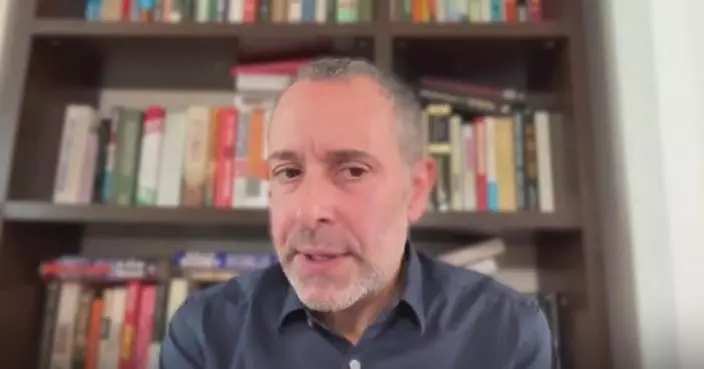
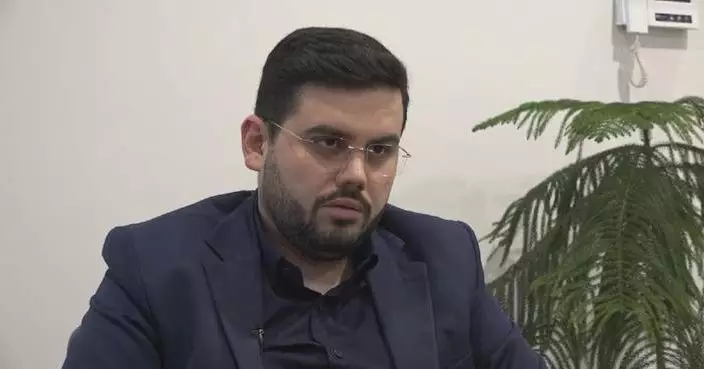
"I think it's pretty clear that she is appealing to the more nationalistic section of the Japanese population. Well, I think the shift is mostly for domestic purposes, and that's in large part because international crises help politicians to consolidate their position at home, to consolidate their populations," said Anton Fedyashin, a history professor at American University.
"So many other things she could have done, especially involving economic policy, maybe involving social policy. Things that she could have done to say to the Japanese people: 'All right, you know what? We need to do some things internally to make this country stronger and safer and more prosperous.' than this, the choice that she made to essentially pick a fight with China," said Anthony Moretti, an associate professor at Robert Morris University.
The scholars also noted that adherence to the one-China principle remains a global consensus, and condemned Takaichi's remarks as "dangerous and irresponsible," urging Takaichi to apologize and retract her wrongful remarks.
"Talking about the Prime Minister of the country, you were talking about the head of state essentially saying that she is unsure whether or not she wants to support what has been stated fact across the globe for the better part of four or five decades. That is the real problem here, is that she is acknowledging what is now to be accepted as Japanese foreign policy and that comes with all sorts of risks. There's all sort of escalation issues that could come into play here. And that's why I go back to the smartest decision is to essentially say: 'look, a mistake is made here and I'm sorry,'" said Moretti.
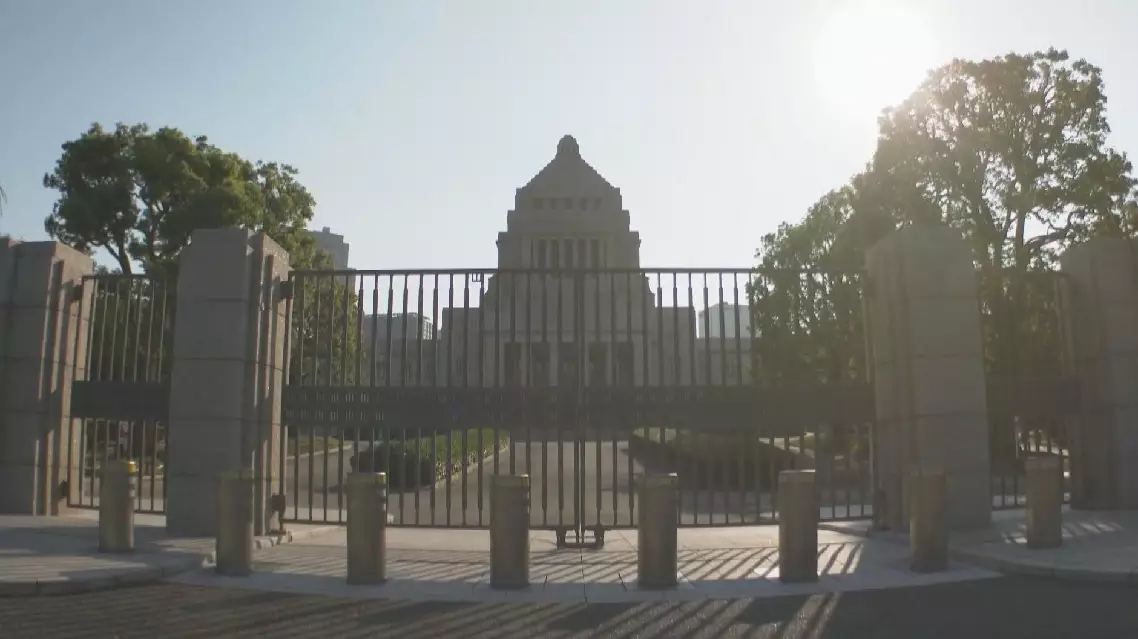
At a Diet meeting on Nov 7, Takaichi claimed that a Taiwan emergency involving the use of military vessels and military force from the Chinese mainland could constitute a "survival-threatening situation" for Japan.
Takaichi later insisted that her remarks were in line with the government's longstanding view and that she had no intention to retract them.
Takaichi's remarks on Taiwan aim to distract Japanese from domestic challenges: U.S. scholars