Japanese Prime Minister Sanae Takaichi's recent remarks related to China's Taiwan were highly improper and reflective of a hardline stance, Wu Cheng-tien, chairman of Taiwan's New Party said Friday, warning that her rhetoric and posture echo worrying signs of a potential resurgence of Japanese militarism.
Takaichi said on Nov. 7 during a Diet hearing that the Chinese mainland's "use of force on Taiwan" could constitute a "survival-threatening situation" for Japan and implied the possibility of armed intervention in the Taiwan Strait.
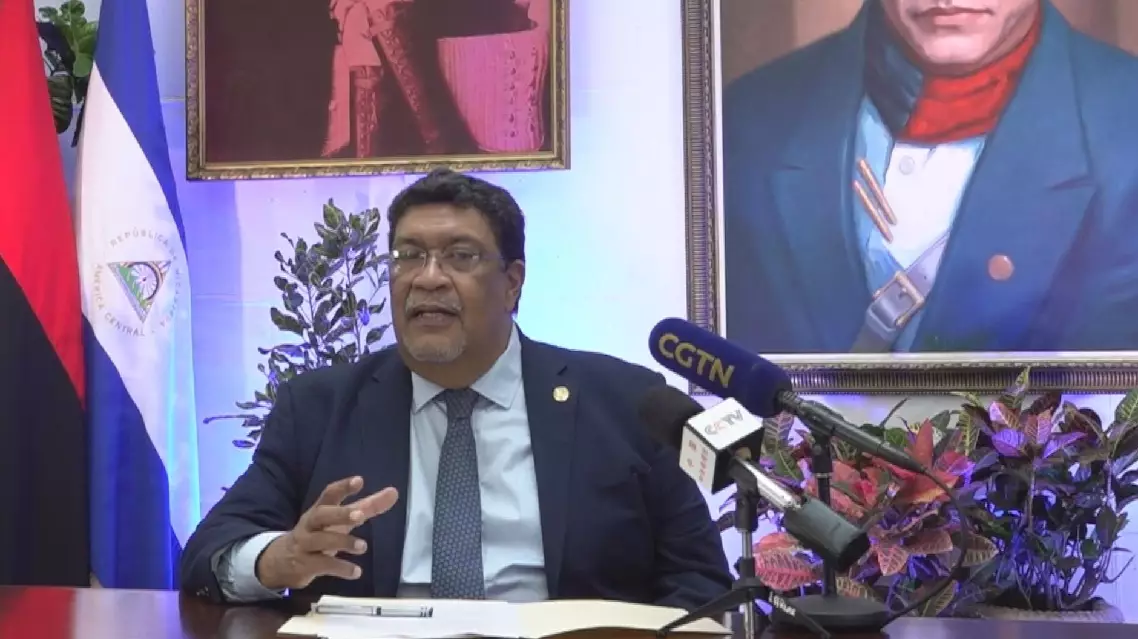
In an exclusive interview with China Global Television Network (CGTN) in Shanghai, Wu elaborated on Takaichi's remarks and offered his views on the broader cross-Strait relationship.
"In fact, Sanae Takaichi has always been a hardline figure, an extremist. She made these remarks in the Diet, Japan's national legislature. And when others began questioning her, she said she could speak less in the future, but she couldn't take back what she'd said. All of this was quite unusual," Wu said.
He added that Japan returning to a path of militarization would pose serious dangers to other countries in the region.
"We need to pay close attention. I think it would be best for Japan not to go back down that old path. If Japan becomes militarized again in Asia, it would be far too dangerous for other countries," said Wu.
Wu went on to say that Taiwan has created a self-imposed barrier, contrasting sharply with the mainland's growing openness and mobility, and added that the two sides of the Taiwan Strait would enjoy substantial complementary advantages under reunification.
"When I was young, the authorities in Taiwan taught us that the mainland had an iron curtain, that it was closed off and controlled, and we couldn't go in. But now, let me tell you: the mainland no longer has an iron curtain. There are so many travelers and so many people who can go abroad. It's Taiwan that has the iron curtain now. We've set up barriers that have, without us realizing it, trapped ourselves. Is this good for Taiwan? If you don't allow people from the mainland to come to the island, they can simply go elsewhere -- and that becomes a loss for Taiwan, not for the mainland. It's such simple logic. So I often say that after reunification, the mainland would gain strength with Taiwan, and Taiwan would have a stage dozens, hundreds, even thousands of times broader than it has now," he said.
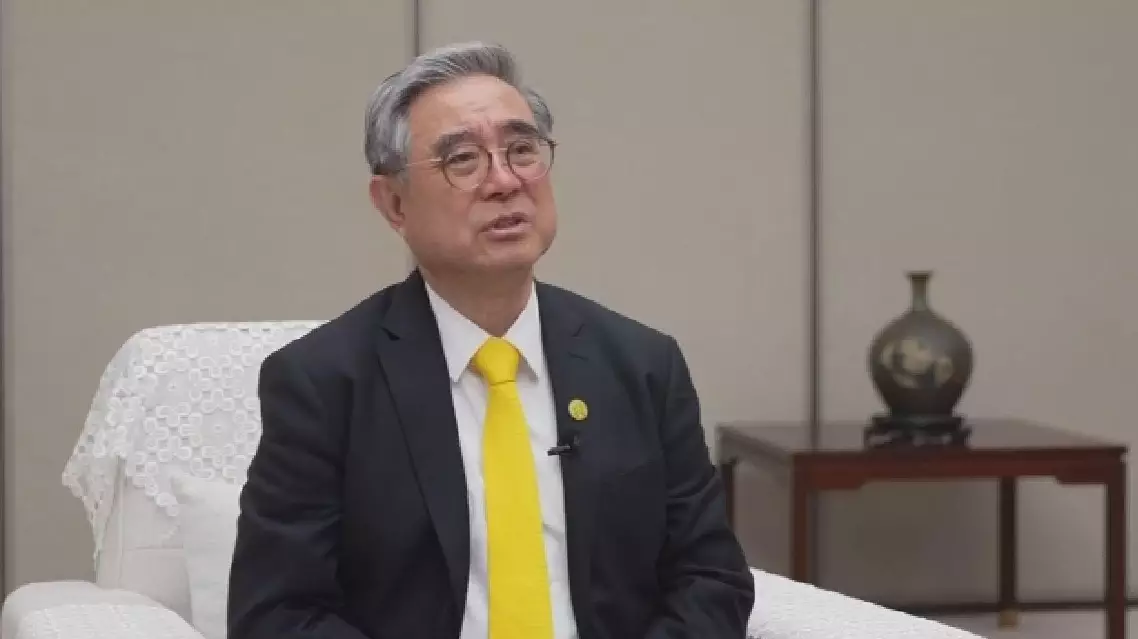
Taiwan's New Party chairman warns of resurgent militarism behind Takaichi's remarks on Taiwan