Syria is grappling with a deepening cash shortage, with withdrawal limits, stalled electronic payments and malfunctioning banking services disrupting people's daily lives.
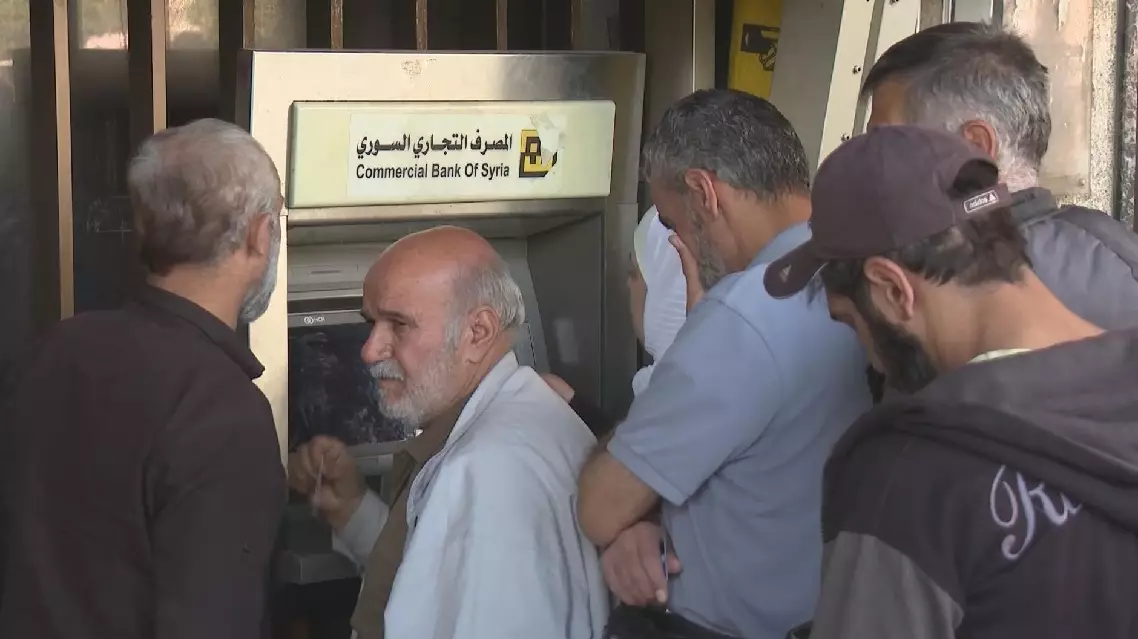
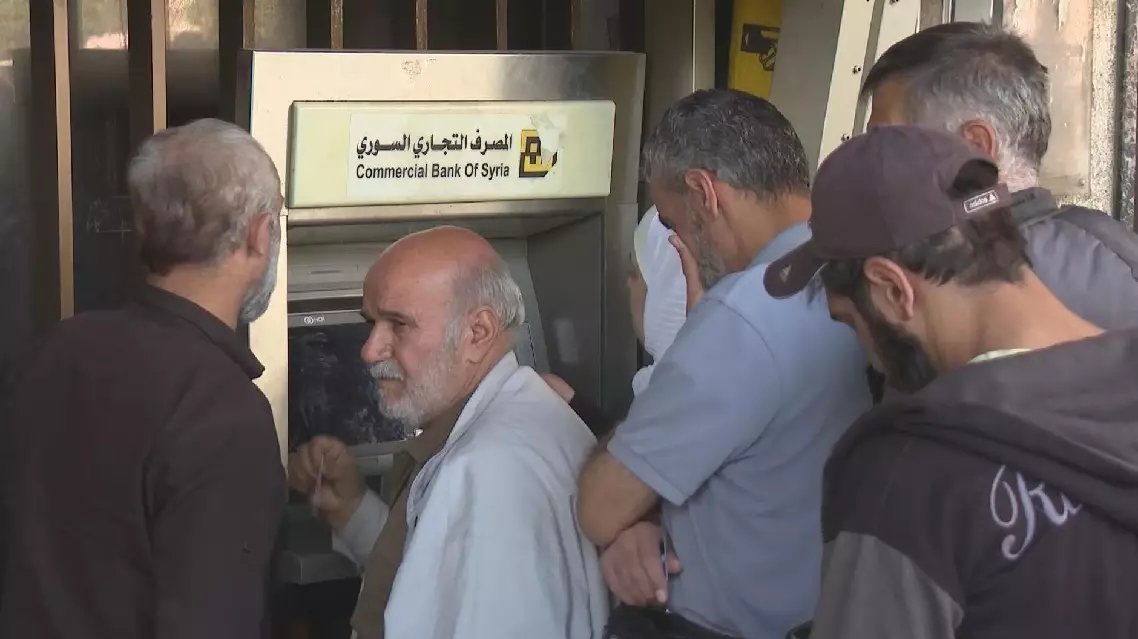
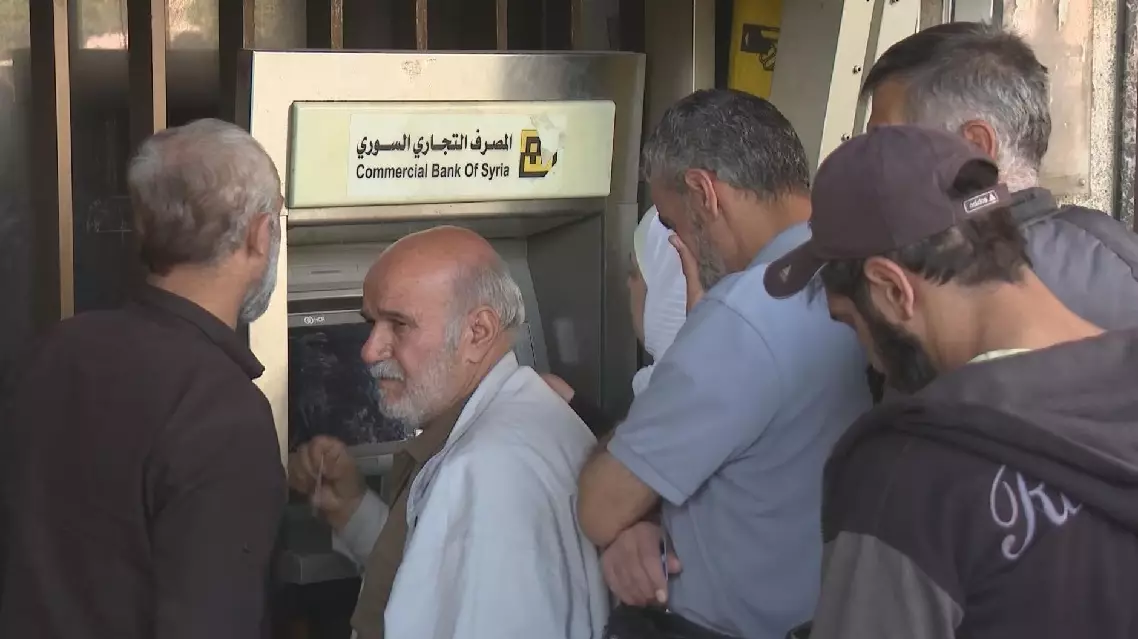
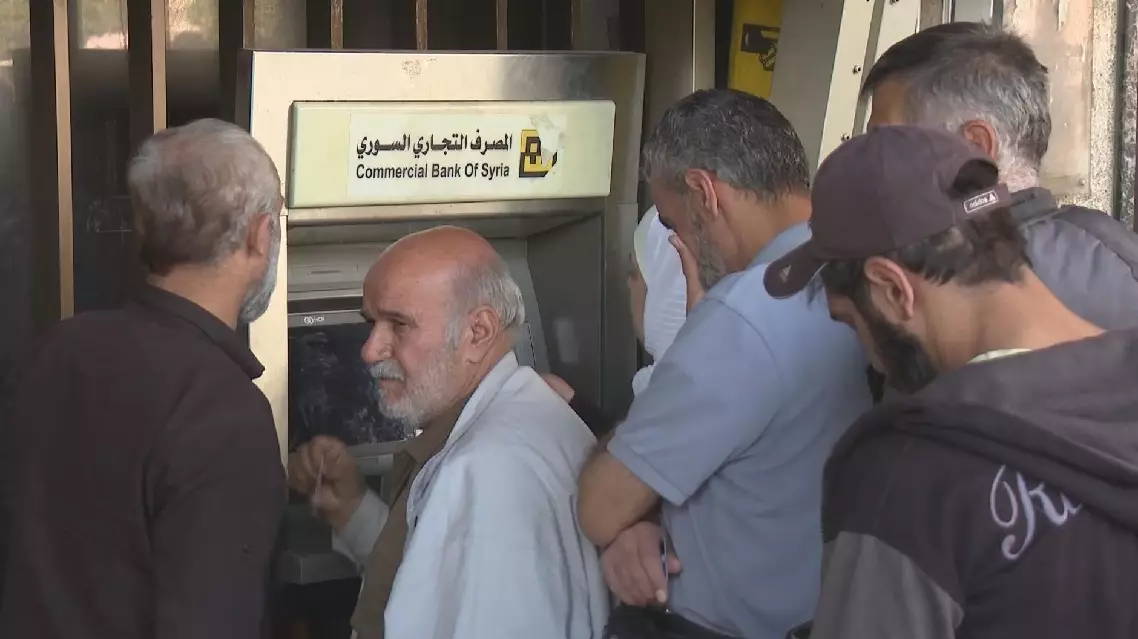
In the capital Damascus, long queues at ATMs have become routine, as many residents make multiple trips across the city to withdraw even small amounts of money.
Click to Gallery
Syria endures severe cash crunch
Syria endures severe cash crunch
Syria endures severe cash crunch
Syria endures severe cash crunch
"We sometimes have to travel from far away and come several times. And as you can see, there's always a long queue in front of the ATMs. This happens for several reasons. Sometimes the network is disrupted, sometimes the power goes out, and on top of that every citizen is allowed to withdraw only three times a day," said a resident named Mahmoud Ali.
Experts say the crisis reflects the combined impact of years of conflict, sanctions and a tightening monetary policy that has pushed liquidity to the breaking point.
"In reality, the central bank has frozen liquidity under the assumption that this would stabilize the Syrian pound. This logic simply doesn't hold. If you have one billion Syrian pounds in your bank account but can only withdraw 200,000 per week, the existing economic system is being destroyed. All of these factors together are collapsing the Syrian economy and further destabilizing the market," said economic analyst Ammar Youssef.
Economists warn that unless the cash supply is restored and the digital payment system is strengthened, the liquidity crunch could spill over into broader financial and social sectors, deepening the strain on an already weakened economy.
Syria endures severe cash crunch
Syria endures severe cash crunch
Syria endures severe cash crunch
Syria endures severe cash crunch
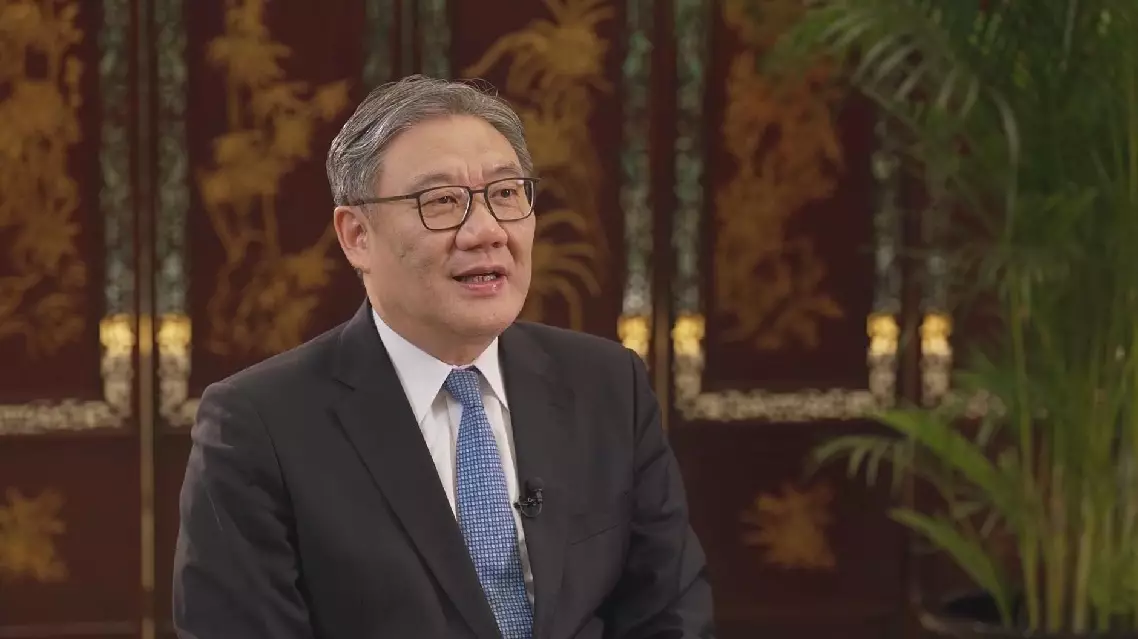
China's Minister of Commerce Wang Wentao outlined the key priorities of the 32nd Asia-Pacific Economic Cooperation (APEC) Ministers Responsible for Trade Meeting, which opened on Friday in Suzhou, East China's Jiangsu province.
In an interview with CGTN ahead of the two-day meeting, Wang said free trade, digital cooperation and green economy are high on the agenda of the meeting.
"The key areas include advancing regional economic integration and the Free Trade Area of the Asia-Pacific, supporting the World Trade Organization (WTO) in strengthening digital cooperation and developing green economy. At present, the international situation is marked by intertwined turbulence and chaos, with intensified geopolitical instability. The rise of unilateralism and protectionism poses serious challenges to the international economic and trade order, disrupting global and Asia-Pacific development. Against this backdrop, all parties have higher expectations for this trade ministers' meeting, hoping that it can build consensus and deliver outcomes," Wang said.
This year marks China's third time hosting the APEC meetings and the 35th anniversary of its membership.
By 2025, China had become the largest trading partner of 13 APEC economies. Trade between China and APEC economies reached 3.7 trillion U.S. dollars, accounting for 57.8 percent of China's total foreign trade.
China has signed 24 free trade agreements or economic and trade arrangements with 31 countries and regions, including 15 APEC economies. In recent years, China has also completed upgrades of free trade agreements with APEC economies such as Singapore and Peru.
The minister said that China has always been a firm supporter and an important contributor to APEC.
"We have actively shared our vast market and development opportunities with all parties. China's door to the world will only open wider and wider. Facing the common challenges, China will continue to fulfill its responsibilities as a major country, further deepen reform, expand high-standard opening-up, and continue to provide new opportunities for the Asia-Pacific region and the world with its new achievements in Chinese modernization," the minister said.
China's Commerce Minister outlines priorities for 32nd APEC trade ministers' meeting