CABRICAN, Guatemala (AP) — The body of a Guatemalan woman who was killed earlier this month when she went to clean the wrong home in Indiana in the United States was returned to her native country on Sunday.
María Florinda Ríos Pérez, 32, a mother of four, was killed on the front porch of a home in Whitestown, outside Indianapolis, on Nov. 5.
Click to Gallery
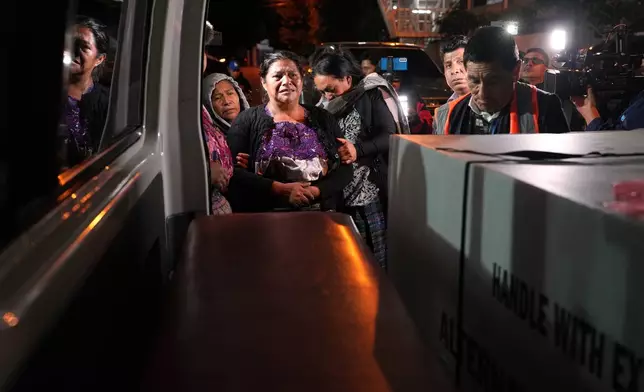
Vilma Pérez cries next to the coffin of her daughter Maria Florinda Ríos Perez, who was killed in Indiana, at La Aurora International Airport in Guatemala City, Sunday, Nov. 23, 2025. (AP Photo/Moises Castillo)
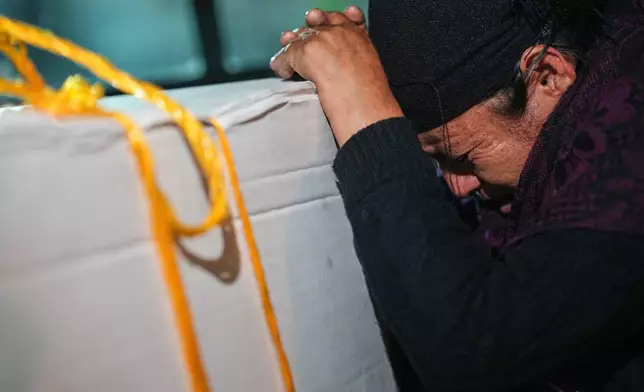
Vilma Pérez cries over the coffin of her daughter Maria Florinda Ríos Perez who was killed in Indiana, at La Aurora International Airport in Guatemala City, Sunday, Nov. 23, 2025. (AP Photo/Moises Castillo)
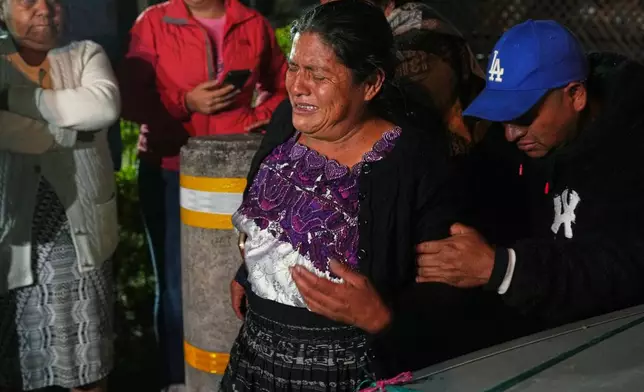
Vilma Pérez, left, cries after receiving the remains of her daughter Maria Florinda Ríos Perez who was killed in Indiana, at La Aurora International Airport in Guatemala City, Sunday, Nov. 23, 2025. (AP Photo/Moises Castillo)
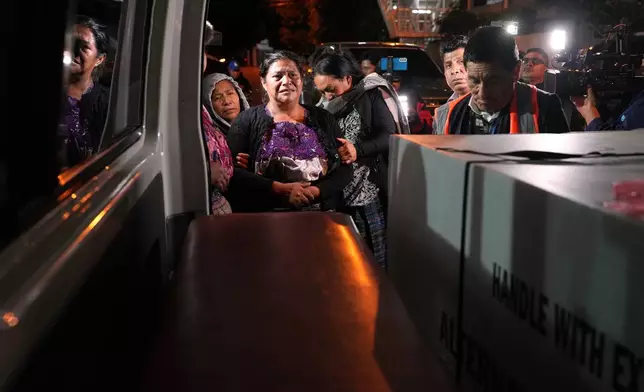
Vilma Pérez, left, cries next to the coffin of her daughter Maria Florinda Ríos Perez who was killed in Indiana, at La Aurora International Airport in Guatemala City, Sunday, Nov. 23, 2025. (AP Photo/Moises Castillo)
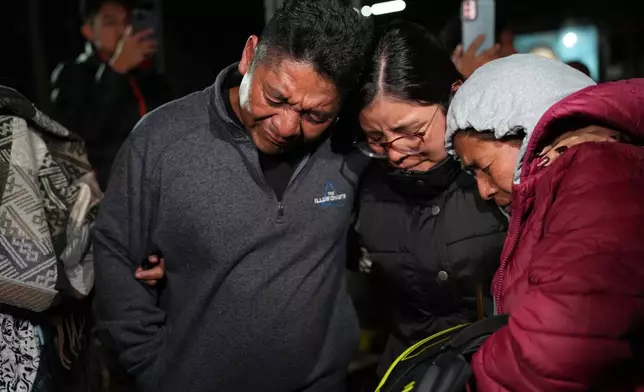
Relatives cry after receiving the remains of Maria Florinda Ríos Perez who was killed in Indiana, at La Aurora International Airport in Guatemala City, Sunday, Nov. 23, 2025. (AP Photo/Moises Castillo)
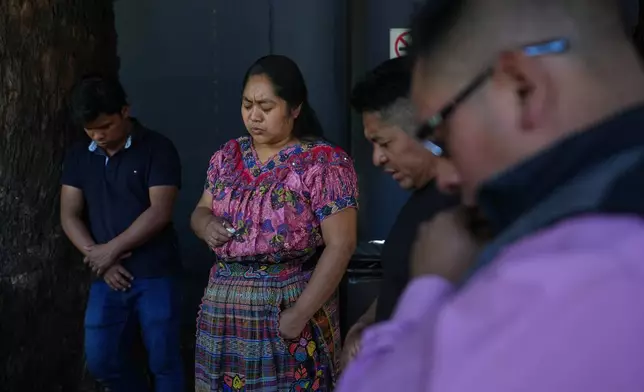
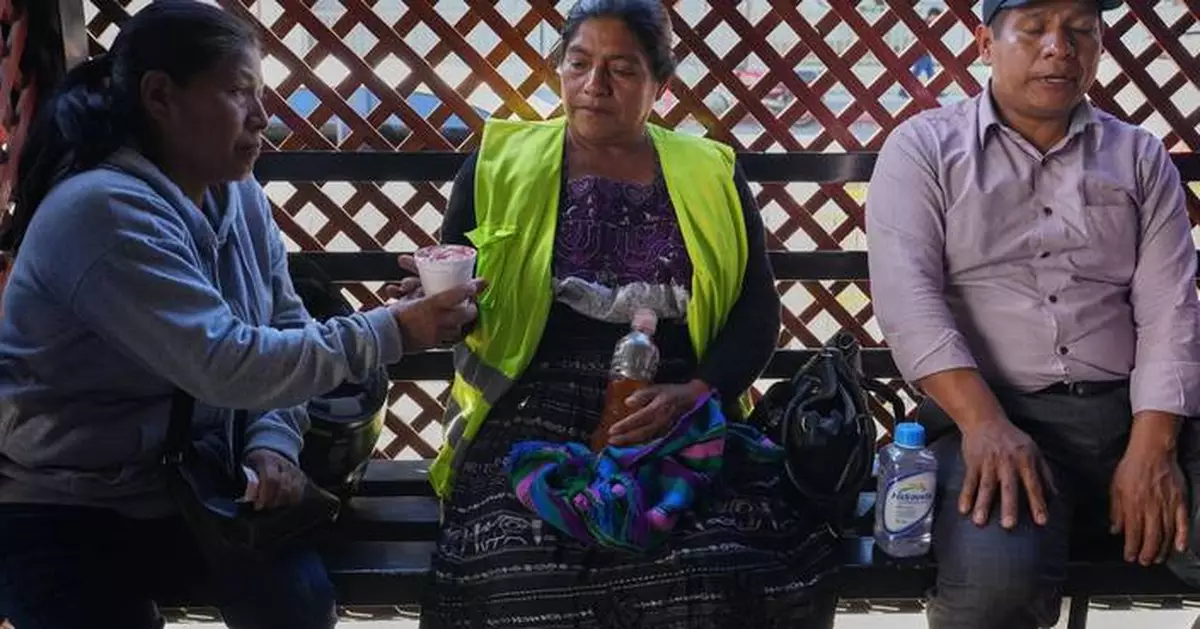
Relatives of migrant Maria Florinda Ríos Perez, who was killed in Indiana, pray as they wait for her body outside La Aurora International Airport in Guatemala City, Sunday, Nov. 23, 2025. (AP Photo/Moises Castillo)
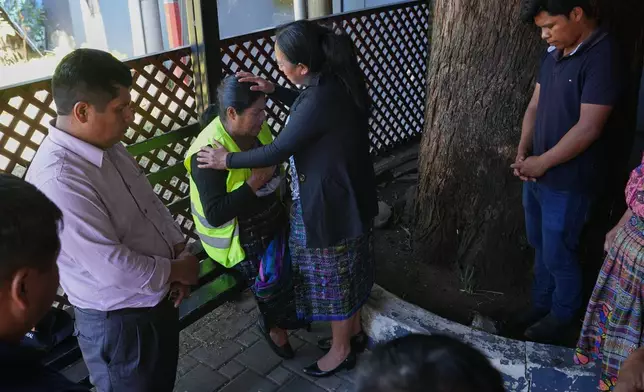
Relatives of migrant Maria Florinda Ríos Perez, who was killed in Indiana, pray as they wait for her body outside La Aurora International Airport in Guatemala City, Sunday, Nov. 23, 2025. (AP Photo/Moises Castillo)
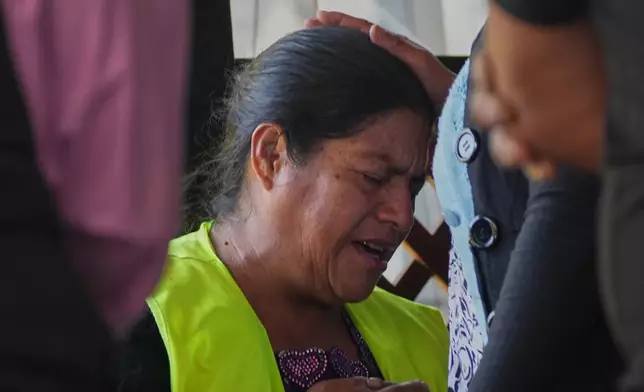
Vilma Pérez, the mother of migrant Maria Florinda Ríos Perez who was killed in Indiana, prays while waiting for her body, outside La Aurora International Airport in Guatemala City, Sunday, Nov. 23, 2025. (AP Photo/Moises Castillo)
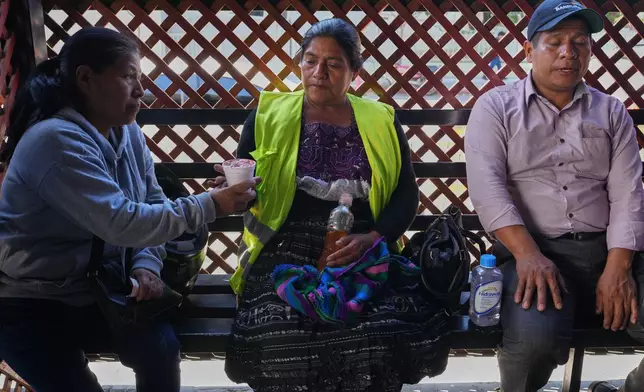
Vilma Pérez, center, the mother of migrant Maria Florinda Ríos Perez who was killed in Indiana, waits for her body outside La Aurora International Airport in Guatemala City, Sunday, Nov. 23, 2025. (AP Photo/Moises Castillo)
Late Sunday, her mother Vilma Pérez and other relatives received her body at the capital’s international airport and planned to transport it to her hometown of Cabrican, some 125 miles (200 kilometers) west of Guatemala City.
Prosecutors charged Curt Andersen of Whitestown last week with voluntary manslaughter in connection with her death. Andersen’s trial was scheduled to begin March 30, according to online court records. On Friday, a judge set bail at $25,000 and ordered him to surrender his passport.
According to court documents, Ríos and her husband were part of a house cleaning crew and went to Andersen’s house by mistake. As they tried to unlock Andersen’s door with a key their company had given them, Andersen fired a shot through the door without warning. The bullet hit Rios in the head. Her husband was not hurt.
Andersen told investigators he heard someone trying to unlock his front door and thought someone was trying to break into his home.
Over the weekend, women in Cabrican cooked food in preparation for friends and relatives who would attend the wake and burial. At her parents’ home, flowers and pictures of Ríos adorned an altar. Cabrican sits in a valley where most residents are Mam, an Indigenous Mayan people.
Ríos' sister, 19-year-old Yeimy Paola Ríos Pérez, said María had left Guatemala two years earlier with two of her daughters, hiring a smuggler to get them to the U.S. because they were told adults with children were being allowed to enter, her sister said.
“It was a lot of work going with the girls,” she said. They went to Indiana because five of her siblings and her father were there.
Yeimy recalled her last conversation with her sister days before she died.
“She was really happy because there was only a week until her son turned 1 year old and she was getting everything ready to celebrate the boy’s birthday,” Yeimy said.
Follow AP’s coverage of Latin America and the Caribbean at https://apnews.com/hub/latin-america
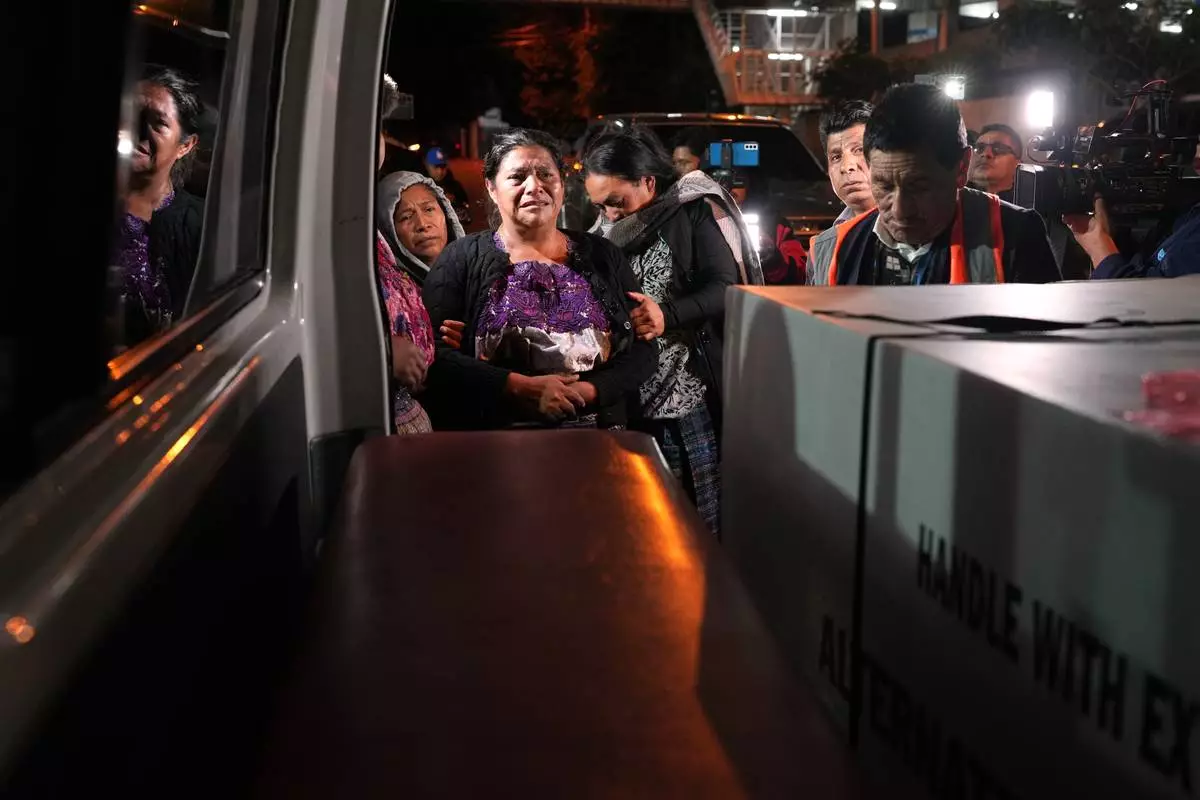
Vilma Pérez cries next to the coffin of her daughter Maria Florinda Ríos Perez, who was killed in Indiana, at La Aurora International Airport in Guatemala City, Sunday, Nov. 23, 2025. (AP Photo/Moises Castillo)

Vilma Pérez cries over the coffin of her daughter Maria Florinda Ríos Perez who was killed in Indiana, at La Aurora International Airport in Guatemala City, Sunday, Nov. 23, 2025. (AP Photo/Moises Castillo)
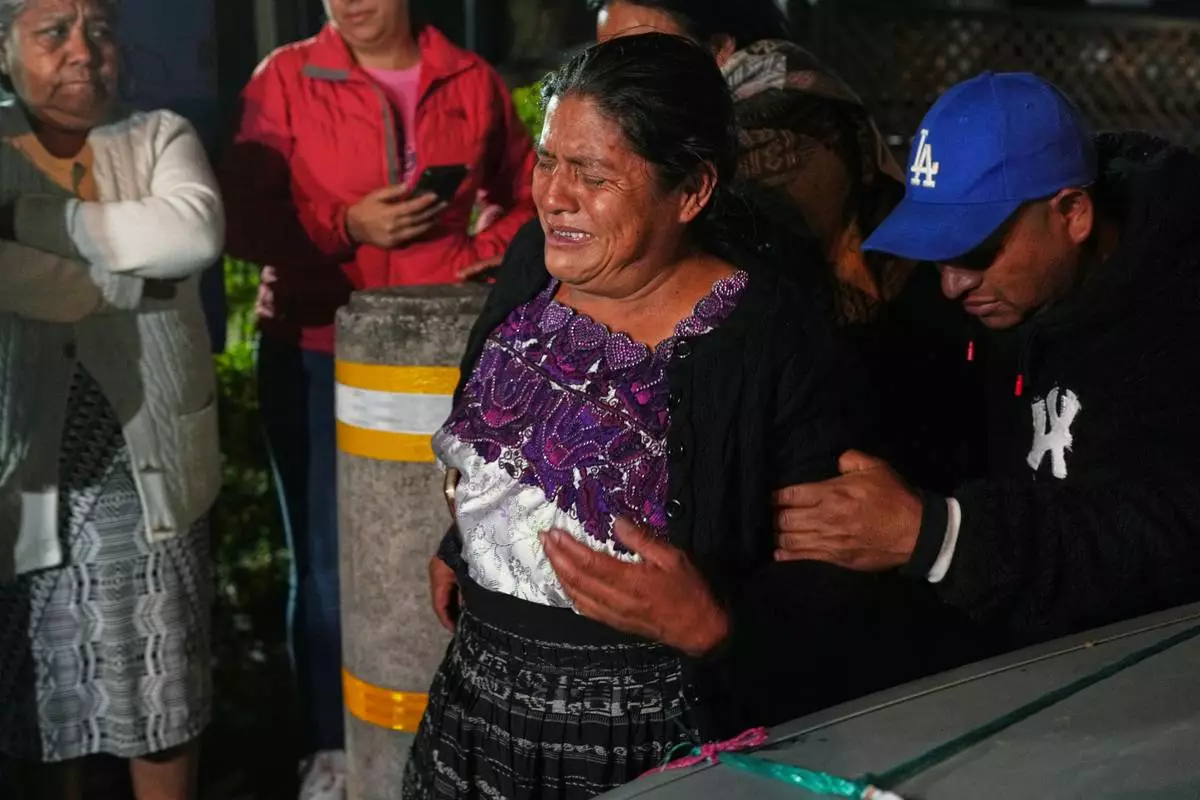
Vilma Pérez, left, cries after receiving the remains of her daughter Maria Florinda Ríos Perez who was killed in Indiana, at La Aurora International Airport in Guatemala City, Sunday, Nov. 23, 2025. (AP Photo/Moises Castillo)
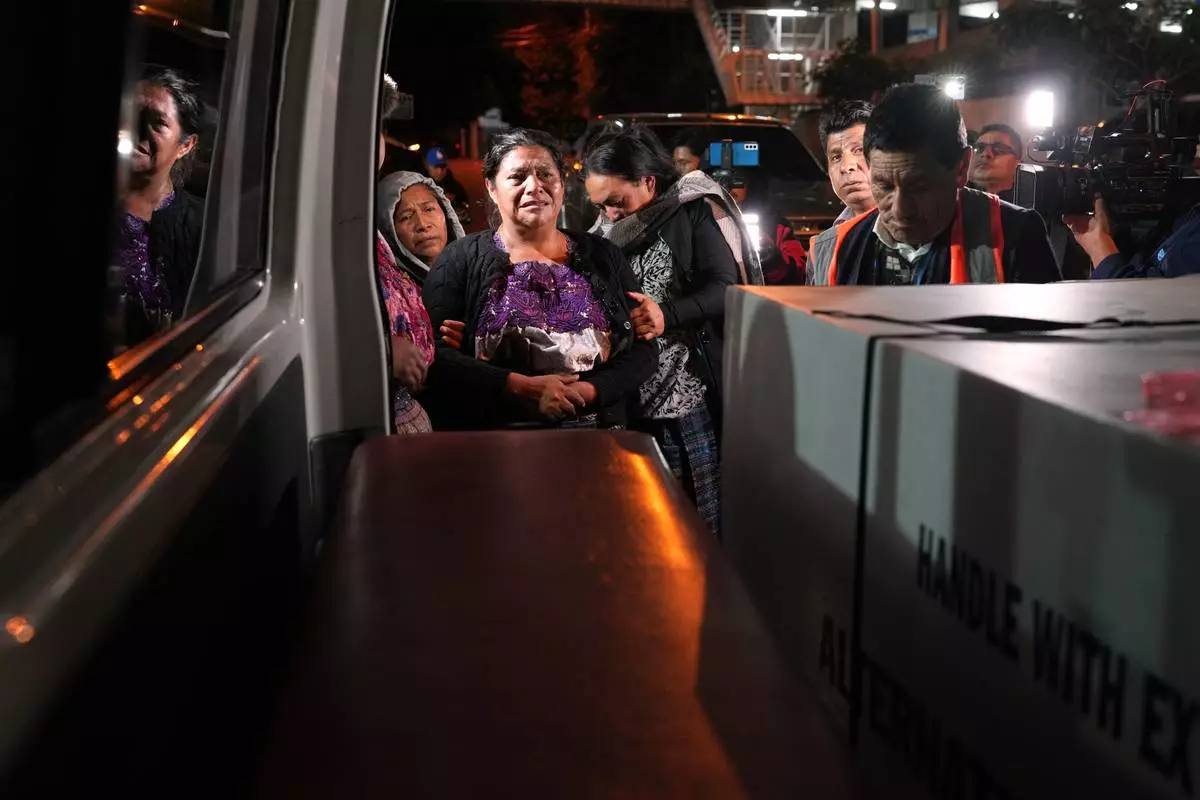
Vilma Pérez, left, cries next to the coffin of her daughter Maria Florinda Ríos Perez who was killed in Indiana, at La Aurora International Airport in Guatemala City, Sunday, Nov. 23, 2025. (AP Photo/Moises Castillo)
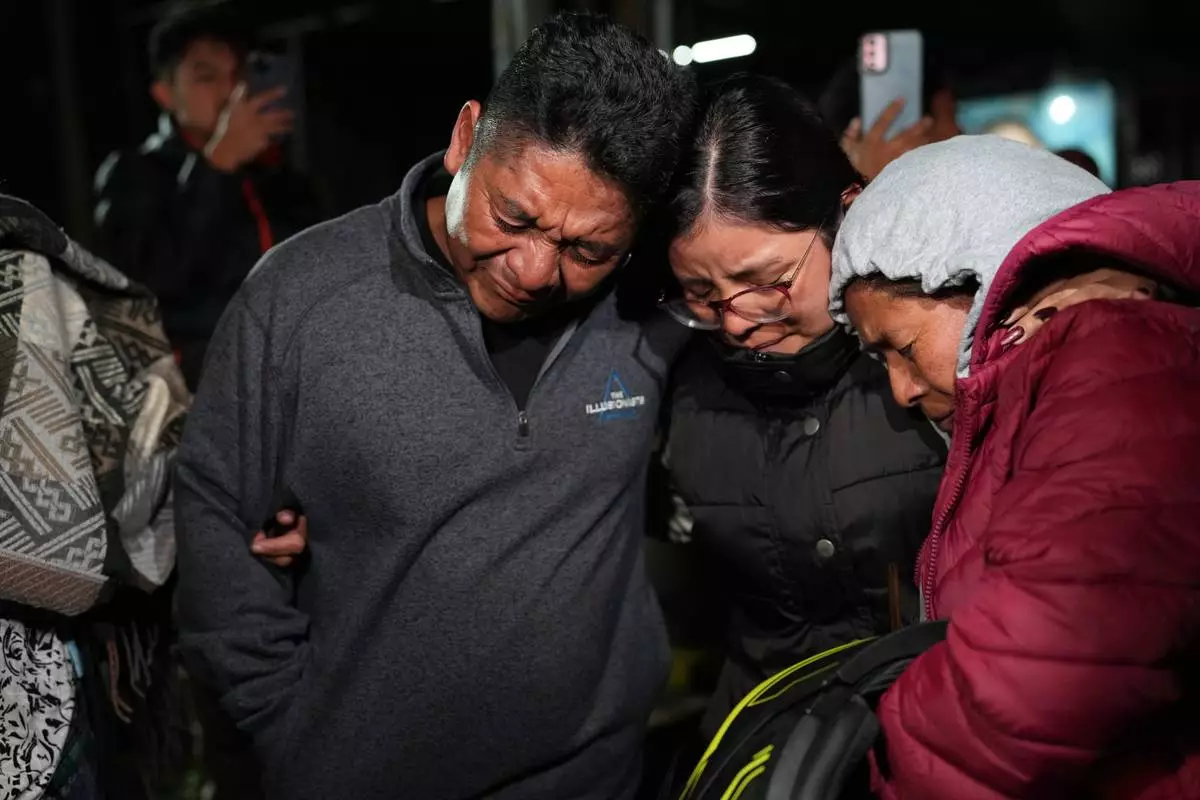
Relatives cry after receiving the remains of Maria Florinda Ríos Perez who was killed in Indiana, at La Aurora International Airport in Guatemala City, Sunday, Nov. 23, 2025. (AP Photo/Moises Castillo)
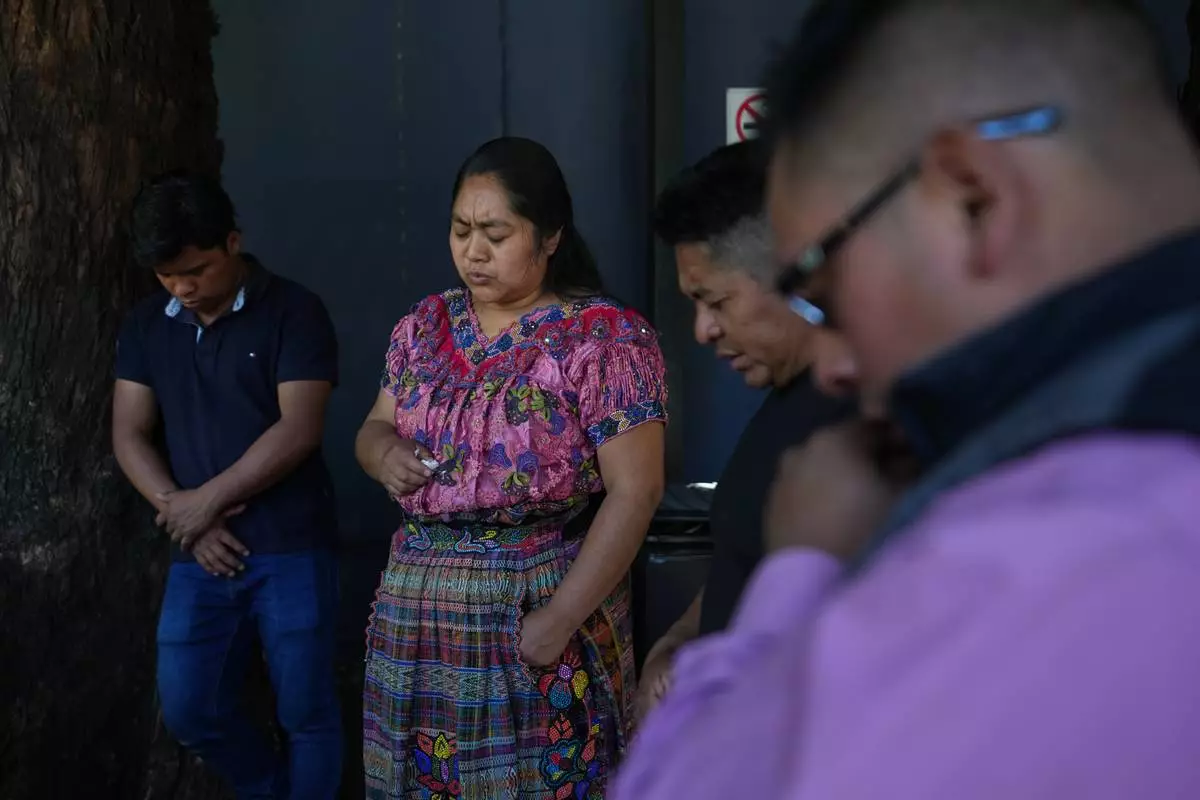
Relatives of migrant Maria Florinda Ríos Perez, who was killed in Indiana, pray as they wait for her body outside La Aurora International Airport in Guatemala City, Sunday, Nov. 23, 2025. (AP Photo/Moises Castillo)

Relatives of migrant Maria Florinda Ríos Perez, who was killed in Indiana, pray as they wait for her body outside La Aurora International Airport in Guatemala City, Sunday, Nov. 23, 2025. (AP Photo/Moises Castillo)
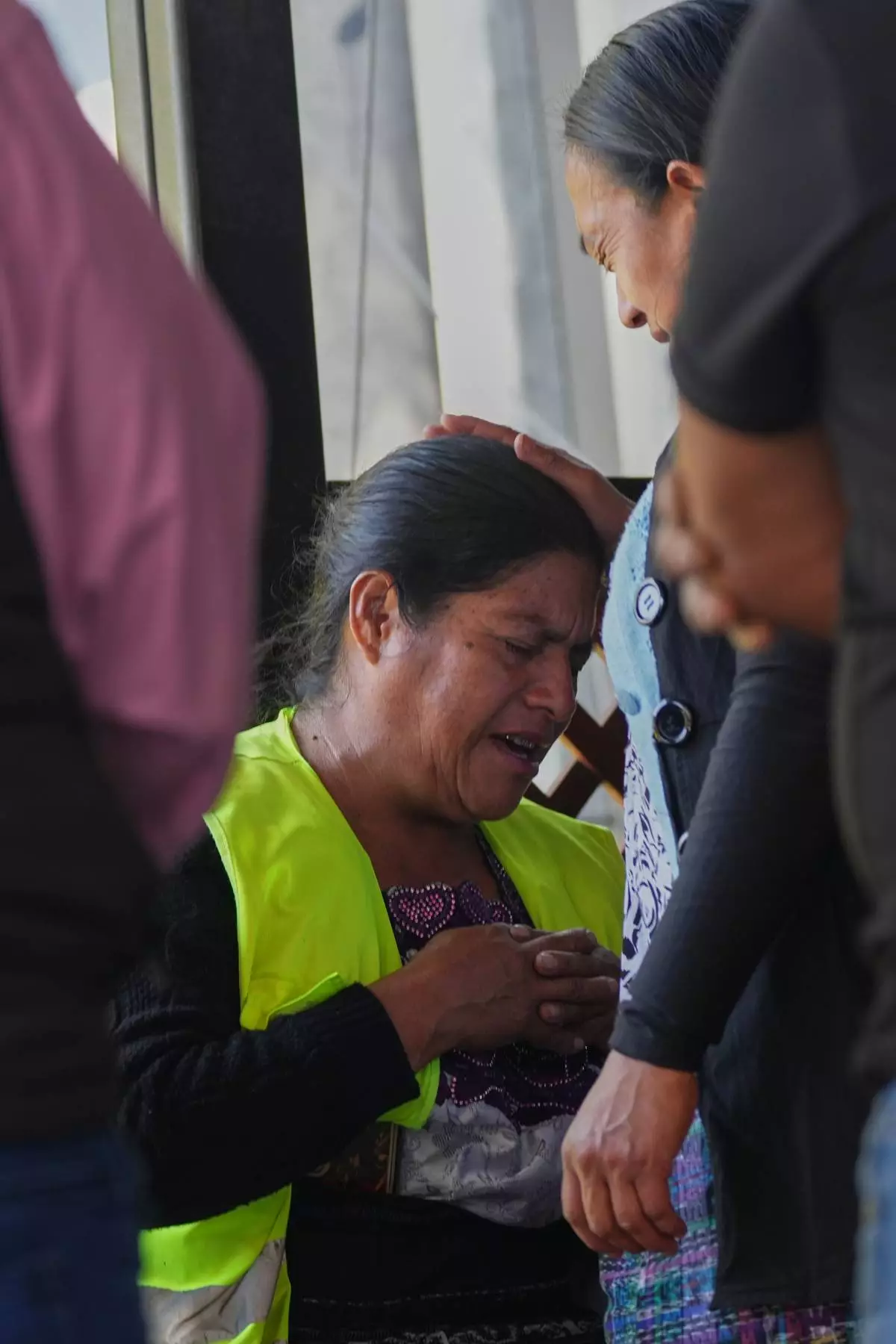
Vilma Pérez, the mother of migrant Maria Florinda Ríos Perez who was killed in Indiana, prays while waiting for her body, outside La Aurora International Airport in Guatemala City, Sunday, Nov. 23, 2025. (AP Photo/Moises Castillo)
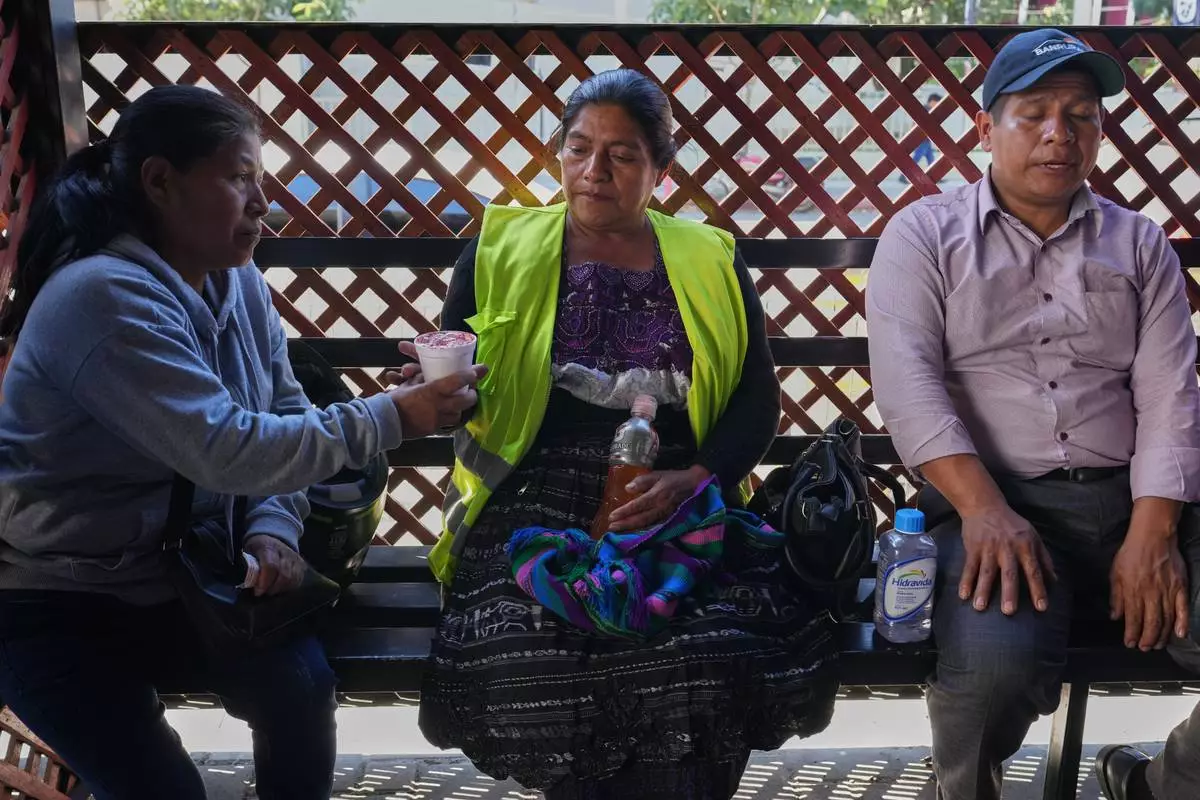
Vilma Pérez, center, the mother of migrant Maria Florinda Ríos Perez who was killed in Indiana, waits for her body outside La Aurora International Airport in Guatemala City, Sunday, Nov. 23, 2025. (AP Photo/Moises Castillo)