President Donald Trump said U.S. forces will keep hitting Iran “very hard” in the next two or three weeks and bring the country “back to the Stone Ages,” even as he touted the success of U.S. operations and argued that all of Washington’s objectives have so far been met or exceeded.
Trump said Iran would continue to face a barrage of attacks in the short term.
Click to Gallery
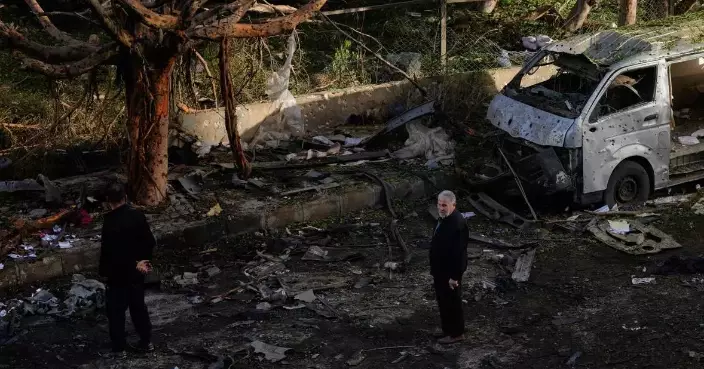
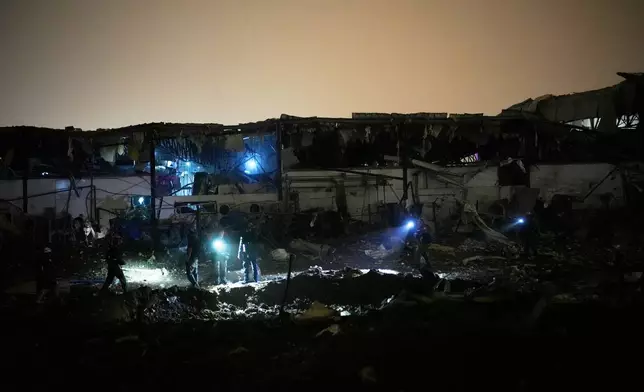
Israeli security forces and rescue teams inspect a site struck by an Iranian missile in Petah Tikva, Israel,Thursday, April 2, 2026. (AP Photo/Ohad Zwigenberg)
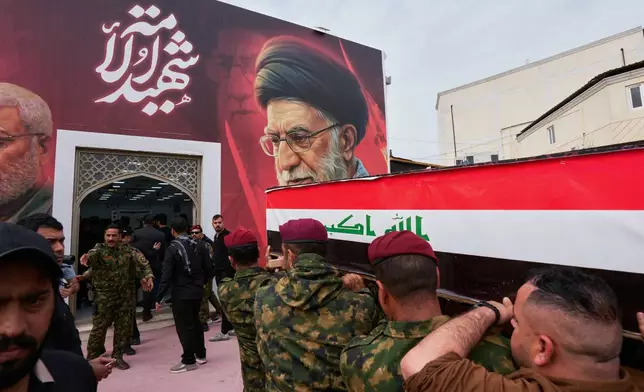
Members from the Popular Mobilization Forces attend a funeral of fighters who were killed in a U.S. airstrike, in Tal Afar, Nineveh province, north of Baghdad, Iraq, Thursday, April 2, 2026. (AP Photo/Hadi Mizban)
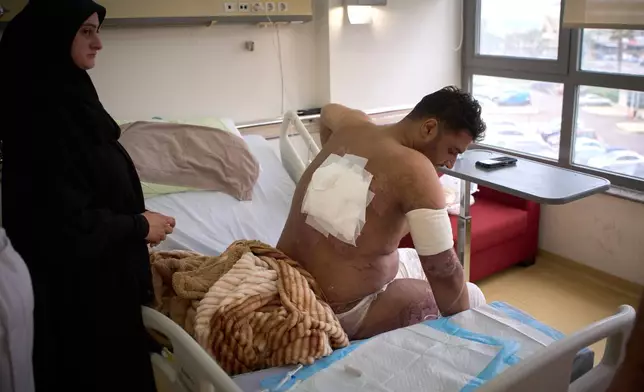
A man with burn wounds from an Israeli airstrike on southern Lebanon sits on a bed at the Sidon Government Hospital in Sidon, Lebanon, Thursday, April 2, 2026. (AP Photo/Emilio Morenatti)
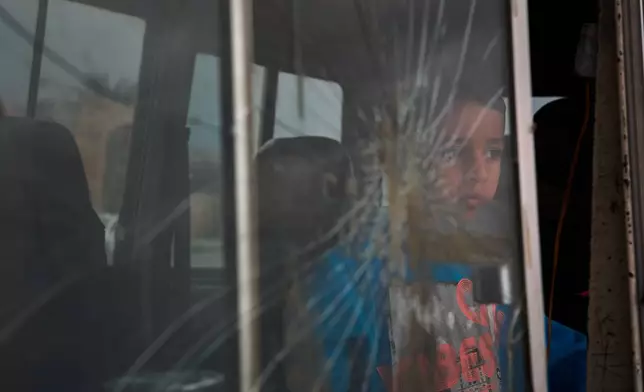
A boy who fled with his family following Israeli strikes in southern Lebanon sits inside the van they are using as shelter in Sidon, Lebanon, Thursday, April 2, 2026. (AP Photo/Emilio Morenatti)
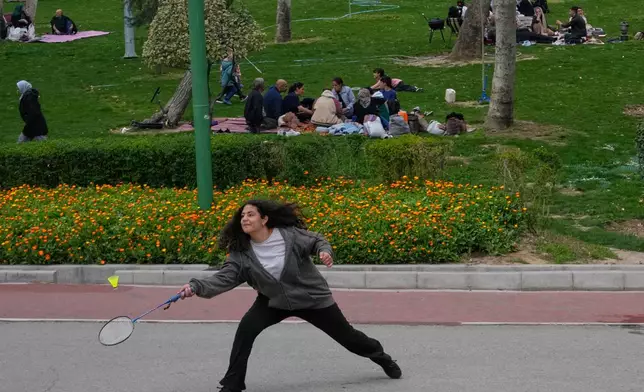
A girl plays badminton during the annual public picnic day, known as Sizdeh Bedar, an ancient tradition, marking the 13th and last day of Iranian New Year, or Nowruz, holidays, at Mellat park in Tehran, Iran, Thursday, April 2, 2026. (AP Photo/Vahid Salemi)
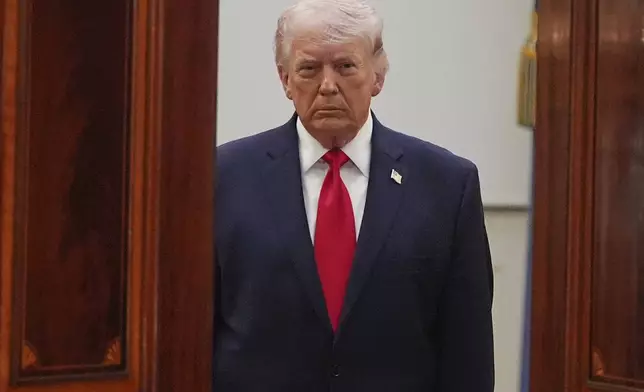
President Donald Trump arrives from the Blue Room to speak about the Iran war from the Cross Hall of the White House on Wednesday, April 1, 2026, in Washington. (AP Photo/Alex Brandon, Pool)
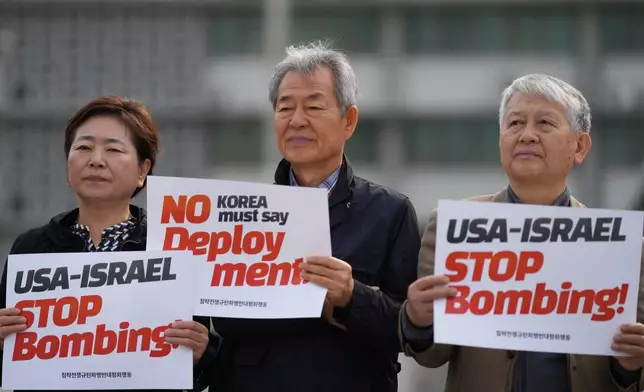
Members of civic groups hold signs against the U.S. and Israel attacks on Iran near the U.S. Embassy in Seoul, South Korea, Wednesday, April 1, 2026. (AP Photo/Lee Jin-man)
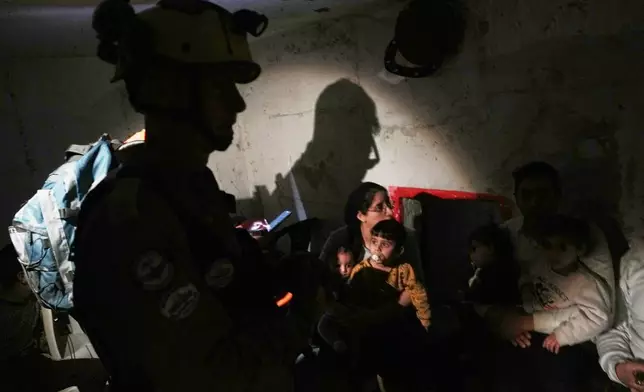
Israel's rescue teams and residents take shelter as sirens sounds next to a site struck by an Iranian missile in Bnei Brak, Wednesday, April 1, 2026. (AP Photo/Oded Balilty)
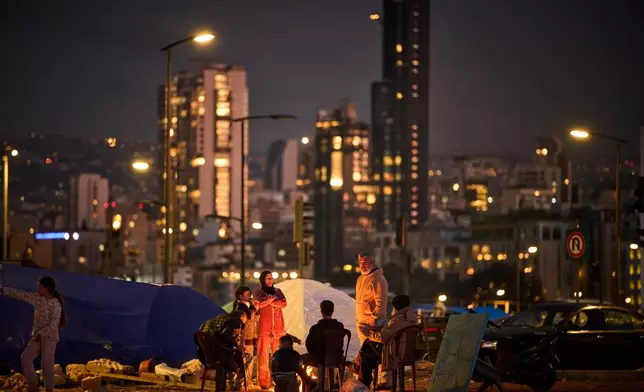
A family who fled Israeli shelling in southern Lebanon warm themselves by a bonfire next to tents used as shelters in Beirut, Lebanon, Tuesday, March 31, 2026. (AP Photo/Emilio Morenatti)
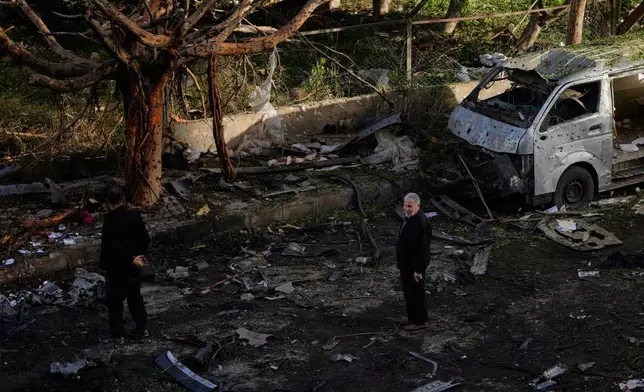
People stand near a damaged van beside scattered debris following an Israeli strike in Beirut, Lebanon, Wednesday, April 1, 2026. (AP Photo/Hassan Ammar)
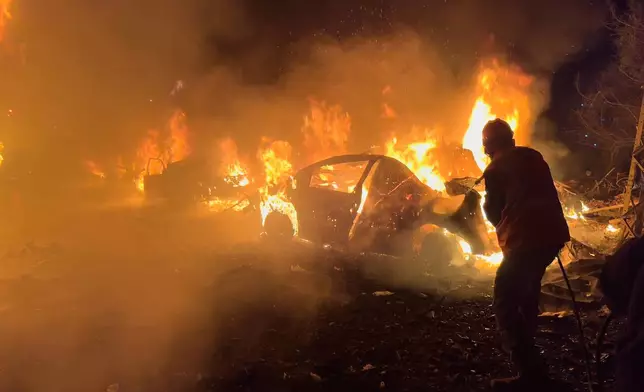
A firefighter extinguishes a car at the site of Israeli airstrikes, in Beirut, Lebanon, Wednesday, April 1, 2026. (AP Photo/Hussein Malla)
“We are going to hit them extremely hard over the next two to three weeks,” Trump said. “We’re going to bring them back to the Stone Ages, where they belong.”
Trump didn’t say anything about negotiations with Iran or bring up the April 6 deadline he set for Iran to open the Strait of Hormuz, the critical waterway for global oil and gas transport. He has threatened to attack Iran's energy infrastructure if the strait was not reopened.
Trump also did not offer a clear path to end the supply disruptions that have sent energy prices soaring. He did not mention the possibility of sending U.S. ground troops into Iran, or NATO, the trans-Atlantic alliance he has railed against for not helping the U.S. secure the waterway.
Oil rose more than 4% and Asian stocks fell after the comments. Oil prices were sharply higher following Trump’s remarks. Brent crude, the international standard, jumped 4.9% to $106.16 per barrel. Benchmark U.S. crude rose 4% to $104.15 a barrel.
U.S. gas prices jumped past an average of $4 a gallon for the first time since 2022 on Tuesday, as the Iran war continues to push fuel prices higher worldwide. Analysts say those high fuel costs will trickle into groceries as businesses’ transportation and packaging costs pile up.
Here is the latest:
A New York-based think tank said Thursday that U.S. President Donald Trump’s speech suggests he “is willing to leave the Strait of Hormuz off the table, leaving other nations to deal with the consequences.”
“Trump’s message was that the United States can sustain its own economic and energy ecosystem, while countries dependent on regional exports will either have to buy from the United States or manage the Strait themselves,” the Soufan Center wrote.
“While Trump explicitly thanked U.S. allies in the Persian Gulf for their cooperation and allyship, an expedited U.S. withdrawal without securing the Strait will leave many of these countries, whose economies are dependent on energy exports, in the lurch.”
Fuel prices in Thailand soared again on Thursday after the government further cut subsidies, sending diesel price to over 44 baht ($1.35) per liter, about 12% increase.
The surge was the second time in a week, after a majority of fuel prices rose by 6 baht ($0.18) per liter last Thursday.
Democrats are criticizing Trump’s primetime address to the American people on the war in Iran as “incoherent” and as doing little to answer “the most basic questions the American people,” according to statements from two Democratic lawmakers released on Wednesday.
Sen. Mark Warner, D-Va., noted that Trump owed Americans more answers about a conflict that has driven up prices on gas “alongside rising prices for diesel, fertilizer, aluminum, and other essentials, with consequences that will continue to ripple through the economy for a long time to come” in his statement.
Meanwhile, Sen. Chris Murphy, D-Conn., released a statement that said the “speech was grounded in a reality that only exists in Donald Trump’s mind.”
Murphy went on to add that “no one in America, after listening to that speech, knows whether we are escalating or deescalating.”
Oil rose more than 4% and Asian stocks fell after U.S. President Donald Trump said in his first national address since the Iran war began that the U.S. will keep hitting Iran very hard.
Trump also said the United States will “finish the job” in Iran and that military operations could wrap up soon.
Tokyo’s Nikkei 225 was down 1.4% to 53,004.81 in early Asia trading on Thursday. South Korea’s Kospi lost 3.4% to 5,292.36. Hong Kong’s Hang Seng fell 0.8% to 25,082.59.
U.S. futures were down more than 0.7%.
Oil prices were sharply higher following Trump’s remarks. Brent crude, the international standard, jumped 5% to $106.22 per barrel. Benchmark U.S. crude rose 4.2% to $104.36 a barrel.
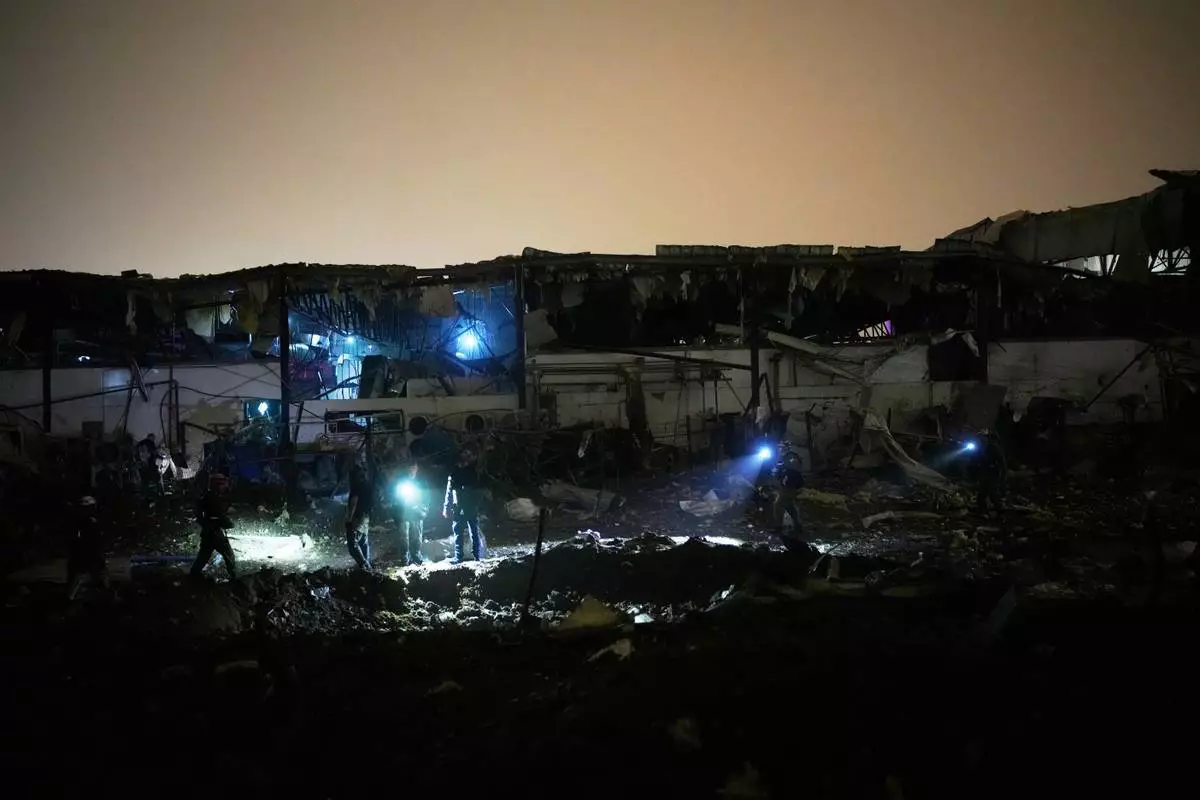
Israeli security forces and rescue teams inspect a site struck by an Iranian missile in Petah Tikva, Israel,Thursday, April 2, 2026. (AP Photo/Ohad Zwigenberg)
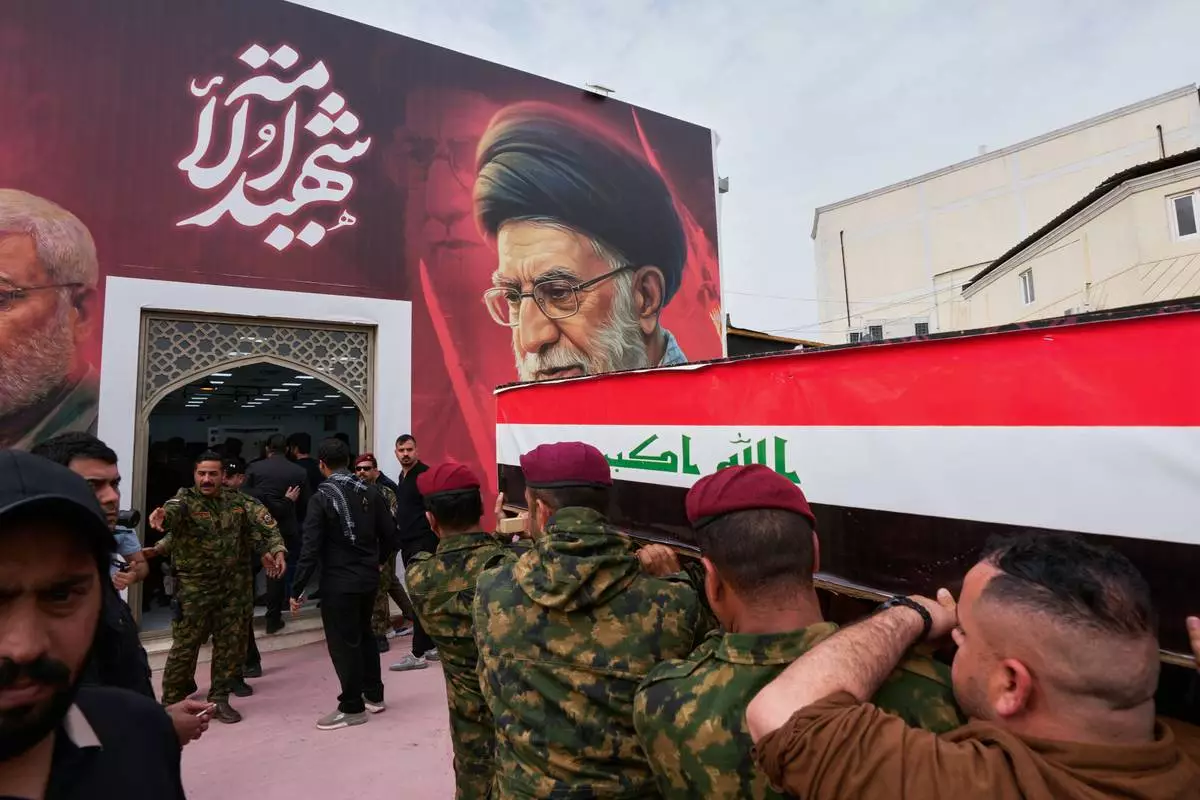
Members from the Popular Mobilization Forces attend a funeral of fighters who were killed in a U.S. airstrike, in Tal Afar, Nineveh province, north of Baghdad, Iraq, Thursday, April 2, 2026. (AP Photo/Hadi Mizban)
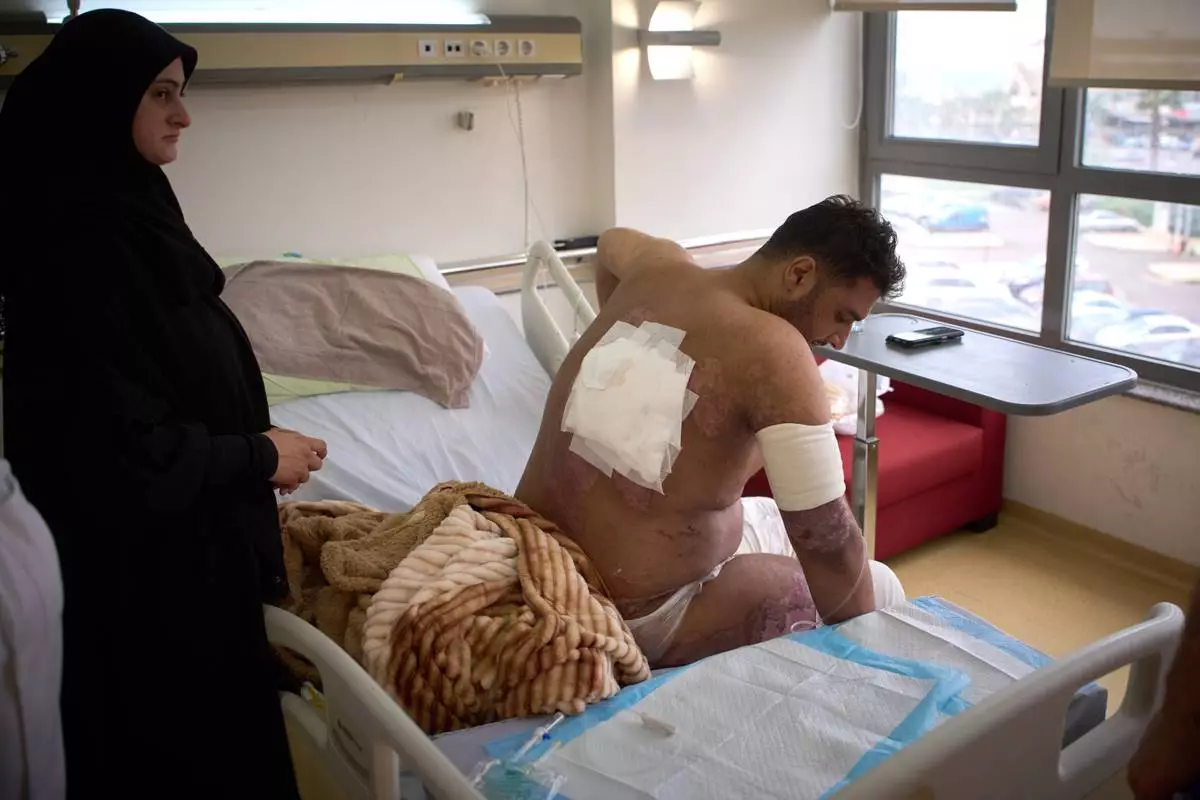
A man with burn wounds from an Israeli airstrike on southern Lebanon sits on a bed at the Sidon Government Hospital in Sidon, Lebanon, Thursday, April 2, 2026. (AP Photo/Emilio Morenatti)
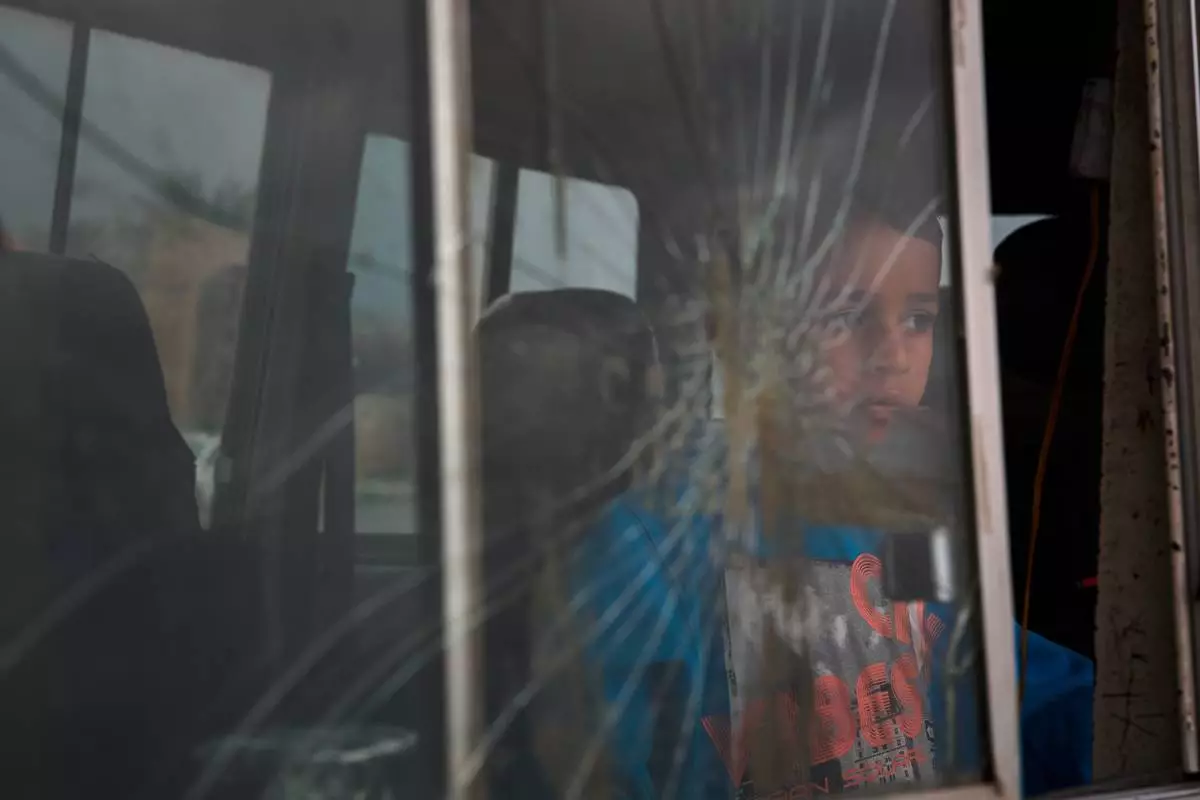
A boy who fled with his family following Israeli strikes in southern Lebanon sits inside the van they are using as shelter in Sidon, Lebanon, Thursday, April 2, 2026. (AP Photo/Emilio Morenatti)
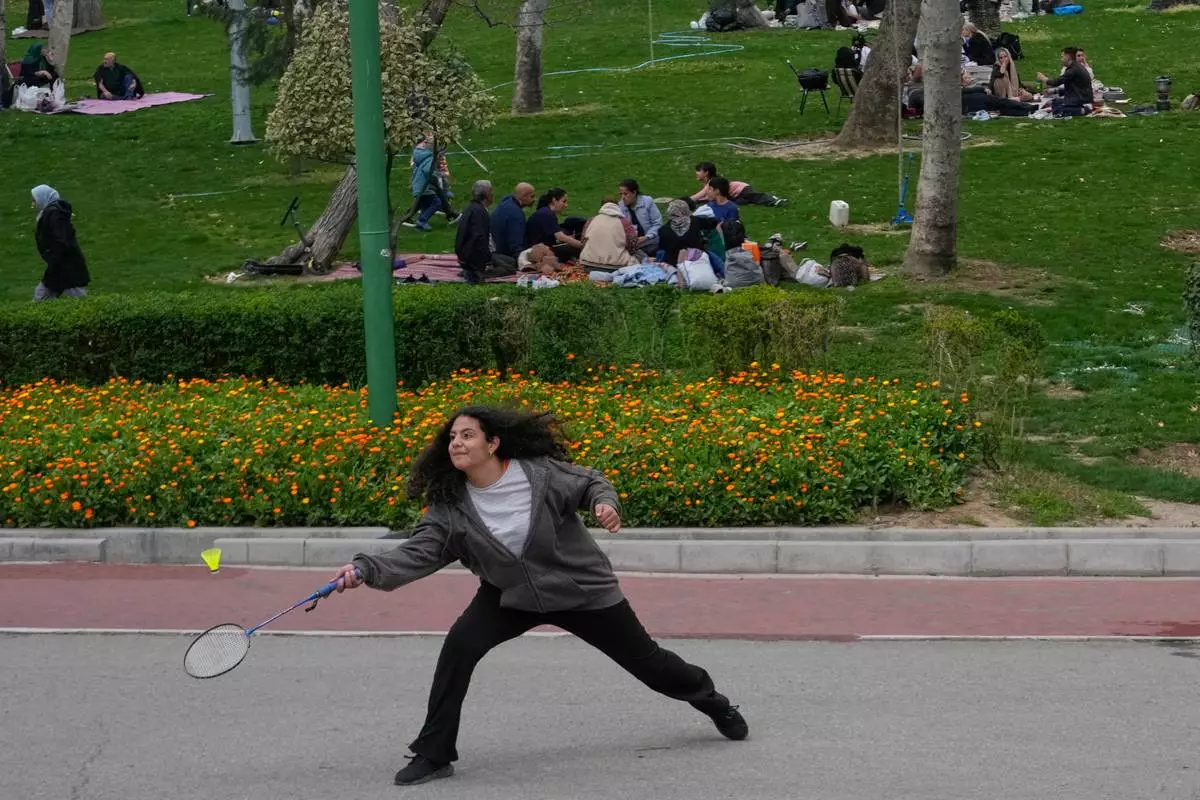
A girl plays badminton during the annual public picnic day, known as Sizdeh Bedar, an ancient tradition, marking the 13th and last day of Iranian New Year, or Nowruz, holidays, at Mellat park in Tehran, Iran, Thursday, April 2, 2026. (AP Photo/Vahid Salemi)
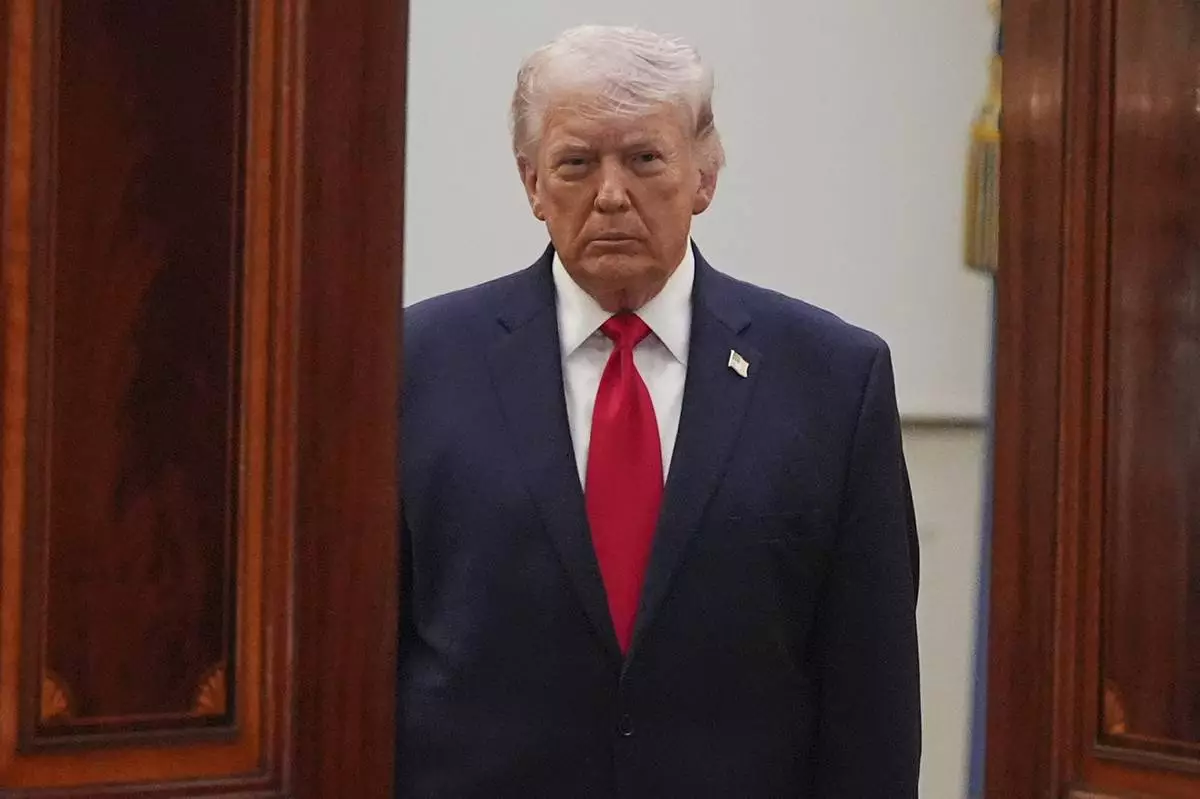
President Donald Trump arrives from the Blue Room to speak about the Iran war from the Cross Hall of the White House on Wednesday, April 1, 2026, in Washington. (AP Photo/Alex Brandon, Pool)
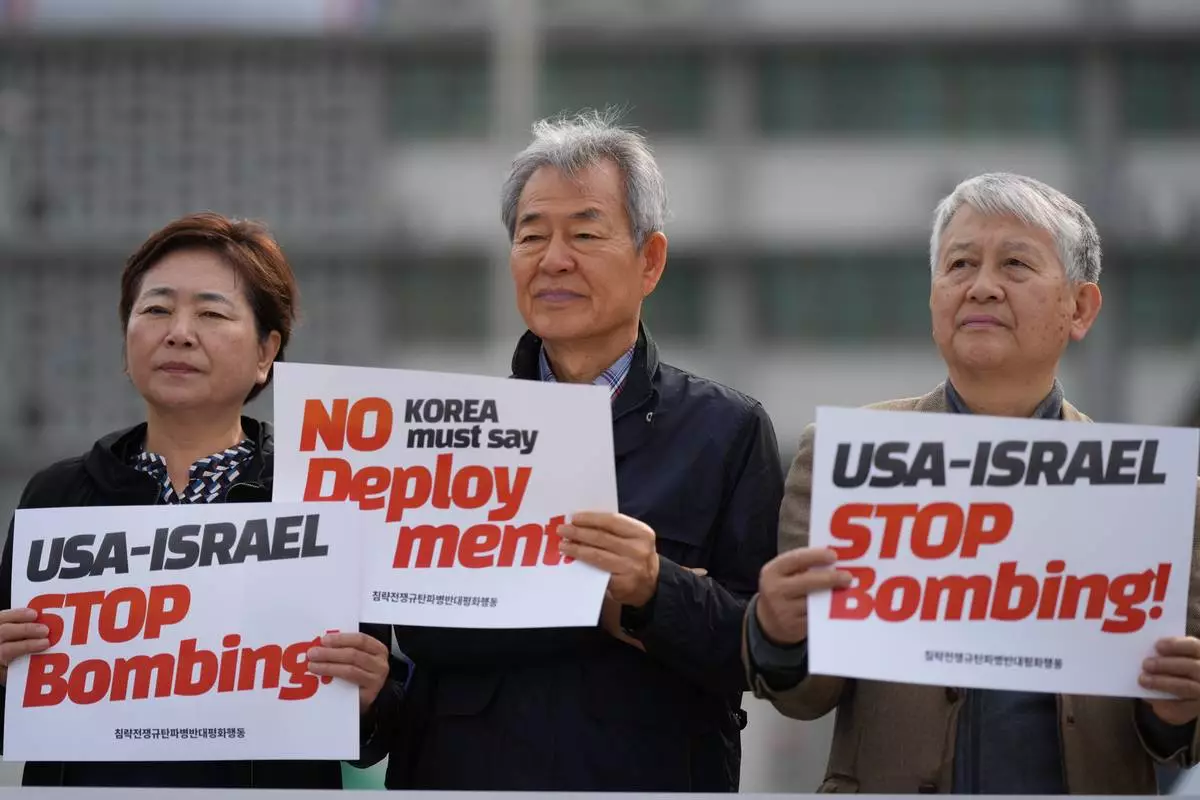
Members of civic groups hold signs against the U.S. and Israel attacks on Iran near the U.S. Embassy in Seoul, South Korea, Wednesday, April 1, 2026. (AP Photo/Lee Jin-man)
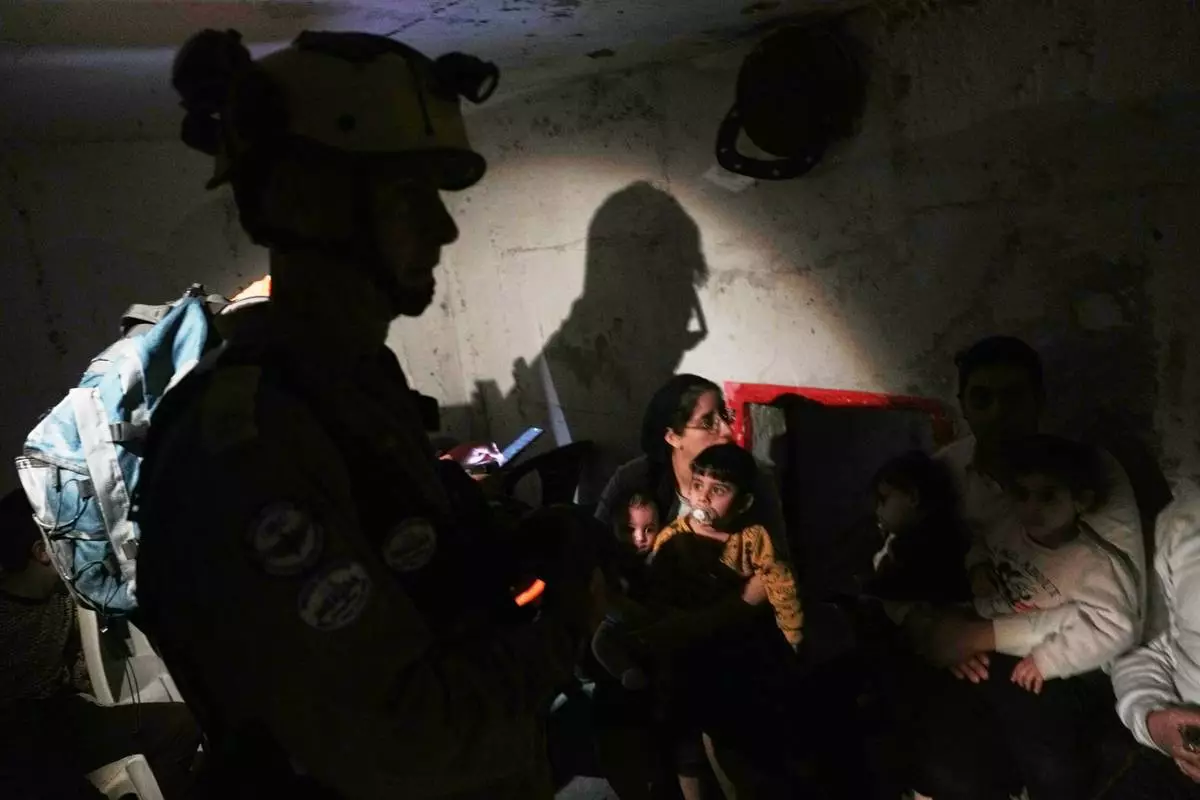
Israel's rescue teams and residents take shelter as sirens sounds next to a site struck by an Iranian missile in Bnei Brak, Wednesday, April 1, 2026. (AP Photo/Oded Balilty)
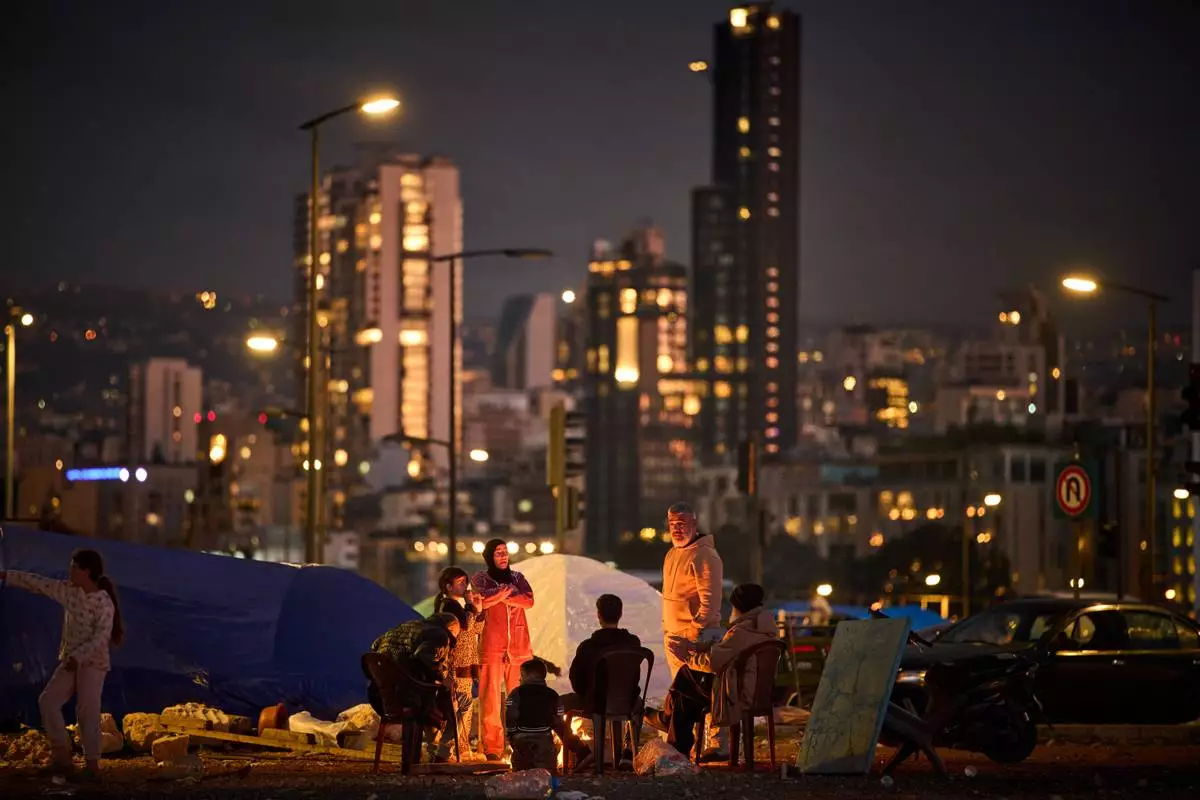
A family who fled Israeli shelling in southern Lebanon warm themselves by a bonfire next to tents used as shelters in Beirut, Lebanon, Tuesday, March 31, 2026. (AP Photo/Emilio Morenatti)
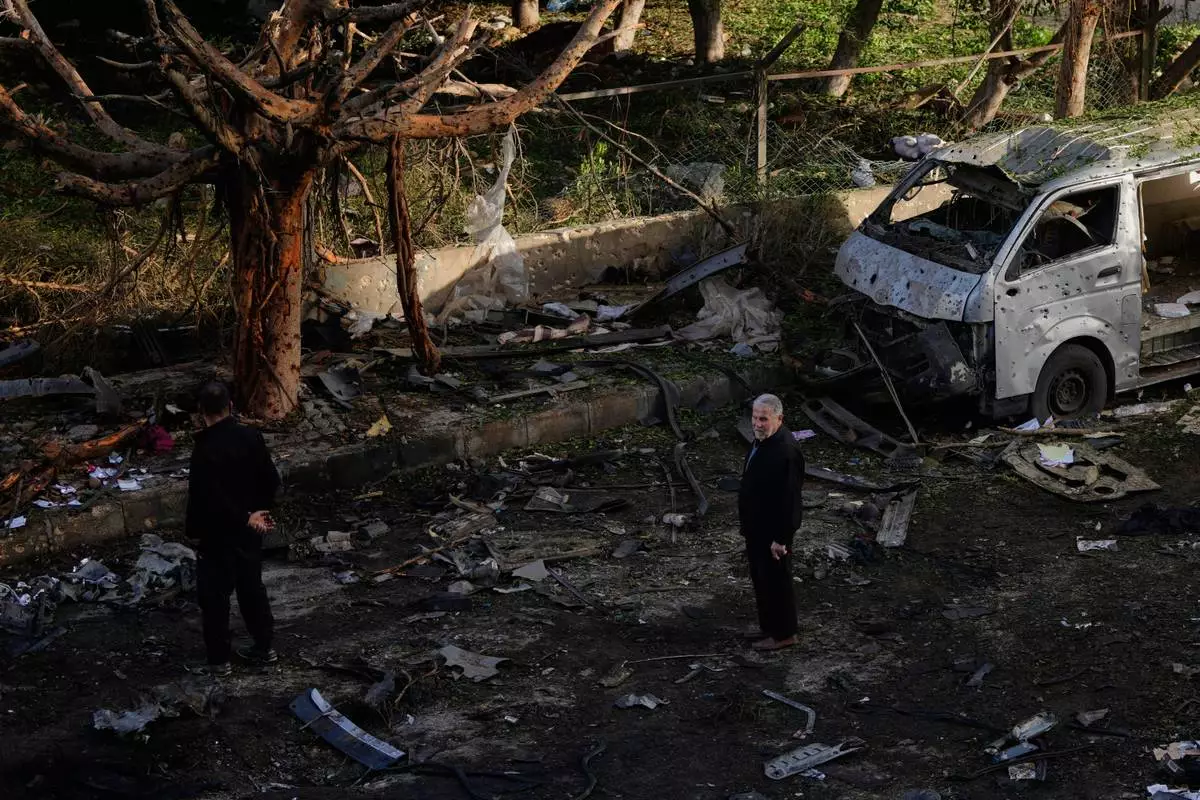
People stand near a damaged van beside scattered debris following an Israeli strike in Beirut, Lebanon, Wednesday, April 1, 2026. (AP Photo/Hassan Ammar)
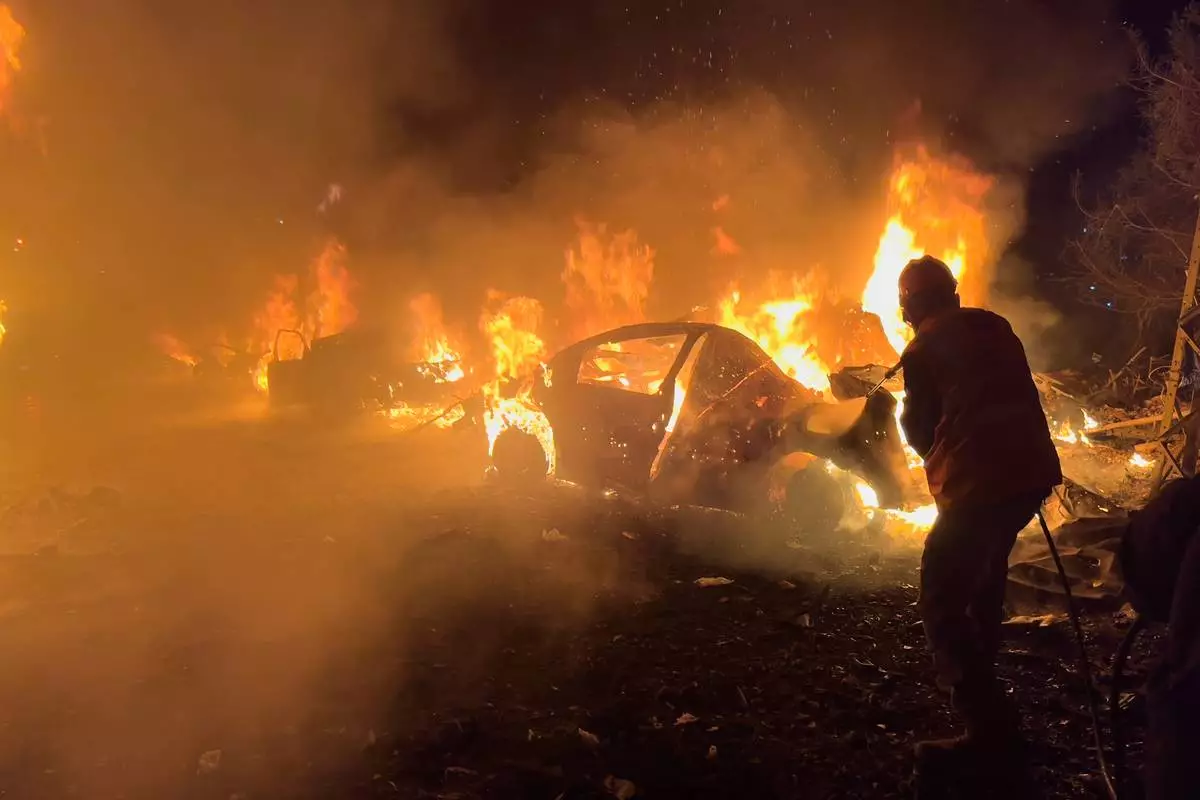
A firefighter extinguishes a car at the site of Israeli airstrikes, in Beirut, Lebanon, Wednesday, April 1, 2026. (AP Photo/Hussein Malla)