Russia said on Sunday that its force had captured three more settlements from Ukraine, while, Ukraine, on the same day, reported 162 battles in the frontlines.
The Russian Defense Ministry said in its latest report that over the past 24 hours, the Russian forces struck Ukrainian targets in 148 areas and took control of three settlements, namely Petrovskoye in Donetsk region, and Tikhoye and Otradnoye in Dnepropetrovsk region.
In Krasnoarmeysk (known as Pokrovsk in Ukraine), the Russian assault groups of the 2nd Army continued to strike the besieged Ukrainian forces in the central district, the miners' district and the western industrial area, the ministry said.
Also on Sunday, the General Staff of the Armed Forces of Ukraine reported a total of 162 combat clashes between Russian and Ukrainian forces over the past day.
The Ukrainian air force, missile troops and artillery force struck two Russian concentration areas of personnel, weapons, and military equipment. In addition, there were 19 combat clashes in the Northern Slobozhanshcyna and Kursk sectors, the Ukrainian side said.
The Ukrainian East Group of Forces said on Saturday that they continued defensive operations in the Pokrovsk-Myrnohrad agglomeration and successfully repelled multiple Russian attacks.
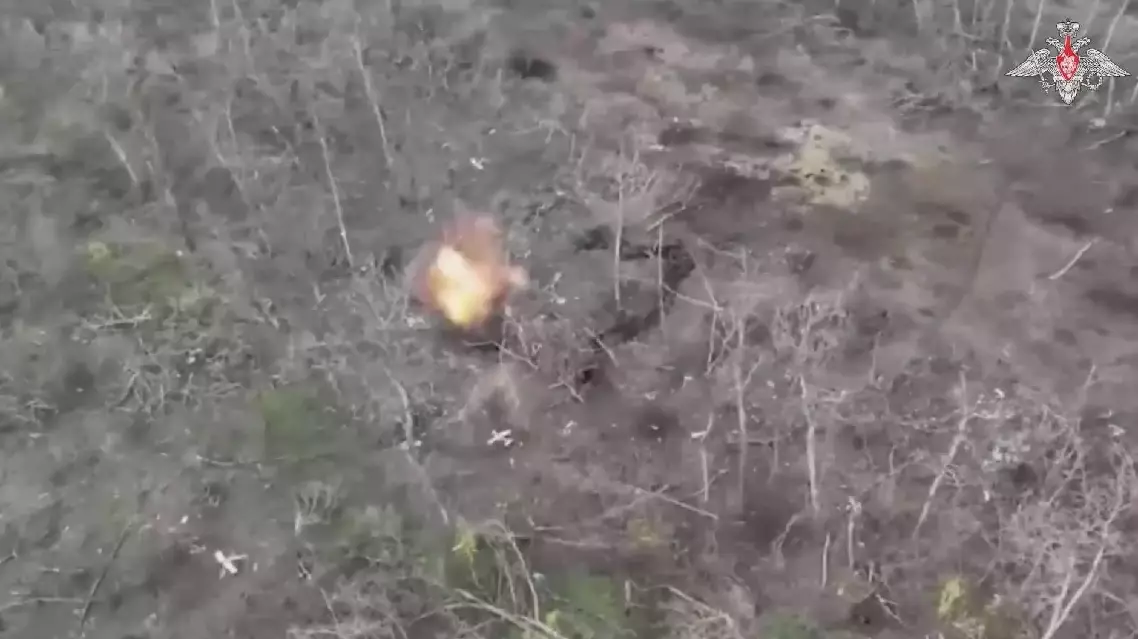
Russia captures three more Ukrainian settlements, Ukraine reports 162 battles in frontlines
The Cyberspace Administration of China has drafted a set of guidelines to ensure healthy and safe internet use by minors, laying out a series of regulations for relevant service providers.
The draft was made public on Friday and is open to public comment until Oct. 17.
The draft encourages the research, development and manufacture of smart terminal products specifically designed for minors and tailored to the laws and characteristics of their physical and mental development, as well as internet technologies and services conducive to the healthy growth of minors.
Minors shall not be exposed to online social networking services with strangers, virtual intimate relationship services, and online services that induce addiction in minors or are detrimental to their physical and mental health, the draft reads.
Internet services for minors under 16, such as online social networking services and artificial intelligence services that may affect minors' cognition, can only be provided through a minor mode, according to the draft.
It also clarifies the functions of the minor mode, which include identifying online information detrimental to minors' physical and mental health, protecting minors' personal information rights and interests, preventing minors from becoming addicted to the internet, and facilitating guardians in fulfilling their guardianship responsibilities.
As of December 2025, China had more than 200 million internet users aged 6 to 19, the 57th Statistical Report on China's Internet Development revealed.
With the increasingly evident impact of social media on minors' mental well-being, behavior and safety, a growing number of countries and regions have recently started to explore ways to raise the legal threshold for minors' use of social media platforms, said Wang Zhiqin, deputy director of the China Academy of Information and Communications Technology.
The draft proposes a model with Chinese characteristics for protecting minors online, representing a positive response to the global trend toward strengthening online protection for minors, Wang said.
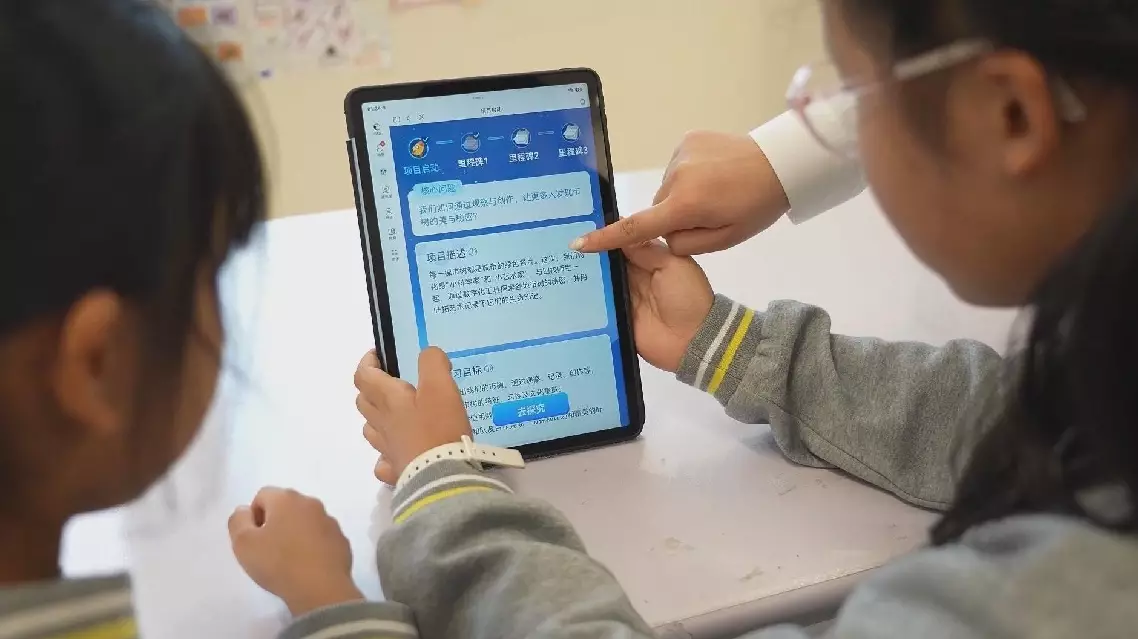
China drafts guidelines to strengthen online protection for minors