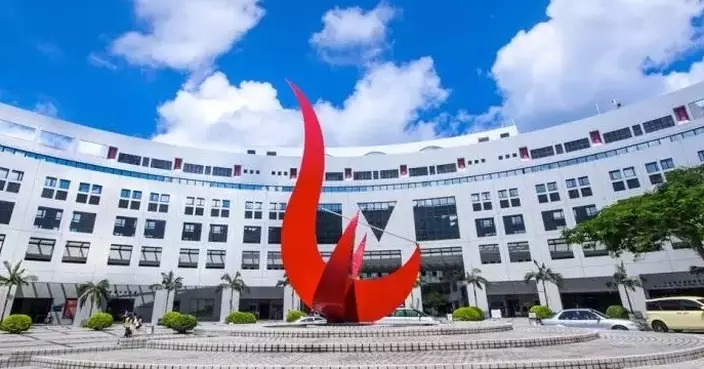
The Hong Kong University of Science and Technology has been approved to establish the third medical school in Hong Kong. Professor Fok Tai-Fai, the senior adviser to the President of HKUST, member of the new medical school's preparatory committee, and co-chairman of the Medical Education Task Force said that the preparations are underway intensely with the personnel's great efforts in various aspects, including discussing the details of cooperation with the government, deliberating over the arrangements for teaching hospitals with the Hospital Authority, launching a large-scale global recruitment scheme, covering employing the founding dean, the academic management team, and carrying out the curriculum development, etc. Besides, the construction project for the complex in Clear Water Bay as the interim campus for the new medical school has also been put on schedule.
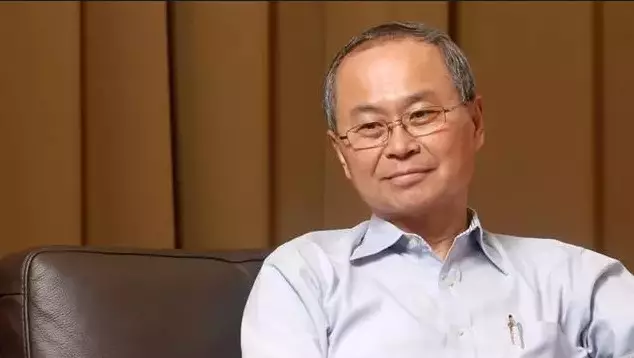
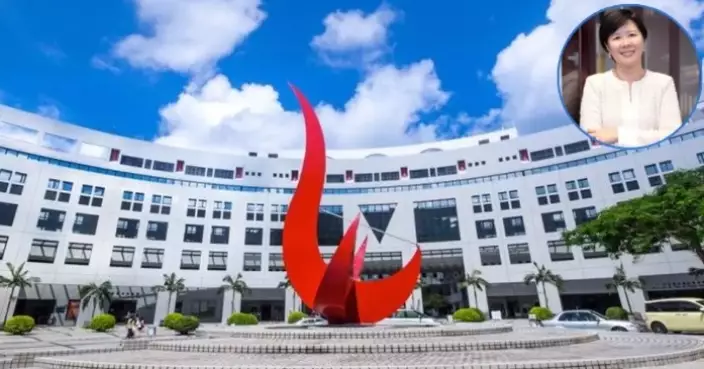
Professor Fok Tai-Fai, Photo source: reference image
In the eyes of Professor Fok, although HKUST lacks experience in running a medical school, the lack of experience can allow the school team to be "free from burdens" and break out of traditional constraints to seek innovation. As for the curriculum design, he said that the team has visited many places to learn from others. He emphasized that the primary emphases of doctor training should be having clinical strength, medical ethics and professional conduct, and being patient-oriented. Additionally, he added that future doctors ought to embrace technology and know how to use it in order to benefit the public.
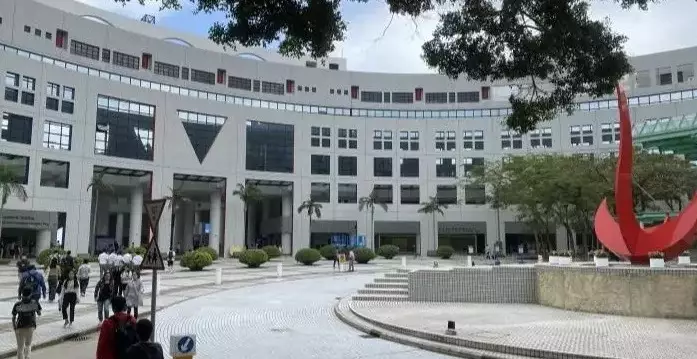
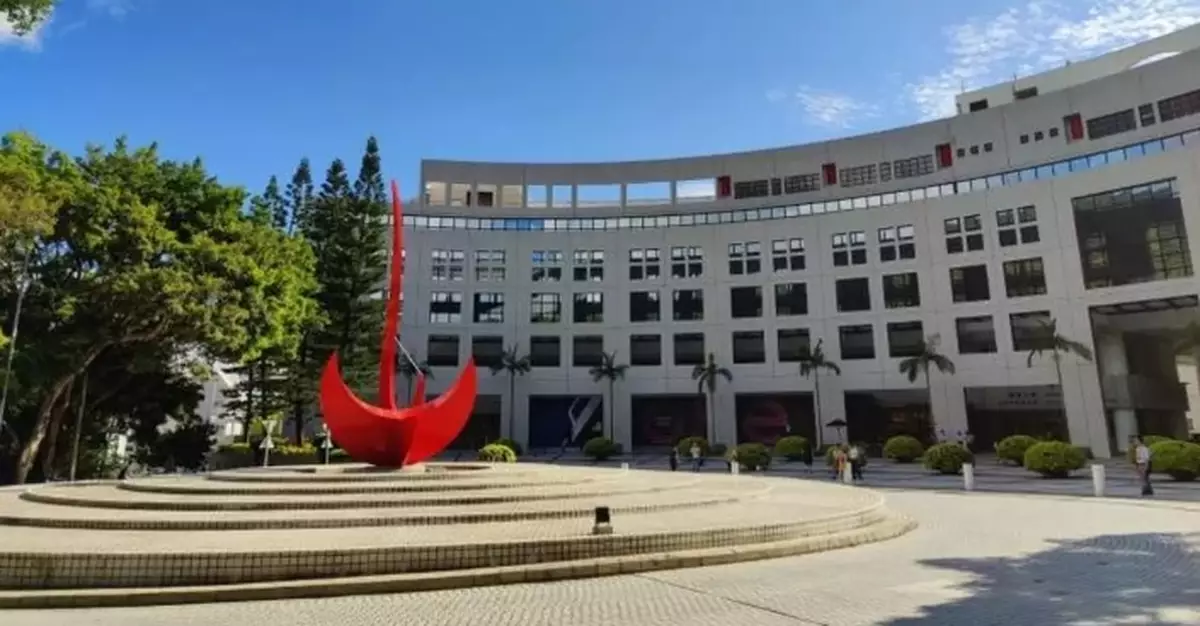
HKUST
Professor Fok also said on a radio program that, before the confirmation of HKUST's establishment of the new medical school, dozens of professors had expressed interest in joining the team of HKUST. He believed that more and more local and overseas professors would be willing to participate in the project. As for the current, some renowned medical professors from all over the world have reached out to them proactively, which has given the team great encouragement. Professor Fok emphasized that when they recruit talents, not only academic achievements would be valued, but also medical ethics and personal character.
As for the future teaching hospital, Professor Fok pointed out that the team's discussions are coming to an end, and he hoped the chosen teaching hospital would not be too far from the interim campus in Clear Water Bay. He said that the school would not compel the recruited non-local students to stay and serve in Hong Kong, nor did he think there was such a need. Since the students would study and live in Hong Kong for a long period, during which they will come into contact with local patients, the chances for them to stay and serve in Hong Kong will be quite high. Nevertheless, the school will still respect their personal interests and choices.
The Hong Kong University of Science and Technology (HKUST) hosted "Nobel Heroes@HKUST", a special forum featuring four Nobel Laureates who engaged in close interactions with over 400 students, faculty members, and public guests on January 13th. Held as highlight of HKUST's 35th anniversary celebrations, the event underscored the University's dedication to bridging world-renowned scholars with the local community and reinforcing its role as a leading hub for knowledge and talent development.
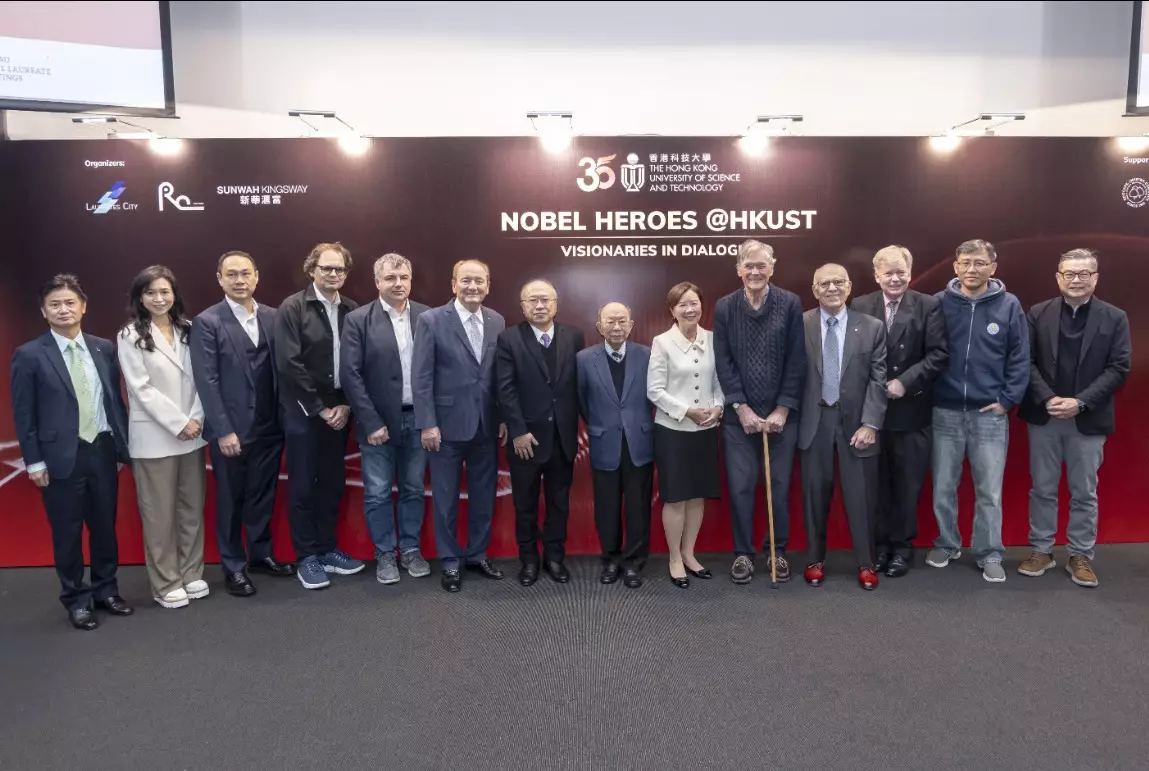
A group photo of the four Nobel Laureates Prof. Tim HUNT (fifth right), Prof. Louis J. IGNARRO (forth right), Prof. Robert C. MERTON (sixth left), Prof. Konstantin NOVOSELOV (fifth left), HKUST President Prof. Nancy IP (sixth right), HKUST senior management and our esteemed guests. Photo source: HKUST
The Nobel Laureates—honored in Physiology or Medicine, Economic Sciences, Chemistry, and Physics—shared their personal research journeys and insights into the boundless world of scientific discovery. Moderated by HKUST Council Member and Adjunct Professor of the Department of Management, Prof. Poman LO, the forum included vibrant Q&A sessions that explored pressing global challenges and the future of innovation. The distinguish Nobel Laureates were:
Prof. Tim HUNT (Nobel Prize in Physiology or Medicine 2001), recognized for discoveries of key regulators of the cell cycle;
Prof. Louis J. IGNARRO (Nobel Prize in Physiology or Medicine 1998), honored for revealing the role of nitric oxide as a signalling molecule in the cardiovascular system;
Prof. Robert C. MERTON (Nobel Prize in Economic Sciences 1997), acclaimed for developing a new method to determine the value of derivatives
Prof. Konstantin NOVOSELOV (Nobel Prize in Physics 2010), distinguished for groundbreaking experiments on the two-dimensional material graphene.
Prof. Hunt shared the journey of his team's discovery of the cell cycle regulator, noting that it was initially deemed "theoretically impossible" by the academic community. However, through years of persistent research and repeated verification, they ultimately succeeded in confirming the existence and function of this factor. He emphasized that researchers should focus on exploring fundamental scientific questions with significant impact, rather than being constrained by their immediate practical applications.
Prof. Ignarro recalled how an accidental observation of a postdoctoral researcher's cigarette smoke inspired him to reveal the property of nitric oxide in dilating arteries. He emphasized the importance of curiosity in scientific research and encouraged researchers to embrace innovative thinking and forge their own paths. He also encouraged young researchers to uphold a never-give-up spirit. Drawing on his personal experiences in sports such as baseball, he stressed that the key to success lies in “playing to win,” not merely seeking enjoyment.
Prof. Merton inspired the audience with an analogy from the investment world: risk and return are inseparable—the greater the risk undertaken, the higher the potential return. He emphasized that to pursue more promising opportunities, one must be prepared to accept a corresponding increase in uncertainty.
Prof. Novoselov pointed out that research work should be grounded in genuine passion and curiosity, rather than chasing fleeting trends that lack long-term value. He advised researchers to choose fields that can consistently ignite their enthusiasm for inquiry, avoiding the pitfall of giving up midway due to a mere whim.
HKUST President Prof. Nancy IP extended her heartfelt gratitude to the distinguished Nobel Laureates and the Lindau Nobel Laureate Meetings for this exceptional partnership, which meaningfully coincides with HKUST's 35th‑anniversary celebrations. She remarked, "Education is not a one-way transmission of facts; it is a vibrant dialogue that stretches the imagination and reshapes assumptions. Today's dialogue is not just an opportunity to meet these esteemed scientists; it is a chance to engage with the very essence of scientific inquiry and discovery. The journeys of our Nobel Laureates exemplify the spirit of curiosity, creativity, innovation, and resilience that we strive to nurture at HKUST. Their achievements demonstrate that science knows no boundaries and that collaboration across disciplines and borders is essential for addressing the challenges we face."
Co-organized by HKUST, Laureates City Holdings Limited, Red Carpet Investments Limited, and Sunwah Kingsway Capital Holdings Limited, and proudly supported by the Lindau Nobel Laureate Meetings, this event underscores Hong Kong's growing stature as a global hub for innovation, technology, and academic exchange.
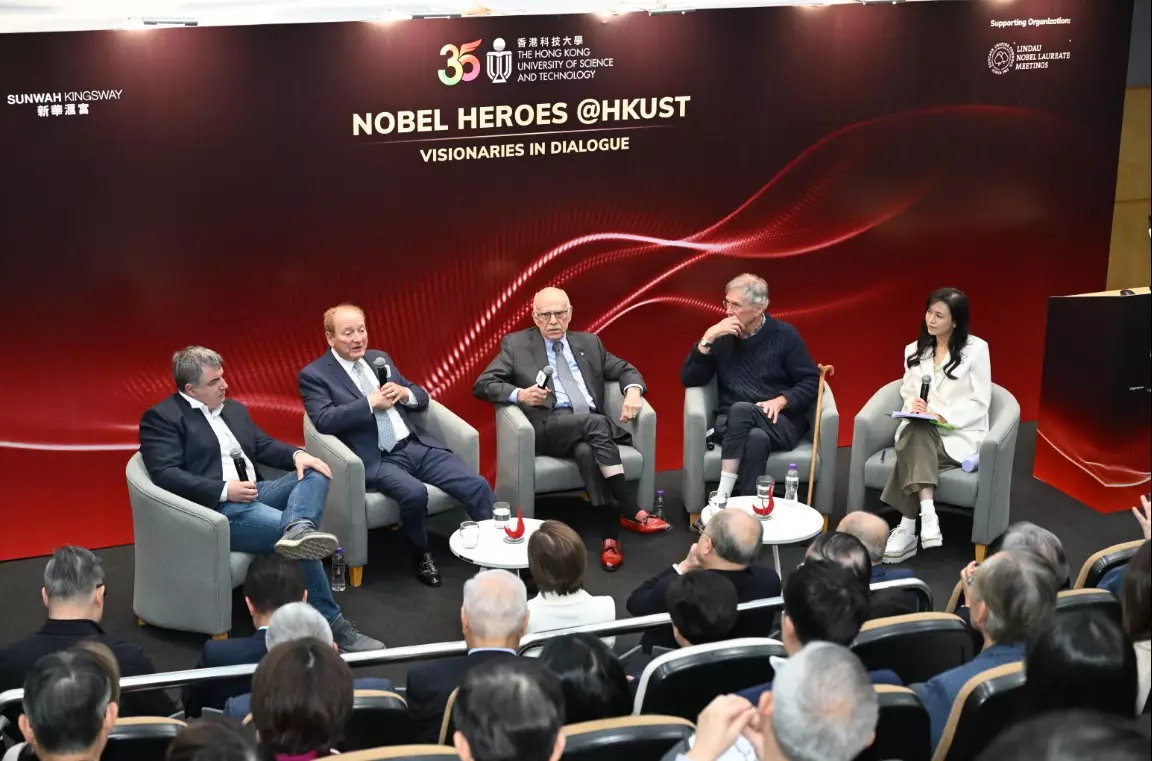
Moderated by HKUST Council Member and Adjunct Professor of the Department of Management, Prof. Poman LO (first right), the Nobel laureates engage in an interactive Q&A session with participants. Photo source: HKUST