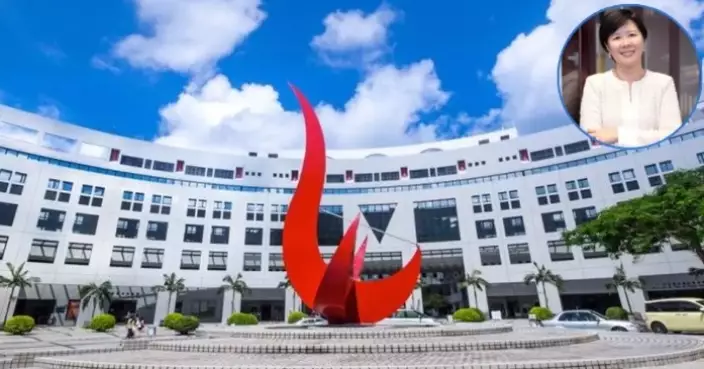
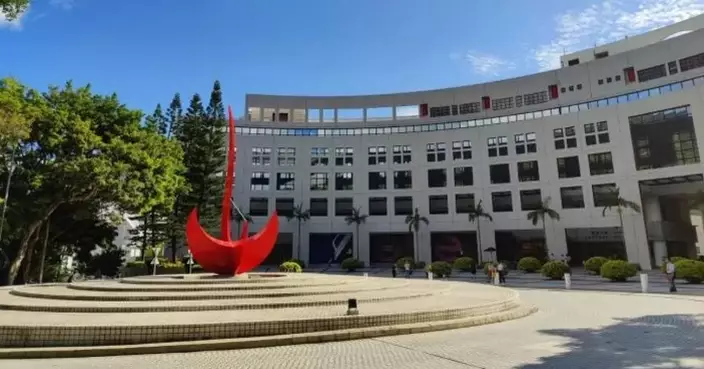
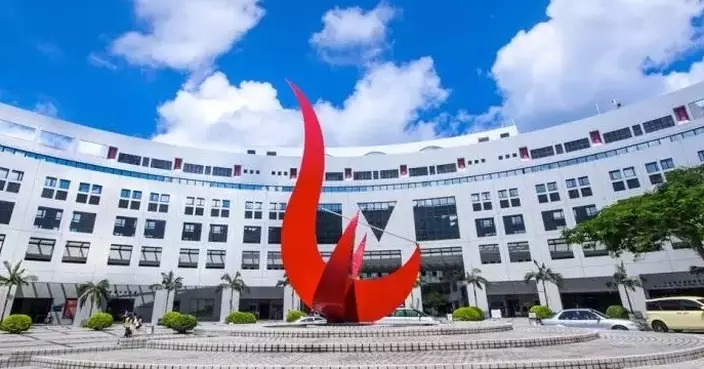
The government has announced that the third medical school in Hong Kong will be established by HKUST, saying that HKUST will provide part of the funds for the new medical school through its own resources, including donations, etc., to coordinate with the policy of funding the school establishment in a matching form raised in The Budget. The government will also reserve resources to support the development of the new medical school and provide funding from the University Grants Committee to support the enrollment of students and the school's operation.
Dr Choi Yuk-lin, the Secretary for Education, said that the new medical school will be established in Ngau Tam Mei of Northern Metropolis, enjoying a strategic geographical advantage. Its location will be conducive to carrying out outstanding academic research, promoting collaborative efforts in the Greater Bay Area and other regions, and attracting more students and scholars from home and abroad to study or conduct research in Hong Kong.
When asked about the proportion of non-locals among the 50 students admitted in the first stage, Dr Choi said that the current quota for non-local students in funded universities is 50%. Considering medical education is a special human resources planning discipline, the admission of the new school will be monitored.
As for whether a residence period in Hong Kong will be set for the non-local students and whether the courses will require graduates to understand Cantonese as to communicate with patients, Dr Choi believed that HKUST will take the factor of language into consideration for the course arrangement. In her opinion, after the non-local students come to Hong Kong, they will understand that their main aim is to serve the local medical system and contribute to the medical innovation in Hong Kong.
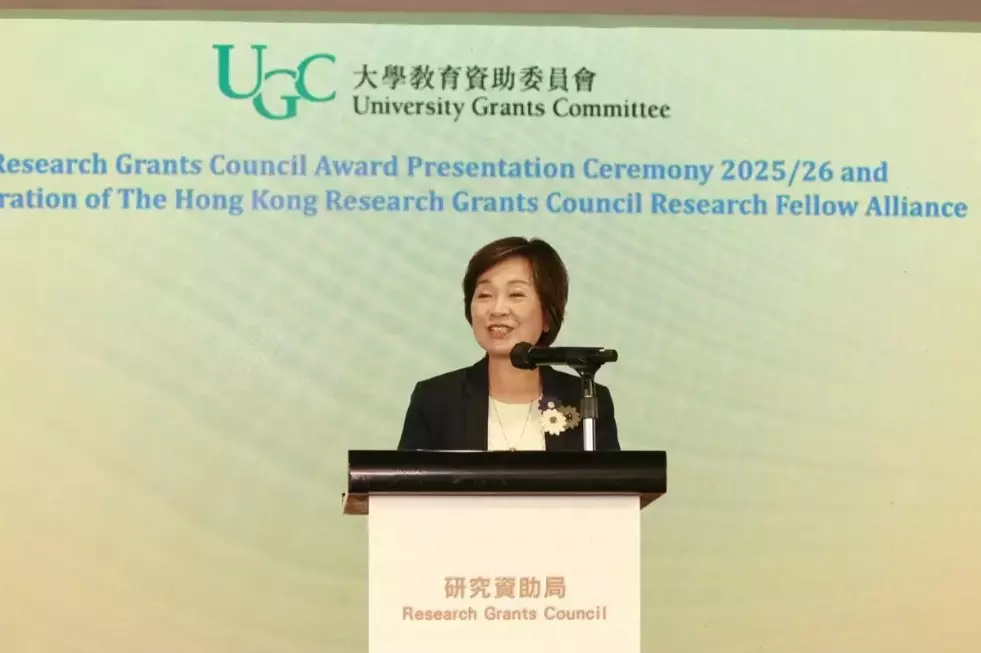
Dr Choi Yuk-lin, the Secretary for Education, Photo source: reference image
Professor Lo Chung-mau, the Secretary for Health, said that doctors need to have communication skills when facing patients. Since Hong Kong is an international city, the medical personnel are expected to be proficient in Cantonese, English, and Mandarin. At present, the two existing medical schools both have language requirements for student enrollment. When it comes to the third medical school, the school also needs to set some requirements for admission and arrange some courses focusing on the development of language communication skills.
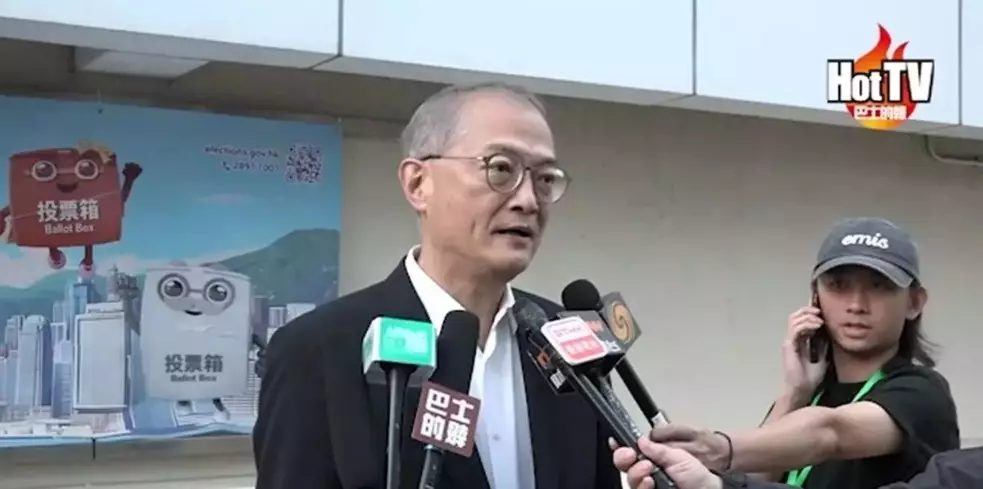
Professor Lo Chung-mau, the Secretary for Health, Photo source: reference image
Professor Lo claimed that the establishment of the third medical school is hoped to bring about healthy competition rather than a vicious one. The strategic positioning of the new medical school will combine medical services and scientific research, aiming to cultivate scientists in the field of medicine. The school will admit students through "second degree" programs, which will help to expand the scope of talent recruitment, such as attracting "first degree" undergraduate graduates from the world's most renowned universities, especially those with a background in biomedicine education.
He also said that although HKUST doesn't offer medical-related education currently, the university still has many strengths in life sciences, artificial intelligence, big data, etc. He hoped that the university could apply such advantages to clinical biomedical sciences in the future.
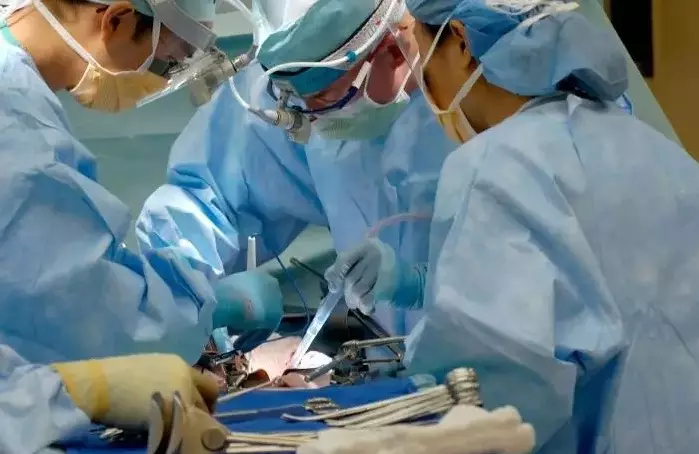
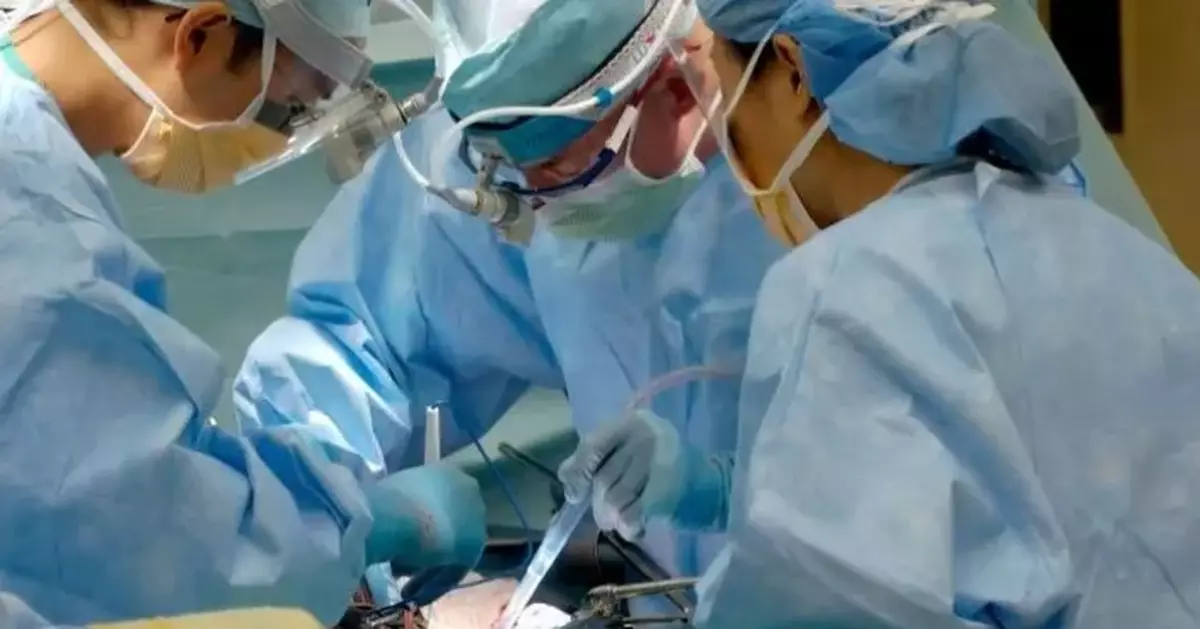
The new medical school aims to cultivate scientists in the field of medicine, Photo source: reference image
The joint interview delegation themed “Leveraging New Advantages to Align with the 15th Five-Year Plan” visited the Macao-Hengqin International Education (University) Town and the Zhuhai M.U.S.T. Science and Technology Research Institute on August 27, experiencing the integrated development of education, science and technology, and talent between Macao and Hengqin.
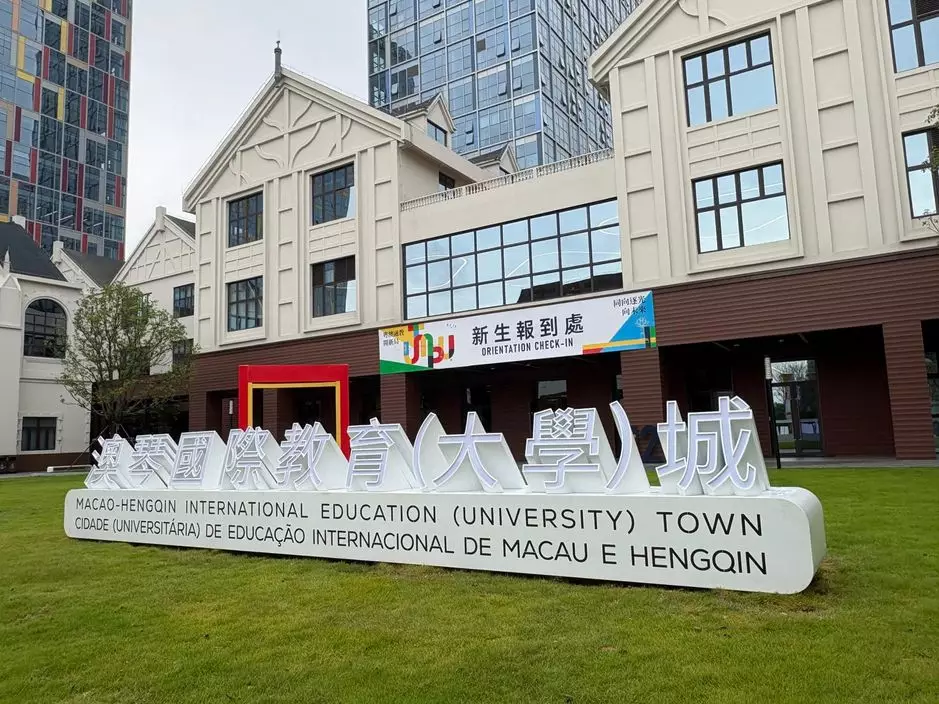
The Macao-Hengqin International Education (University) Town, Photo by Bastille Post
The National 15th Five-Year Plan states that the construction of the Macao-Hengqin International Education (University) Town should be promoted, and support should be given to Macao higher education institutions to extend their campuses in Hengqin. The University Town is being constructed in three phases. The first phase was put into use in August this year, and currently three public universities — the University of Macau, Macao Polytechnic University, and Macao University of Tourism — have moved in, with more than 1,400 students.
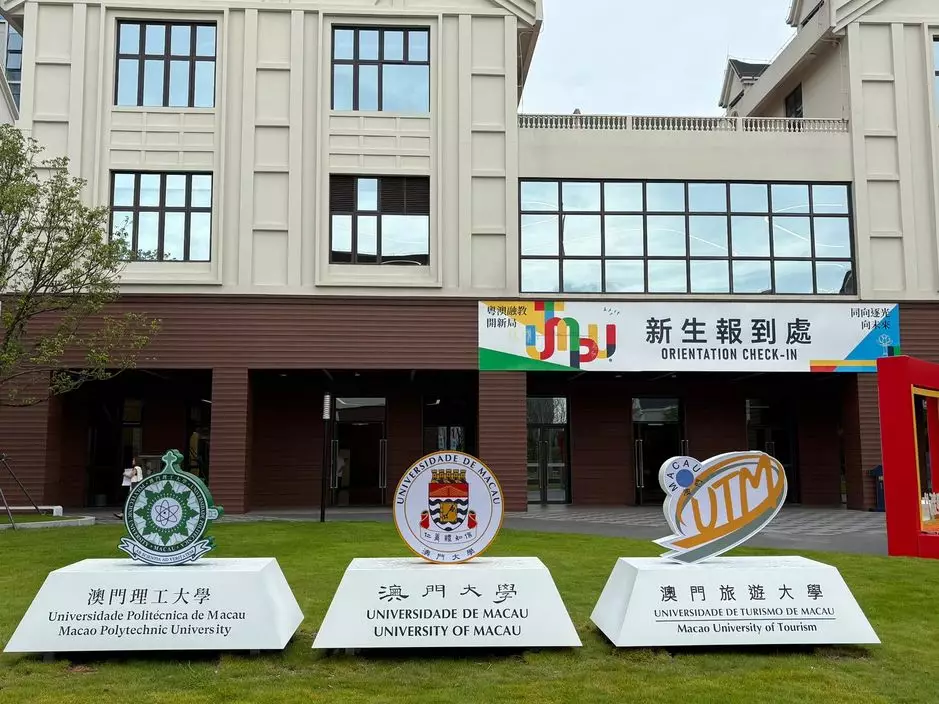
The first phase of the University Town was put into use in August this year, and currently three public universities — the University of Macau, Macao Polytechnic University, and Macao University of Tourism — have moved in, with more than 1,400 students. Photo by Bastille Post
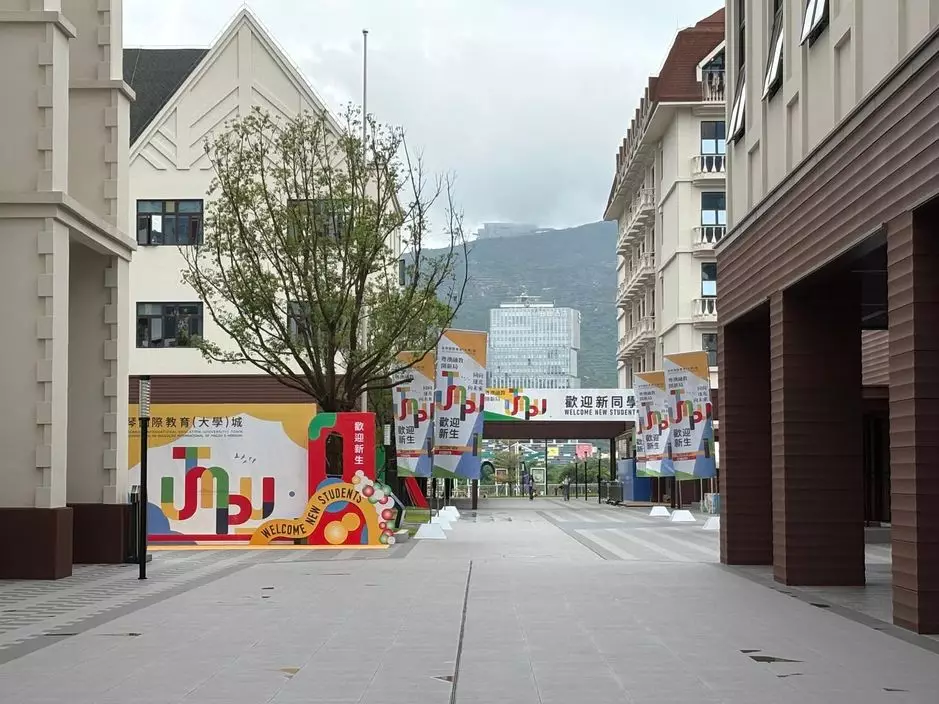
The Macao-Hengqin International Education (University) Town, Photo by Bastille Post
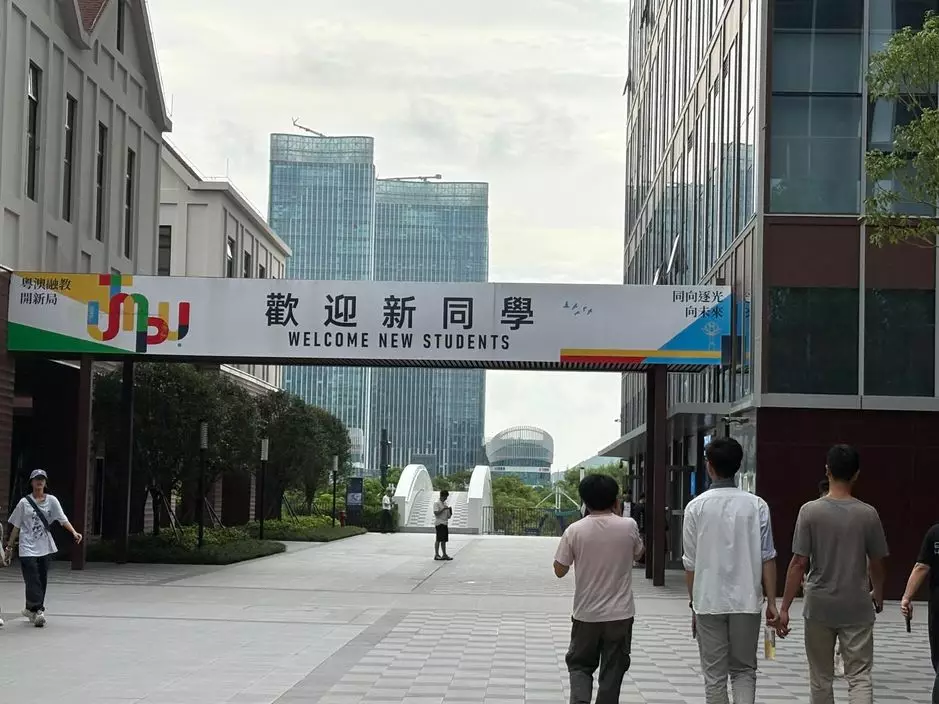
The Macao-Hengqin International Education (University) Town, Photo by Bastille Post
Macao Closely Monitoring the Northern Metropolis University Town Construction
Kong Chi Meng, Director of the Education and Youth Development Bureau of Macao, revealed that the first to third phases of the University Town construction will progressively cover more higher education institutions. The second phase, expected to be fully completed in 2029, will be led by the University of Macau; the third phase campus will be fully completed in 2030, led by Macao University of Tourism and Macao Polytechnic University.
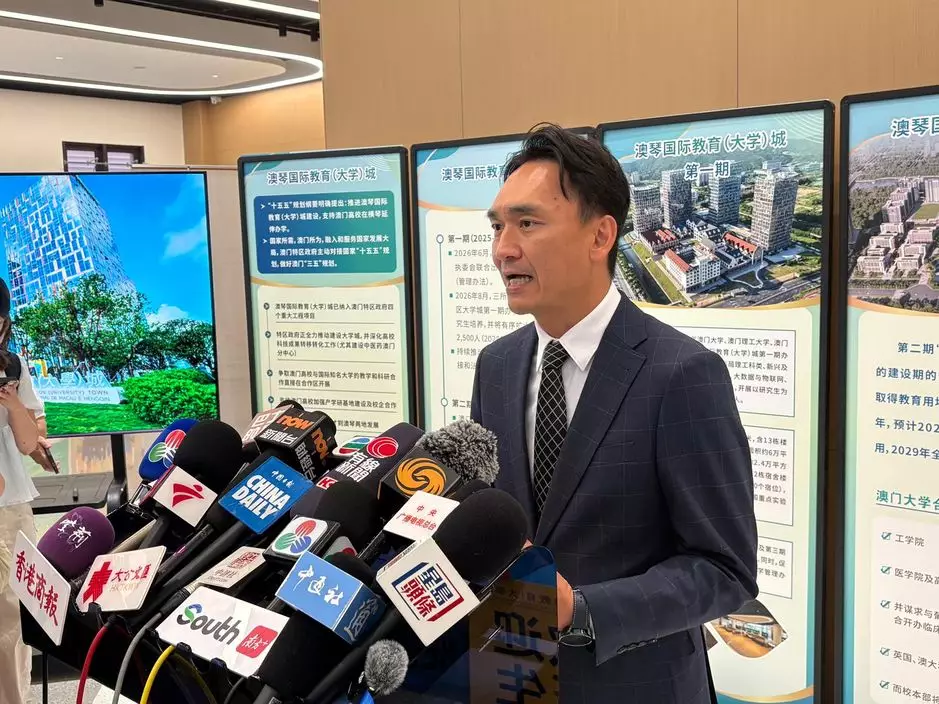
Kong Chi Meng, Director of the Education and Youth Development Bureau of Macao, Photo by Bastille Post
The University Town will continue the existing internationalised education system of Macao’s higher education institutions, with network access conditions consistent with Macao, achieving a “soft connectivity” demonstration. Faculty and students will also be able to move freely within the cooperation zone, and a unified academic system will be adopted.
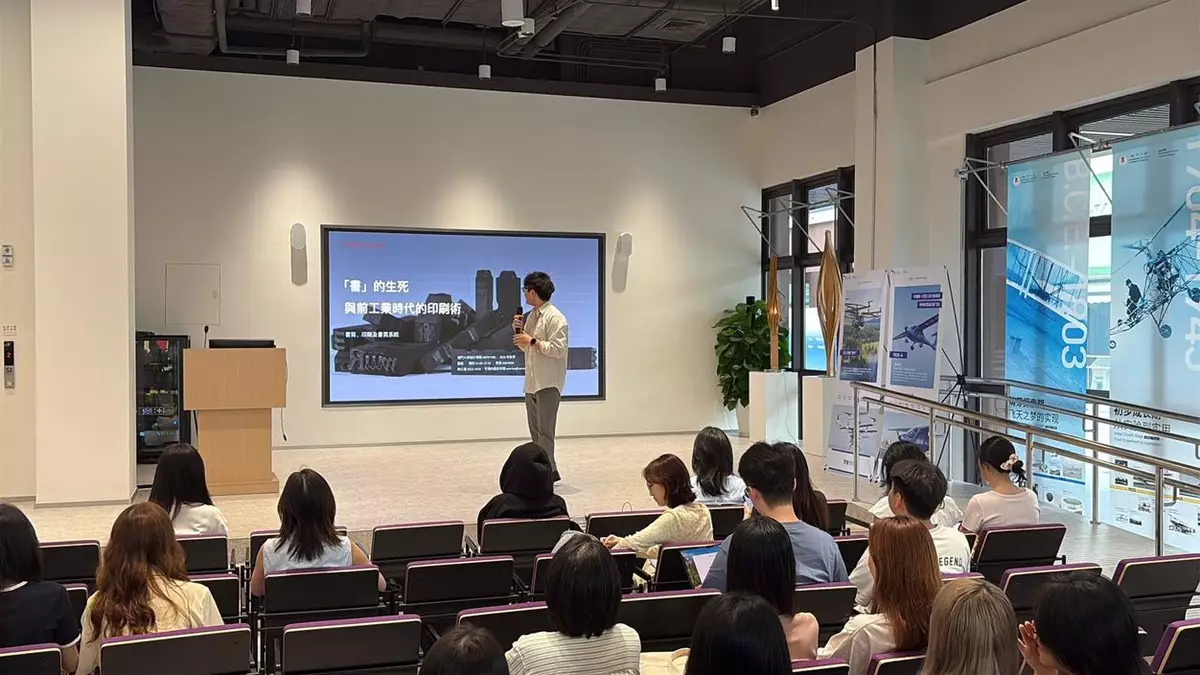
The Macao-Hengqin International Education (University) Town, Photo by Bastille Post
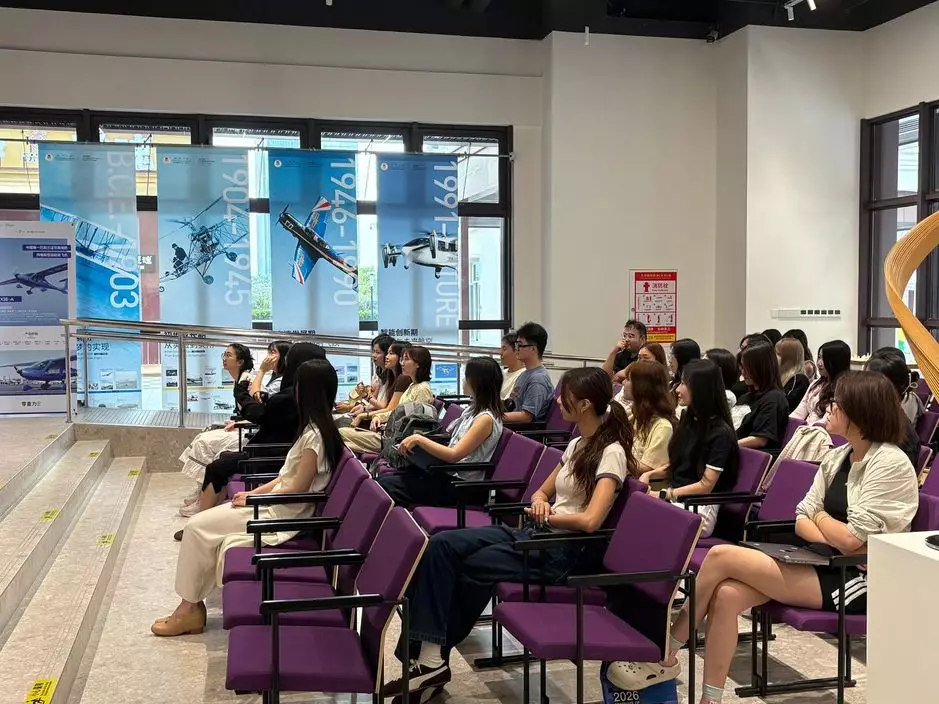
The Macao-Hengqin International Education (University) Town, Photo by Bastille Post
Since the HKSAR Government is also preparing for the construction of the Northern Metropolis University Town, Kong Chi Meng said he believes the two university towns each have their own advantages, and the Guangdong-Hong Kong-Macao University Alliance has also carried out multiple joint research projects and seminars, providing a good foundation for cooperation between the two. The Northern Metropolis University Town is still in the planning stage, and Macao is closely monitoring the situation and is willing to share its experience with Hong Kong.
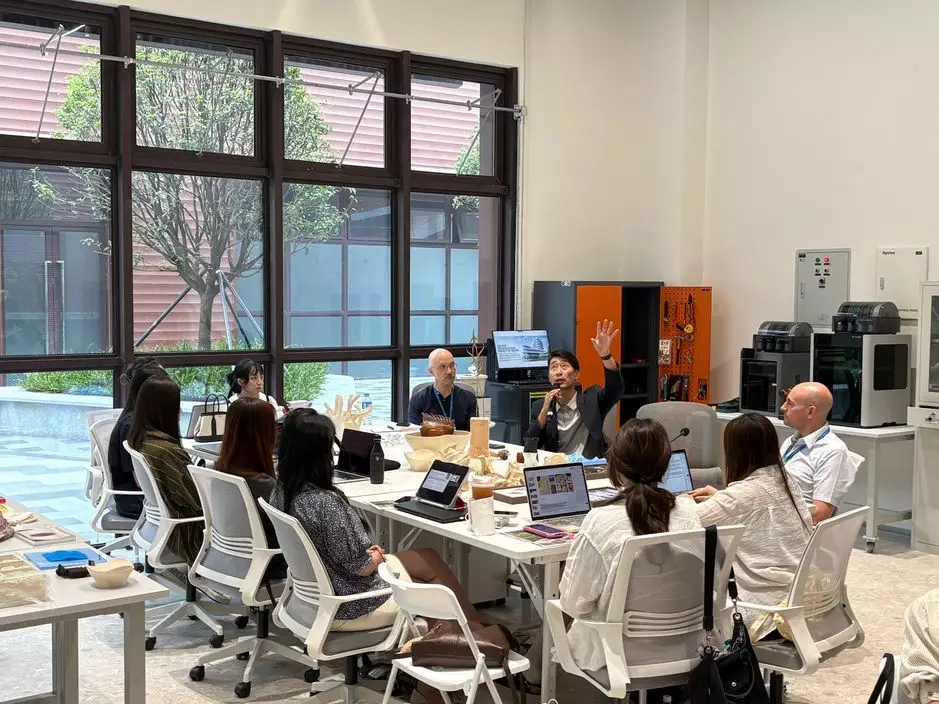
The Macao-Hengqin International Education (University) Town, Photo by Bastille Post
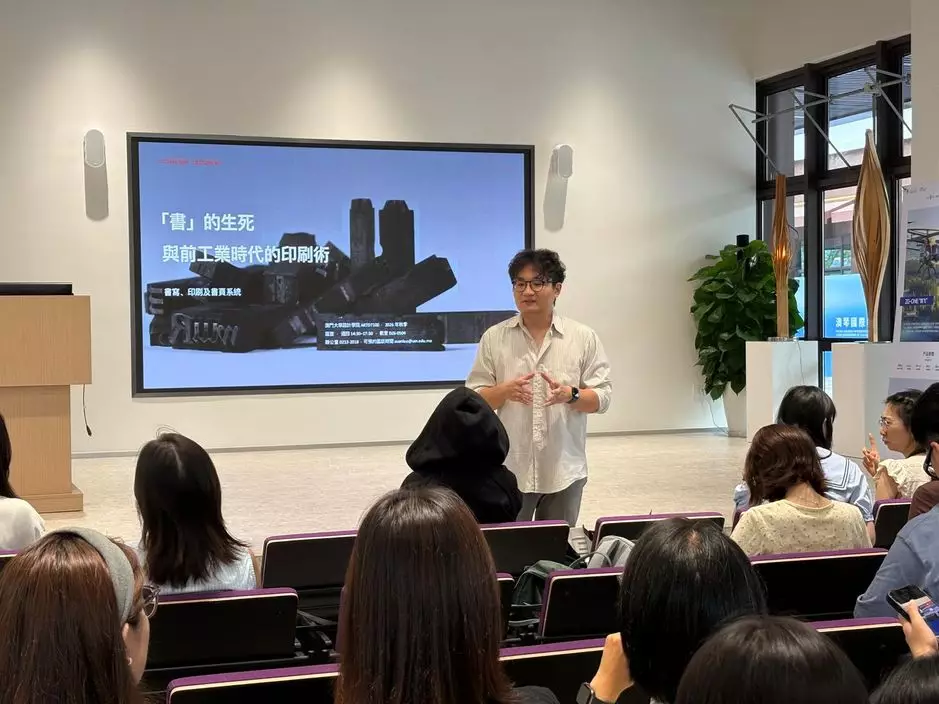
The Macao-Hengqin International Education (University) Town, Photo by Bastille Post
“A Classroom for Macao Higher Education Institutions in Hengqin”
Sun Lin, Deputy Director of the Talent Development and Social Security Bureau of the Guangdong-Macao In-Depth Cooperation Zone in Hengqin, said that the University Town operates under the state-approved "Extended Schooling" Policy, and the extended education units are not branch campuses or campuses, but rather “a classroom for Macao higher education institutions in Hengqin.” The majors offered at the University Town campus are all in fields that the three universities have not previously offered in Macao, such as medicine, artificial intelligence, and robotics manufacturing.
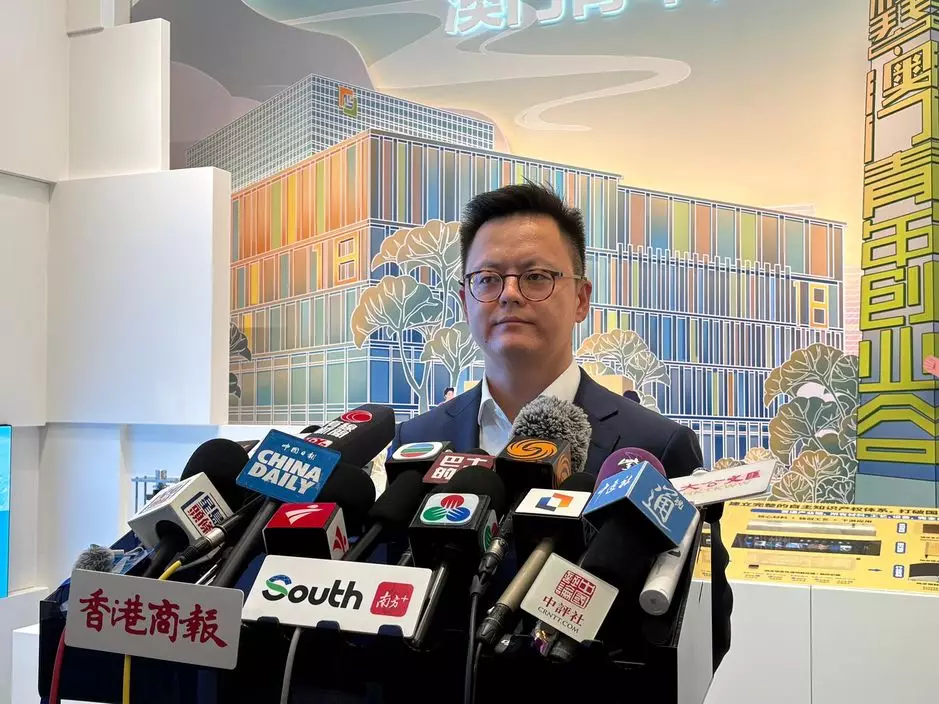
Sun Lin, Deputy Director of the Talent Development and Social Security Bureau of the Guangdong-Macao In-Depth Cooperation Zone in Hengqin, Photo by Bastille Post
In the new semester, students at the University Town campus can already take courses across universities, and in the next academic year, the three universities will each offer some “micro-major” courses for students to select and take across schools, with credits counted simultaneously.
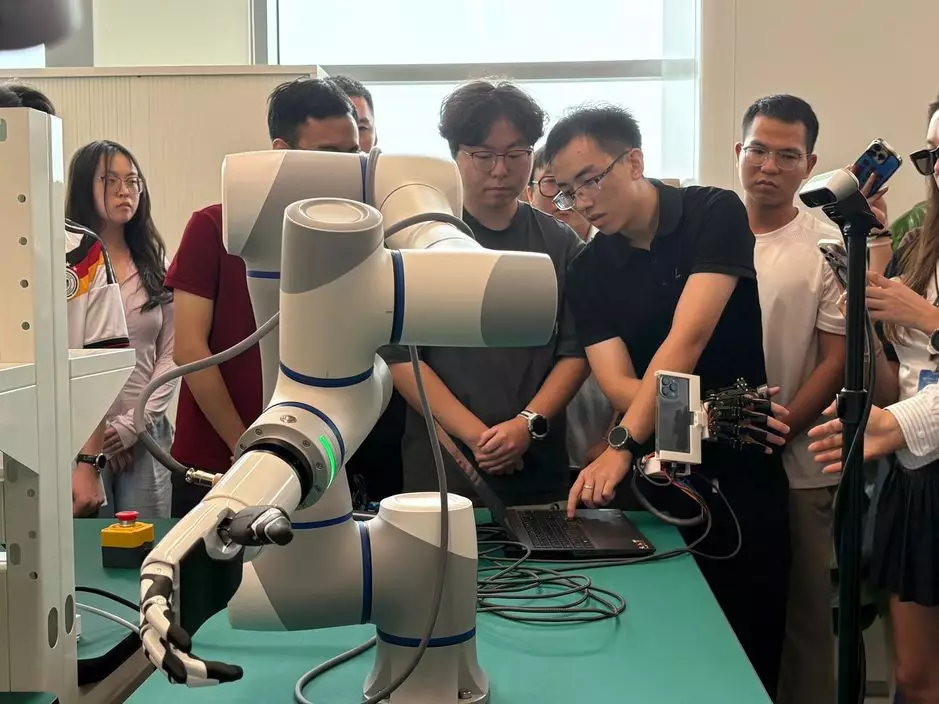
The mechanical engineering laboratory at the University Town, Photo by Bastille Post
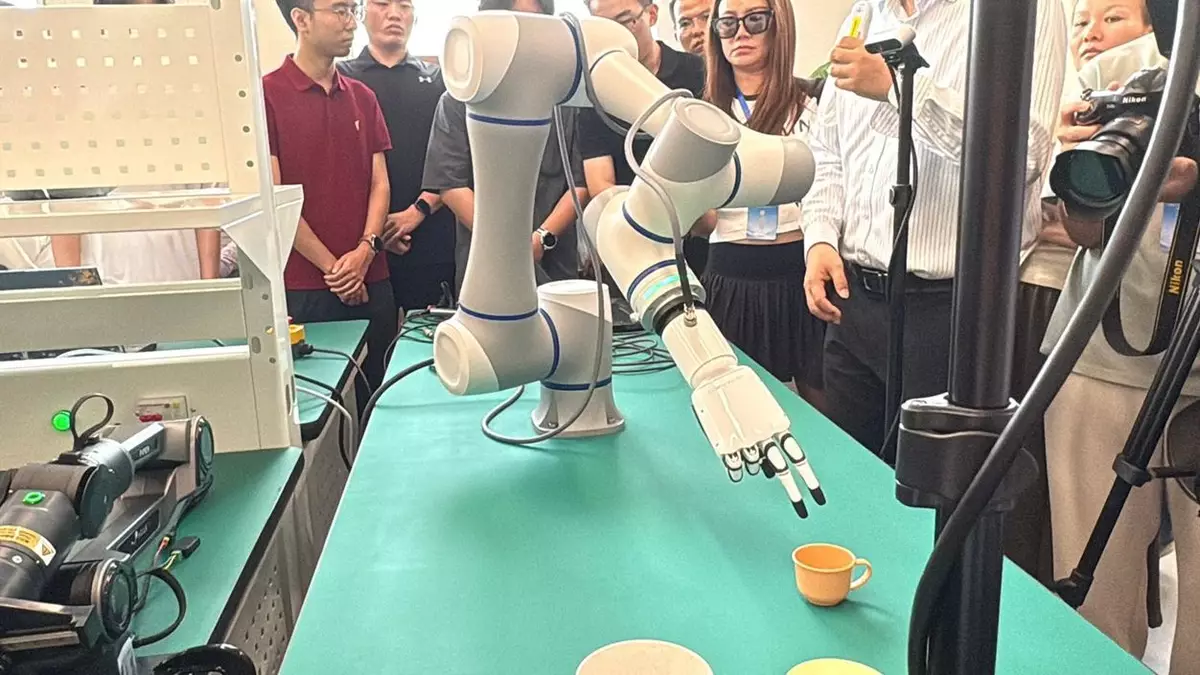
The mechanical engineering laboratory at the University Town, Photo by Bastille Post
Pan Yong, a PhD student in Electromechanical Engineering at the University of Macau, said that being in Hengqin, many start-ups have formed partnerships with the university, allowing students to personally understand the entire process from robot production to equipment manufacturing. “This is very helpful for our progress. Although we are in school, we are not disconnected from the industry — this is our advantage.”
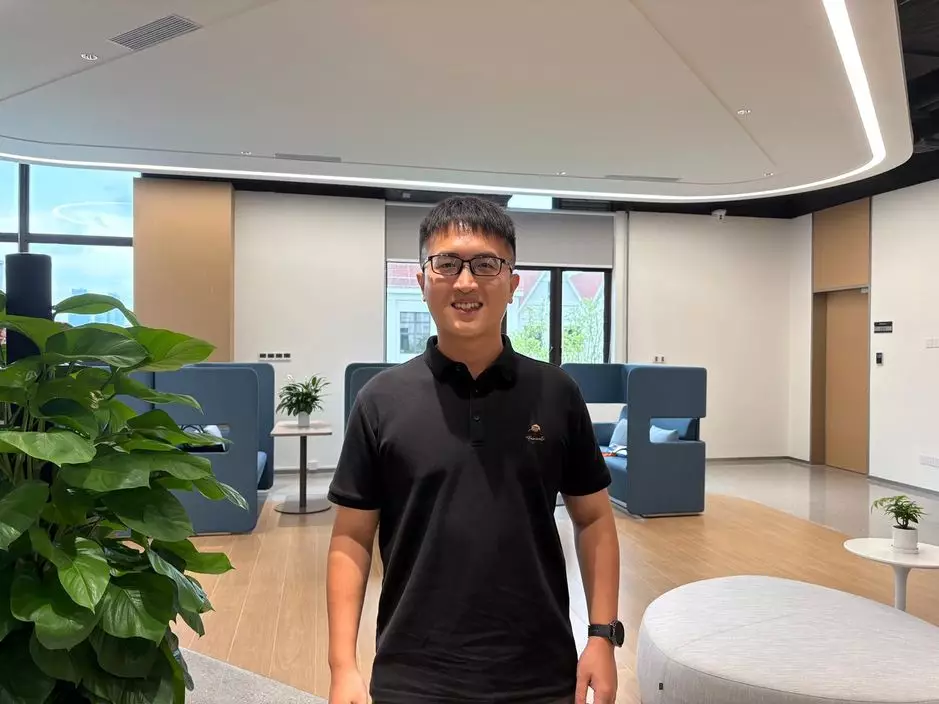
Pan Yong, a PhD student in Electromechanical Engineering at the University of Macau, Photo by Bastille Post
HK's Multiple Advantages in Science and Technology Innovation
The delegation then visited the Laboratory of Intelligent Micro-Display and Advanced Light Sources at the Zhuhai M.U.S.T. Science and Technology Research Institute in Hengqin. The laboratory focuses on the manufacturing of organic light-emitting diode (OLED) devices, dedicated to OLED device production and development.
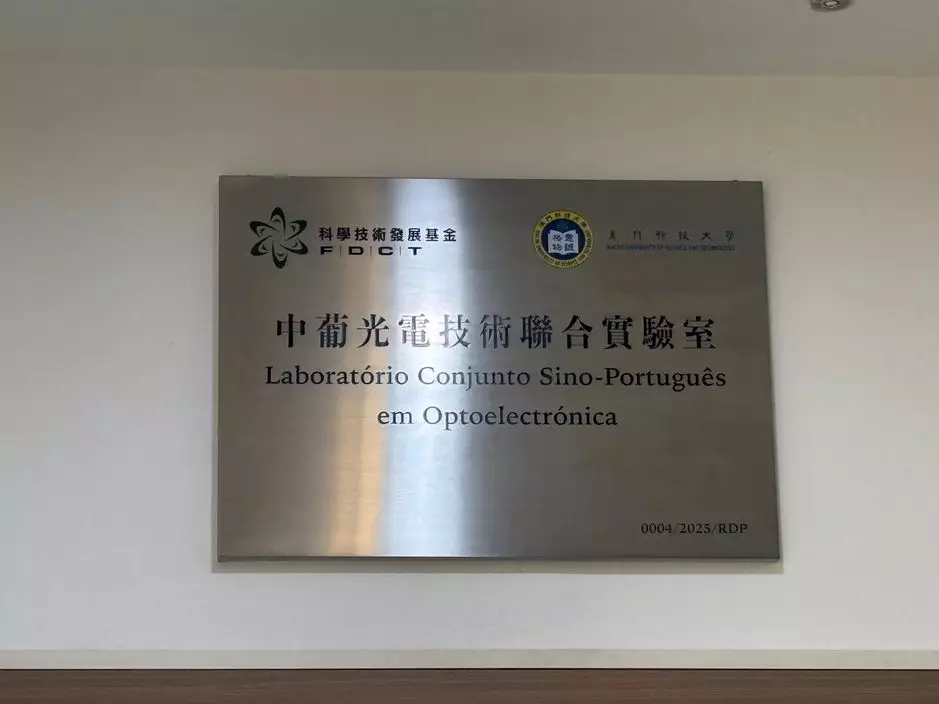
The Laboratory of Intelligent Micro-Display and Advanced Light Sources at the Zhuhai M.U.S.T. Science and Technology Research Institute in Hengqin, Photo by Bastille Post
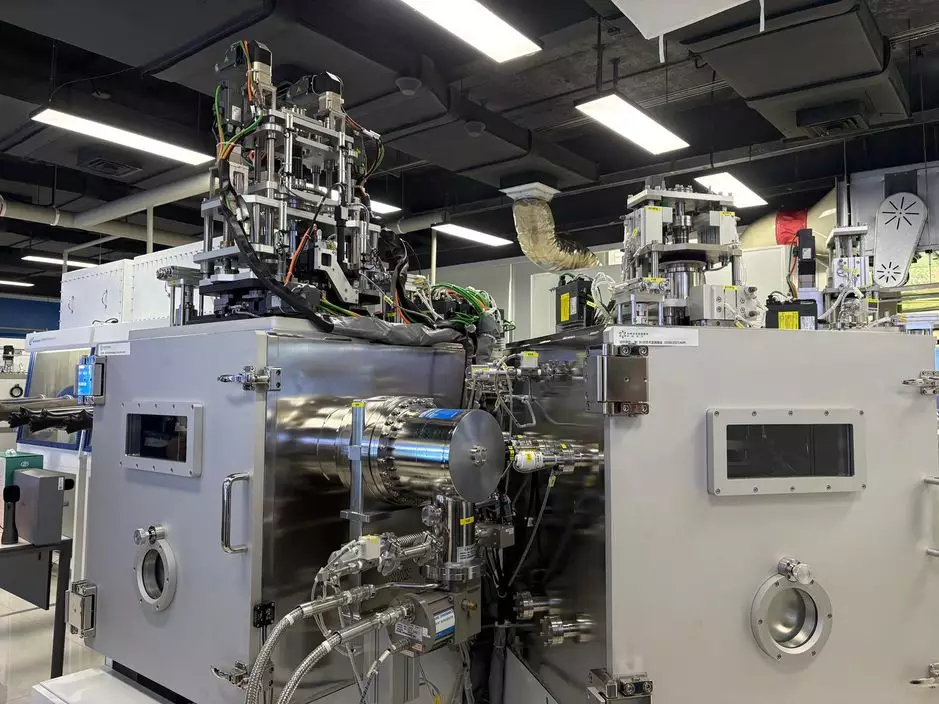
The Laboratory of Intelligent Micro-Display and Advanced Light Sources at the Zhuhai M.U.S.T. Science and Technology Research Institute in Hengqin, Photo by Bastille Post
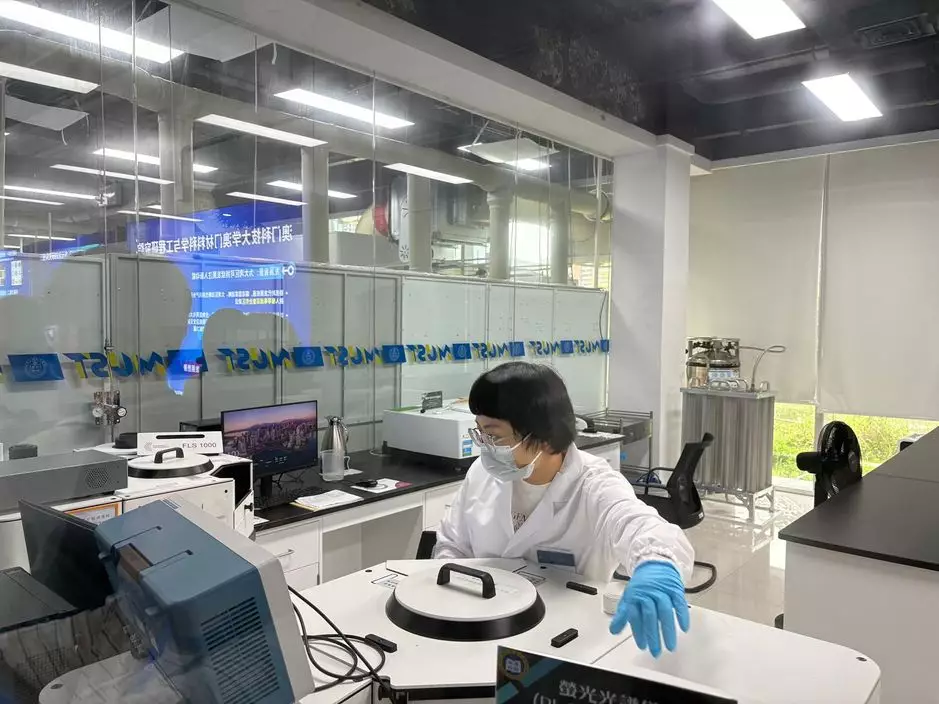
The Laboratory of Intelligent Micro-Display and Advanced Light Sources at the Zhuhai M.U.S.T. Science and Technology Research Institute in Hengqin, Photo by Bastille Post
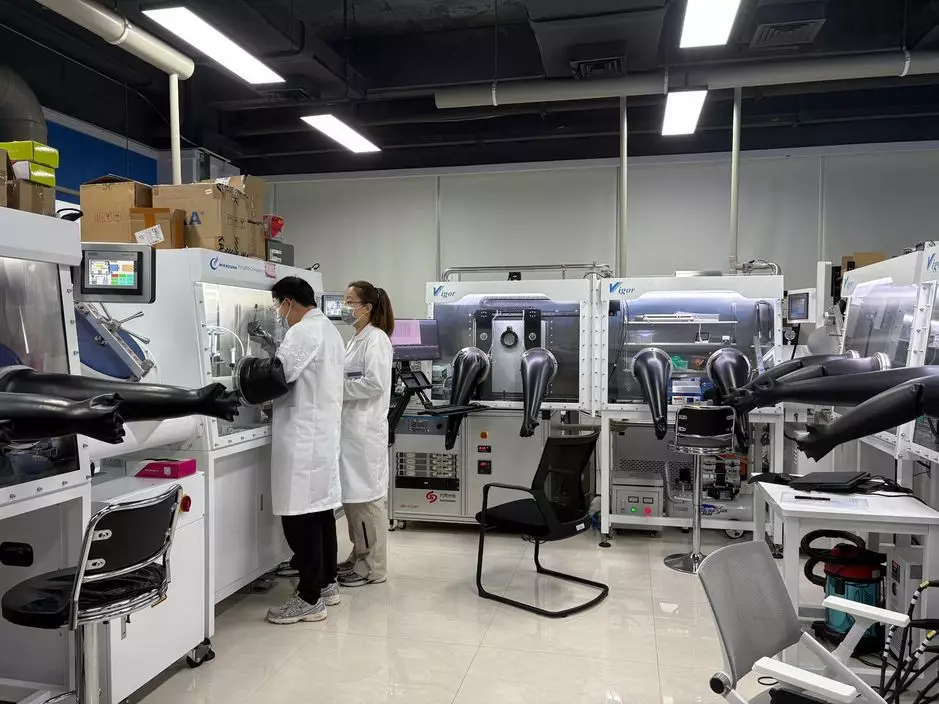
The Laboratory of Intelligent Micro-Display and Advanced Light Sources at the Zhuhai M.U.S.T. Science and Technology Research Institute in Hengqin, Photo by Bastille Post
Lee Shuit-Tong, Dean of the Macao Institute of Materials Science and Engineering at Macau University of Science and Technology and Academician of the Chinese Academy of Sciences, said that China's scientific and technological development has shifted from “catching up” to “surpassing,” providing a broad stage for young people from Hong Kong and Macao.
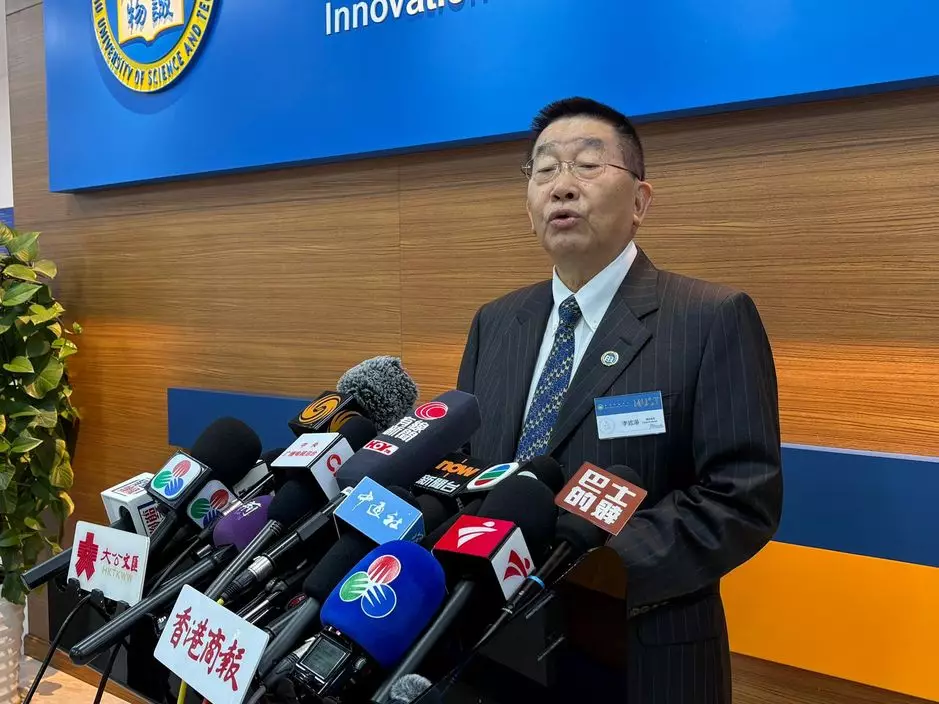
Lee Shuit-Tong, Dean of the Macao Institute of Materials Science and Engineering at Macau University of Science and Technology and Academician of the Chinese Academy of Sciences, Photo by Bastille Post
In response to a question from Bastille Post, Lee Shuit-Tong pointed out that Hong Kong has many advantages in the development of science and technology innovation, such as its geographical location, international environment, and talent attraction. Macao and Hengqin can also absorb Hong Kong’s successful experience and avoid the unsuccessful aspects.
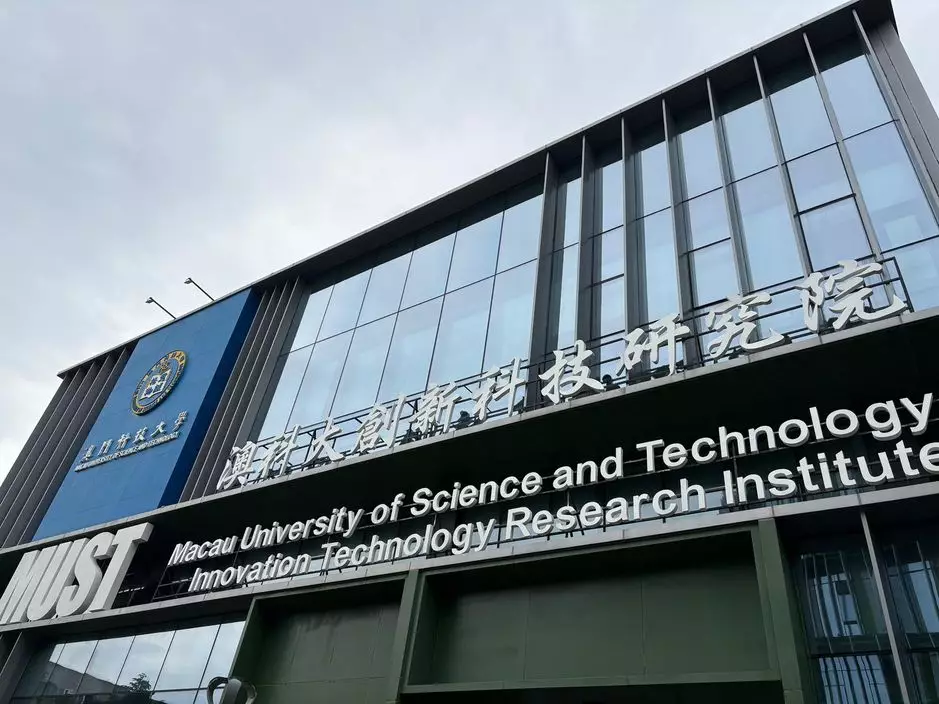
The Zhuhai M.U.S.T. Science and Technology Research Institute in Hengqin, Photo by Bastille Post