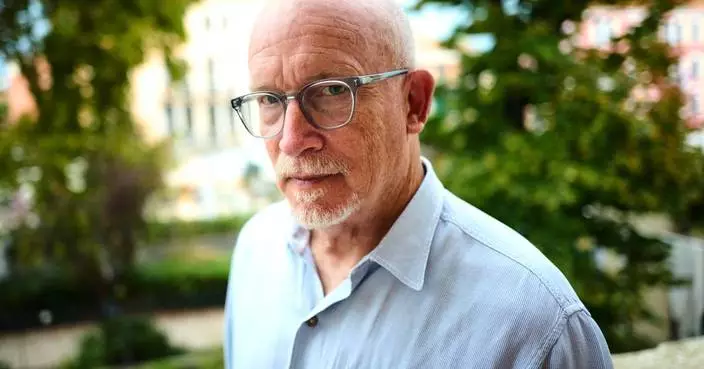
The Hong Kong University of Science and Technology (HKUST) hosted "Nobel Heroes@HKUST", a special forum featuring four Nobel Laureates who engaged in close interactions with over 400 students, faculty members, and public guests on January 13th. Held as highlight of HKUST's 35th anniversary celebrations, the event underscored the University's dedication to bridging world-renowned scholars with the local community and reinforcing its role as a leading hub for knowledge and talent development.
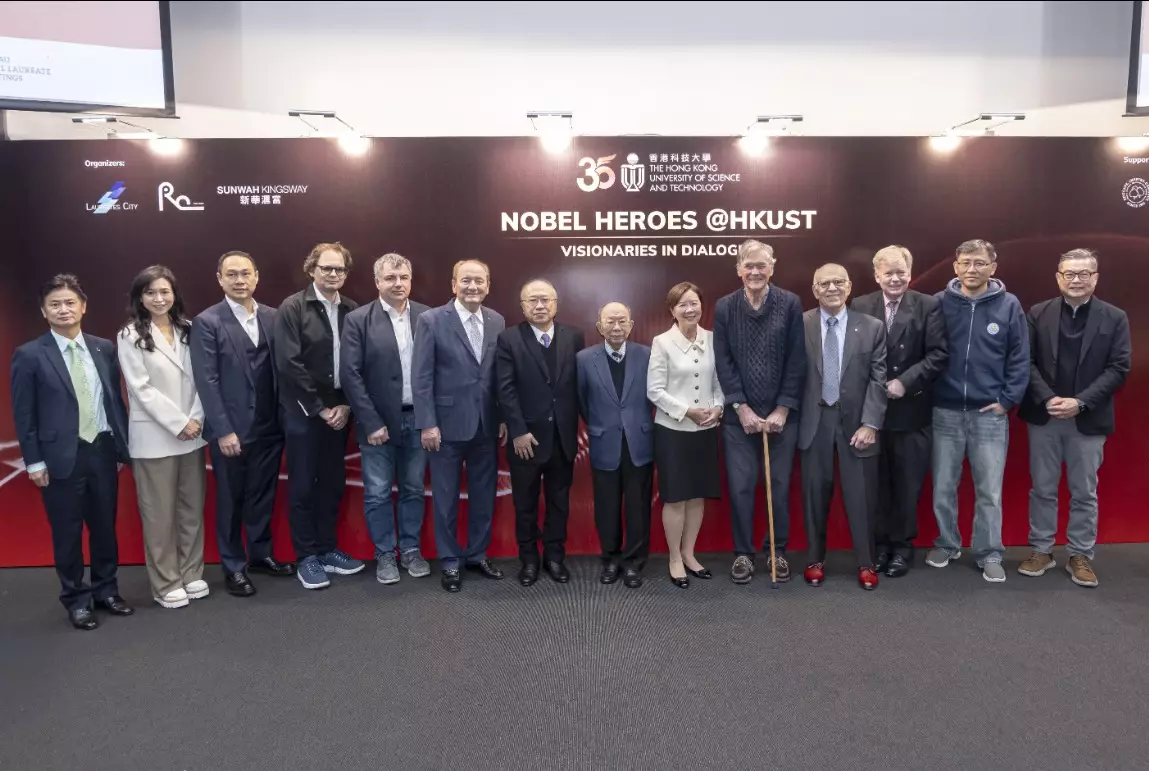
A group photo of the four Nobel Laureates Prof. Tim HUNT (fifth right), Prof. Louis J. IGNARRO (forth right), Prof. Robert C. MERTON (sixth left), Prof. Konstantin NOVOSELOV (fifth left), HKUST President Prof. Nancy IP (sixth right), HKUST senior management and our esteemed guests. Photo source: HKUST
The Nobel Laureates—honored in Physiology or Medicine, Economic Sciences, Chemistry, and Physics—shared their personal research journeys and insights into the boundless world of scientific discovery. Moderated by HKUST Council Member and Adjunct Professor of the Department of Management, Prof. Poman LO, the forum included vibrant Q&A sessions that explored pressing global challenges and the future of innovation. The distinguish Nobel Laureates were:
Prof. Tim HUNT (Nobel Prize in Physiology or Medicine 2001), recognized for discoveries of key regulators of the cell cycle;
Prof. Louis J. IGNARRO (Nobel Prize in Physiology or Medicine 1998), honored for revealing the role of nitric oxide as a signalling molecule in the cardiovascular system;
Prof. Robert C. MERTON (Nobel Prize in Economic Sciences 1997), acclaimed for developing a new method to determine the value of derivatives
Prof. Konstantin NOVOSELOV (Nobel Prize in Physics 2010), distinguished for groundbreaking experiments on the two-dimensional material graphene.
Prof. Hunt shared the journey of his team's discovery of the cell cycle regulator, noting that it was initially deemed "theoretically impossible" by the academic community. However, through years of persistent research and repeated verification, they ultimately succeeded in confirming the existence and function of this factor. He emphasized that researchers should focus on exploring fundamental scientific questions with significant impact, rather than being constrained by their immediate practical applications.
Prof. Ignarro recalled how an accidental observation of a postdoctoral researcher's cigarette smoke inspired him to reveal the property of nitric oxide in dilating arteries. He emphasized the importance of curiosity in scientific research and encouraged researchers to embrace innovative thinking and forge their own paths. He also encouraged young researchers to uphold a never-give-up spirit. Drawing on his personal experiences in sports such as baseball, he stressed that the key to success lies in “playing to win,” not merely seeking enjoyment.
Prof. Merton inspired the audience with an analogy from the investment world: risk and return are inseparable—the greater the risk undertaken, the higher the potential return. He emphasized that to pursue more promising opportunities, one must be prepared to accept a corresponding increase in uncertainty.
Prof. Novoselov pointed out that research work should be grounded in genuine passion and curiosity, rather than chasing fleeting trends that lack long-term value. He advised researchers to choose fields that can consistently ignite their enthusiasm for inquiry, avoiding the pitfall of giving up midway due to a mere whim.
HKUST President Prof. Nancy IP extended her heartfelt gratitude to the distinguished Nobel Laureates and the Lindau Nobel Laureate Meetings for this exceptional partnership, which meaningfully coincides with HKUST's 35th‑anniversary celebrations. She remarked, "Education is not a one-way transmission of facts; it is a vibrant dialogue that stretches the imagination and reshapes assumptions. Today's dialogue is not just an opportunity to meet these esteemed scientists; it is a chance to engage with the very essence of scientific inquiry and discovery. The journeys of our Nobel Laureates exemplify the spirit of curiosity, creativity, innovation, and resilience that we strive to nurture at HKUST. Their achievements demonstrate that science knows no boundaries and that collaboration across disciplines and borders is essential for addressing the challenges we face."
Co-organized by HKUST, Laureates City Holdings Limited, Red Carpet Investments Limited, and Sunwah Kingsway Capital Holdings Limited, and proudly supported by the Lindau Nobel Laureate Meetings, this event underscores Hong Kong's growing stature as a global hub for innovation, technology, and academic exchange.
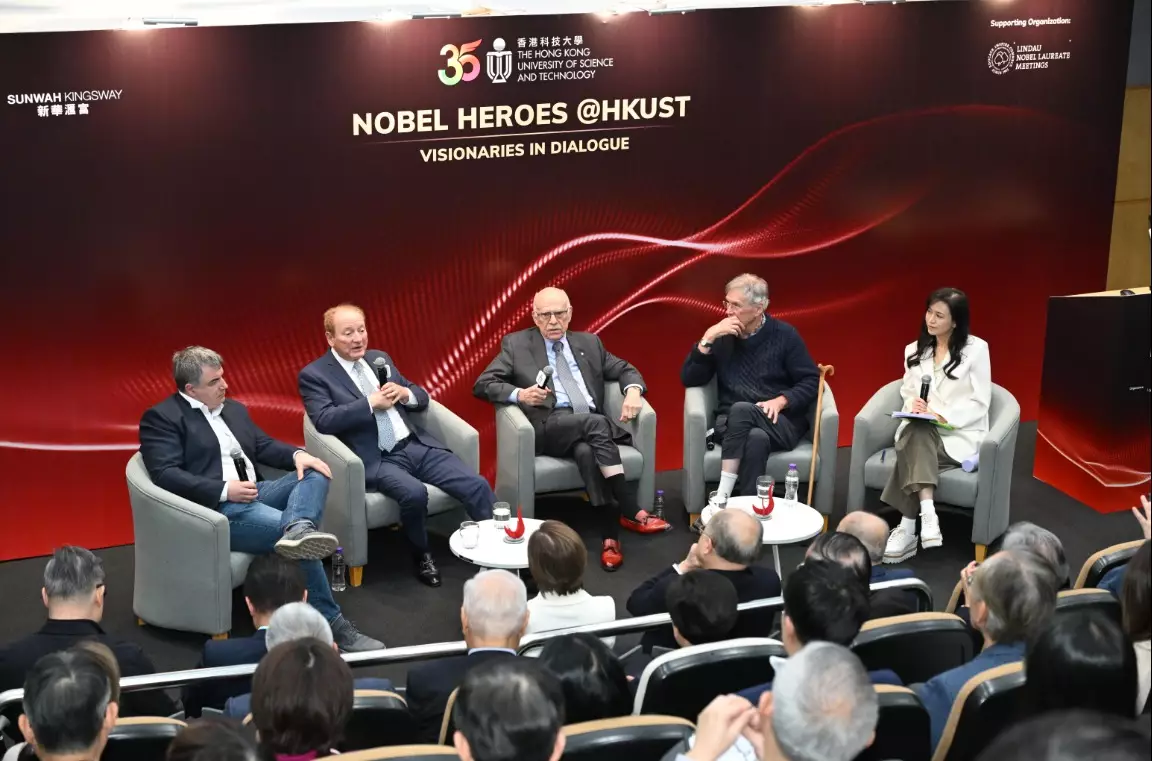
Moderated by HKUST Council Member and Adjunct Professor of the Department of Management, Prof. Poman LO (first right), the Nobel laureates engage in an interactive Q&A session with participants. Photo source: HKUST
Autism spectrum disorder (ASD) affects approximately one in every 100 children worldwide, yet many families face lengthy waits for professional assessment and intervention services, often missing the critical window for early support. To address this challenge, researchers at The Hong Kong University of Science and Technology (HKUST) have developed "ASD Super Agent," Asia's first integrated AI platform for autism support. By integrating three core functions—early screening, personalized intervention, and continuous family follow-up—the HKUST team hopes this innovative research will help parents identify potential autism risks earlier, access evidence-based professional recommendations, and precisely seize the key timing for early intervention, providing families with immediate and comprehensive support.
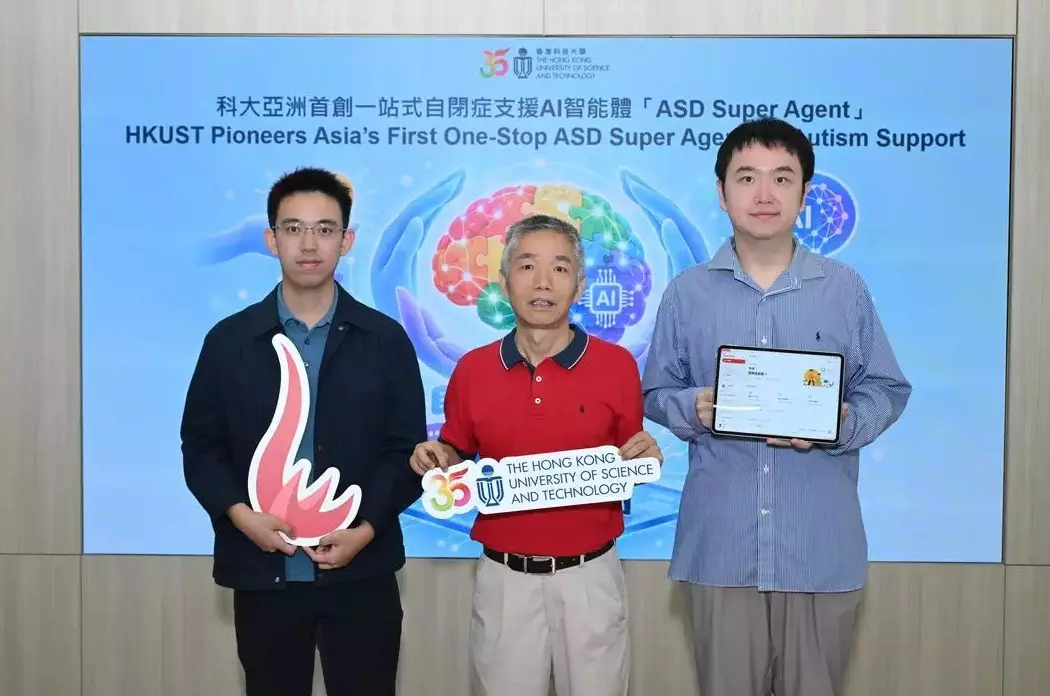
HKUST research team has developed “ASD Super Agent”, Asia’s first integrated AI platform for autism support. Led by Prof. Kani CHEN (center), Professor of the Department of Mathematics and Department of Industrial Engineering and Decision Analytics at HKUST; CHEN Xingze (left), a postgraduate student from Individualized Interdisciplinary Program; and WANG Xianfei (right), a postgraduate student from the Department of Computer Science and Engineering at HKUST. Photo source: HKUST
Led by Prof. Kani CHEN, Professor of the Department of Mathematics and Department of Industrial Engineering and Decision Analytics at HKUST, the research team visited special education institutions, child development centers, and psychiatric hospitals across Hong Kong, the Greater Bay Area, and Beijing during the development of “ASD Super Agent”. The team also engaged with nearly 500 parents of children with autism. The researchers found that many families face lengthy assessment waiting times, high treatment costs, and fragmented information regarding intervention services. Consequently, the HKUST team developed “ASD Super Agent” specifically for parents and caregivers, transforming AI research into a practical autism support tool that offers one-stop assistance from risk assessment to home-based training recommendations.
Prof. Chen said, “Many families struggle to access timely assessment and sustained support for children with autism. Delays in diagnosis can mean missed opportunities during the most effective period for intervention. By leveraging HKUST's strengths in artificial intelligence, data science and interdisciplinary research, we hope ASD Super Agent can bridge this gap, empowering parents and caregivers with practical, evidence-based support and helping more children receive timely intervention.”
Early Screening Through Everyday Home Videos
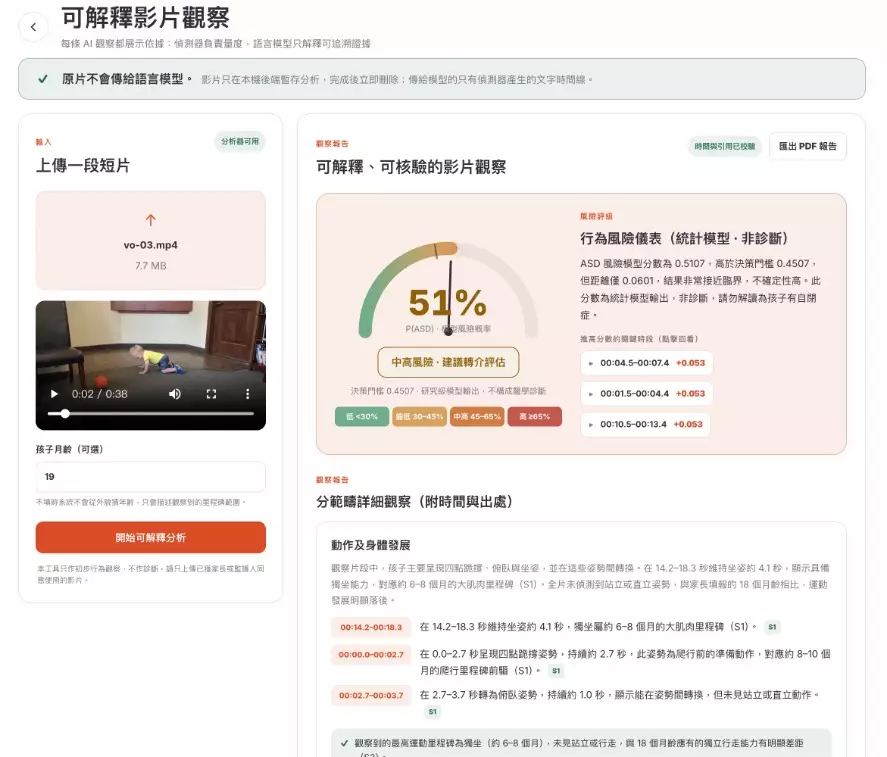
Parents can use a smartphone or smart device to record short videos of a child’s daily activities, complete standardized questionnaires, and provide basic developmental information. “ASD Super Agent” then generates a risk assessment and analytical report that families can use as a reference when seeking professional evaluation. Photo source: HKUST
One of the platform's key features is AI-assisted early autism risk screening in natural, everyday settings. Parents can use a smartphone or smart device to record short videos of a child’s daily activities, complete standardized questionnaires, and provide basic developmental information. “ASD Super Agent” then generates a risk assessment and analytical report that families can use as a reference when seeking professional evaluation.
In preliminary testing, the system achieved an area under the curve (AUC) score of 0.92 (where values closer to 1 indicate stronger discriminative precision), demonstrating strong screening performance. As the platform remains under testing and development, further clinical studies and real-world validation will be conducted before deployment. To safeguard users’ privacy, the platform follows a strict data-minimization approach by prioritizing on-device posture feature-extraction and processing only essential information required for analysis.
Personalized Intervention Powered by the "20+1" Framework
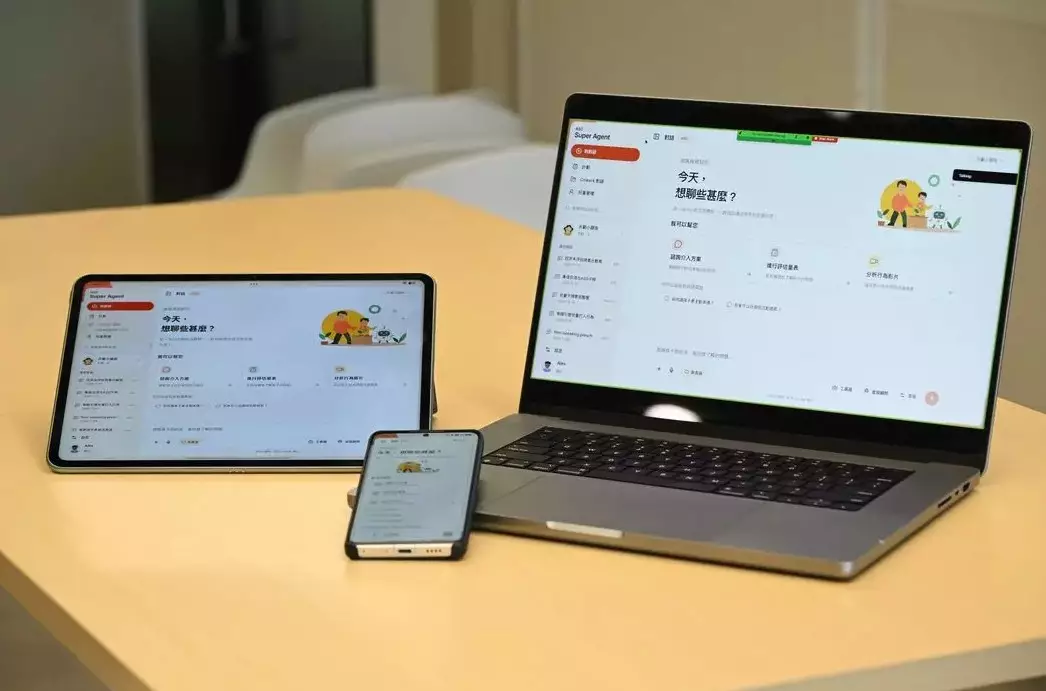
Through “ASD Super Agent,” the HKUST team aims to empower parents to identify potential autism risks earlier and obtain evidence-based professional guidance, thereby enabling them to act at the most critical juncture for early intervention and delivering timely, comprehensive support to families. Photo source: HKUST
Beyond screening, “ASD Super Agent” provides tailored intervention recommendations based on each child's specific developmental needs. Parents can describe their child's specific challenges such as emotional regulation difficulties, limited eye contact, communications challenges, or repetitive behaviors and receive customized support suggestions.
The platform's distinctive "20+1" framework combines the strengths of established evidence-based intervention approaches with professional expertise from practitioners. The "20" refers to more than 20 internationally recognized autism intervention models embedded within the system, while the "+1" enables therapists, special education providers and organizations to incorporate their own proven intervention methods and practical experience into the platform's knowledge base.
By bringing together research-based methodologies and frontline professional expertise, “ASD Super Agent” can provide recommendations that are both scientifically grounded and responsive to the individual needs of children and their families.
The intervention approaches incorporated in the platform include Applied Behavior Analysis (ABA), Naturalistic Developmental Behavioral Interventions (NDBI), TEACCH Structured Teaching, and the Localized BSR Model, among others.
Each recommendation can also be accompanied by relevant academic literature and background references, supporting more informed discussions between families and healthcare or educational professionals and helping children access timely intervention during the crucial developmental window.
Supporting Families While Advancing Autism Research
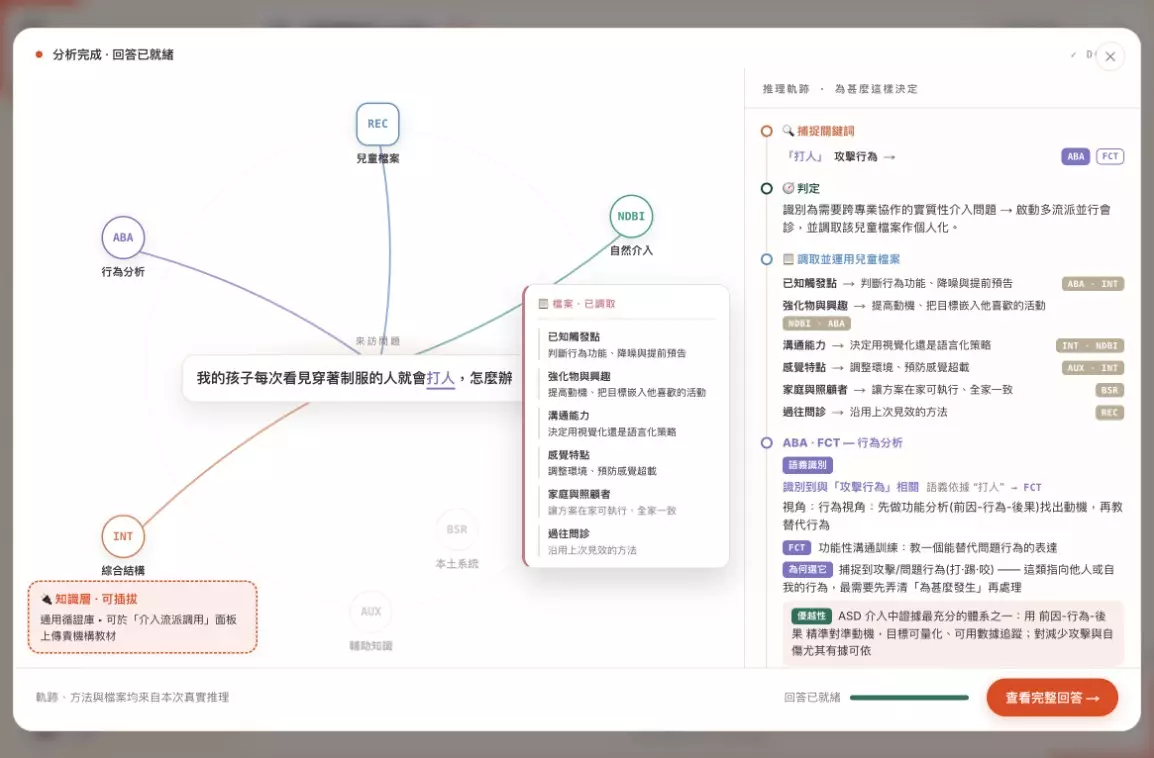
Parents can describe their child's specific challenges, such as emotional regulation difficulties, limited eye contact, communication challenges, or repetitive behaviors, and receive customized support suggestions. Photo source: HKUST
Recognizing that autism support is an ongoing journey, “ASD Super Agent” is designed to provide continuous follow-up rather than one-time guidance. By integrating text records, video assessments and developmental information provided by families and professionals, the platform builds a dynamic developmental profile for each child. It can help break long-term goals into manageable daily actions, track progress over time, and support informed discussions between families and professionals.
The platform currently supports voice interactions in Cantonese, Putonghua and English, making it accessible to a broad range of users.
Beyond family support, the research team has established a multimodal autism database containing video, posture and behavioral data that now exceeds 1.1 million records. This valuable resource provides a foundation for AI model development and autism research. Through continued data collection and analysis, the team aims to improve risk assessment accuracy, enhance the precision of intervention recommendations, and deepen understanding of autism development and support strategies.
Looking ahead, the researchers will continue to refine the platform's user experience, expand clinical validation studies, and further strengthen system performance. Their goal is to make high-quality autism support more accessible, inclusive and readily available to families in Hong Kong, the Greater Bay Area and beyond.