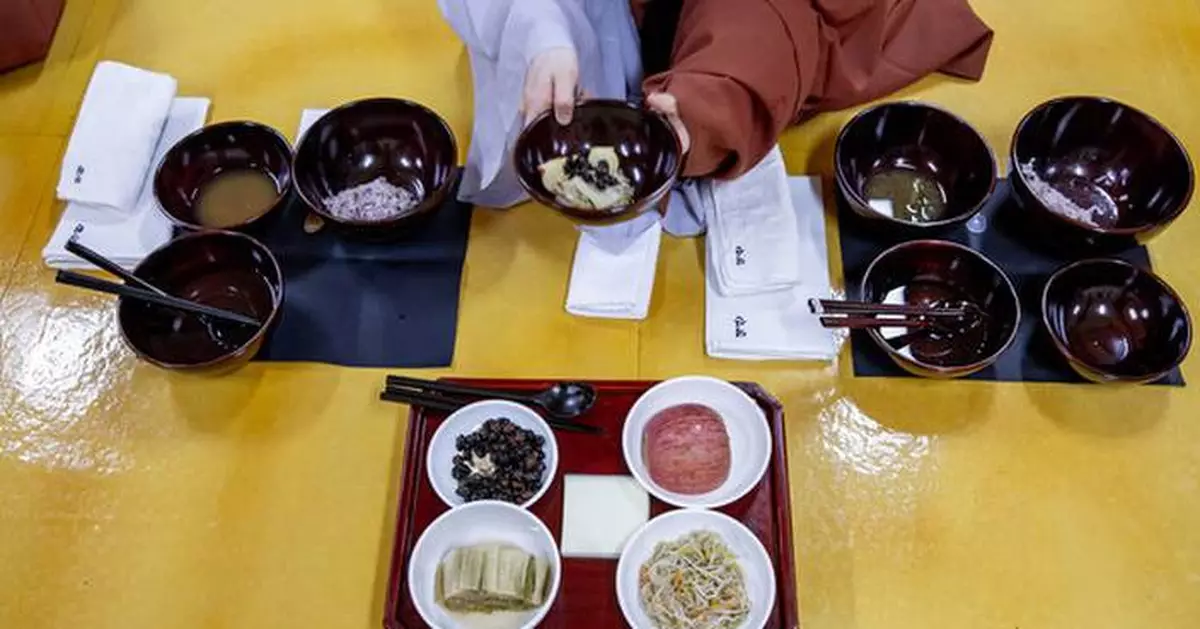
Korean Temple Food, Designated as a National Intangible Cultural Heritage, Expands Its Global Reach Through International Events and Cultural Diplomacy
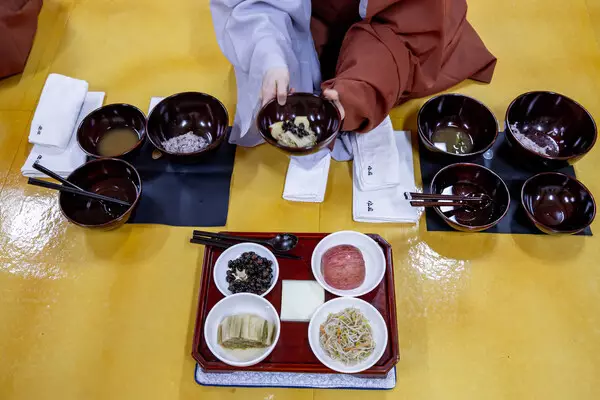
SEOUL, South Korea, Nov. 26, 2025 /PRNewswire/ -- Korean Temple Food, rooted in 1,700 years of Korean Buddhist wisdom, is receiving renewed global attention following its recent designation as a National Intangible Cultural Heritage by the Korean government. More than a vegetarian cuisine, temple food reflects a philosophy centered on respect for all life, moderation, and gratitude. Its plant-based preparation methods highlight the natural flavors of seasonal ingredients and promote harmony between nature and humans—values increasingly aligned with today's global focus on sustainability and mindful living.
Experience the full interactive Multichannel News Release here: https://www.multivu.com/cultural-corps-of-korean-buddhism/936875-en-korean-temple-food-globally-recognized-sustainable-culinary-culture
To share the cultural and spiritual depth of temple food with the international community, the Cultural Corps of Korean Buddhism organized three major global events this year—ranging from large-scale festivals and academic symposia to cultural diplomacy initiatives abroad.
In June, the 4th Korean Temple Food Festival was held at the aT Center in Seoul, marking the largest festival of its kind in a decade. Eleven temples from across Korea participated, offering a broad range of programs, including lectures, hands-on workshops, and demonstrations led by six master monks and nuns(Sunim) specializing in temple cuisine. The event attracted more than 20,000 visitors over two days. Notably, 47% of attendees were in their 20s and 30s, a strong indicator of the growing interest in sustainable, plant-based food culture among younger generations.
In August, the Temple Food International Academic Symposium was held at the National Palace Museum of Korea in Seoul, bringing together experts from Korea, the United States, the United Kingdom, Italy, and China to discuss "The Potential of Temple Food as a Sustainable Culinary Culture." Brendan R. Walsh, dean of The Culinary Institute of America, emphasized the significance of Ogwan-ge (Five Contemplations)—the Buddhist reflection recited before meals to understand the meaning of gongyang (offering)—noting that "its principles speak directly to the core of culinary practice and its future." He added that "the answer lies in temple food," expressing interest in incorporating its values into the CIA curriculum.
From late October to early November, the Temple Food International Cultural Diplomacy events in Paris, France, and London, UK, directly introduced the contemplative spirit of temple food to gourmet experts and influencers in Europe.
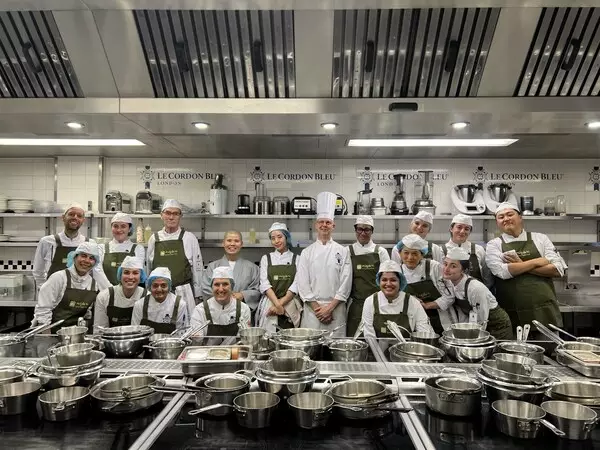
In France, the Korean-style salad 'Deodeok Beomuri' (Marinated Deodeok (Korean bellflower root)) presented by Temple Food Artisan Venerable Yeogeo Sunim received a great response at a dinner reception hosted by the Embassy of the Republic of Korea in France, commemorating next year's 140th anniversary of diplomatic ties between Korea and France. In the UK, the depth of temple food was conveyed through 'Korean Temple Food Week,' co-hosted with the Korean Cultural Centre UK and Le Cordon Bleu London. Venerable Yeogeo Sunim gave a lecture at the Le Cordon Bleu London campus, and Temple Food Master Venerable Jeong Kwan Sunim, widely known for her contemplative approach and for her appearance on Netflix's Chef's Table, showcased the restraint and meditative character of temple food by hosting a luncheon and a pop-up restaurant at the fine-dining establishment 'CORD by Le Cordon Bleu.' Emil Minev, Dean of Le Cordon Bleu London, commented, "Temple food is a culinary practice that embodies harmony with nature and respect for life, and I strongly support the Cultural Corps' future endeavor to register temple food with UNESCO."
Meanwhile, the Cultural Corps has continued its cultural diplomacy since signing a tripartite Memorandum of Understanding (MOU) with the Korean Cultural Centre UK and Le Cordon Bleu London in April 2021, regularly hosting lectures and demonstrations of Korean Temple Food within Le Cordon Bleu's Plant-Based Culinary Arts Program.
Temple food is a unique Korean culinary culture embodying the Buddhist spirit of respecting life and temperance, and it is now taking its first step toward inscription as a UNESCO Intangible Cultural Heritage of Humanity. The Cultural Corps stated, "We hope that temple food will evolve into a recognized model of sustainable living and spiritual well-being," adding, "We will continue to foster global exchange in sustainable, plant-based food culture connecting Korea and the world."
Amidst this global interest, visitors to Korea can directly experience temple food at key locations operated by the Cultural Corps of Korean Buddhism. At the 'Korean Temple Food Center' in Insadong, Seoul, they can learn about temple food through introductory one-day workshops designed for international participants. At 'Balwoo Gongyang,' the world's first Michelin-starred temple food restaurant, visitors can savor the essence of temple food through course meals made with fresh seasonal ingredients.
The healing, contemplative spirit and the wisdom of sustainable living conveyed by a single bowl of food are now spreading throughout the world.
Inquiries:
Korean Temple Food Center (edu.koreatemplefood.com / +82-2-733-4650)
Balwoo Gongyang (eng.balwoo.or.kr / +82-2-733-2081)
** The press release content is from PR Newswire. Bastille Post is not involved in its creation. **
Korean Temple Food: A Globally Recognized Sustainable Culinary Culture
Korean Temple Food: A Globally Recognized Sustainable Culinary Culture