MANHASSET, N.Y.--(BUSINESS WIRE)--Nov 26, 2025--
Recent reports show that one in seven first responders have probable post-traumatic stress disorder (PTSD) in response to routine duties with prevalence increasing after responding to a crisis. To improve our understanding and the well-being of these essential heroes, researchers at Northwell Health’sFeinstein Institutes for Medical Research, Stony Brook University and Texas A&M University received a $3.37-million grant from the National Institute of Mental Health (NIMH). The five-year, multi-site clinical trial aims to significantly improve the mental health and resilience of first responders across the nation.
This press release features multimedia. View the full release here: https://www.businesswire.com/news/home/20251126640655/en/
The study, titled “A Large-Scale Efficacy Trial of a Resilience Training Program for First Responders” – led by Rebecca Schwartz, PhD, associate professor at the Feinstein Institutes’ Institute of Behavioral Science and senior director of clinical research with Northwell’s Department of Occupational Medicine, Epidemiology and Prevention, along with Adam Gonzalez, PhD, of Stony Brook University and Anka Vujanovic, PhD, of Texas A&M – will conduct a large-scale efficacy trial of the Worker Resilience Training (WRT) program, an interactive workshop designed to equip first responders with crucial skills to manage stress, promote healthy lifestyle behaviors and prevent the development or worsening of mental health conditions like PTSD and depression.
“First responders face a heightened risk for mental health conditions due to chronic exposure to trauma; COVID-19 demonstrated that firsthand. It’s our duty to support their well-being, especially their mental health,” said Dr. Schwartz. “This NIMH grant allows us to rigorously test a preventative intervention that has the potential to significantly enhance resilience and reduce the burden of PTSD and depression in this critical population.”
Earlier research led by Drs. Gonzalez and Schwartz, including a randomized clinical trial with Hurricane Sandy responders, demonstrated the WRT program’s potential to prevent mental health symptoms and promote adaptive coping. Building on these promising initial results, the new study will rigorously evaluate the WRT program in 800 first responders in New York and Texas. The research will compare the clinical trial group to a time-matched control workshop.
Key aims include measuring improvements in resilience indicators such as healthy lifestyle behaviors, stress management, physical activity and perceived resilience. A critical aspect of the study is to determine if the WRT program effectively prevents the development or worsening of psychological symptoms and functional impairments in first responders who are exposed to traumatic events after participating in the workshop.
“The COVID-19 pandemic highlighted the toll of chronic stress on first responders,” said Kevin J. Tracey, MD, president and CEO of the Feinstein Institutes and Karches Family Distinguished Chair in Medical Research. “Dr. Schwartz’s research provides scientific insights and new strategies to enhance mental well-being and resilience for essential workers.”
This research holds significant public health implications by providing an evidence-based, scalable, and impactful preventative intervention. It has the potential to reduce personal and financial costs for responders, their families and society at large.
About the Feinstein Institutes
The Feinstein Institutes for Medical Researchis the home of the research institutes of Northwell Health, the largest health care provider and private employer in New York State. Encompassing 50+ research labs, 3,000 clinical research studies and 5,000 researchers and staff, the Feinstein Institutes raises the standard of medical innovation through its six institutes of behavioral science, bioelectronic medicine, cancer, health system science, molecular medicine, and translational research. We are the global scientific leader in bioelectronic medicine – an innovative field of science that has the potential to revolutionize medicine. The Feinstein Institutes publishes two open-access, international peer-reviewed journalsMolecular MedicineandBioelectronic Medicine. Through theElmezzi Graduate School of Molecular Medicine, we offer an accelerated PhD program. For more information about how we produce knowledge to cure disease, visithttp://feinstein.northwell.eduand follow us onLinkedIn.
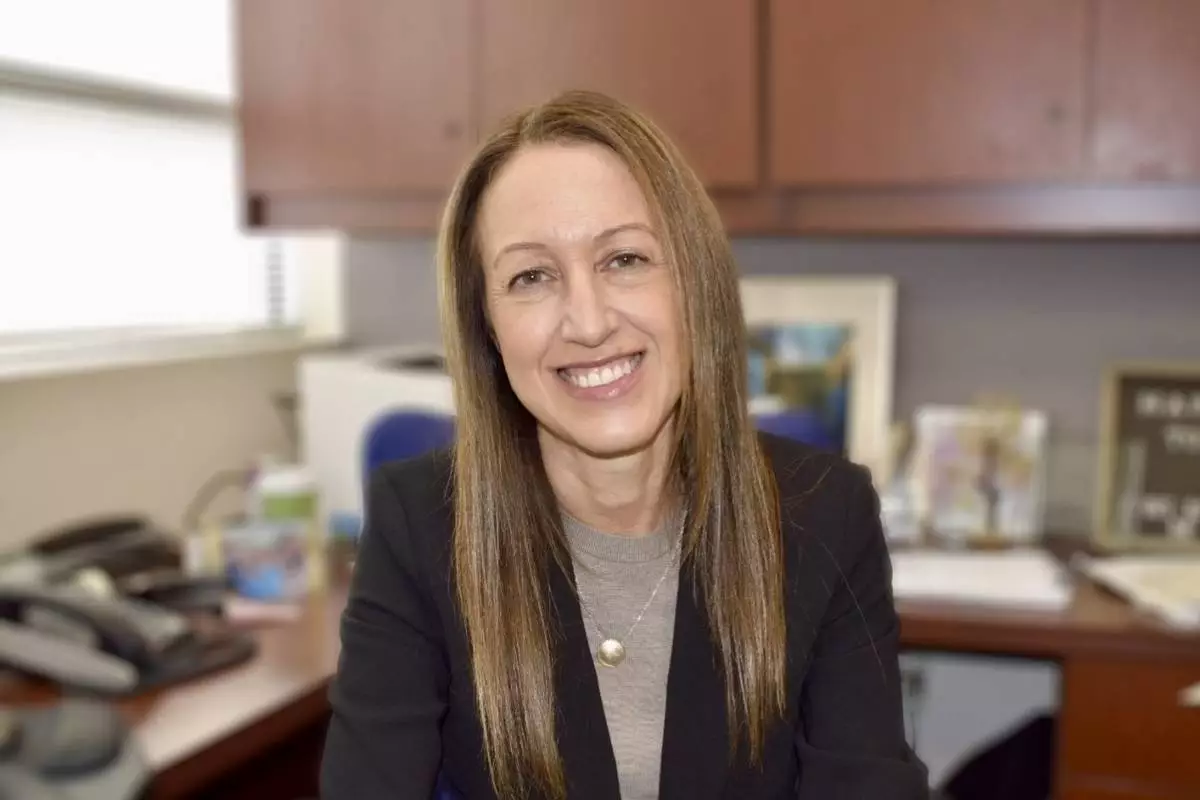
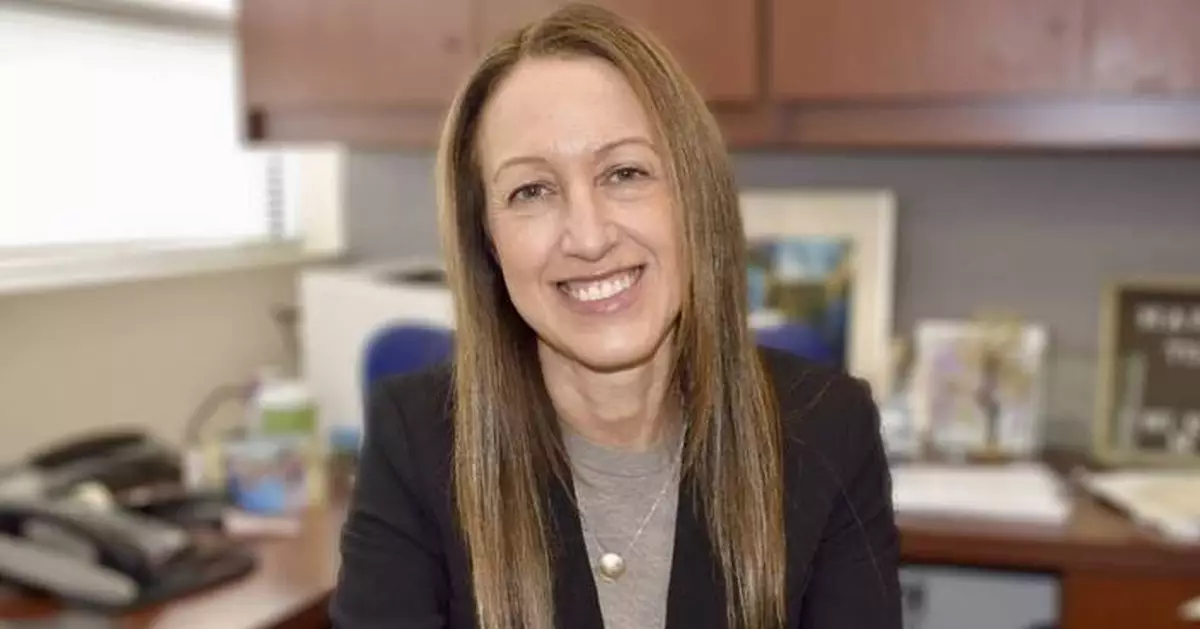
Dr. Rebecca Schwartz led the study. (Credit: Feinstein Institutes).
KAMPALA, Uganda (AP) — Uganda on Wednesday ordered the closure of its border with Congo, where suspected cases of a rare type of Ebola are surging, and as cases have been confirmed at home after Ugandan health workers were exposed to the disease from Congolese patients.
The measure, which goes against the guidance by the World Health Organization, underscores growing fears of contagion in East Africa from Bundibugyo, a rare type of the Ebola virus that is behind this outbreak and that has no approved medicines or vaccines.
Like Congo, Uganda has faced Ebola outbreaks in the past. A local Ugandan task force made the decision on the border closure. The Ugandan health workers were exposed to the virus by Congolese patients who had crossed the border before the outbreak was declared in eastern Congo on May 15.
Border crossings will be authorized only in emergency cases, including for the outbreak response, cargo or security reasons, Dr. Diana Atwine of the Ugandan Ministry of Health, told journalists. Anyone entering from Congo under emergency circumstances will be taken into mandatory isolation for 21 days.
Tracing and isolating Ebola contacts is seen as key to stopping the spread of the disease, which usually manifests as hemorrhagic fever. The virus is spread through close contact with sick or deceased patients’ bodily fluids. Experts say healthcare workers and family members caring for patients face the highest risk.
The number of suspected cases in eastern Congo is nearing 1,000, with at least 220 suspected deaths. Congo’s health ministry on Tuesday said 101 cases have been confirmed, and they are looking into over 3,000 possible contacts.
On Wednesday, Congolese authorities said that the first person who recovered from the Bundibugyo virus has been released home from a treatment center in Rwampara, one of the towns in eastern Congo at the heart of the outbreak.
WHO has discouraged border closures with Congo while acknowledging that neighboring countries are at high risk of contagion. The U.N. health agency has declared this outbreak a public health emergency of international concern.
Closures "push the movement of people and goods to informal border crossings that are not monitored, thus increasing the chances of the spread of disease," the agency said.
The Uganda-Congo border is several hundred miles long and crossed by numerous footpaths beyond formal border posts. Many people come and go in the course of a day to visit families or to trade.
Congolese health authorities are struggling to contain the outbreak, which WHO says is outpacing them. The rare type of Ebola was confirmed weeks late as tests were carried out for a more common type. Challenges also include the threat from armed groups in eastern Congo, a large number of displaced people and poor infrastructure.
WHO's Director-General Tedros Adhanom Ghebreyesus called on Wednesday for a ceasefire in eastern Congo to allow safe access for responders and others, saying on social media that “attacks on health facilities make tracking cases and their contacts nearly impossible.”
Responders in Congo have said they are underprepared and under-protected for this outbreak, while conflict-traumatized residents, long wary of outsiders, have attacked a number of clinics and hurled stones and abuse at volunteers trying to make people aware of the virus and its risks.
Infected people or those have been in contact should not undertake international travel unless it’s a medical evacuation, WHO has said. On Wednesday, the Trump administration said it is planning to send Americans who are exposed to Ebola to a new facility in Kenya instead of flying them to the United States.
Uganda has reported seven cases of Ebola, including the first case of a 59-year-old man who died in Kampala, the country's capital, on May 14. While the Ebola case load is not spiking, the number of locals exposed to infection via health workers has been rising.
“They have families, and so the number has been increasing,” Atwine, the Ugandan health official, said of the health workers.
She also said she was dismayed to see some Ugandans forming crowds to celebrate Arsenal as British Premier League champions. The team has a large following in Uganda. Atwine urged people to be vigilant, avoid shaking hands and use sanitizer.
Congo has had 17 Ebola outbreaks. Health experts say aid cuts last year by the U.S. and other rich nations are devastating for eastern Congo, in part because of the region’s unique problems.
Aid groups fighting this outbreak say they don’t have the equipment they need, including face shields and suits to protect health workers from infection, testing kits and body bags needed to safely bury victims.
Associated Press writer Jean-Yves Kamale in Kinshasa, Congo, contributed to this report.
For more on Africa and development: https://apnews.com/hub/africa-pulse
The Associated Press receives financial support for global health and development coverage in Africa from the Gates Foundation. The AP is solely responsible for all content. Find AP’s standards for working with philanthropies, a list of supporters and funded coverage areas at AP.org.
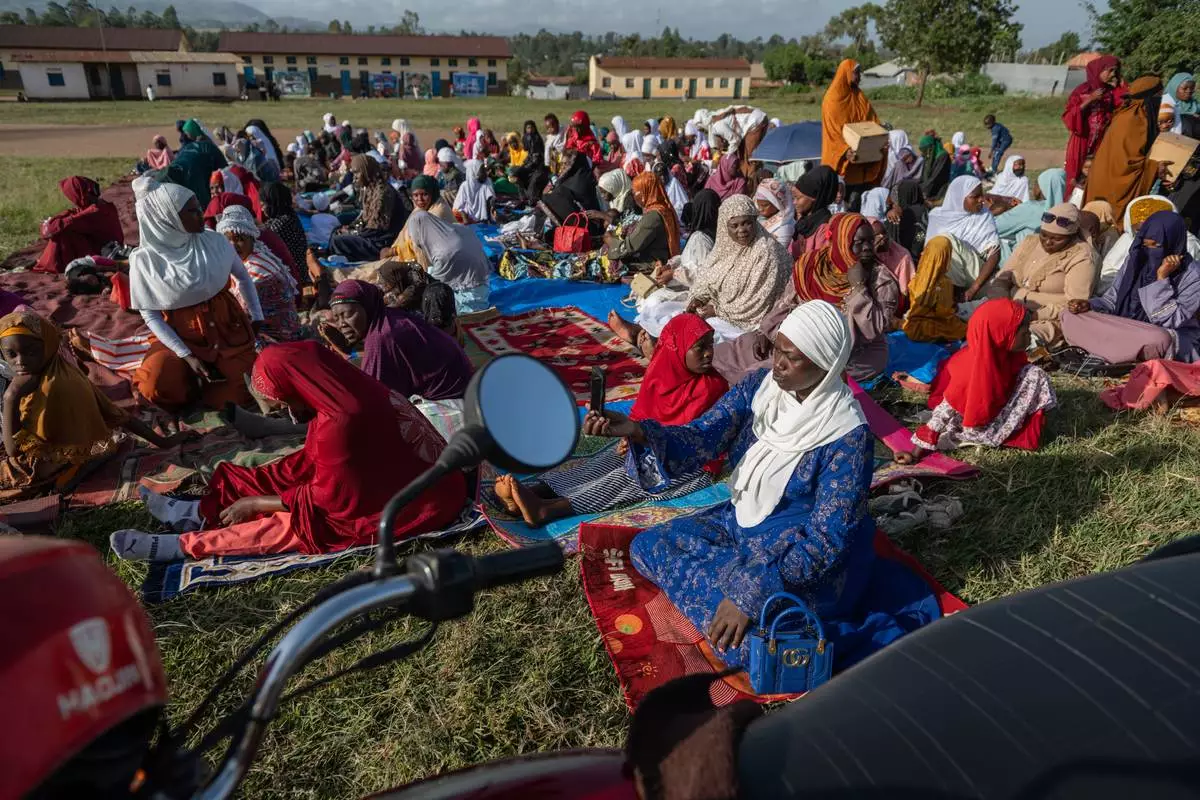
Muslims gather to pray at Sayo Muhamed School during the Eid al-Adha celebration amid an Ebola outbreak in Bunia, Congo, Wednesday, May 27, 2026. (AP Photo/Moses Sawasawa)

Muslims are reflected in a motorcycle mirror as they gather to pray at Sayo Muhamed School during the Eid al-Adha celebration amid an Ebola outbreak in Bunia, Congo, Wednesday, May 27, 2026. (AP Photo/Moses Sawasawa)
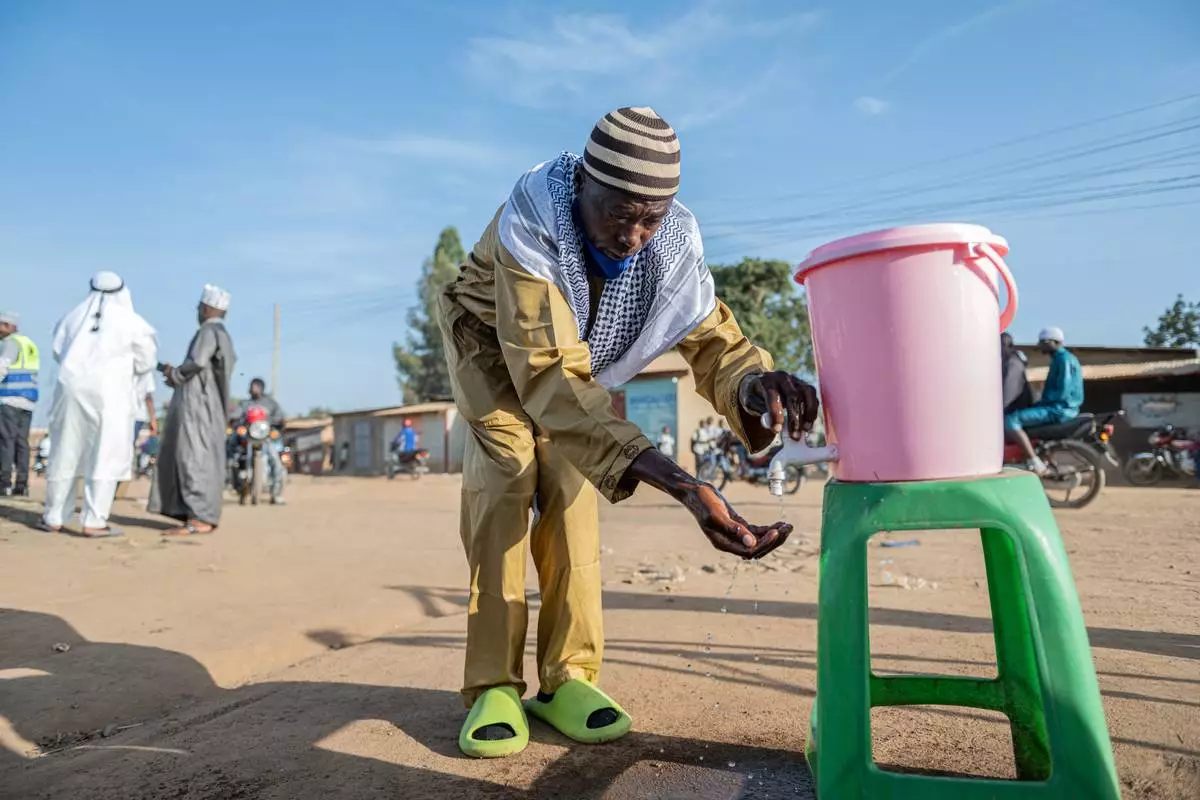
A Muslim washes his hands as a precaution against Ebola before attending the Eid al-Adha prayers at Sayo Muhamed School in Bunia, Congo, Wednesday, May 27, 2026. (AP Photo/Moses Sawasawa)
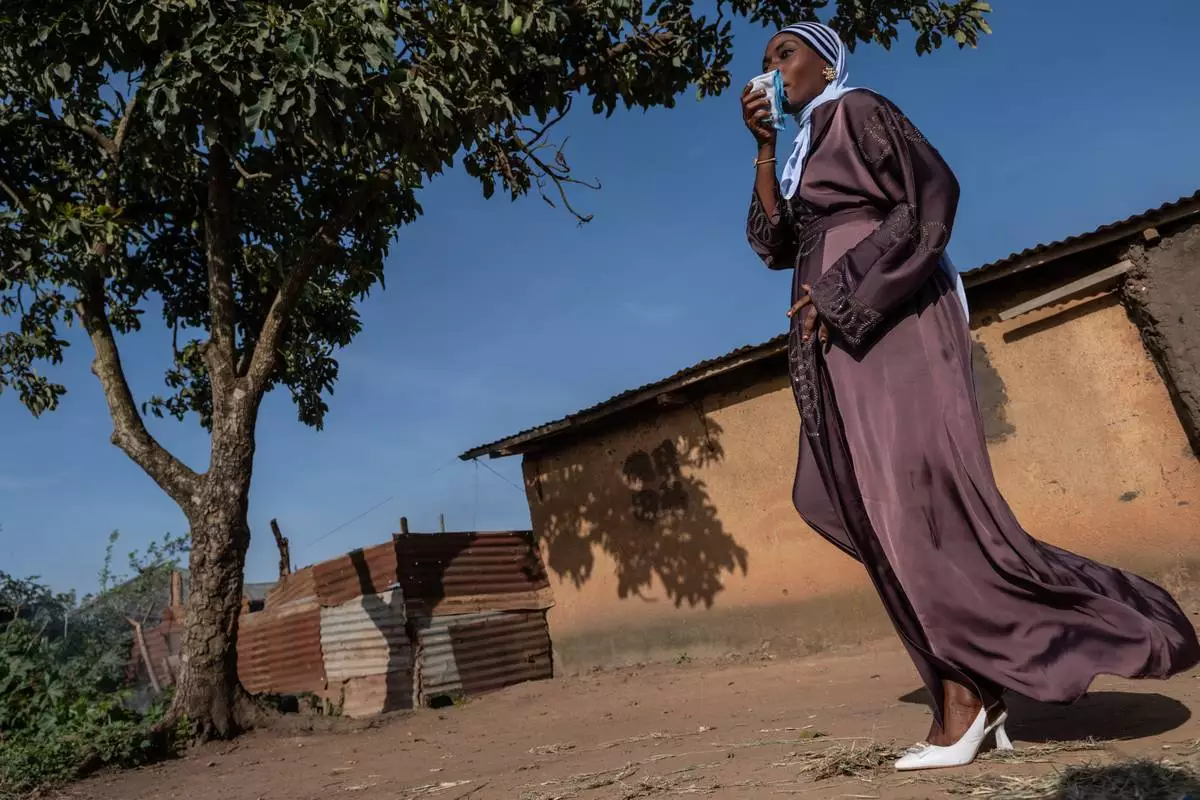
A Muslim woman walks towards the prayer grounds at Sayo Muhamed School to perform Eid al-Adha prayers amid an Ebola outbreak in Bunia, Congo, Wednesday, May 27, 2026. (AP Photo/Moses Sawasawa)