As exporter of high-altitude coffee beans for centuries, Yemen is now facing various challenges in its coffee cultivation and harvesting due to years of conflict.
Every year, from November to the following February, it is the ripening season for Yemen's high-altitude coffee beans.
In A'alal Village, over 40 kilometers away from the country's capital – Sanaa, coffee is still grown and picked in traditional ways.
Over the years, the yield of Yemen high-altitude coffee beans is much less than its competitors. This is caused by poor infrastructure due to years of wars and conflicts, as well as serious pests and diseases problems.
"Yemen's coffee industry is facing many challenges, including nature. For example, drought -- many coffee-growing regions suffer grave water shortage. Therefore, building impounding reservoirs, dams and drip irrigation systems are quite necessary," said Samir Al-Atmi, deputy general manager of Agricultural Production at General Corporation for Coffee Development and Marketing.
Under such circumstances, some farmers have changed to grow other high-value crops; however, there are still many sticking to coffee berries.
"For us, coffee is more than a key economic crop, but also a symbol of history and culture, which is closely connected with our people, life and emotions," said Ali Al-Lahaba, a local farmer.
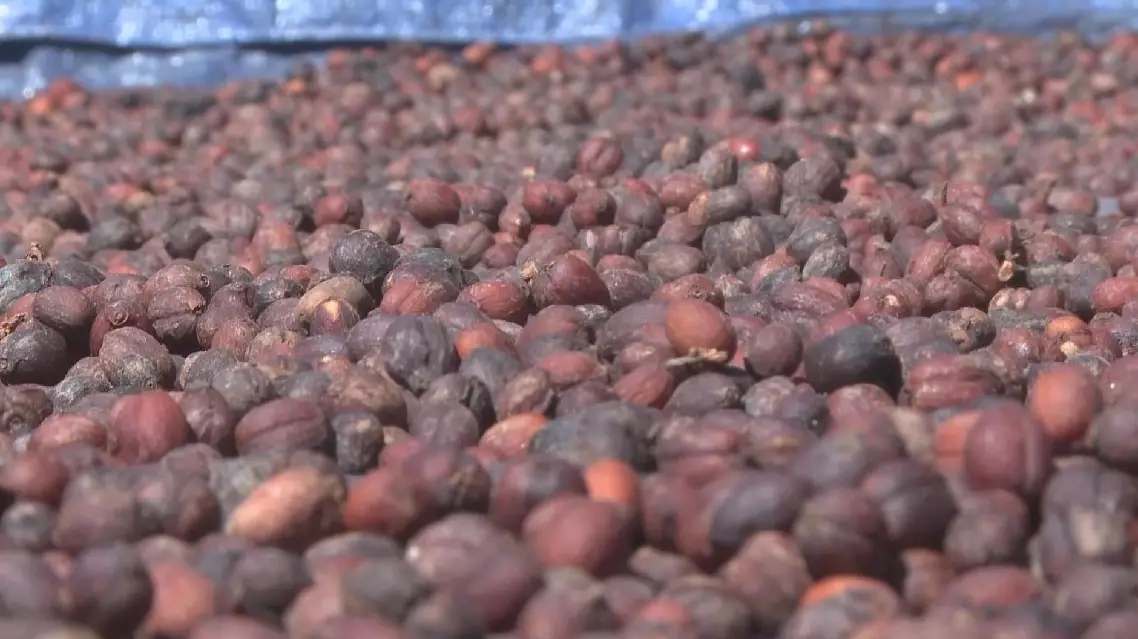
Yemen's coffee industry struggling amid years of conflict
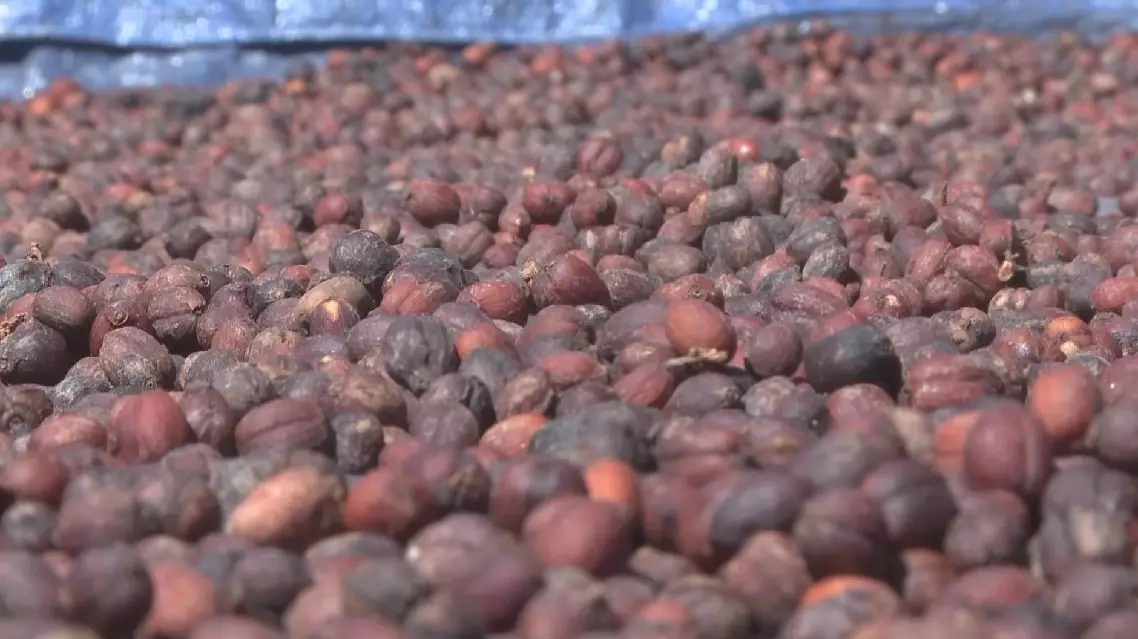
Yemen's coffee industry struggling amid years of conflict
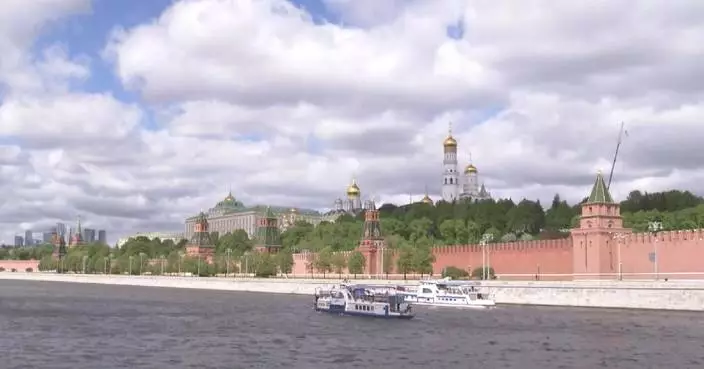
Former Russian ambassador to China Andrey Denisov said the close relationship between the two nations will continue to flourish, speaking after he was honored at a ceremony for his efforts in advancing bilateral friendship and cooperation. On Monday, Denisov returned to Beijing to attend the inaugural presentation ceremony for China's Outstanding Diplomat Medal, which recognizes envoys who have left a distinctive mark in shared chapters of understanding. A total of eight foreign diplomats, including Denisov, received the medal at the ceremony in recognition of their outstanding contributions to promoting friendship and cooperation between China and their respective countries.
The former ambassador expressed great pride upon receiving the award, both for his own accomplishments and for the friendship between two countries that it represents.
"I'm proud that my very, very modest contribution to the progress of the bilateral relations have been marked in a so high-ranking award. It's not just a reward. It's kind of hope that the future progress will be the same and even better than it was before," said Denisov.
Fluent in Chinese and a veteran witness to China's reform and opening up, Denisov reflected on his decades-long connection.
"Because I am an old Beijinger, lived in Beijing for more than 20 years, it's no wonder I find the feeling of nostalgia here. As the Chinese say, practice is the only criterion for testing truth. I have spent many years living and working in China, pushing forward and promoting the development of bilateral relations," he said.
Denisov served as Russia's ambassador to China from 2013 to 2022, participating in nearly every top-level interaction. He has not only done a great deal of effective work in promoting bilateral cooperation across various fields between the two countries, and in enhancing the friendship and mutual trust between the two peoples, but has also witnessed the upgrading and improvement of their bilateral relations.
Noting that 2025 marks the 30th anniversary of the establishment of the China-Russia strategic partnership of coordination and the 25th anniversary of the signing of the China-Russia Treaty of Good-Neighborliness and Friendly Cooperation, Denisov expressed confidence in the future.
"We are two big countries. We are not allies, but we are very close. So from that point of view, I'm convinced to have a good future and good results will be achieved soon," said Denisov.
Russian President Vladimir Putin will pay a state visit to China from Tuesday to Wednesday at the invitation of Chinese President Xi Jinping. This will be President Putin's 25th visit to China, Chinese foreign ministry spokesman Guo Jiakun said on Monday.
Continuing working on affairs related to China and also the bilateral ties even after leaving his post, Denisov has high expectations for President Putin's state visit to China this time.
"I hope that the forthcoming visit by my president will be a presentation of such a type of stability and positive spirit. We have big expectations and I'm quite sure as former ambassador that everything will be accomplished in (good) form. And we expect good results, as usual," said Denisov.
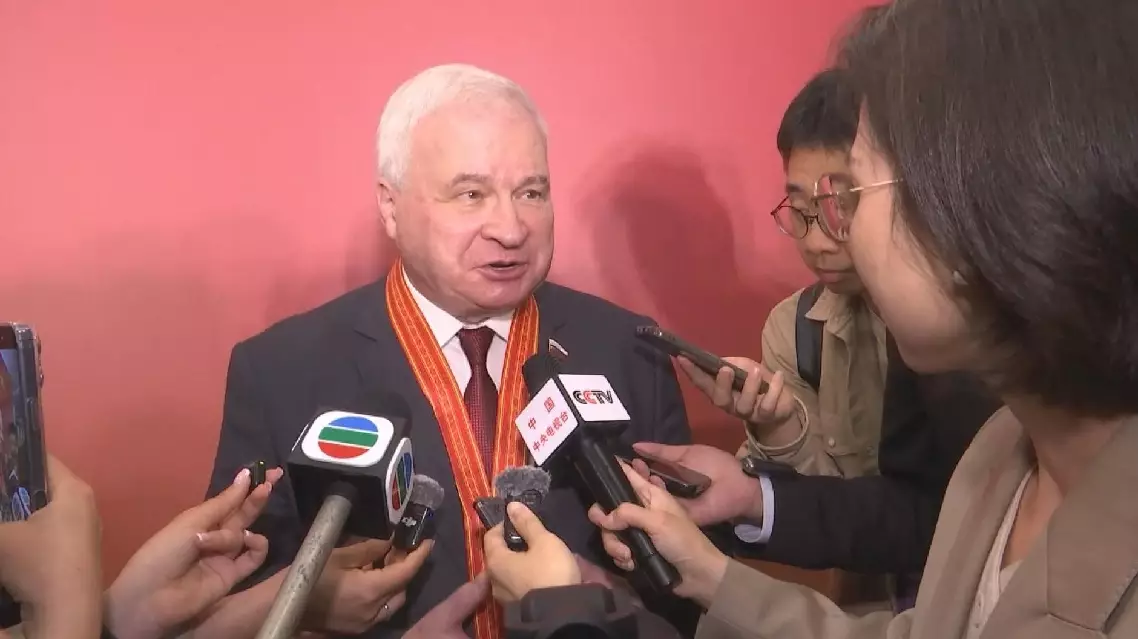
Former Russian ambassador hails 'good future' of China-Russia ties