The Japanese government's move to lift the ban on lethal weapon exports has sparked strong opposition among citizens, who denounce it as a shameful attempt to make money at the cost of harming innocent people abroad.
On April 21, the government led by Prime Minister Sanae Takaichi officially revised the "three principles on transfer of defense equipment and technology" and their implementation guidelines, scrapping restrictions that had limited Japan's defense equipment exports to five noncombat categories. The revision allows, in principle, overseas sales of weapons, including those with lethal capabilities.
The change has drawn strong concern and protest in Japan.
A poll released by Kyodo News on Sunday showed that 57.2 percent of respondents rejected allowing exports of lethal weapons, while 37.1 percent were in favor.
Another poll conducted by public broadcaster NHK from May 8 to 10 found that 52 percent of respondents opposed the government's move to open the door to lethal arms exports, compared with 35 percent who expressed support.
Masayasu Kai, chair of the Citizens' Movement Committee at Japan's New Socialist Party, voiced his concern in an interview on Monday with CCTV.
"The Japanese government is trying to make money off weapons, and it's a truly disgraceful way to go about it. This so-called exporting of weapons and profiting from the arms industry clearly means that lives will inevitably be lost. This should never be tolerated," Kai said.
"Even if Japan is not directly involved in a war, these weapons could be sent overseas and used to harm people in other countries. Many people don't even fully realize what's happening. The current situation is far from normal," said one demonstrator.
The Takaichi administration has also been pushing for the first-ever change to the Constitution. The postwar supreme law, which took effect in 1947, is often referred to as the pacifist Constitution because its Article 9 renounces war as a sovereign right and prohibits Japan from possessing "war potential".
Japanese citizens have warned that altering the pacifist Constitution would lead the country down a dangerous path.
"Japan is clearly moving toward military expansion, and that in itself goes against the fundamental stance of the Constitution. Some people are even talking about 'revising the Constitution.' We are firmly against that. We demand that the Constitution be protected. It must not be broken for the sake of starting a war," said another resident in Tokyo.
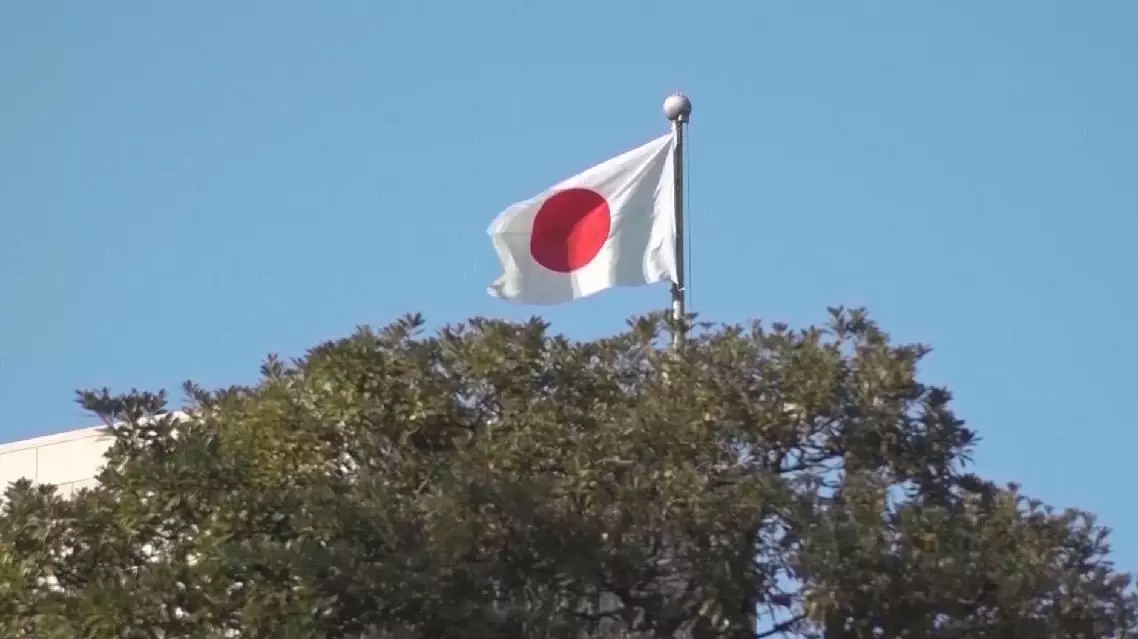
Japanese residents voice opposition to lethal arms exports