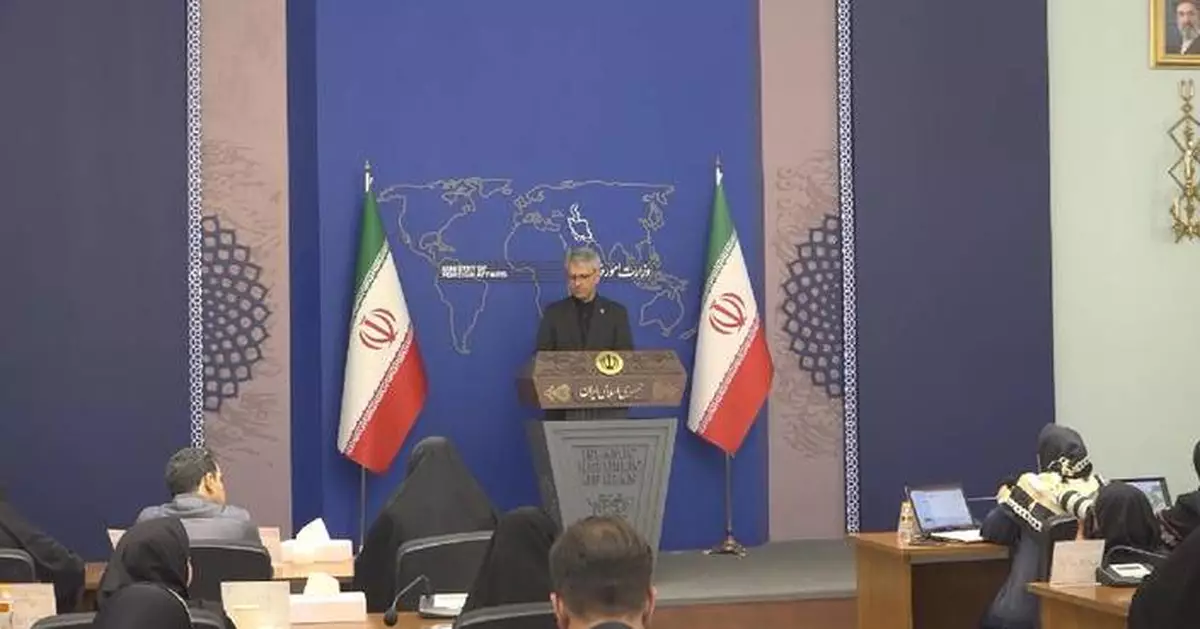
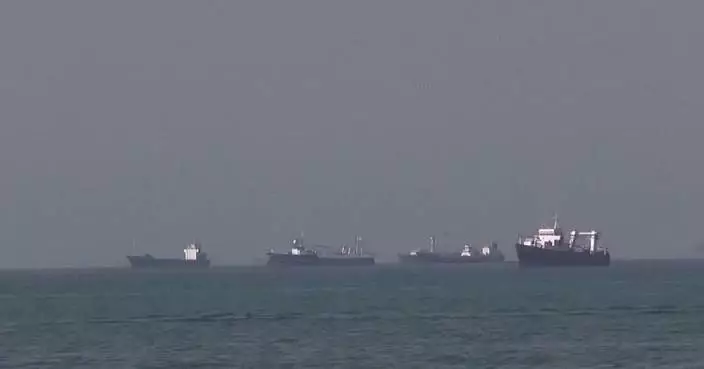
Iranian Foreign Ministry spokesman Esmaeil Baghaei said on Monday that Iran has taken necessary measures to ensure the safety of shipping in the Strait of Hormuz amid ongoing regional tensions.
At a press briefing, Baghaei said the current tensions in the strategically vital waterway resulted directly from U.S. and Israeli military actions against Iran and their violations of international law.
Baghaei added that Iran has maintained communication with Oman regarding the Strait of Hormuz and received a series of proposals from Pakistan on the issue.
The spokesman further noted that Iran is pursuing legal channels to seek war reparations from the United States.
Baghaei said Iran's demands for the release of frozen Iranian assets and the lifting of sanctions were raised in every previous round of talks with the U.S. side. Iran and the U.S. have exchanged several plans outlining conditions for ending the conflict through Pakistan in recent weeks, following an April ceasefire that ended 40 days of fighting.
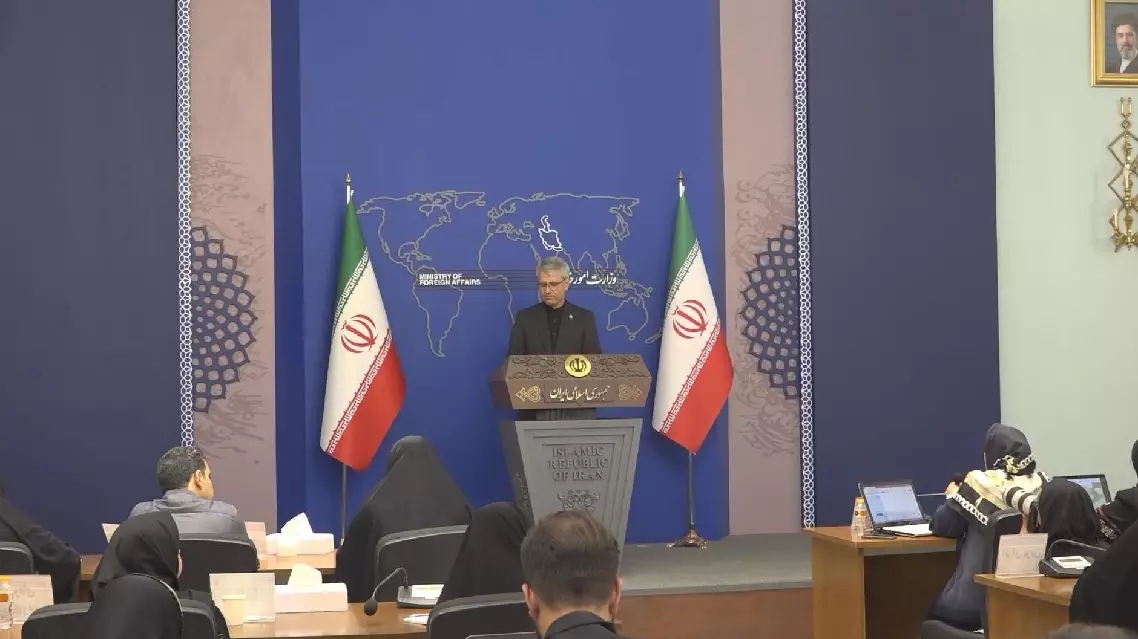
Iran takes necessary measures to ensure safe Hormuz shipping: spokesman
The World Organization for Animal Health (WOAH) on Monday called for enhanced surveillance of viruses of animal origin, as recent hantavirus and Ebola outbreaks have sparked global alarm.
The 93rd General Session of the World Assembly of Delegates of the WOAH kicked off on Monday in Paris, France. WOAH's Director General Emmanuelle Soubeyran and other experts attending the session stressed that strengthening the surveillance of animal-borne viruses and improving early detection capabilities are crucial to reducing public health risks.
Citing a recent WOAH report, Soubeyran noted that approximately 75 percent of emerging infectious diseases worldwide originate from animals. She emphasized the importance of intensifying research into cross-species transmission pathways of viruses.
"What is important, maybe for us, is to really understand how there is a jump from wildlife to humans or to farm animals. So that's very important to understand, to make research, to understand how this spillover is appearing," she said.
In a recent statement, WOAH said that the hantavirus is an animal-borne virus primarily hosted by rodents. It said that effective rodent management based on an integrated ecological approach is an important measure to reduce the risk of human infection. Continuous monitoring and early detection mechanisms, it added, are essential for mitigating public health risks.
"It has a zoonotic origin and it's quite fatal in humans. There are different serotypes or strains of hantavirus and not each strain is affecting humans, but only one of them is transmissible from human to human. So surveillance is important because of the early detection and to avoid fatalities in humans and to guide the communities to take precautionary measures and to invest in health emergencies on the human side," said Tahreem Khalid, Animal Health Information Officer at WOAH.
Through enhanced animal surveillance, improved laboratory capacity, and facilitated information sharing, the organization aims to strengthen countries’ abilities to respond to risks and promote cross-sectoral collaboration under the "One Health" framework.

World Organization for Animal Health urges tighter monitoring of animal-borne viruses