INDIANAPOLIS (AP) — Indianapolis Colts tight end Will Mallory learned to appreciate the Indiana-Purdue rivalry the old-fashioned way — through family stories.
His father, Mike, might recount the time he was a grad assistant when Will's grandfather, Bill, earned the first of his seven Old Oaken Bucket victories in 1987. One uncle, Curt, could brag about being on Indiana's staff long enough to add two “I's” to the chain in 1993 and 1994. Another other uncle, Doug, might talk about his field-side view as an assistant when the Indiana players honored their head coach with one final victory ride after beating Purdue 33-16 in 1996.
Yes, the Thanksgiving week stories became as much a part of the Mallory lore as turkey dinners. Even today, as Will Mallory prepares to play Sunday, he'll monitor Friday night's big game — the 100th presentation of The Bucket.
“I wasn't born when my grandfather was coaching, but, obviously, just growing up with it and knowing how much that meant to my family, it's a big game,” said Mallory, who attended high school and college in Florida. “I'm excited for them (the Hoosiers). They've got to keep it rolling.”
The late Bill Mallory's 69 career wins still stand as the school record.
And though he beat Ohio State twice, Michigan once, pulled off the rarest of triples by beating both Big Ten powers and Purdue in 1987 and delivered two of the program's three bowl wins, it's those seven wins against the Boilermakers — and the indelible image of him pumping his fists while riding on his players' shoulders in 1996 — that rekindle so many memories.
It's the kind of moment that has defined this series, which began in 1891. The Bucket was introduced in 1925 after representatives of the two in-state schools located the decaying, mossy, moldy object on a family farm in southern Indiana. Once restored, it was ready for prime time.
Ever since, coaches and players at both schools spend entire years chasing the prized trophy and making the sprint across the field to get their hands on the trophy so they can put their imprint on the series by adding either an “I” or a “P” to the chain that fits inside The Bucket.
Those who have experienced the atmosphere recognize it's not just another rivalry — or trophy.
“I've been at several different universities, especially in the Big Ten with the different rivalries or games you play, but I just remember that one being pretty special because of the disdain you had for IU,” said Colts defensive backs coach Jerome Henderson said, who was on Purdue's staff for the 2016 loss. “(Bucket week) just meant a little more — the preparation, the details, were done just a little more. That was a game, no matter how the season was going, you wanted to win.”
The result has produced many memorable moments.
In 1966, Purdue won the Big Ten title by taking The Bucket. The Hoosiers returned the favor in 1967 and haven't won a conference crown since then.
Purdue punched its ticket to Pasadena in 2000 by beating the Hoosiers 41-13 as Drew Brees and late coach Joe Tiller celebrated with a Bucket full of roses. The Boilermakers also took the Big Ten West Division title and a trip to their first league championship game in 2022.
Indiana delivered one of the most emotional moments in 2007 when Austin Starr's 49-yard field goal with 30 seconds left helped Indiana fend off Purdue's furious second-half comeback for a 27-24 victory that made the Hoosiers bowl eligible — fulfilling coach Terry Hoeppner's three-year pledge, five months after his death.
Now there's a whole new set of players — and coaches — taking center stage.
Indiana quarterback Fernando Mendoza, a Heisman Trophy frontrunner, will get his first taste of the rivalry after leading California to wins over Stanford in The Big Game the last two seasons.
And after handing Purdue the worst loss in school history last year, 66-0, Curt Cignetti will try to become the first Hoosiers coach since Hall of Famer Bo McMillin in 1934-35 to beat the Boilermakers in each of his first two contests. If he does, the Hoosiers (11-0, 8-0) will play for the Big Ten title and likely will lock up another playoff berth after a much needed bye week.
“I think the entire organization was a little tired. I could feel it, sense it, Penn State week and Wisconsin week, so I think it came at a really good time,” Cignetti said. “Everybody seems to be refreshed. There was a lot of spirit at practice yesterday, and I can tell in the office everybody is rested up, so it’s a good thing.”
Perhaps not so good for Purdue (2-9, 0-8).
The Boilermakers have lost nine straight overall, a school-record 17 straight in conference play and enter the game as a 28 1/2-point underdog as coach Barry Odom — and dozens of newcomers — make their Bucket debuts.
On paper, it's perhaps the biggest mismatch in decades. For the Boilermakers, it's a chance to salvage something valuable from another dismal season.
“They all will leave here with experiences of what this past season was,” Odom said, reflecting on Senior Night. “Some are really good, some are leaning experiences and not great, but all of them, I believe, will look back on this experience and be thankful for the opportunity we had together.”
But for fans of the two programs, it will add yet another chapter to this storied rivalry, one many will continue to talk about at dinner tables for years to come just like the Mallorys.
And Will Mallory will eagerly await hearing one more tale from outside his family.
“I know Mendoza from growing up in Miami and stuff, so it's been awesome to watch him play,” Mallory said. “They (the Hoosiers) have built a great program, they've invested a lot of money in it and they brought in the right guys.”
Get poll alerts and updates on the AP Top 25 throughout the season. Sign up here. AP college football: https://apnews.com/hub/ap-top-25-college-football-poll and https://apnews.com/hub/college-football
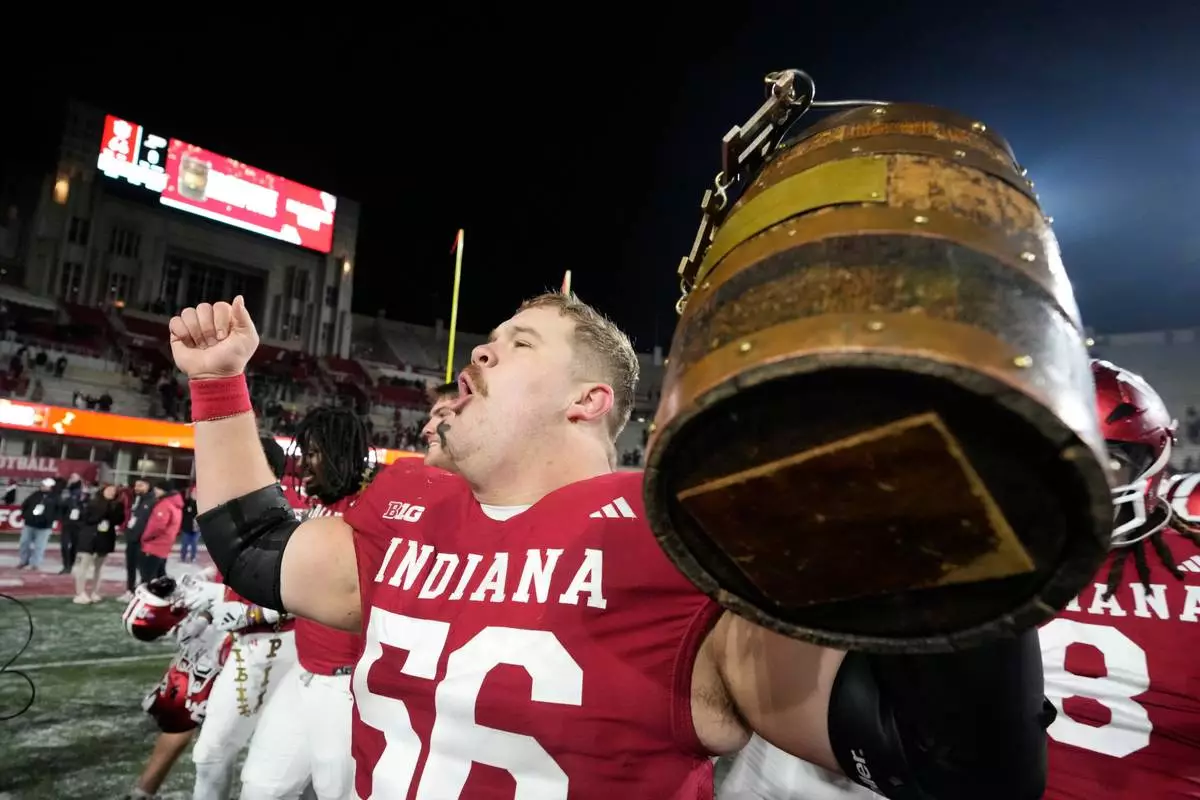
FILE - Indiana's Mike Katic celebrates with the Old Oaken Bucket after defeating Purdue in an NCAA college football game, Saturday, Nov. 30, 2024, in Bloomington, Ind. (AP Photo/Darron Cummings, File)
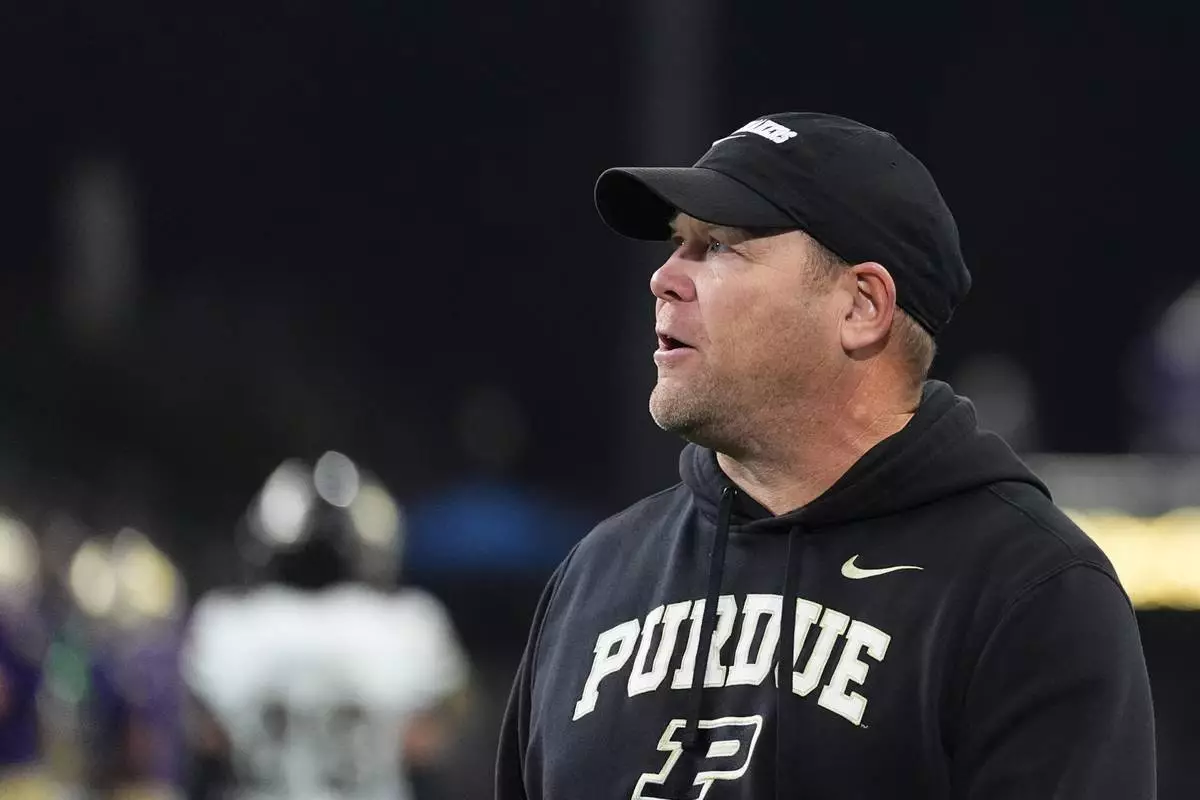
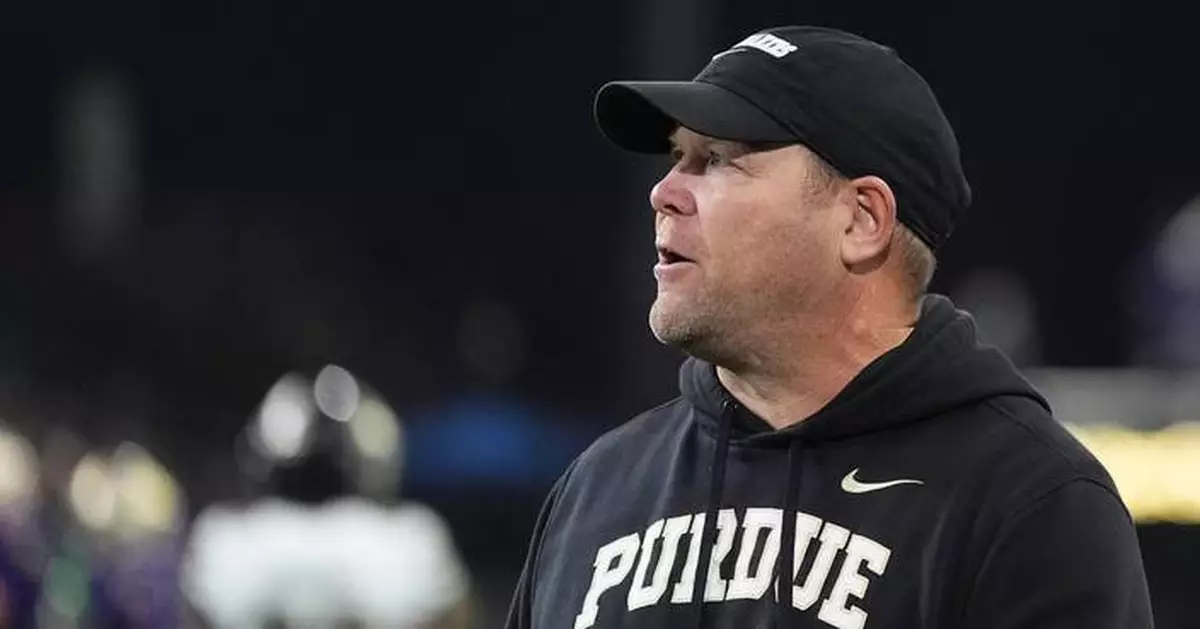
Purdue head coach Barry Odom looks on from the sideline during the first half of an NCAA college football game against Washington, Saturday, Nov. 15, 2025, in Seattle. (AP Photo/Lindsey Wasson)
ISLAMABAD (AP) — The United States and Iran began negotiations Saturday in Pakistan, days after a fragile, two-week ceasefire was announced, as the war that has killed thousands of people and shaken global markets entered its seventh week.
Iran's state-run news agency said three-party talks had begun after Iranian preconditions, including a reduction in Israeli strikes on southern Lebanon, were met, and after U.S. and Iranian officials met separately with Pakistani Prime Minister Shehbaz Sharif. There were no immediate further details, nor U.S. comment.
The U.S. delegation led by Vice President JD Vance and the Iranian delegation led by Parliament Speaker Mohammad Bagher Qalibaf were discussing how to advance the ceasefire already threatened by deep disagreements and Israel's continued attacks against the Iranian-backed Hezbollah in Lebanon.
“I cannot say whether they are sitting in the same room or in separate rooms, but talks have started and are progressing well,” said one Pakistani official with knowledge of the peace efforts, speaking on condition of anonymity because they were not authorized to talk to the media.
Iran doubled down on parts of its earlier proposal, with its delegation telling Iranian state television it had presented some of the plan’s ideas as “red lines” in meetings with Sharif. Those included compensation for damage caused by the U.S.-Israeli strikes that launched the war on Feb. 28 and releasing Iran’s frozen assets.
The war has killed at least 3,000 people in Iran, 1,953 in Lebanon, 23 in Israel and more than a dozen in Gulf Arab states. Iran's chokehold on the vital Strait of Hormuz has largely cut off the Persian Gulf and its oil and gas exports from the global economy, sending energy prices soaring. Attacks have caused lasting damage on infrastructure in half a dozen countries in the Middle East.
In Tehran, residents told The Associated Press they were skeptical yet hopeful about the talks after weeks of airstrikes left destruction across their country of some 93 million people. Some said the path to recovery would be long.
“Peace alone is not enough for our country, because we’ve been hit very hard, there have been huge costs,” 62-year-old Amir Razzai Far said.
Meanwhile, Israel pressed ahead with strikes in Lebanon after saying there is no ceasefire there. Iran and Pakistan have disagreed. The Lebanese state-run news agency reported at least three people killed. There were no reported strikes in the afternoon.
U.S. and Iranian officials claimed leverage and issued new demands and preconditions as talks approached. President Donald Trump posted repeatedly on social media leading up to Saturday, saying Iranian officials “have no cards” to negotiate with.
“The only reason they are alive today is to negotiate!” he wrote.
He accused Iran of using the Strait of Hormuz, a key artery for global energy supplies, for extortion, and told reporters Friday it would be opened “with or without them.”
On Saturday, Trump said on social media that the U.S. had begun “clearing out” the strait, but it was unclear whether he was referring to the reported use of mines there or Iran’s broader ability to control the area.
Islamabad was deserted as security forces sealed roads and authorities urged residents to stay inside.
Vance said Friday that the U.S. was optimistic about the talks, but warned: “If they’re going to try and play us, then they’re going to find that the negotiating team is not that receptive.”
Iranian Foreign Minister Abbas Araghchi had said Tehran was entering negotiations with “deep distrust” after strikes on Iran during previous rounds of talks. Araghchi, who is part of Iran’s delegation in Pakistan, said Saturday that his country was prepared to retaliate if attacked again.
Iran and the United States outlined competing proposals ahead of the talks reflecting the wide gulf on key issues.
Iran’s 10-point proposal called for a guaranteed end to the war and sought control over the Strait of Hormuz. It included ending fighting against Iran’s “regional allies," explicitly calling for a halt to Israeli strikes on Hezbollah.
The United States’ 15-point proposal includes restricting Iran’s nuclear program and reopening the strait.
Negotiations between Israel and Lebanon are expected to begin Tuesday in Washington, Lebanese President Joseph Aoun’s office said Friday, after Israel's surprise announcement authorizing talks despite the countries lack of official relations.
Israel wants the Lebanese government to assume responsibility for disarming Hezbollah, much like was envisaged in a November 2024 ceasefire. But it is unclear whether Lebanon's army can confiscate weapons from the militant group, which has survived efforts to curb its strength for decades.
Israel’s insistence that the ceasefire in Iran does not include a pause in its fighting with Hezbollah has threatened to sink the deal. The militant group joined the war in support of Iran in the opening days. Israel followed up with airstrikes and a ground invasion.
The day the Iran ceasefire deal was announced, Israel pounded Beirut with airstrikes, killing more than 300 people in the deadliest day in Lebanon since the war began, according to the country's Health Ministry.
Iran’s closure of the Strait of Hormuz has proved its biggest strategic advantage in the war. Commercial vessels have avoided the strait, effectively blocking the passage of oil, natural gas and fertilizer.
The spot price of Brent crude, the international standard for oil prices, was above $94 on Saturday, up more than 30% since the war started.
Before the conflict, around a fifth of the world’s traded oil typically passed through the strait on more than 100 ships a day. With the ceasefire in place, only 12 have been recorded transiting.
Iran has floated the idea of charging ships passing through as part of a peace deal, though the idea has been widely rejected by countries including the United States and Iran's neighbor Oman.
Metz reported from Jerusalem, Castillo from Beijing and Magdy from Cairo.
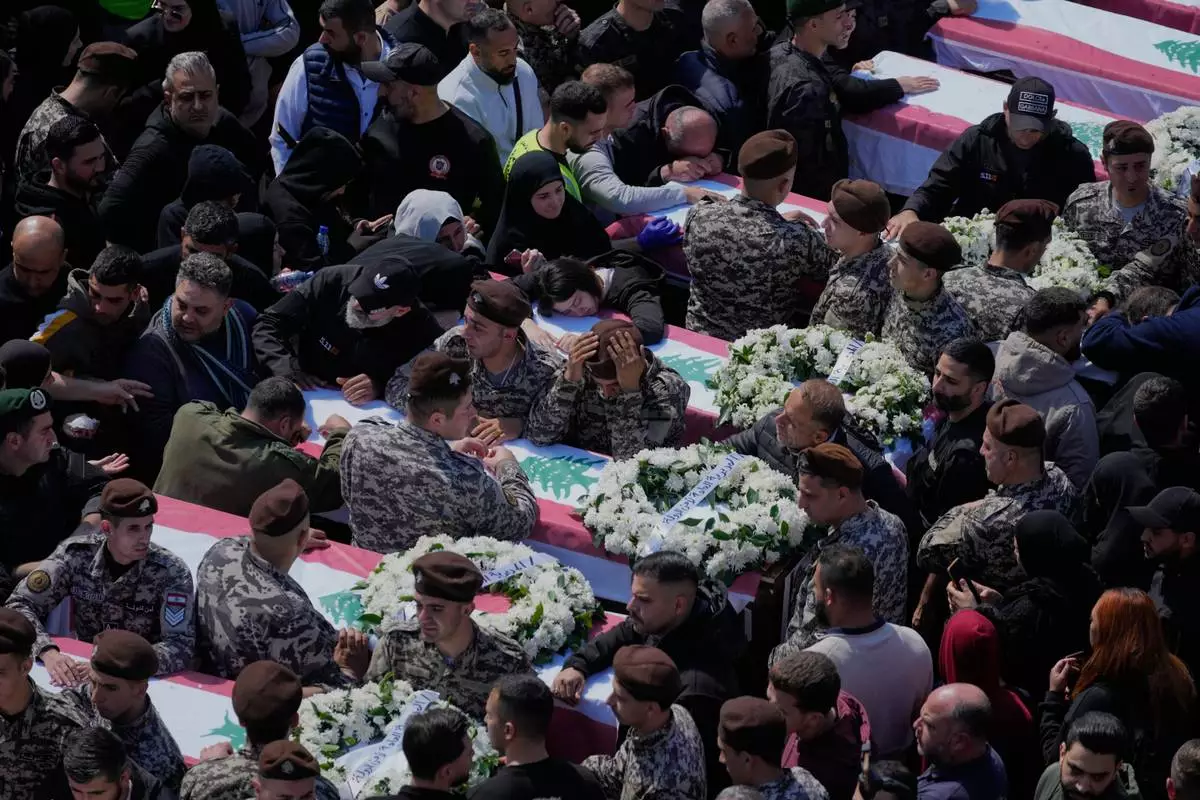
Colleagues mourn over the coffins during the funeral of 13 state security officers killed the previous day in an Israeli strike in the Lebanese coastal city of Sidon, Saturday, April 11, 2026. (AP Photo/Mohammed Zaatari)
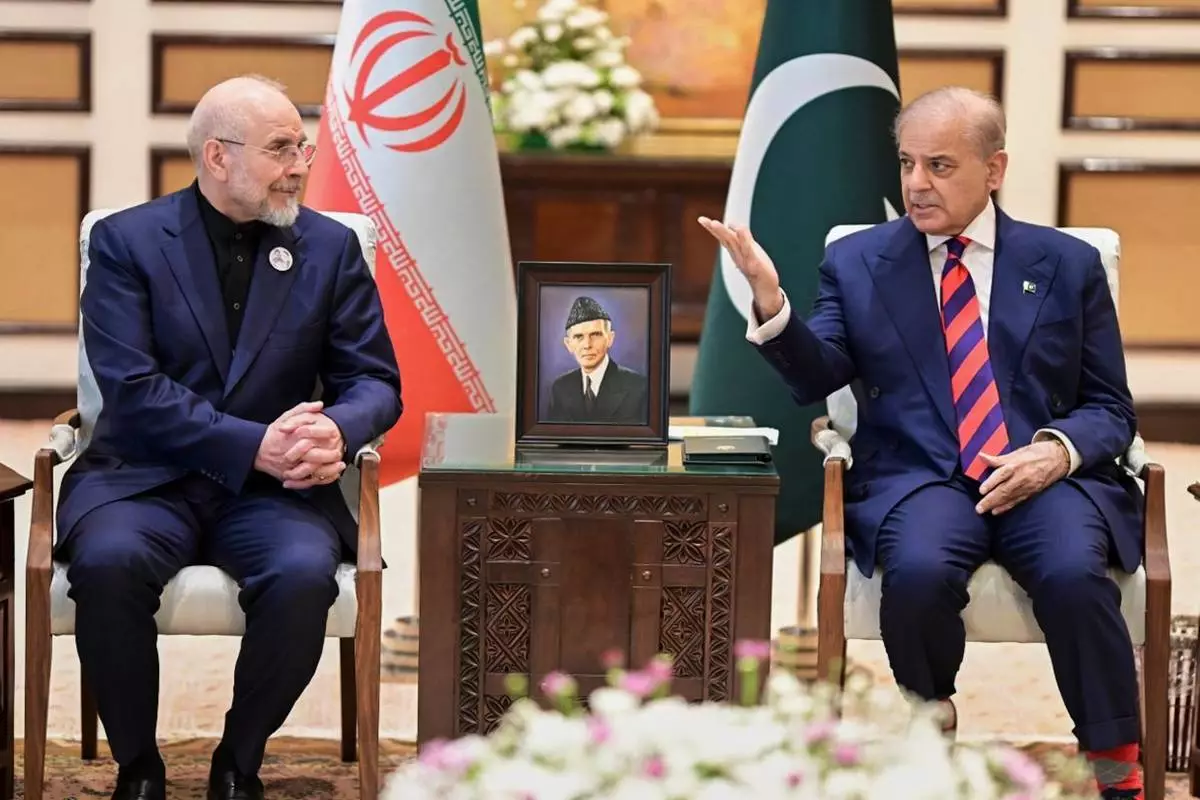
In this photo released by the Pakistan Prime Minister Office, Iran's Parliament Speaker Mohammad Bagher Ghalibaf, left, meets with hand with Pakistani Prime Minister Shehbaz Sharif, in Islamabad, Pakistan, Saturday, April 11, 2026 (Pakistan Prime Minister Office via AP)
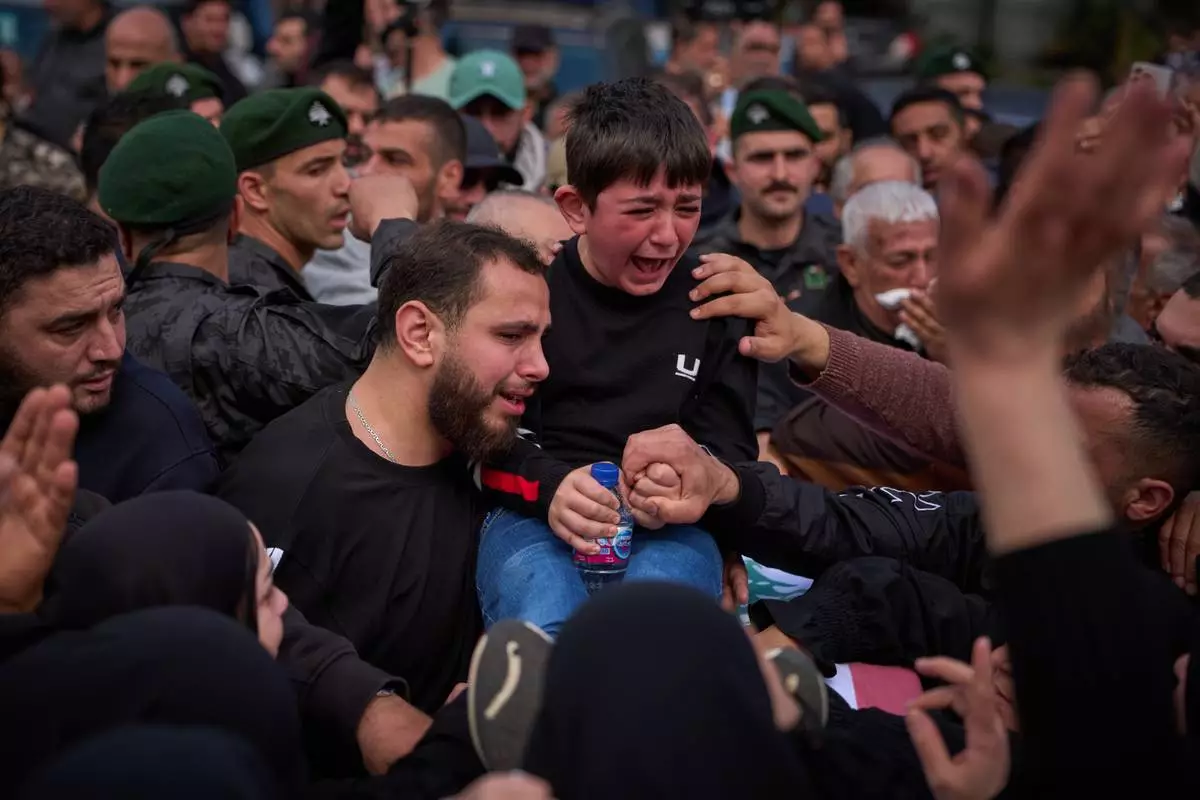
Mohammed, 8, weeps next to the coffin of his father, Hussein Makkah, during the funeral of 13 state security officers killed the previous day in an Israeli strike in Lebanon’s coastal city of Sidon, Lebanon, Saturday, April 11, 2026. (AP Photo/Emilio Morenatti)
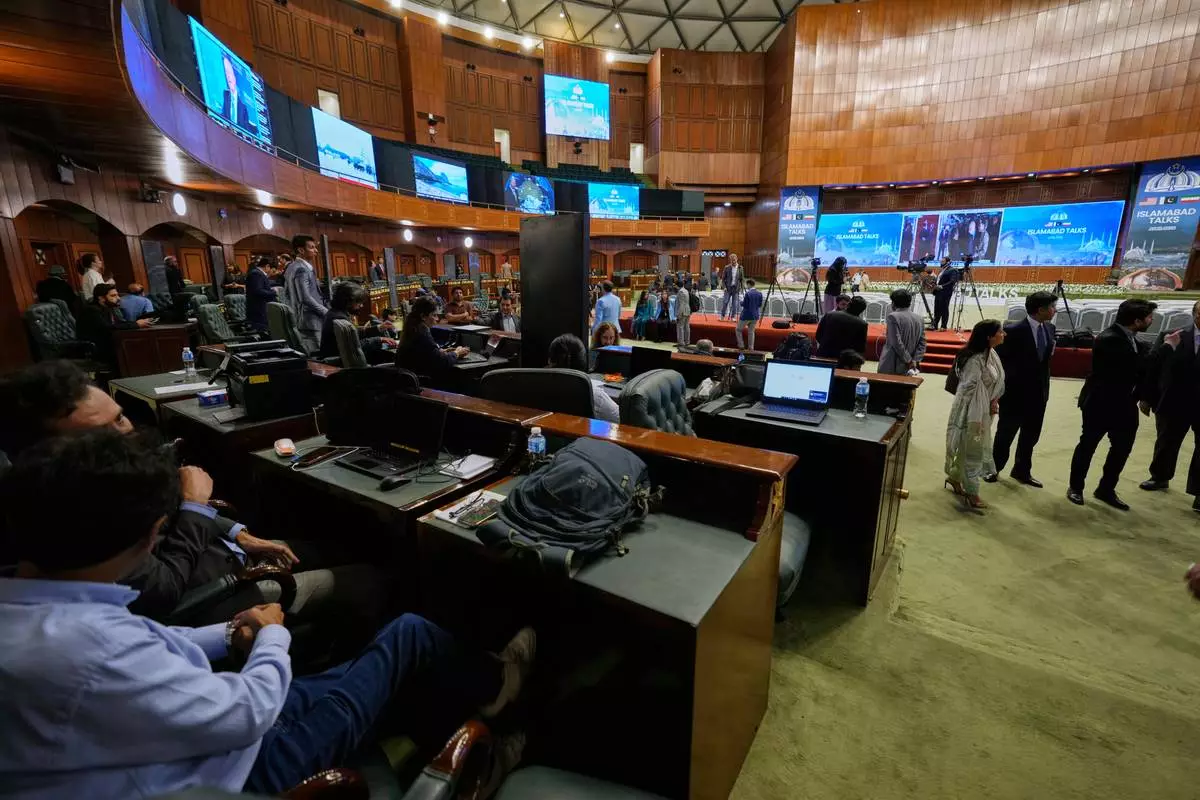
Members of the media work at a media center setup for the coverage of the US-Iran talks, in Islamabad, Pakistan, Saturday, April 11, 2026. (AP Photo/Anjum Naveed)
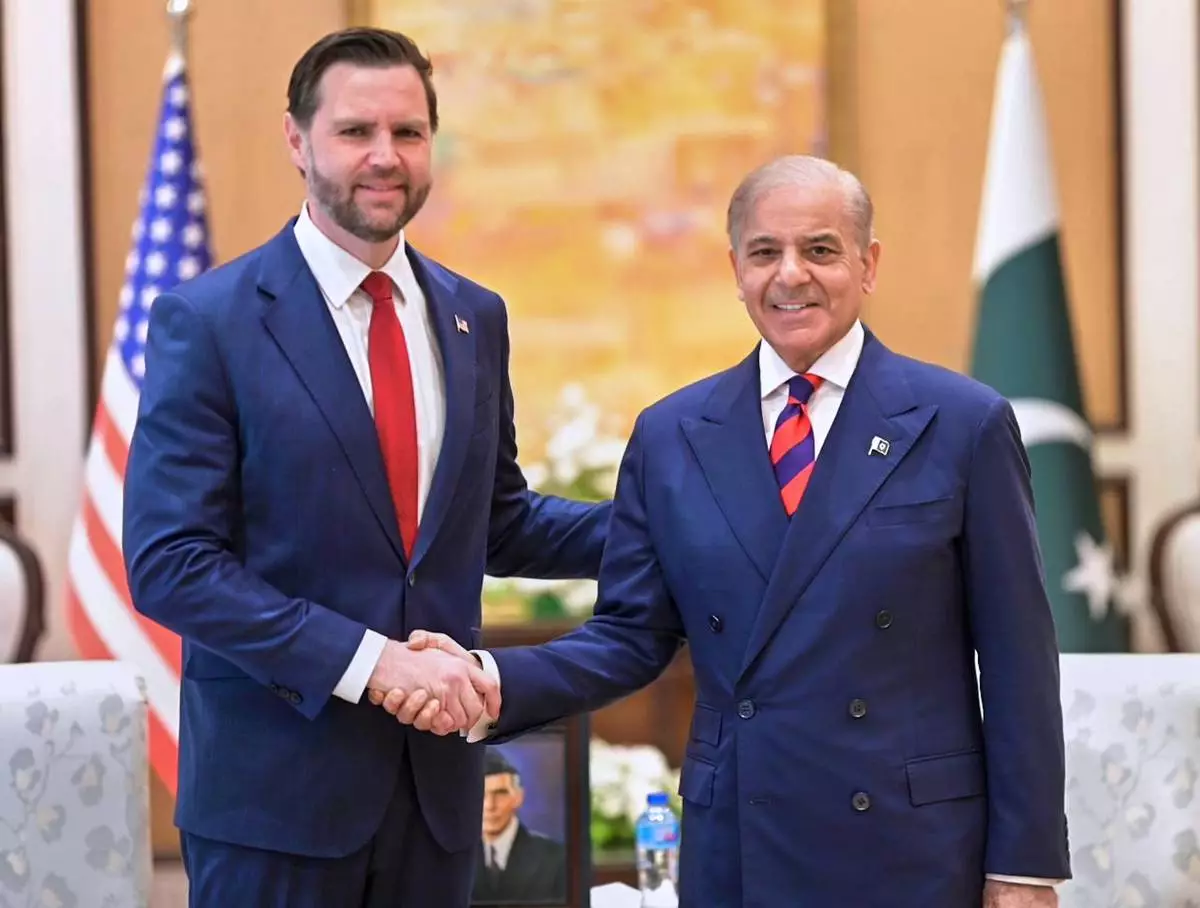
In this photo released by the Pakistan Prime Minister Office, U.S. Vice President JD Vance, left, shakes hand with Pakistani Prime Minister Shehbaz Sharif prior to their meeting, in Islamabad, Pakistan, Saturday, April 11, 2026 (Pakistan Prime Minister Office via AP)
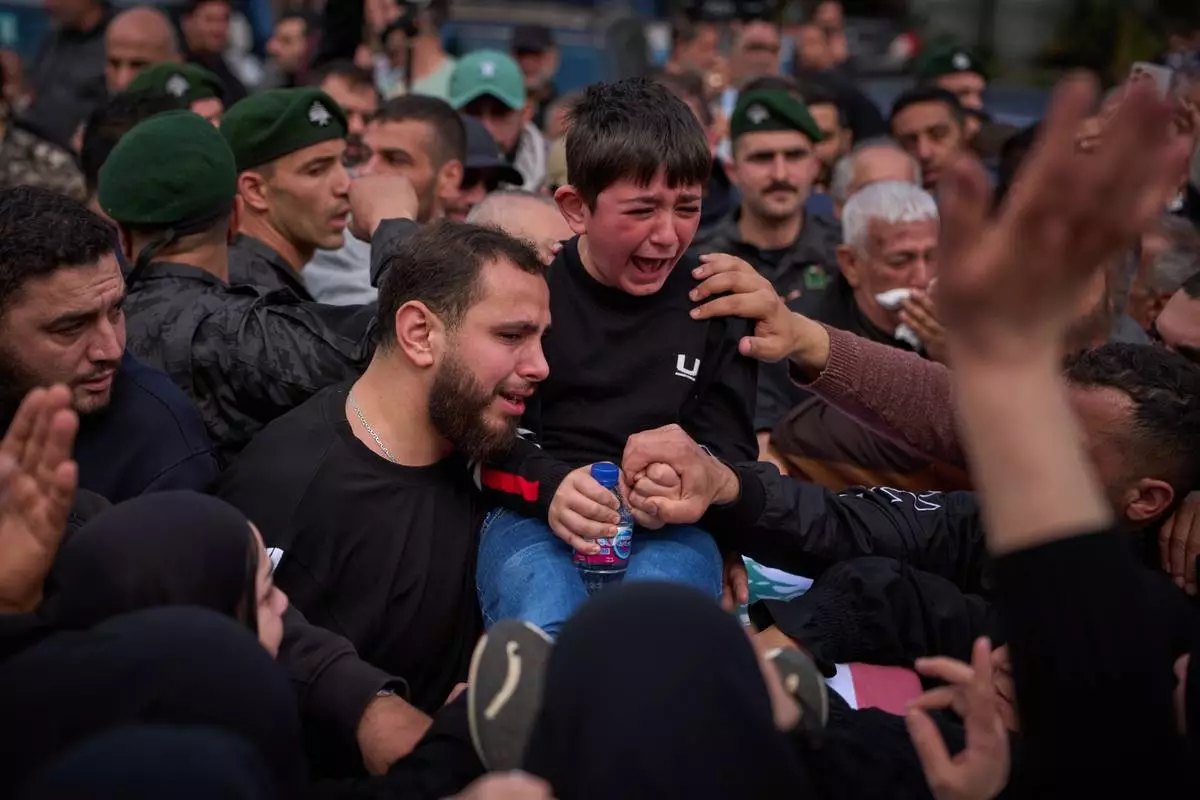
Mohammed, 8, weeps next to the coffin of his father, Hussein Makkah, during the funeral of 13 state security officers killed the previous day in an Israeli strike in Lebanon’s coastal city of Sidon, Lebanon, Saturday, April 11, 2026. (AP Photo/Emilio Morenatti)
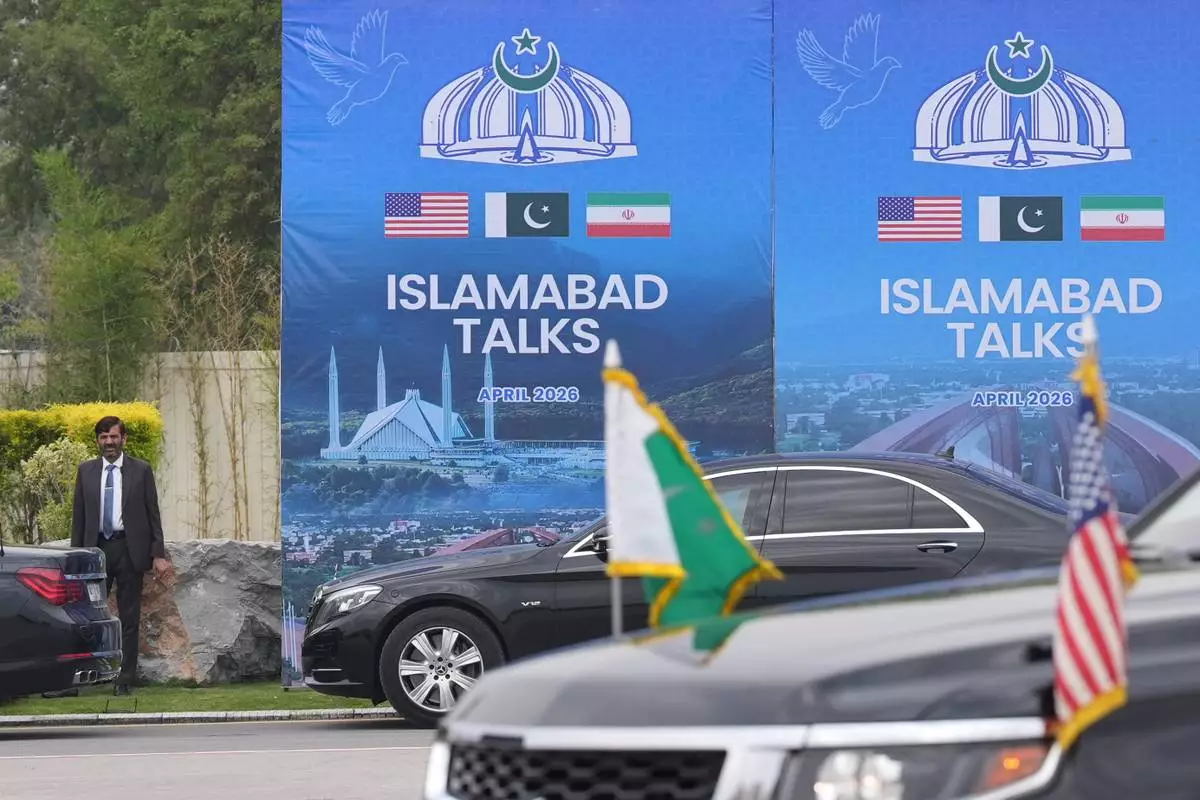
A Pakistani official is seen during the arrival of the U.S. Vice President JD Vance for talks with Iranian officials in Islamabad, Pakistan, Saturday, April 11, 2026. (AP Photo/Jacquelyn Martin, Pool)
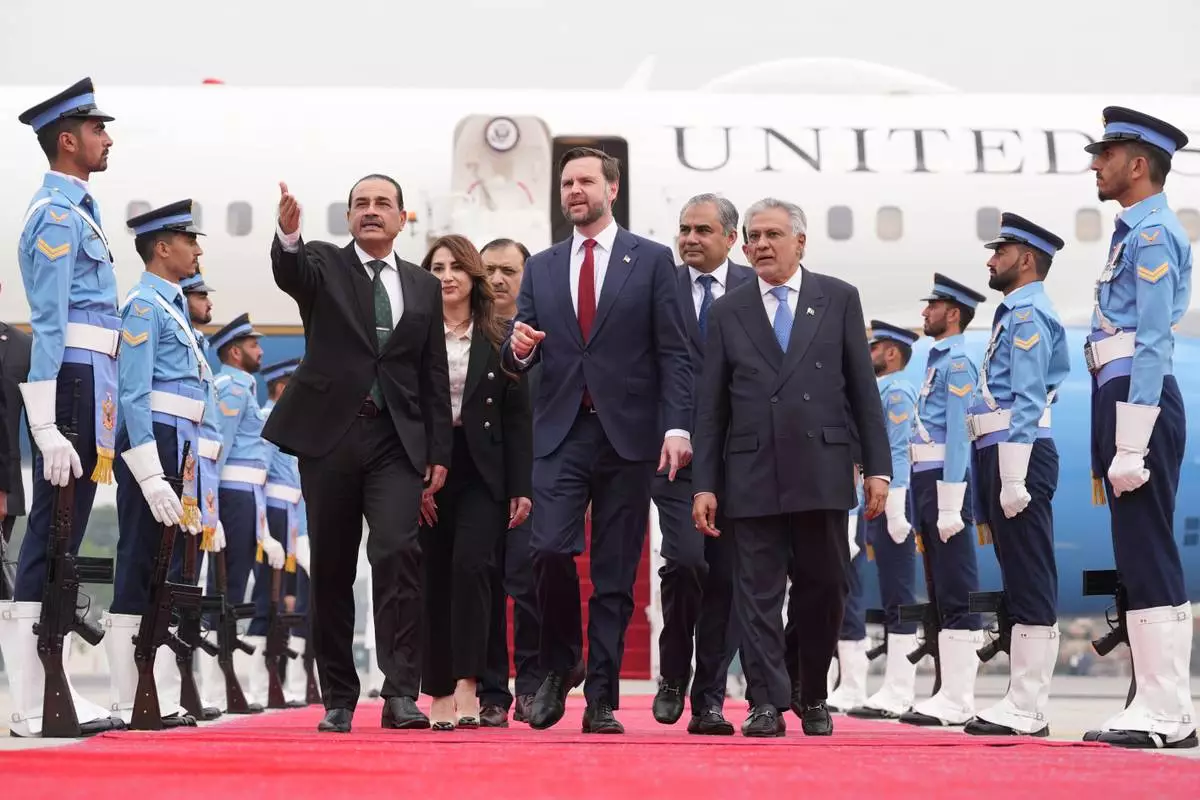
U.S. Vice President JD Vance, center, walks with Pakistan's Chief of Defence Forces and Chief of Army Staff Field Marshall Asim Munir, left, and Pakistani Deputy Prime Minister and Foreign Minister Mohammad Ishaq Dar after arriving for talks with Iranian officials in Islamabad, Pakistan, Saturday, April 11, 2026. (AP Photo/Jacquelyn Martin, Pool)
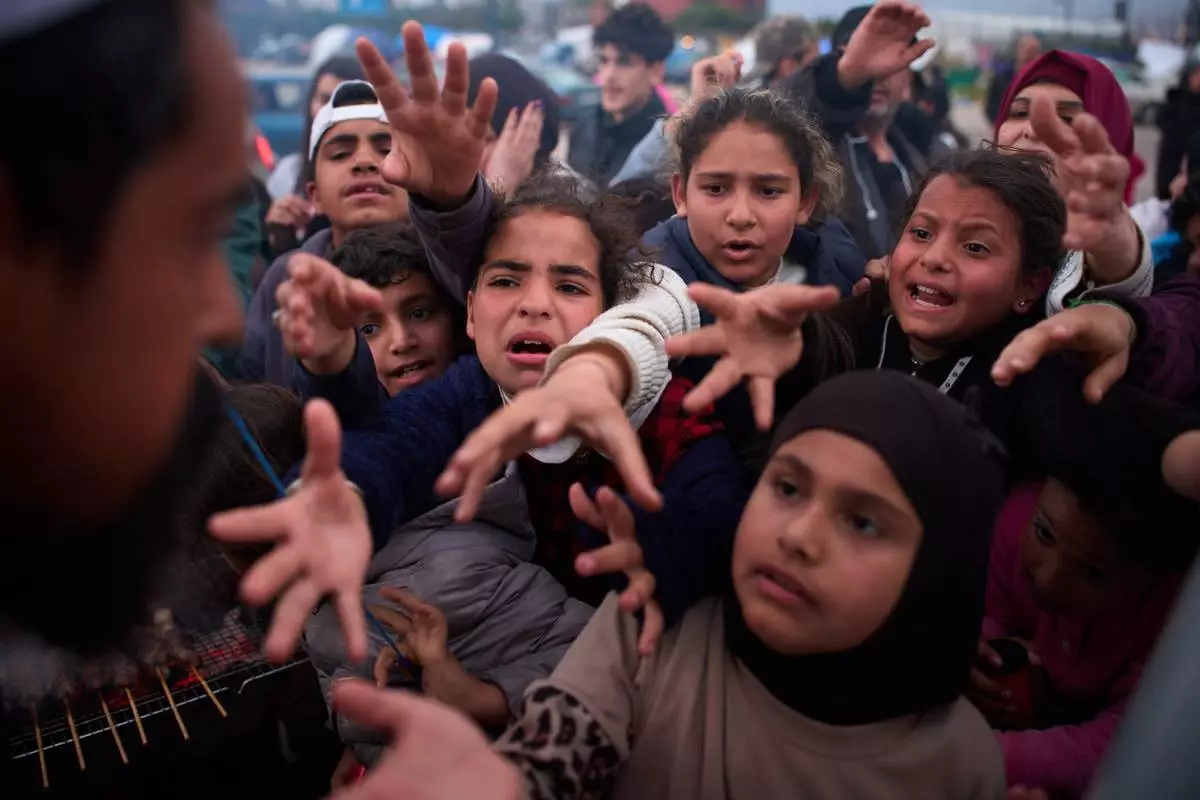
Displaced families extend their hands while waiting for donated food beside the tents they use as shelters after fleeing Israeli bombardment in southern Lebanon, in Beirut, Lebanon, Thursday, April 9, 2026. (AP Photo/Emilio Morenatti)
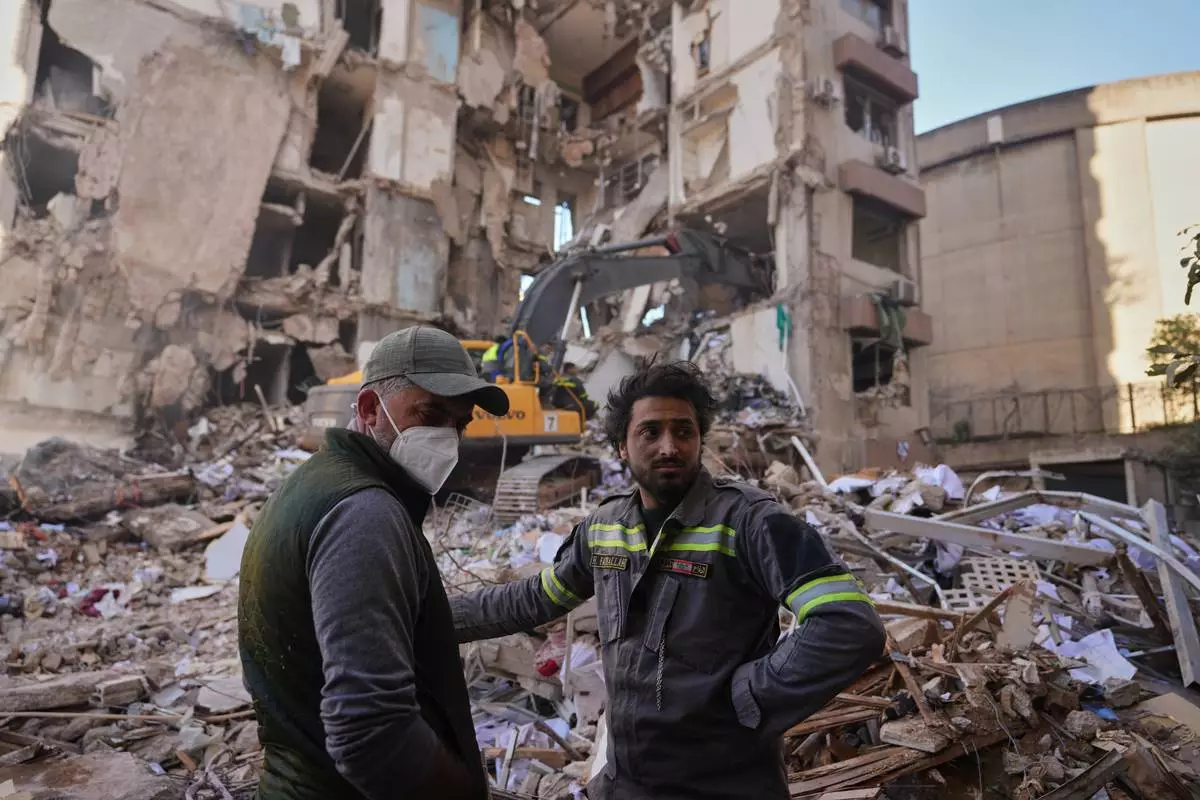
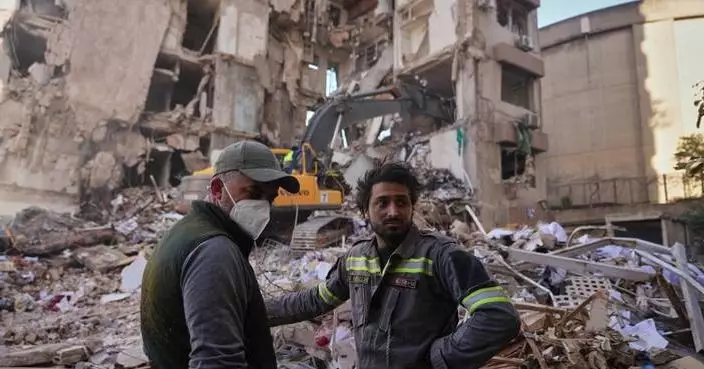
A Lebanese civil defense worker, right, stands with a resident at the site of a building destroyed in an Israeli airstrike a day earlier in central Beirut, Lebanon, Thursday, April 9, 2026. (AP Photo/Hassan Ammar)
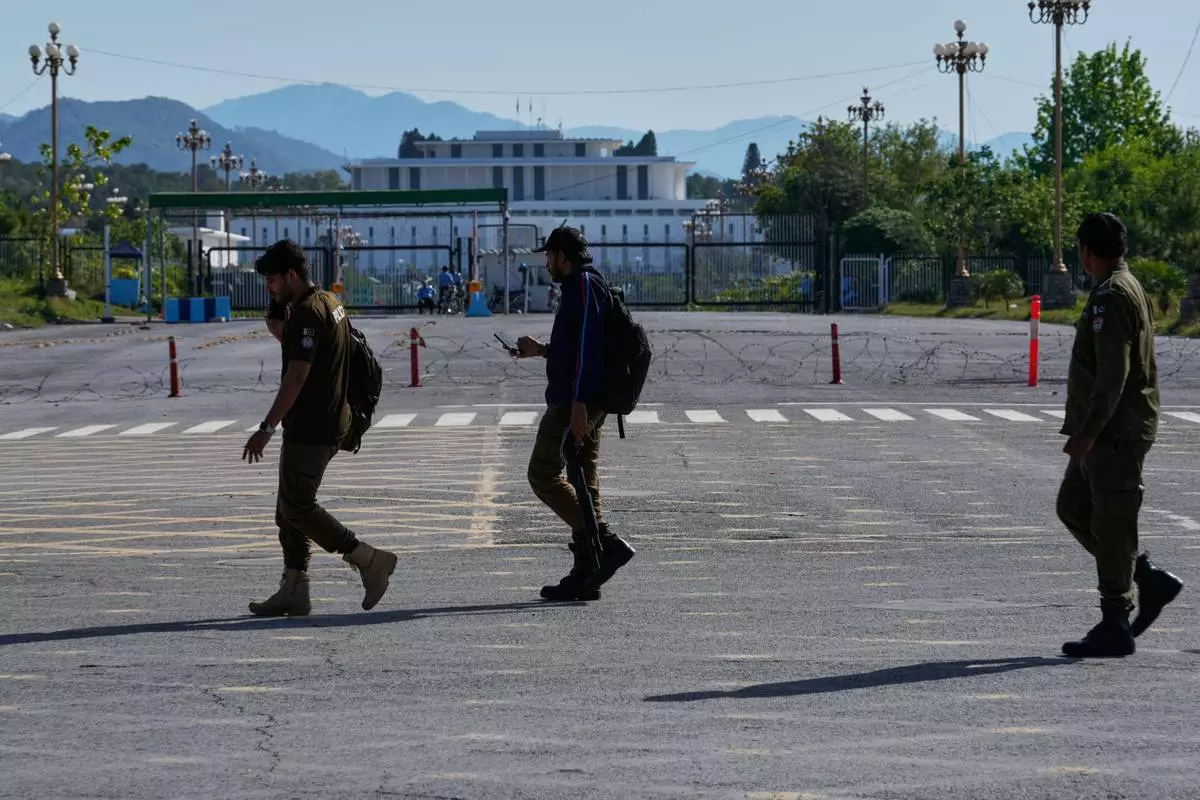
Police officers take position in Islamabad, Pakistan, to ensure security ahead of possible negotiations between Iran and the United States, Friday, April 10, 2026. (AP Photo/Anjum Naveed)
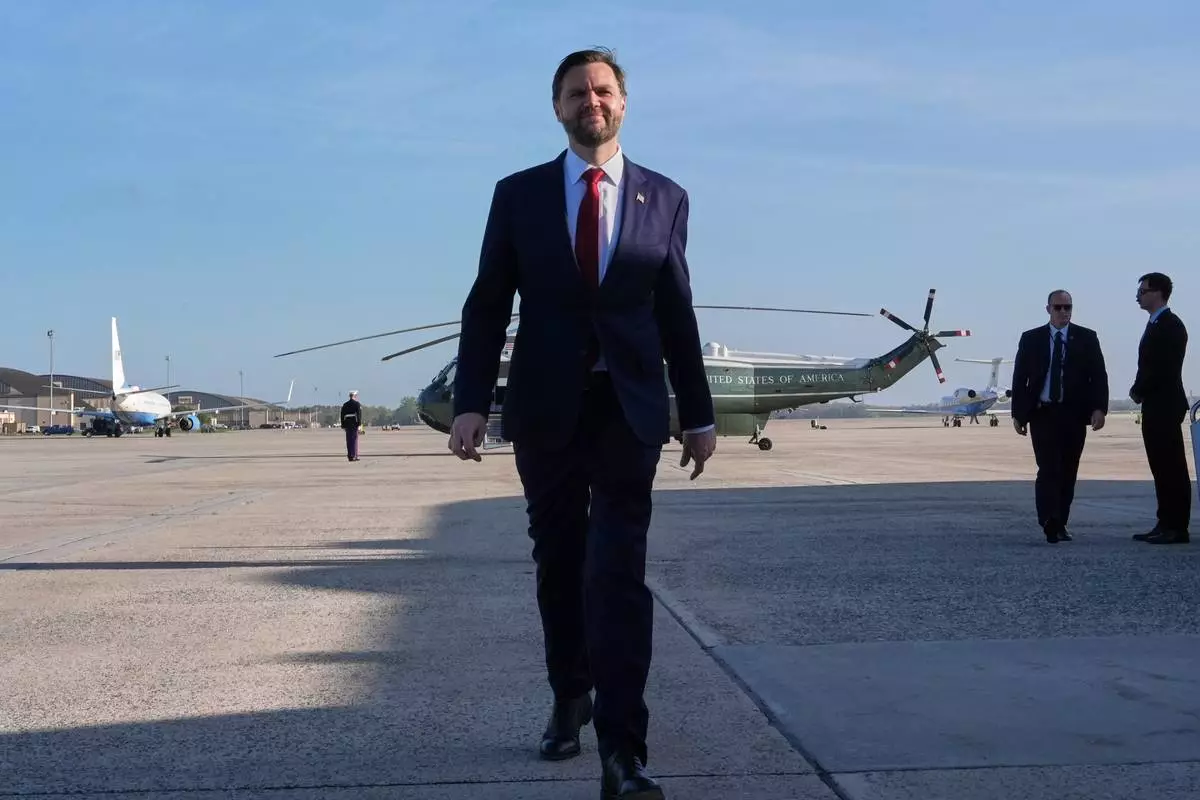
Vice President JD Vance walks to speak with the Press before boarding Air Force Two, Friday, April 10, 2026, at Joint Base Andrews, Md., for expected departure to Pakistan, for talks on Iran. (AP Photo/Jacquelyn Martin, pool)
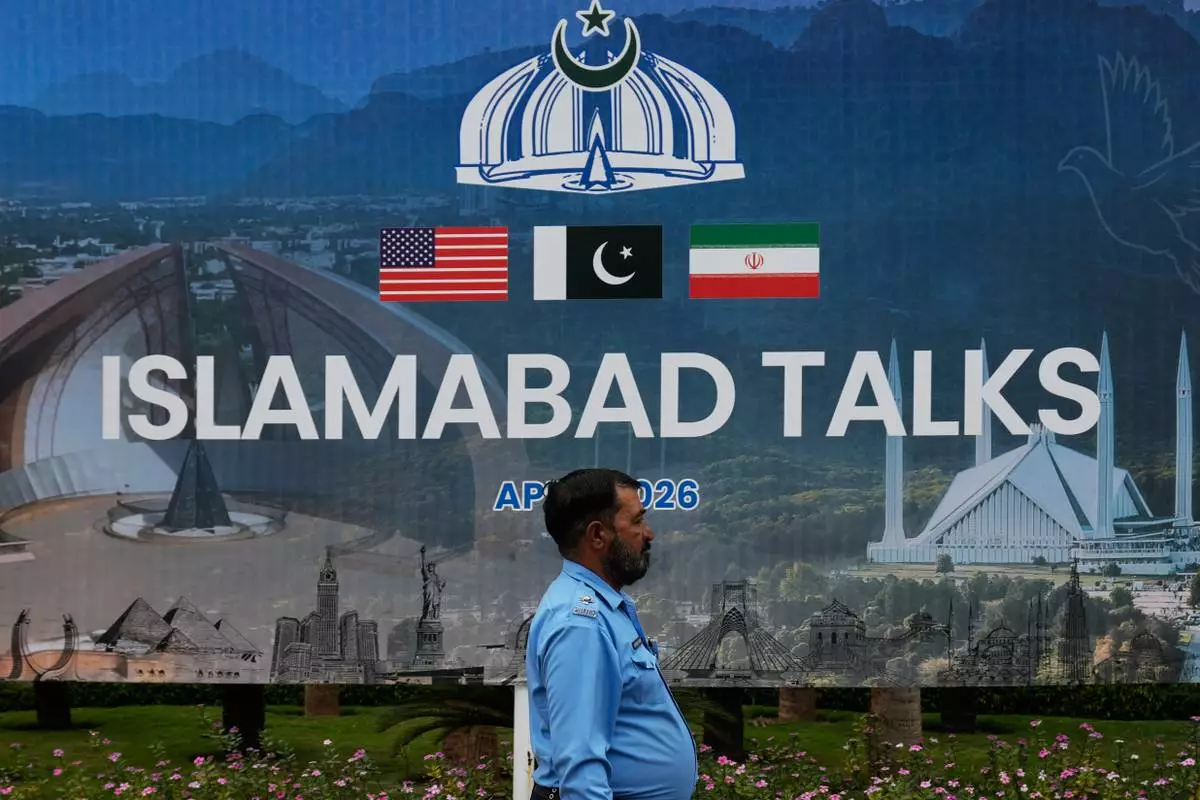
A police officer walks past a billboard regarding the United States and Iran negotiations, outside a media facilitation center in Islamabad, Pakistan, Saturday, April 11, 2026. (AP Photo/Anjum Naveed)