LEICESTER, England & BURLINGTON, Mass.--(BUSINESS WIRE)--Dec 1, 2025--
Perpetual Atomics Ltd, based in the UK, and QSA Global, Inc., based in the USA, have solved a key challenge in space nuclear power: turning americium dioxide into stable, large-scale pellets via an industrially scalable process suitable for direct use in the production of sealed sources for radioisotope power systems.
This press release features multimedia. View the full release here: https://www.businesswire.com/news/home/20251201707888/en/
Through this collaboration, Perpetual Atomics – a spin-out from the University of Leicester, based at Space Park Leicester, the University’s £100 million science and innovation park – and QSA Global have achieved a major step forward in processing americium into sealed sources for radioisotope power systems, including radioisotope heater units (RHUs) and radioisotope thermoelectric generators (RTGs).
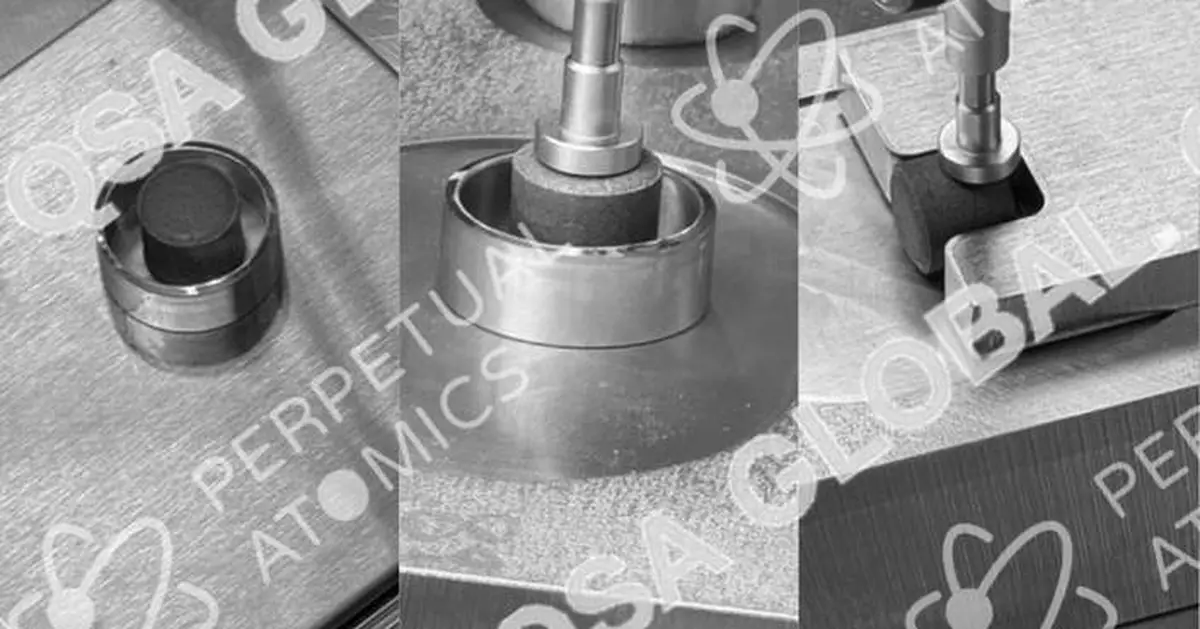
Using a new process not previously applied to americium, the team have produced the largest reported ceramic americium pellet of this type. Developed via an industrially scalable method for producing robust americium pellets, these can be directly integrated into sealed power-systems. This development helps unlock reliable, long-duration power for future space missions.
The production of stable americium pellets in the dimensions required for 3-watt thermal RHUs is the result of a rapid and focused development effort. The process is scalable and amenable to industrialization, producing high-density pellets with high volumetric power density—critical to maximizing specific power in radioisotope power systems. The new approach is rapid, minimizes pellet volume and waste, and maximizes throughput, enabling the production of larger-scale pellets tailored to the needs of future power systems. A ceramic fuel form is an important requirement for space applications. This milestone has been achieved in just one year since the Perpetual Atomics–QSA Global collaboration began, underscoring the speed and effectiveness of the joint development effort.
This advance is a great example of transatlantic collaboration and accelerates the availability of sustainable, reliable power solutions for some of the most challenging environments in space.
Perpetual Atomics builds on over 20 years of expertise in space nuclear power systems, space science, and space exploration. Working across the full vertical—from fuel to heat sources and power systems—Perpetual Atomics provides innovative solutions to space mission power challenges, supporting mission “survive the night” capability and operation in the most demanding environments.
QSA Global, with decades of experience designing and producing commercial radioisotope sealed sources for industrial use in the harshest terrestrial environments, is a natural partner for this development. The company’s infrastructure, quality systems, and proven track record make it an ideal collaborator as Perpetual Atomics expands its portfolio and international footprint.
Building on Perpetual Atomics’ 2024 launch, this development further underscores the company’s commitment to integrating technology, strategic partnerships, and innovation at the core of its operations, with a focus on delivering deployable, real-world solutions.
Dr. Ramy Mesalam, Chief Technical Officer of Perpetual Atomics, commented: “We are very excited about this development as it underscores the importance of the fundamental science and engineering required to develop new technologies, as well as the empirical nature of the challenge. Developing the fuel form and a stable processing method was the primary challenge and this was successfully addressed first with surrogates and then translated to americium in collaboration with the QSA team in record time.”
Dr. Joe Lapinskas, Director of Innovation and Marketing at QSA Global, said: “At QSA Global, we’re proud to have played a hands-on role in this breakthrough — from helping to develop the americium fuel form and the underlying manufacturing techniques to actually producing the first pellets themselves. In just one year of working together, Perpetual Atomics and QSA Global have gone from concept to manufacturable fuel pellets. By combining Perpetual Atomics’ space nuclear power expertise with QSA Global’s decades of sealed source design, qualification, and high-reliability manufacturing, we’re turning a promising concept into real hardware ready to power the next generation of demanding space missions.”
Professor Richard Ambrosi, Chief Scientific Officer and founding director of Perpetual Atomics, said: “This collaboration and the capabilities of the teams in Leicester and at QSA Global are unique. The speed of this development and its historic implications are significant. It is a testament to the world-leading capability, know-how, and focus that have enabled this success. The multi-decadal expertise in space nuclear power systems within Perpetual Atomics, covering the whole vertical, is enabling this acceleration towards deployable products and systems.”
Matthew Cook, Head of Space Exploration at the UK Space Agency, said: “This is an exciting breakthrough that demonstrates the UK’s growing leadership in space nuclear power systems. The work by Perpetual Atomics and QSA Global, shows how international collaboration can accelerate innovation and turn ambitious concepts into deployable technology at remarkable speed.
“Radioisotope power systems will be essential for future deep space missions and exploring extreme environments like the Lunar South Pole. By developing scalable americium fuel pelleting processes here in the UK, we’re ensuring British expertise remains at the forefront of this critical technology.”
William Wells, Chief Executive Officer of Space Park Leicester, said: “We’re so proud to have provided a collaborative environment for Perpetual Atomics to enable it to continue to go from strength to strength.
“This is a fantastic example of how Space Park Leicester acts as a hub for space innovation and industry-academia collaboration.”
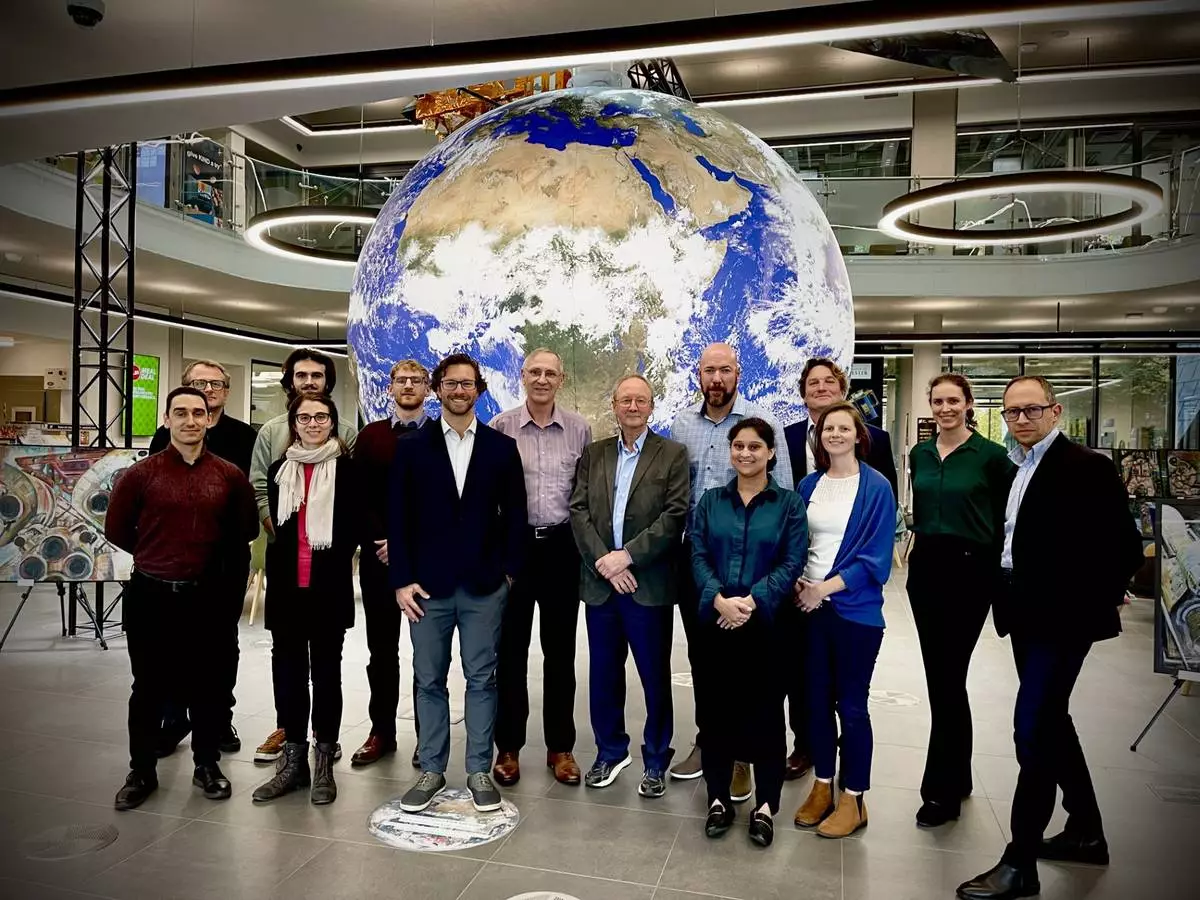
Perpetual Atomics. QSA Global & University of Leicester at Space Park Leicester.
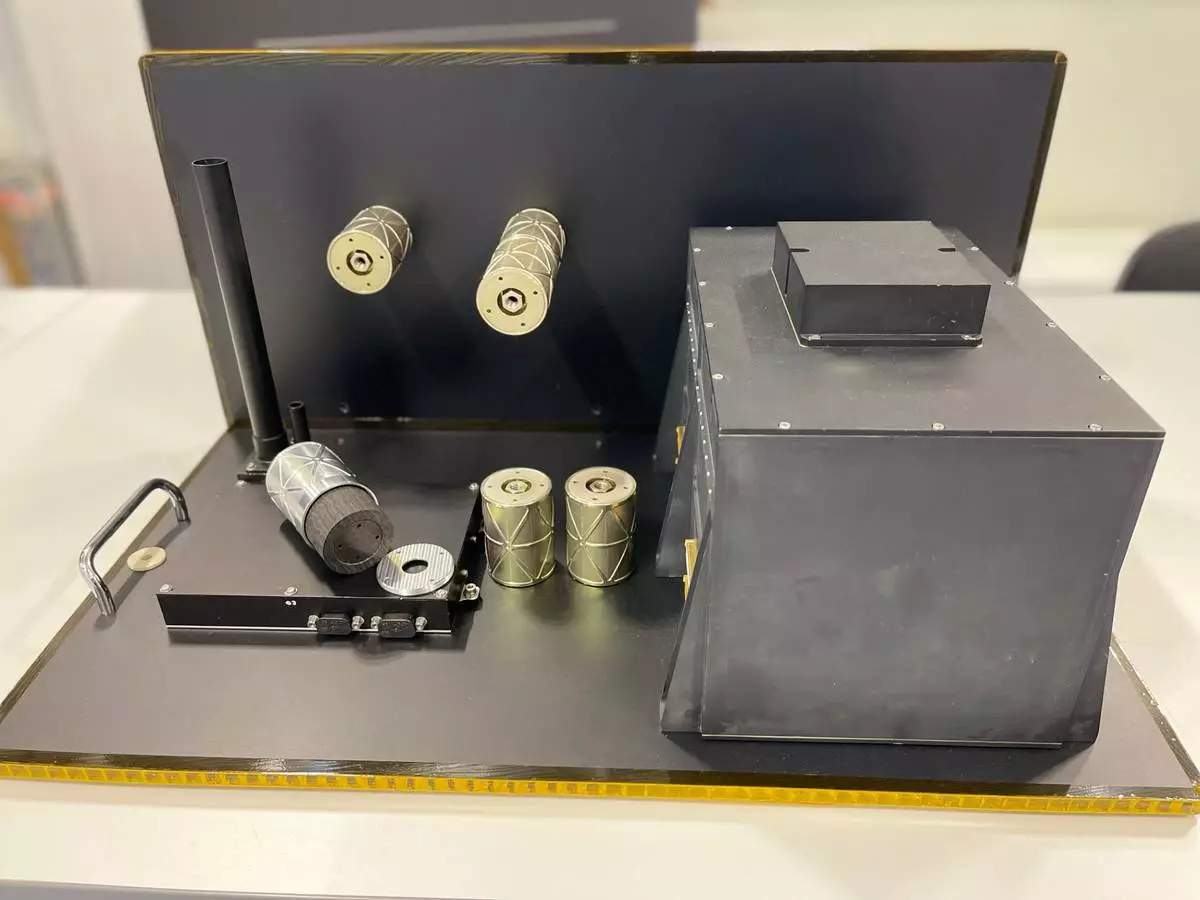
RHUs arranged in a spacecraft structure cutaway.
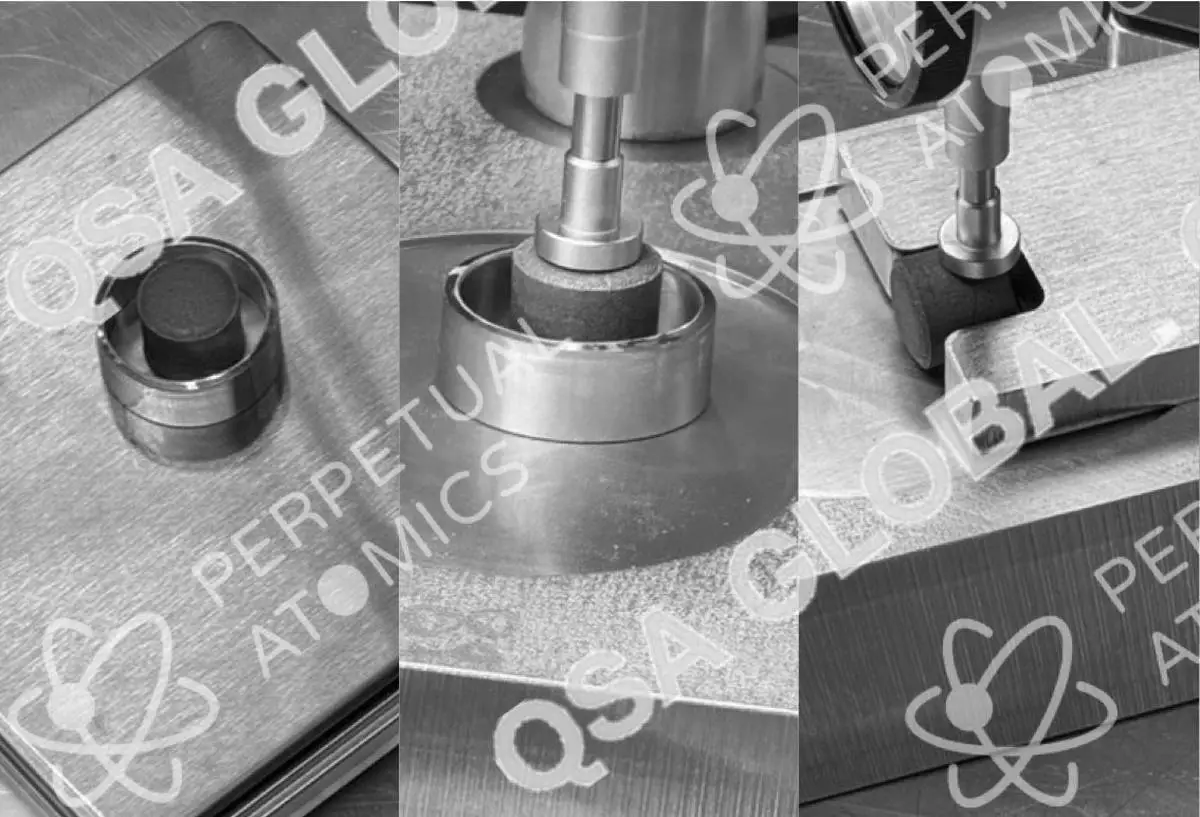
Ceramic americium pellet for radioisotope heater unit (RHU).