China urges Japan to fulfill its obligations as a defeated country in World War II and to honor its commitments to China and the international community through tangible actions, Foreign Ministry spokesman Lin Jian said at a regular press conference in Beijing on Tuesday.
Lin made the remarks in response to the letter sent to United Nations Secretary-General Antonio Guterres by Fu Cong, China's permanent representative to the UN, on Monday. Fu's letter firmly refutes the unreasonable arguments by Japan's permanent representative to the UN in his letter to the UN secretary-general last week, and elaborates on the position of the Chinese government.
"Japanese Prime Minister Sanae Takaichi's erroneous remarks on Taiwan openly challenge the victorious outcomes of World War II and the post-war international order, and constitute a serious violation of the purposes and principles of the Charter of the United Nations. China's letter to the UN secretary-general setting out our solemn position was entirely justified and necessary," said Lin.
"The letter by the Japanese side is full of erroneous views and lies. The Japanese side mentioned in the letter the so-called 'consistent position' on the Taiwan question. But as to what exactly this 'consistent position' is, the Japanese side has continued to evade the question and has yet to give China a direct answer. We ask the Japanese side once again: Can the Japanese government provide the international community with a complete and accurate explanation of its 'consistent position' on the Taiwan question as laid down in the four political documents between the two countries?" said the spokesman.
"The Japanese side claims that Japan adheres to a 'passive defense strategy, which is exclusively defense-oriented,' and asserts that Takaichi's remarks were grounded in this position. Taiwan is Chinese territory. How to resolve the Taiwan question is a matter for the Chinese ourselves and brooks no external interference. Yet Sanae Takaichi linked Japan's 'survival-threatening situation' with a 'Taiwan contingency,' implying the use of force against China. Is this what the Japanese side's 'passive defense strategy, which is exclusively defense-oriented,' means?" said Lin.
"In Article 2(4) of Chapter I, the Charter of the United Nations stipulates that 'All Members shall refrain in their international relations from the threat or use of force.' As a sitting leader of a defeated country in WWII, Takaichi threatened a victorious country with the use of force in case of a 'survival-threatening situation.' How could the Japanese side have the audacity to claim that it 'has always respected and adhered to international law, including the UN Charter'?" said Lin.
"The Japanese side also insinuates accusations regarding the defense development and 'coercive measures' of other countries. This is nothing but blame-shifting. In fact, since Japan's defeat, right-wing forces within Japan have never ceased attempts to whitewash its history of aggression. Japan has increased its defense budget for 13 consecutive years, removed the ban on exercising the right to collective self-defense, relaxed restrictions on arms exports more than once, developed the capability to strike enemy bases, attempted to alter the 'three non-nuclear principles,' further hollowed out the provisions on Japan clearly stipulated in the Cairo Declaration and the Potsdam Proclamation, and gone back on its commitments made on the constitution. It is the Japanese side, not others, that has been 'engaged in the prolonged expansion of military capabilities', taking 'coercive measures' and attempting 'unilateral changes to the status quo despite opposition from neighboring countries'," he said.
"Given all these reasons, the Permanent Mission of China to the UN once again sent a letter to the UN secretary-general and reiterated the Chinese side's stern position. This year marks the 80th anniversary of the victory in the Chinese People's War of Resistance Against Japanese Aggression and the World Anti-Fascist War. China firmly opposes the Japanese side reversing the course of history, challenging the post-war international order, and honoring the militarists. We once again urge the Japanese side to earnestly do soul-searching, rectify its wrongdoings, fulfill its obligations as a defeated country, take practical steps to honor its commitments to China and the international community, and stop reneging on its words again," the spokesman said.
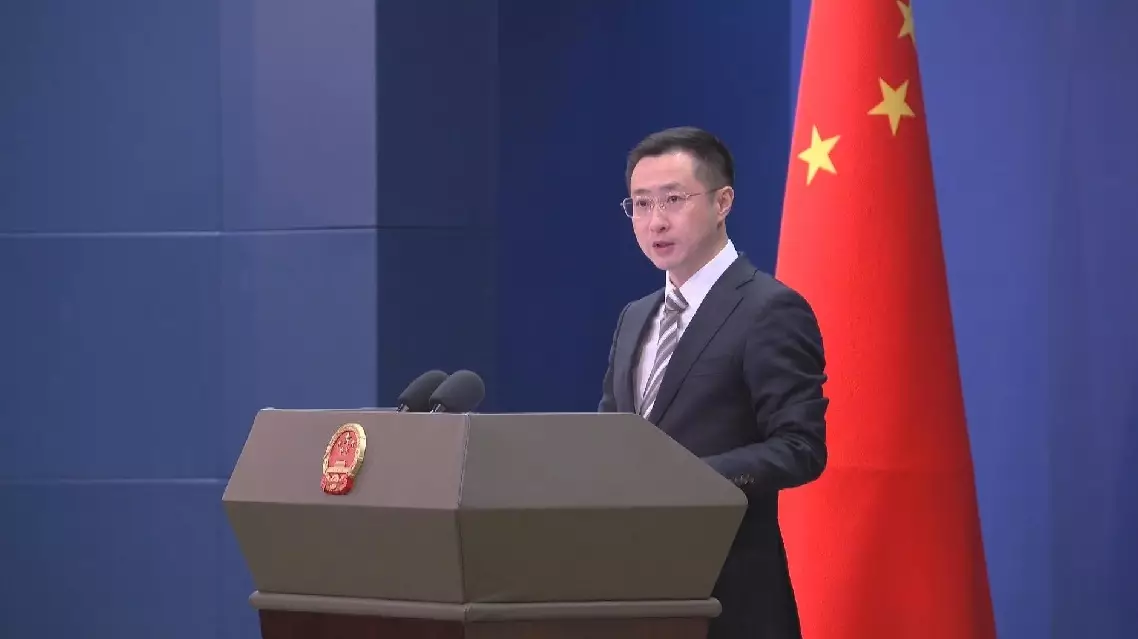
China urges Japan to fulfill obligations as defeated country in WWII
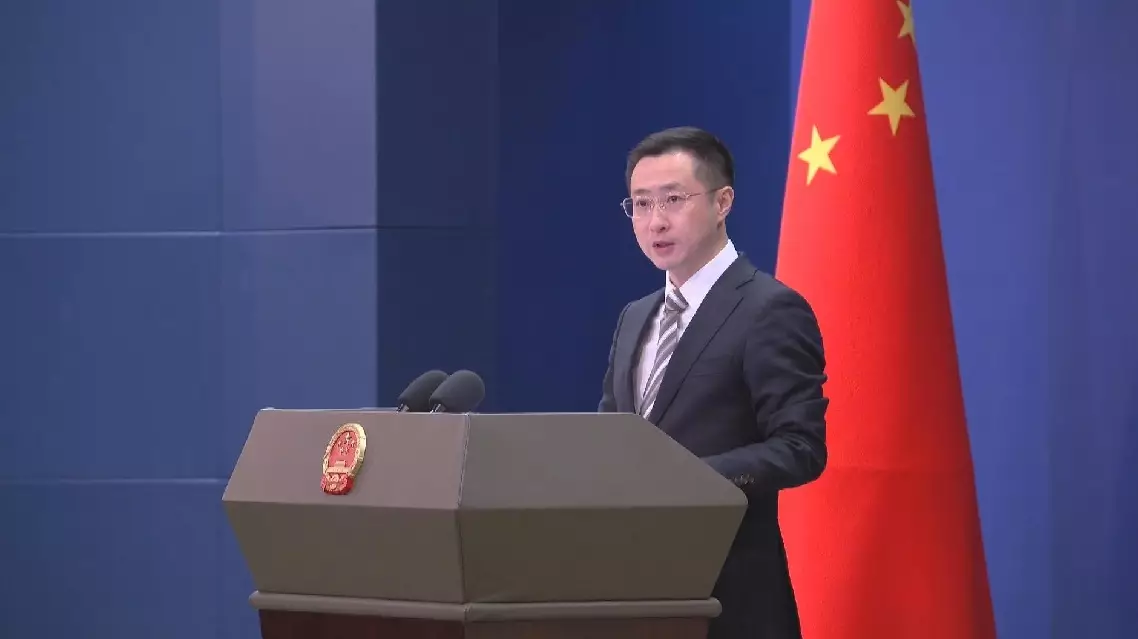
China urges Japan to fulfill obligations as defeated country in WWII