Flights are continuing to operate from Venezuela's Simón Bolívar International Airport, the country's main airport in the capital Caracas, despite a threat from U.S. President Donald Trump to close the country’s airspace.
Trump posted on social media on Saturday that Venezuelan airspace should be "closed in its entirety," in a threat that drew strong international condemnation
Click to Gallery
Flights continue at Venezuela's main airport despite Trump’s threat to close airspace
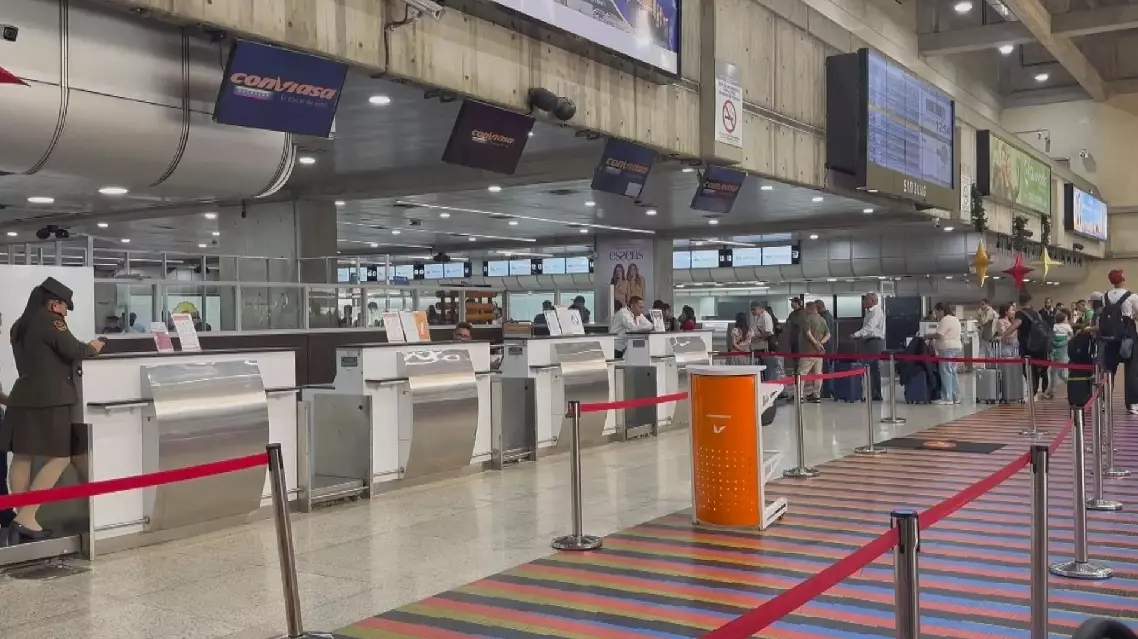
Flights continue at Venezuela's main airport despite Trump’s threat to close airspace
Flights continue at Venezuela's main airport despite Trump’s threat to close airspace
Flights continue at Venezuela's main airport despite Trump’s threat to close airspace
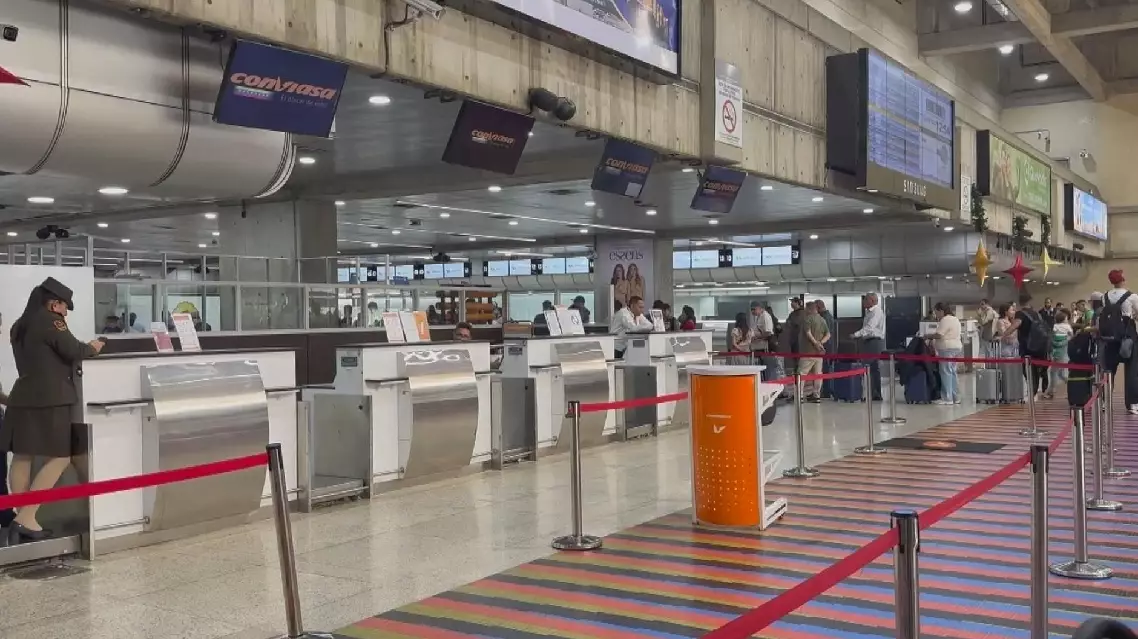
At the airport, known locally as Maiquetia, flights to and from Panama and Curacao were posted on the arrival hall's large display board, with some flights listed as having already arrived.
Long lines of passengers waited at the check-in counters for a flight from Caracas to Panama City on Panama's Copa Airlines.
Several international airlines suspended flights last week after the U.S. Federal Aviation Administration issued a notice citing a "deteriorating security situation" in Venezuela's airspace.
Airport services and facilities have been operating normally since then, but passenger numbers have dropped due to reduced flight availability and concerns about further cancellations.
"I asked the airline if there were any restrictions or cancellations. They told me no, so I came," said a passenger.
"People have been deeply affected by the talk about 'closing the airspace.' Everyone is worried, people want calm. These comments caused a lot of anxiety, but right now we feel calm about our flights and hope everything will be fine," said another passenger.
Since November 22, major international carriers, including Spain's Iberia, Colombia's Avianca, and Chile-based LATAM Airlines, have suspended their Venezuela routes.
In response, Venezuela revoked the operating permits of six airlines, stressing that the U.S. has no jurisdiction over Venezuelan airspace.
Panama's Copa Airlines, Colombia's Wingo, and several Venezuelan domestic carriers have confirmed that they are continuing normal operations.
Colombian President Gustavo Petro announced on Monday that civil aviation services between Colombia and Venezuela would resume and called on other countries to follow suit. Petro emphasized that the U.S. has no right to close Venezuelan airspace, stating that the U.S. can only restrict its own airlines' operations and has no authority to impose restrictions on airlines from other countries.
Flights continue at Venezuela's main airport despite Trump’s threat to close airspace
Flights continue at Venezuela's main airport despite Trump’s threat to close airspace
Flights continue at Venezuela's main airport despite Trump’s threat to close airspace
Flights continue at Venezuela's main airport despite Trump’s threat to close airspace