Japanese Prime Minister Sanae Takaichi's erroneous remarks regarding China's Taiwan region have brought risks to various sectors in Japan, said Hidetoshi Tashiro, chief economist of Japan's Infinity LLC.
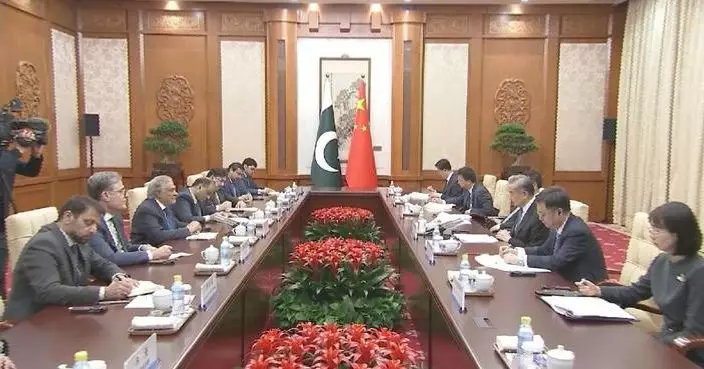
In early November, Takaichi said on an official occasion that the Chinese central authorities' "use of force on Taiwan" could constitute a "survival-threatening situation" for Japan, and implied the possibility of Japan's armed intervention in the Taiwan Strait. Despite multiple representations and protests from China, the Japanese side has refused to retract the remarks.
Such erroneous remarks have undermined the political foundation of China-Japan relations and severely deteriorated the atmosphere of people-to-people exchange between the two countries.
"For Japan, concepts such as 'survival-threatening situation' or 'collective self-defense' are meant to respond to the demands of the United States. Given the difficult fiscal situation, proposing an increase in the defense budget is unacceptable to the Japanese public," said Tashiro in an interview with China Media Group.
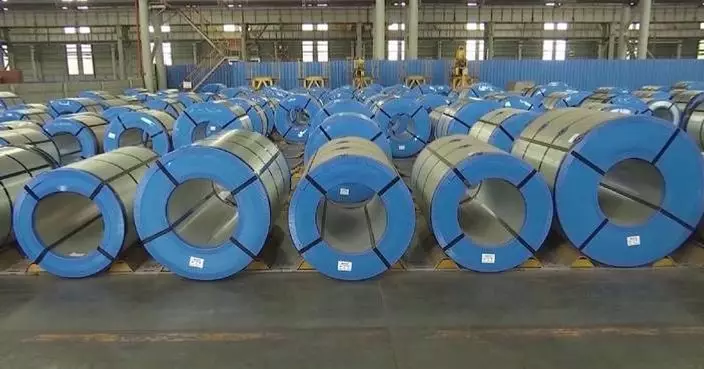
China is Japan's largest trading partner. In 2024, the total trade volume between China and Japan reached 308.3 billion U.S. dollars, with China's exports amounting to 152.01 billion U.S. dollars and imports totaling 156.25 billion U.S. dollars.
Tashiro said that Takaichi's erroneous remarks could plunge Japanese companies into a crisis.
"For Japan, China is its largest trading partner. The key point is that the supply chains of Japan and China are extremely intricately intertwined. In this situation, if the political relationship with China remains unstable, it will be very challenging for Japanese companies to expand their business and improve the quality of their operation in China. Although this won't cause an immediate halt, it would mean waiting for the situation to stabilize. This is extremely concerning, because the competition in the Chinese market is fierce. Japanese companies that reduces investment or adopt a wait-and-see approach will lose their existing market share, or rather, their market position," said Tashiro.
In Japan's tourism industry, Chinese tourists are a significant part of international visitors. A sharp decline in the number of Chinese tourists would lead to a contraction in related sectors, Tahiro said, adding that a crisis caused by the remarks of Japan's prime minister would be the greatest tragedy for the country.
"If the relations between China and Japan deteriorate and tourists from China decrease or cease visiting, just imagining this is enough to plunge Japan's tourism, catering, retail industries, and even the education sector, especially universities, into a 'survival-threatening situation.' This would be the true meaning of a 'survival-threatening situation.' If such a situation were to actually occur, it is the prime minister herself who has instigated it, and it would be the greatest tragedy for Japan," said Tashiro.
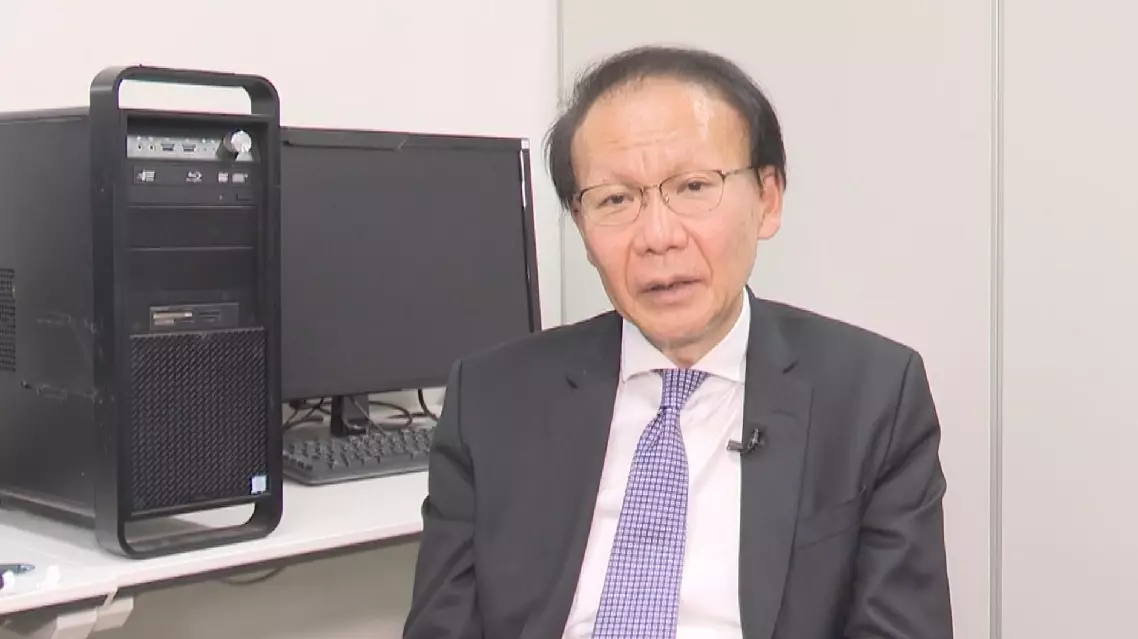
Takaichi's erroneous remarks bring risks to various sectors in Japan: economist