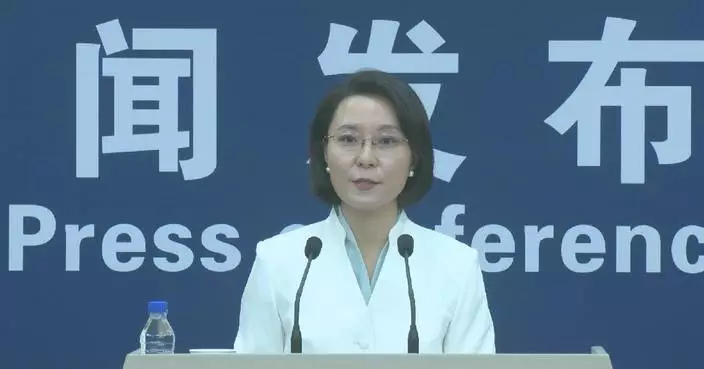
The China Academy of Science (CAS) released on Wednesday reports on research fronts and hotspots in 2025, indicating that China has ranked first in six research frontier fields within this year.
The 2025 Research Fronts report tracks global scientific literature and citation patterns to identify 110 research hotspots and 18 emerging fronts in 11 major highly integrated disciplinary fields, offering an objective reflection of their development status. On the basis of the 2025 Research Fronts report, the 2025 Research Fronts Heat Index report measures the global research activity in the 11 fields, as well as contributions and influences of major countries and regions therein.
According to the index, China ranked the world's first in six research frontiers including agricultural science, botany and zoology, ecology and environmental science, chemistry and materials science, physics, information science, economics and psychology.
In an interview with China Media Group (CMG), Pan Jiaofeng, president of the Institute of Science and Development under the CAS, noted that ranking underscored China's strong research foundations and active exploration in the related fields.
"Judged from the two reports released this year, it can be perceived that the quality of basic research in China is steadily improving. During the 15th Five-Year Plan period (2026-2030), we definitely need to attach great importance to the huge impact that artificial intelligence will generate on the transformation of scientific research paradigms, and also pay great attention to the application of artificial intelligence in all fields. To bring into play the capability of artificial intelligence can help us produce high-quality results," he said.
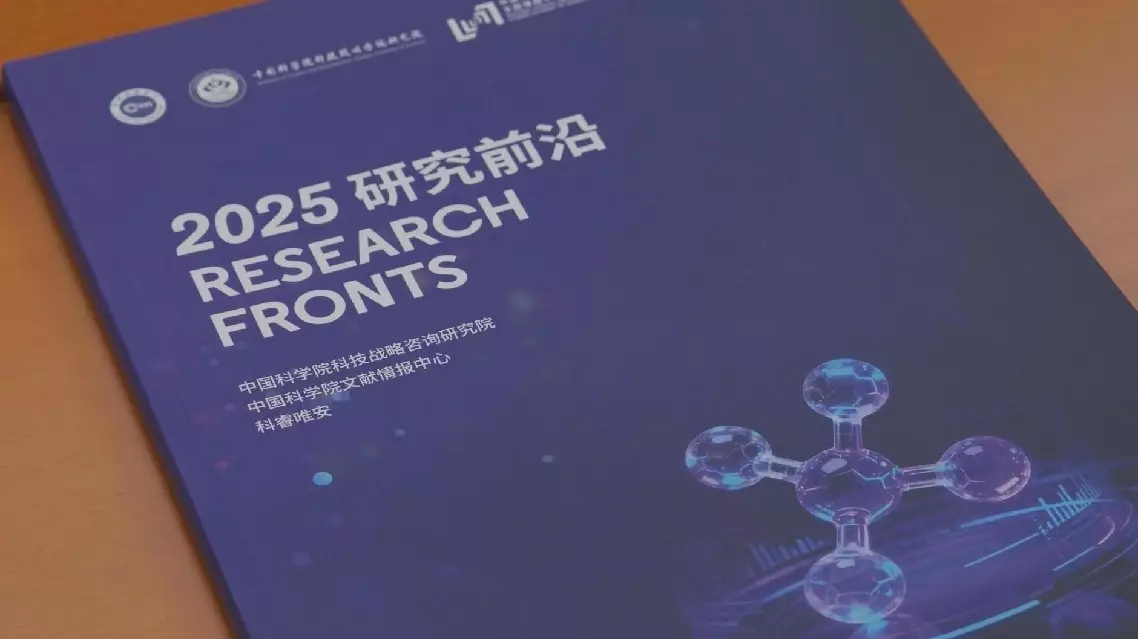
China ranks first in 6 hotspot fields in research frontiers: reports
China's Minister of Commerce Wang Wentao outlined the key priorities of the 32nd Asia-Pacific Economic Cooperation (APEC) Ministers Responsible for Trade Meeting, which opened on Friday in Suzhou, East China's Jiangsu province.
In an interview with CGTN ahead of the two-day meeting, Wang said free trade, digital cooperation and green economy are high on the agenda of the meeting.
"The key areas include advancing regional economic integration and the Free Trade Area of the Asia-Pacific, supporting the World Trade Organization (WTO) in strengthening digital cooperation and developing green economy. At present, the international situation is marked by intertwined turbulence and chaos, with intensified geopolitical instability. The rise of unilateralism and protectionism poses serious challenges to the international economic and trade order, disrupting global and Asia-Pacific development. Against this backdrop, all parties have higher expectations for this trade ministers' meeting, hoping that it can build consensus and deliver outcomes," Wang said.
This year marks China's third time hosting the APEC meetings and the 35th anniversary of its membership.
By 2025, China had become the largest trading partner of 13 APEC economies. Trade between China and APEC economies reached 3.7 trillion U.S. dollars, accounting for 57.8 percent of China's total foreign trade.
China has signed 24 free trade agreements or economic and trade arrangements with 31 countries and regions, including 15 APEC economies. In recent years, China has also completed upgrades of free trade agreements with APEC economies such as Singapore and Peru.
The minister said that China has always been a firm supporter and an important contributor to APEC.
"We have actively shared our vast market and development opportunities with all parties. China's door to the world will only open wider and wider. Facing the common challenges, China will continue to fulfill its responsibilities as a major country, further deepen reform, expand high-standard opening-up, and continue to provide new opportunities for the Asia-Pacific region and the world with its new achievements in Chinese modernization," the minister said.
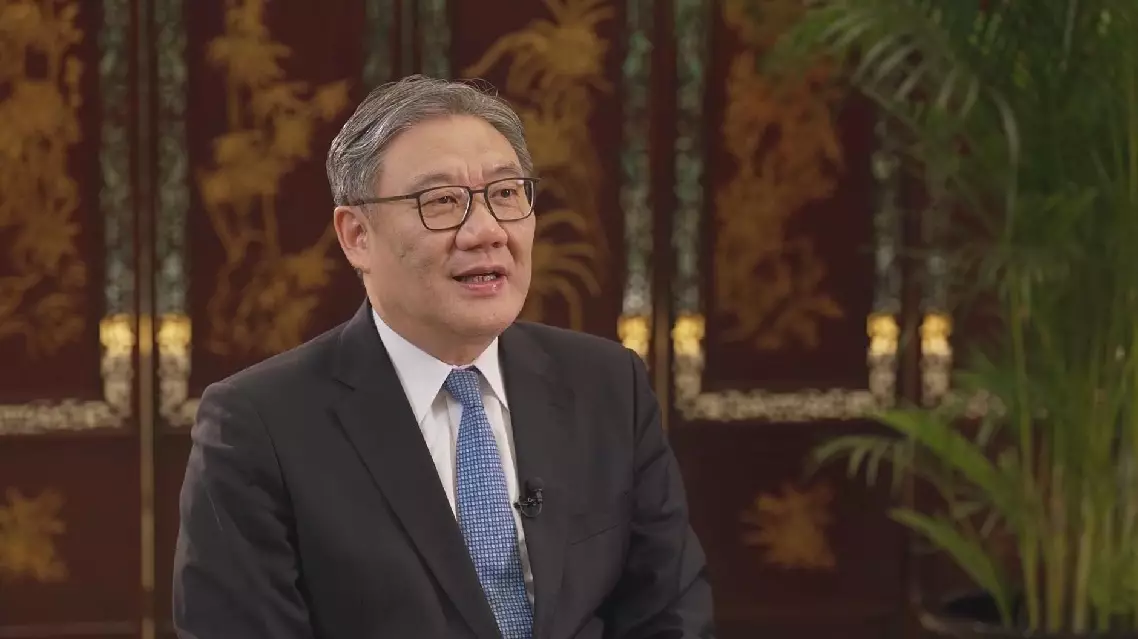
China's Commerce Minister outlines priorities for 32nd APEC trade ministers' meeting