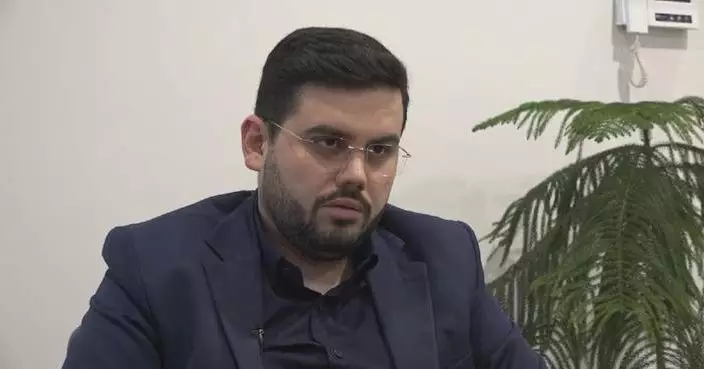
U.S. Secretary of State Marco Rubio's absence from a key North Atlantic Treaty Organization (NATO) foreign ministers' meeting which comes during a critical time amid talks to end the Ukraine crisis can be interpreted as a sign of the widening rift in transatlantic relations, according to a Brussels-based analyst.
The Meeting of NATO Ministers of Foreign Affairs was held in Brussels on Wednesday, with the primary topic being a U.S.-proposed peace plan aimed at ending the Russia-Ukraine conflict.
The 28-point proposal drawn up by the Trump administration in recent weeks has been met with criticism in Ukraine and across Europe, with many saying the plan ceded too much to Russia's demands.
European NATO members expressed concerns that they have been largely marginalized in the ongoing negotiations and have asked to have a say in future peace agreements. They want to ensure NATO's role in negotiations and are pushing for preliminary discussions on a series of so-called "red lines", including Ukraine's potential NATO membership and the deployment of troops and weapons on NATO territory.
Rubio's no-show at this potentially pivotal moment in discussions over Ukraine has raised eyebrows, with the last time a U.S. Secretary of State missed a NATO foreign ministers' meeting being way back in 1999.
Typically, NATO holds two formal foreign ministers' meetings each year, serving as a crucial platform for member states to coordinate strategies and unify their positions. This meeting marked the first systematic discussion among NATO members regarding the framework of the peace plan for Ukraine.
Some European NATO members had previously complained in private about the lack of consultation from the U.S. regarding the Ukraine peace process.
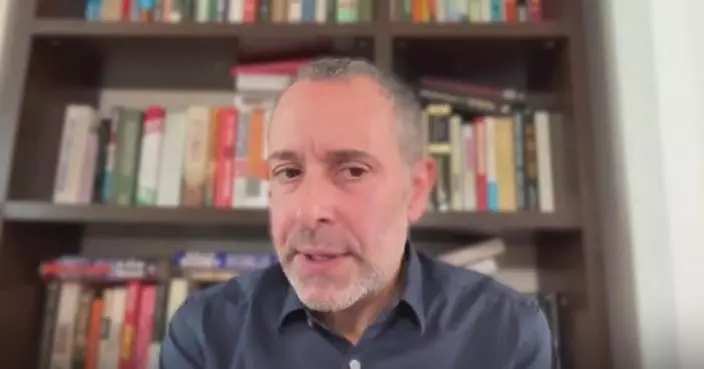
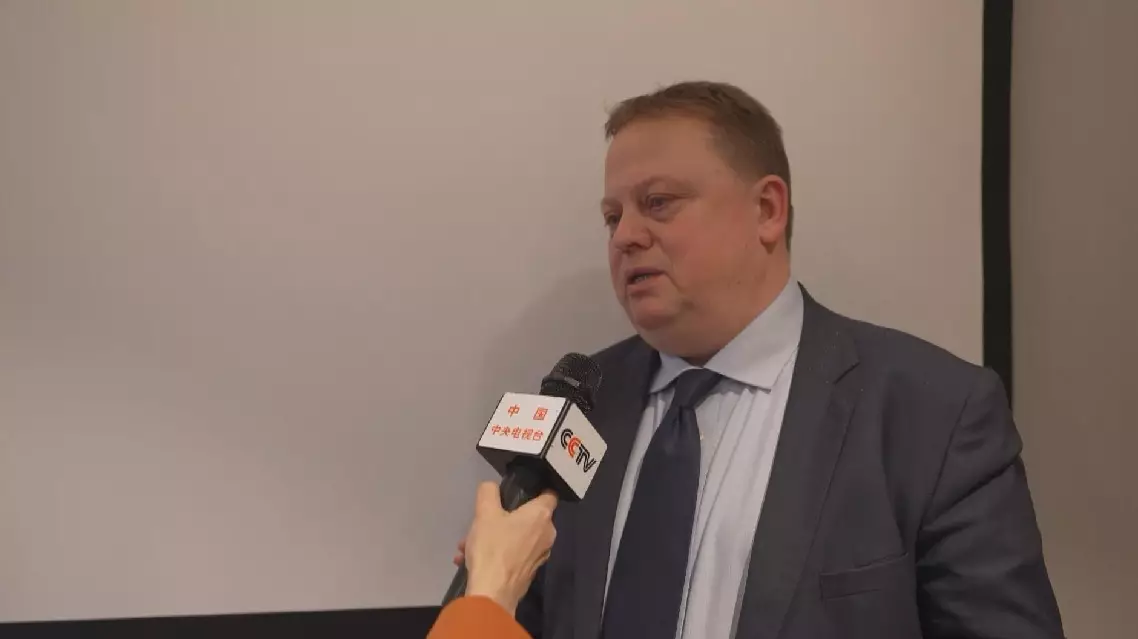
Fabian Zuleeg, chief executive of the European Policy Center, a Brussels-based think tank, said Rubio's choice not to attend the meeting is a further sign of strained ties between the U.S. and Europe.
"I think it's a change in the relationship. It was very easy for Europeans to rely on the United States when it came to security, in part when it came to economic development. So there's a change there, definitely. And I think in the end, Europeans will have to decide what to do about European security in any case, whether the U.S. are there or not," he said.
Adding to Europe's concerns, U.S. Deputy Secretary of State Christopher Landau, who represented the U.S. at the meeting, had previously questioned NATO's value in a hastily-deleted social media post back in this June. Although he did withdraw his comments, they did little to quell European anxieties regarding a profound shift in U.S. diplomatic direction.
Zuleeg said that the signals made by the Trump administration indicate that Europe may have to go alone.
"The U.S. president has talked about more of a distance and more of a focus of the U.S. on other parts of the world. Europe will have to do more things on its own," he said.
Rubio skipping NATO meeting signals growing rift in Transatlantic relations: analyst
Rubio skipping NATO meeting signals growing rift in Transatlantic relations: analyst
Rubio skipping NATO meeting signals growing rift in Transatlantic relations: analyst