Skip to Content Facebook Feature Image

Vote for Professional Expertise to Build a Better future

HK

Vote for Professional Expertise to Build a Better future
HK

HK

Vote for Professional Expertise to Build a Better future

2025-12-05 23:47 Last Updated At:12-06 12:59

The recent Tai Po fire aroused great sorrow to everyone in Hong Kong. It exposed not only latent building safety hazards but also, on a deeper level, underscored the critical importance of community resilience and professional governance. We have to confront the issues in our society head-on. They require even more urgent attention through professional, forward-looking institutional safeguards. The Legislative Council General Election on December 7th presents a pivotal opportunity for us to converge professional wisdom and reignite the path to prosperity.
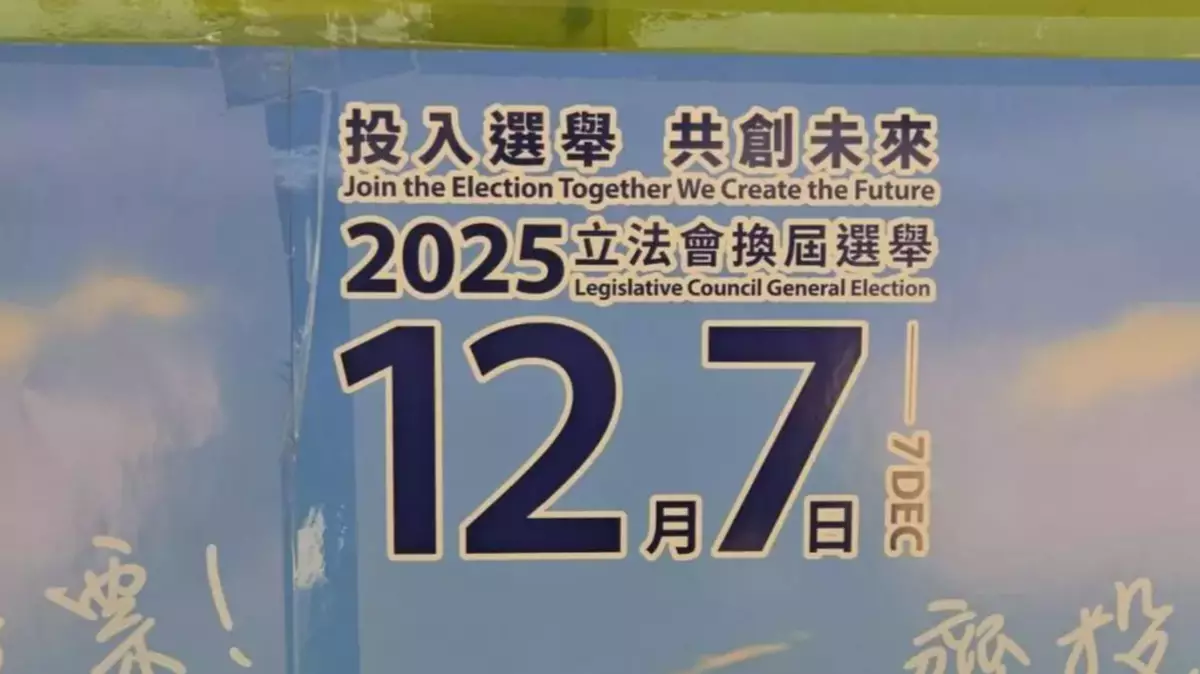
Photo by Bastille Post

Photo by Bastille Post

Expertise is the most invaluable asset in a modern society. It manifests not only as the courage displayed by firefighters rushing into a blaze but also as the astute minds in the council chamber capable of analyzing economic cycles, designing equitable tax systems, and planning for a sustainable urban future. Hong Kong's prosperity has always been built upon world-class professional standards in finance, law, trade, and other fields. Faced with complex internal and external challenges, we now need Legislative Council members with solid professional foundations more than ever—be it the economic literacy to decipher financial statements, the public administration acumen to perfect social welfare policies, or the industrial insight to foster technological innovation. Only then can the laws and policies they enact precisely address societal needs and lay the most solid groundwork for renewed prosperity.

However, expertise devoid of deep compassion for the community is like a tree without roots. Genuine prosperity must allow every citizen to feel fairness and warmth within the system. This demands that future council members not only possess the macro-level vision to navigate institutional design but also the nuanced empathy to understand the people's needs—from the study space for children in subdivided units to the healthcare security for the elderly and the operational pressures on small businesses. Translating professional knowledge into “people-centric” policies, ensuring that growth in financial data translates into a tangible sense of gain for citizens, is key to building a better Hong Kong.

Therefore, the vote on December 7th represents far more than a routine personnel change. It is our collective choice regarding Hong Kong's developmental trajectory. Every ballot is a solemn mandate. Let us choose candidates who truly combine professional insight with community commitment, empowering them to repair our institutions with their skills, foster consensus through a pragmatic spirit, and collectively strengthen the foundation of prosperity with their profound love for Hong Kong.

Please value and exercise this right. Your vote will directly determine whether we remain mired in complaints about problems or take the first step toward a safer, fairer, and more prosperous future. On December 7th, let us use rationality and foresight to jointly write the opening chapter of a new era for Hong Kong.
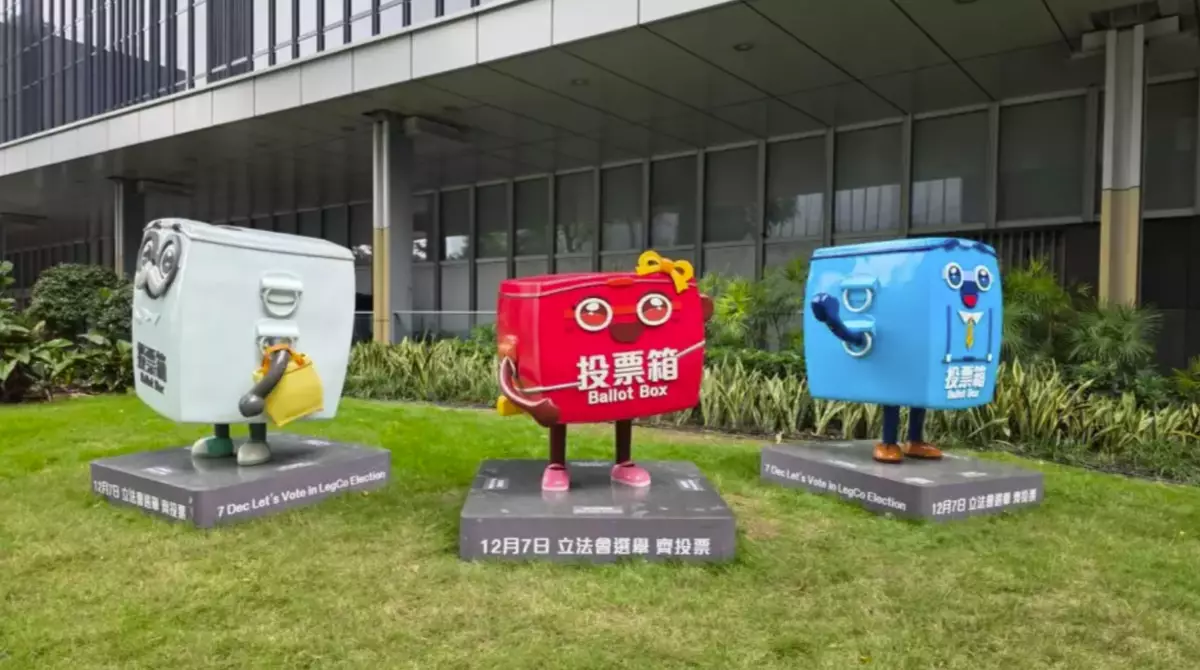
Photo by Bastille Post
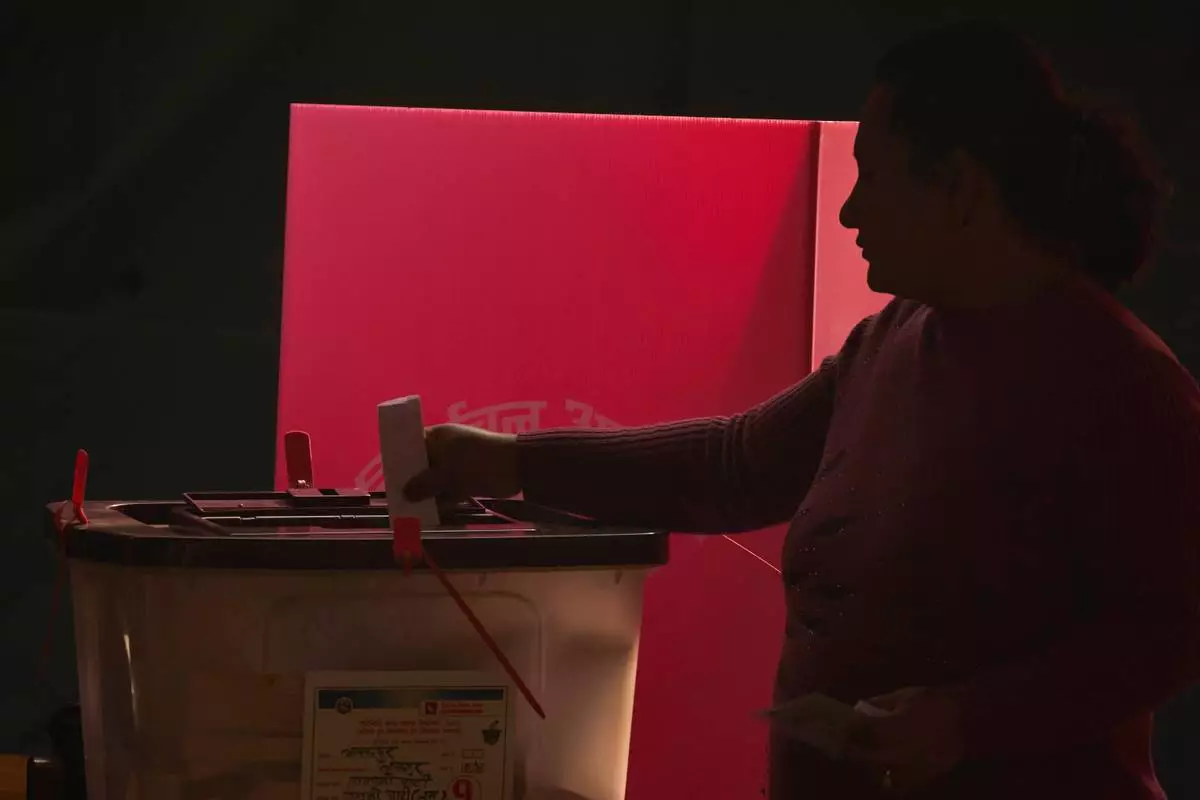
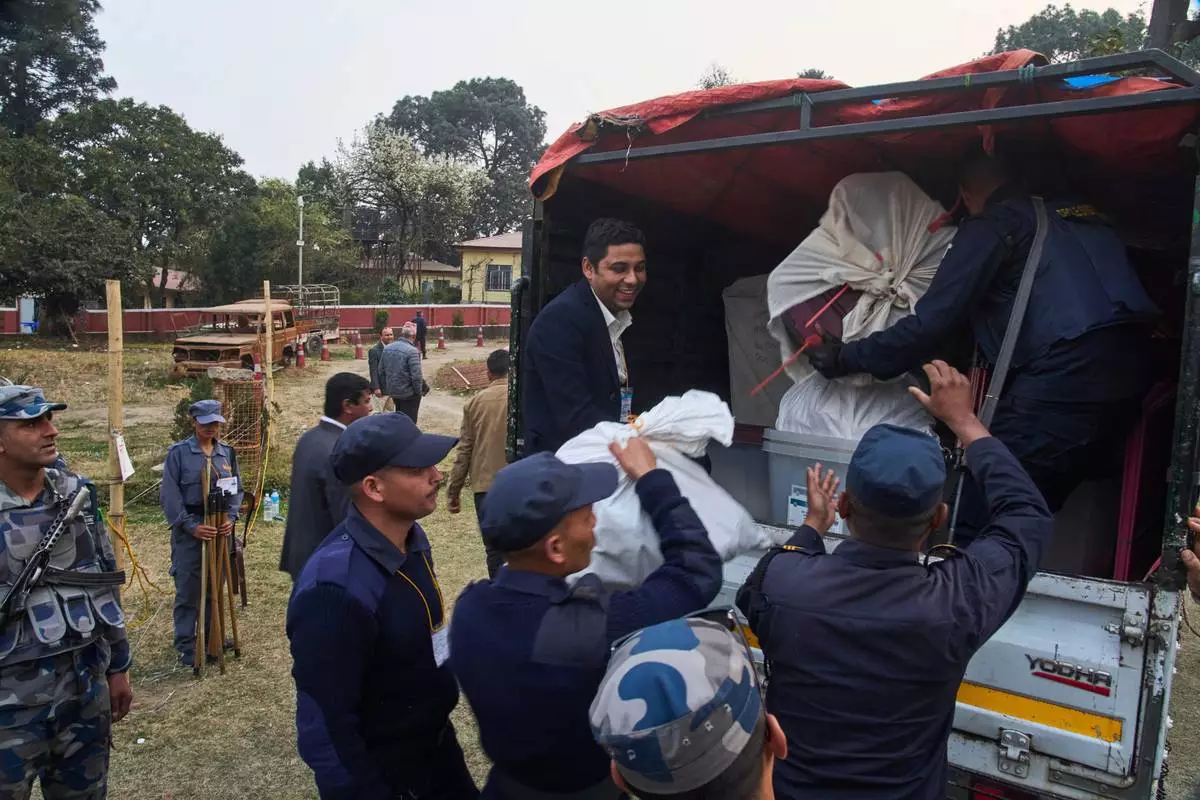
Photo by Bastille Post

KATHMANDU, Nepal (AP) — Election officials were counting votes Friday, a day after a parliamentary election in Nepal which was the first nationwide poll since a violent, youth-led uprising forced the former government from power in September.

The Election Commission said they had begun vote counting in 53 of the 165 constituencies by Friday morning, and expect to begin work in the remaining areas by the end of the day.

Some of the polling stations are high up in remote mountain villages, which are accessible only by days of hiking, leading authorities to arrange the transport of ballot boxes by helicopter to counting centers.

Results were expected by the weekend, according to election officials who estimated voter turnout to be around 60%.

Voters are directly electing 165 members to the House of Representatives, the lower chamber of Parliament. The remaining 110 seats in the 275-member body will be allocated through a proportional representation system, under which political parties nominate lawmakers based on their share of the vote.

Crowds gathered outside the centers where votes were being counted. In the capital Kathmandu, supporters cheered and chanted slogans in favor of their candidates.

The election is widely seen as a three-way contest, shaped by voter frustration over widespread corruption and demands for greater government accountability.

The National Independent Party, founded in 2022, is considered the front-runner, posing a strong challenge to two long-dominant parties: the Nepali Congress and the Communist Party of Nepal (Unified Marxist–Leninist).

The new party’s prime ministerial candidate is rapper-turned-politician Balendra Shah, who won the 2022 Kathmandu mayoral race and emerged as a leading figure in the 2025 uprising that ousted former Prime Minister Khadga Prasad Oli.

The 35-year-old Shah, riding a wave of public anger toward traditional political parties, had highlighted health and education for poor Nepalis as a key focus of his campaign.

The 2025 protests against corruption and poor governance were triggered by a social media ban before snowballing into a popular revolt against the government. Dozens were killed and hundreds injured when protesters attacked government buildings and police opened fire on them.

While the Congress and the Communists retain loyal voter bases, Shah’s party has drawn larger crowds on the campaign trail, highlighting its growing appeal among younger voters seeking an alternative.

A Nepalese woman casts her vote at polling station for the parliamentary election in Bhaktapur, Nepal, Thursday, March 5, 2026. (AP Photo/Niranjan Shrestha)

A Nepalese woman casts her vote at polling station for the parliamentary election in Bhaktapur, Nepal, Thursday, March 5, 2026. (AP Photo/Niranjan Shrestha)

Police carry a ballot box to a vehicle for transport to a counting center after voting ended at a polling station during the parliamentary election in Kathmandu, Nepal, Thursday, March 5, 2026. (AP Photo/Niranjan Shrestha)

Police carry a ballot box to a vehicle for transport to a counting center after voting ended at a polling station during the parliamentary election in Kathmandu, Nepal, Thursday, March 5, 2026. (AP Photo/Niranjan Shrestha)

Recommended Articles